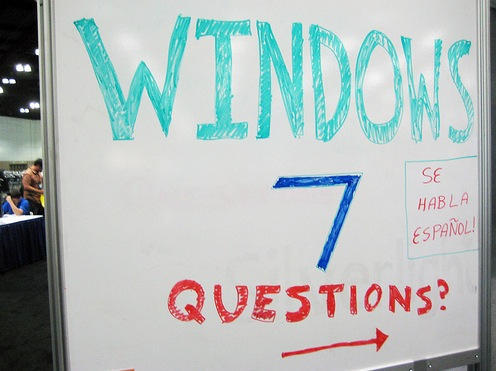
I probably shouldn’t be saying this on a Mac site, but reputation be damned: I’m quite interested to see Windows 7. Let me explain why. (Hang on while I put on my flame-proof jacket. There.)
THING THE FIRST: I want a netbook. I want a cheap, tiny, low-power little computer that does text editing and web browsing. Something I can chuck in my bag and forget about, but be sure it’ll be there as and when I need it. I don’t want to play games on it. I don’t want to mess with my photos on it. I don’t want to make phone calls on it. It doesn’t need a lot of disk space. But it does need a keyboard.
THING THE SECOND: I cannot afford to buy a MacBook Air. And anyway, it doesn’t offer the battery life I’m looking for.
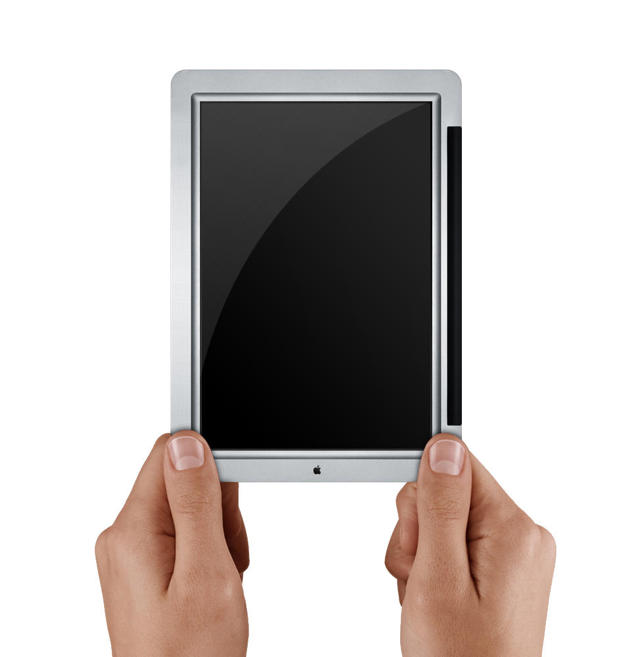
THING THE THIRD: I don’t think Apple’s going to be producing a netbook like this any time soon.
THING THE FOURTH: But I wish they would.
THING THE FIFTH: Windows 7 is on the way, it’ll run on netbooks, and – this is the important bit – I think it’s the first version of Windows that I might have a chance of getting on with.
Why?
Because it, ahem, borrows rather a lot of ideas from Mac OS X.
Let’s see now: it removes unnecessary icons from the Desktop. It makes the Task Bar more Dock-like. It adds a system-wide search box to the Start Menu, from which you can launch apps, open files, access preferences (sorry, options), much in the manner of the Spotlight menu.
What’s more, reports tell us that Windows 7 is less bloated than Vista, runs on more humble spec machines, is somewhat more secure, and runs faster too.
So, in summary: this is the first version of Windows I’ve seen that I’ve seriously considered actually using. And until Apple finds that string of DNA that enables it to make cheap, low-power computers, it will remain an option I’ll consider.
Or maybe I should just get a Linux-based netbook (and optionally install OS X on it regardless) and save myself the bother.
(Picture used under CC license: thanks to adKinn.)