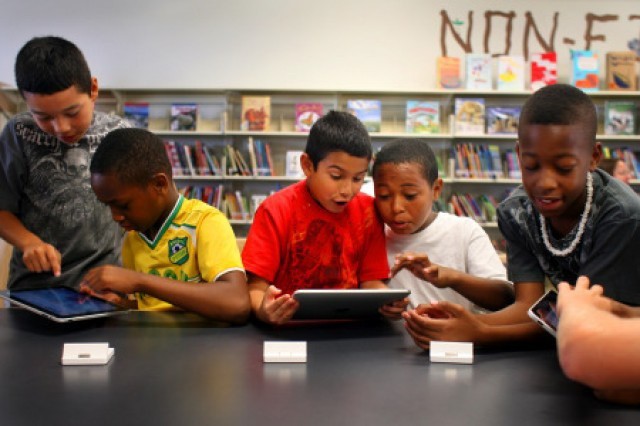
With its e-textbook initiative, iTunes U, and a range of educational resources, Apple is pitching the iPad as critical element in 21st century schools. Many schools have already begun iPad tests or full-scale deployments. In other schools, however, there’s still a fight over where and how the iPad and other technologies fit into the classroom. A battle erupted between teachers and lawmakers in Idaho earlier this year over new technology requirements in the state’s schools.
So what makes some schools embrace iPads and other new technologies while others resist them? It turns out that the answer may lie in the personal technology preferences of school and district administrators.
Project Tomorrow, an education research and advocacy group, released an extensive report on technology use in U.S. schools earlier this week. The report was based on the non-profit’s annual online survey, which was completed by more than 416,000 K-12 students, parents, teachers, librarians, and administrators over the course of last year.
One of the most significant finding centers on how principals, superintendents, and other school and district administrators use technology in both their personal and professional lives.
As a group, school administrators are significantly more plugged into mobile technology than the average American. Project Tomorrow found that half of school administrators owned an iPad or other tablet device compared to 10% of the general population at the time of the survey. Similarly, 70% of administrators owned a smartphone, significantly more than the general population, which Project Tomorrow noted as being 46% at the time of the survey (that number has grown over the intervening months and now stands at just over half of all Americans with mobile phones).
The personal adoption of mobile technologies by administrators lead many to push for iPads, iPod touches, laptops and other mobile devices in the classroom. Nearly a third (30%) of all “mobilist” administrators pushed for such devices to be used in their schools. That’s more than twice the effort put in by administrators without a personal investment in mobile technologies. Among that group, only 13% made efforts to add or expand the use of technology.
Similar numbers were found when teachers discussed their personal and professional use of technology. Teachers that have taken an online class or used the Internet for professional development (about half of all teachers in the survey) were 22% more likely to recommend online classes and similar resources for their students.
Another surprising point is that schools are investing in BYOD programs for faculty, staff, and administrators – and schools with tech-friendly administrators are 21% likely to be exploring or implementing such programs.
The full report is available from Project Tomorrow (PDF link).
Source: Project Tomorrow
Via: Converge Magazine

Ryan Faas is a technology journalist and consultant living in upstate New York who has written extensively about Apple, business and enterprise IT, and the mobile industry. In addition to writing for Cult of Mac, he is a contributor to Computerworld, InformIT, and Peachpit Press. In a previous existence he was a healthcare IT director as well as a systems and network administrator. Follow Ryan on Twitter and Google +.