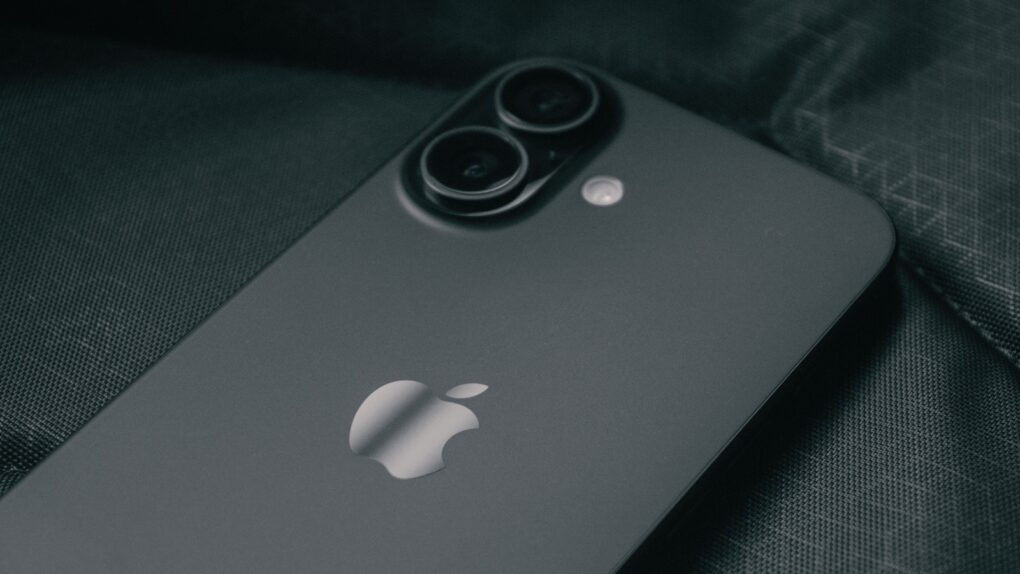
iPhone 17 just went up $100. The same goes for several other mid-range Apple models — they all got a price hike on Wednesday, the same day Apple unveiled the iPhone 18 Pro and iPhone Duo.
The launch of new iPhone models usually brings price cuts on previous models. Not this time. And we can lay the blame on a global shortage of memory chips driving up Apple’s production costs.
Apple raises iPhone 17 prices
Apple raised prices on Macs, iPad and other products in June, but the iPhone was notably left out of those increases. That has now changed.
The iPhone 17 launched in fall 2026 with a base price of $799. As of Wednesday, that went up to $899.
The same happened with the iPhone Air. It used to be $999, but not anymore. The price jumped to $1,099.
And the iPhone 17e, too. It was $599 after its spring launch, but now costs $699.
The older iPhone 16 remains in Apple’s lineup. But it’s no longer $699. It got its own $100 price increase.
These hikes are in line with the cost of the latest iOS models announced on Wednesday. The iPhone 18 Pro starts at $1,199, while the iPhone 18 Pro Max starts at $1,299. Both of these are $100 more than last year’s iPhone 17 Pro and Pro Max.
Meanwhile, the iPhone 17 Pro and Pro Max didn’t get a price hike — they got discontinued instead.
An expected price hike
To be clear, this isn’t a cash grab by Apple. It’s being forced to pass rising memory costs to its customers thanks to the global phenomenon that’s been dubbed “RAMageddon.”
A worldwide shortage of chips pushed up Apple’s component costs for months, as the AI boom has redirected enormous amounts of memory production toward data centers and away from consumer products.
And memory chip prices aren’t up just a little bit. Smartphone memory jumped more than 80% in the second quarter of 2026 alone, according to Counterpoint Research. The research firm says DRAM prices have risen about 400% over the past year, while NAND flash prices have climbed more than 300%.
RAMageddon has dramatically changed the economics of building smartphones, with DRAM becoming the most expensive individual component in some premium phones.
Apple has more bargaining power than almost any other smartphone maker, but it can’t completely escape the memory crunch. It’s likely why the iPhone 17 went up $100 in price and not more.

Ed Hardy has been writing full-time about tech for 26 years, and using it for much longer than that. His intro to Apple was a Macintosh SE/30 (which he still has), but now he uses a 13-inch iPad Pro as his primary computer.
That’s because he’s a “tablet first” type of guy. Rather than use a Macbook, he connects a keyboard case to the iPad. And instead of a desktop Mac, he connects his tablet to a 27-inch display and full-size keyboard. (So don’t try to tell him that everyone has to use a Mac to be productive.)
Before coming to Cult of Mac, Ed wrote for NotebookReview, TabletPCReview and Brighthand, as well as other sites.