Apple has spent years and millions of dollars trying to crack one of wearable technology’s biggest health challenges: noninvasive blood glucose monitoring for Apple Watch. Now, a promising new gadget at CES 2026 — the PreEvnt Isaac Non-Invasive Glucose Monitor — might offer a roadmap for how this long-awaited feature could finally arrive.
PreEvnt Isaac blood glucose device could inspire other wearables like Apple Watch
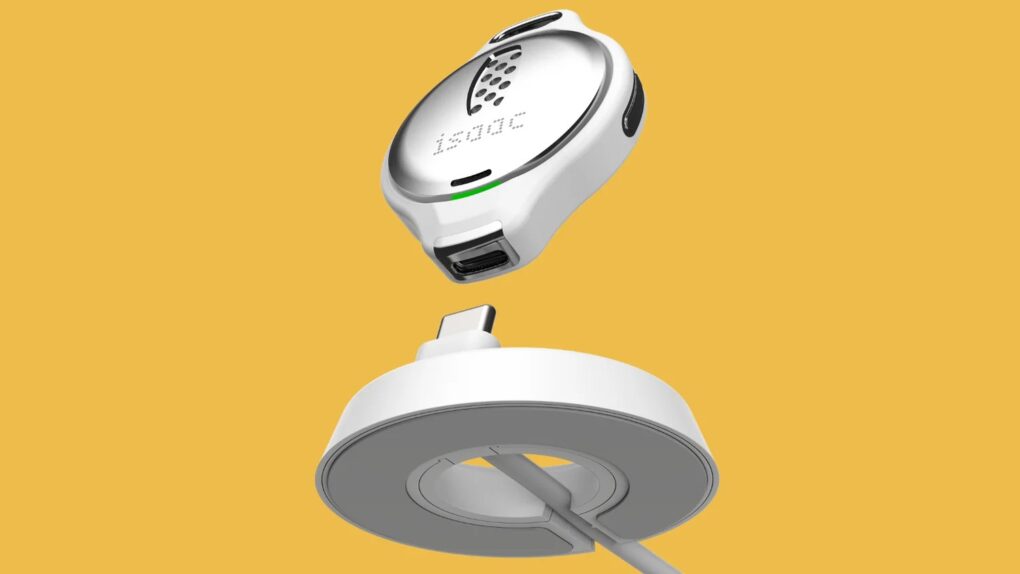
The small, pendant-style device on display at the Las Vegas electronics show has entered human clinical trials at Indiana University, marking a significant step forward in continuous glucose tracking without needles, Wired reported Thursday. The PreEvnt Isaac could open a viable pathway to effective glucose monitoring for the wearables industry at large. Apple has puzzled over the thorny problem of noninvasive blood sugar tracking for years.
How Isaac works
The device takes a completely different approach from Apple’s rumored optical sensors. Isaac measures volatile organic compounds in breath rather than attempting to read glucose levels through the skin.
Isaac detects biomarkers like acetone in exhaled breath that correlate with rising blood glucose levels. This method taps into the phenomenon of “acetone breath” — the sweet, fruity smell that’s a common symptom in diabetics. Users simply breathe onto the quarter-size disc, which then computes blood sugar levels and logs them in a companion smartphone app.
Bud Wilcox created the device after his grandson Isaac received a type 1 diabetes diagnosis at just 2 years old. After showcasing the concept at CES 2025, PreEvnt moved forward with active clinical trials comparing Isaac’s performance against traditional blood sugar monitoring methods. The study started with adolescents with type 1 diabetes and is expanding to adults with type 2 diabetes. Food and Drug Administration regulatory review should take place in the coming year.
What this means for Apple Watch
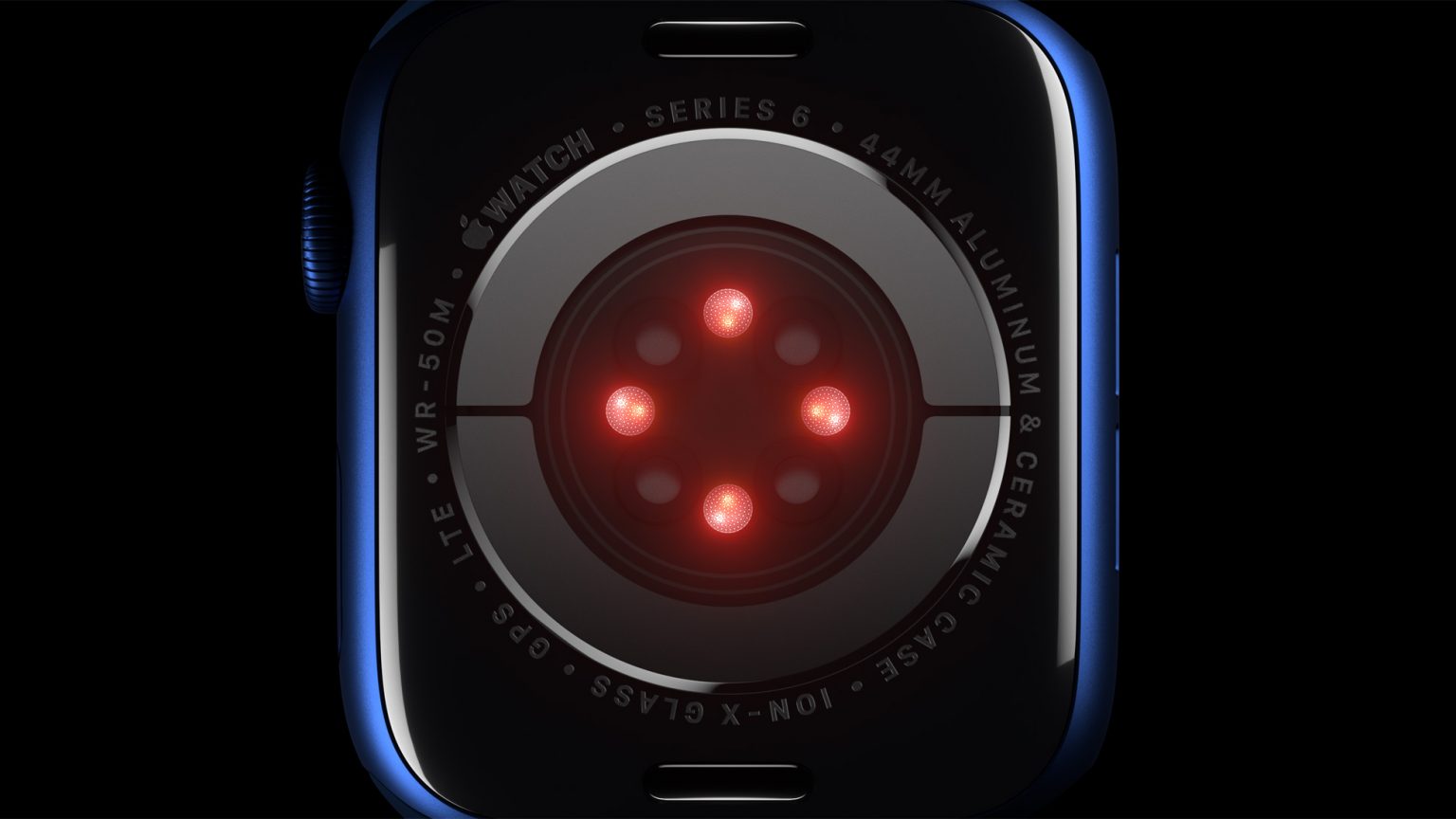
Photo: Apple
Isaac currently exists as a standalone pendant device that requires active testing rather than continuous background monitoring. But its clinical validation could provide crucial proof-of-concept for breath-based glucose tracking technology. If the trials demonstrate that measuring breath compounds can accurately estimate blood glucose levels, it opens a viable pathway for the wearables industry at large.
The challenge for Apple would be significant. Isaac is already about the size of a quarter on its own. Integrating similar technology into the compact form factor of an Apple Watch would require substantial miniaturization. The device also requires users to actively breathe onto it, rather than passively tracking glucose the way the Apple Watch monitors heart rate.
PreEvnt Isaac blood glucose device: A long-awaited breakthrough?
Wired noted that continuous glucose monitors have surged in popularity beyond diabetics, particularly as GLP-1 medications become widespread. Managing blood sugar through diet — emphasizing protein and fiber while minimizing sugar and carbs — has become a popular weight loss strategy. And it creates strong consumer demand for accessible glucose tracking.
For diabetics specifically, especially elderly people and small children, eliminating the need for constant finger pricks or under-skin sensors would represent a major quality-of-life improvement. Isaac might not yet deliver the seamless, always-on monitoring that Apple Watch users might expect from a future glucose feature. But it demonstrates that noninvasive blood sugar tracking is moving from concept to clinical reality.
Whether Apple ultimately pursues breath-based tracking, finally perfects its optical approach, or takes an entirely different direction remains to be seen. But with devices like the PreEvnt Isaac proving the technology is possible, that long-rumored Apple Watch glucose feature could be closer than ever.

David Snow, an expert on Apple hardware and software, writes on a variety of technological and cultural topics for Cult of Mac. They include Apple news, technology buying guides, and features about computer setups and Apple TV shows and movies.
With 30 years of experience covering technology and other subjects, he has written and edited for numerous print and online publications, including CMP Media, TechTV.com, CNET, Wired News, Red Herring magazine, Law.com, The National Law Journal and Law Technology News magazine. Among other roles, he served as executive editor of the Law.com network of websites and editorial director, technology, for ALM Media.
Snow graduated with a B.A. from Syracuse University with majors in magazine journalism and psychology. While there, he worked as a reporter for The Daily Orange newspaper and associate editor of Equal Time magazine.
Founder of the blog At the Waterline, he can be reached on X (formerly Twitter) via @atthewaterline and on Mastodon via @dsnow.