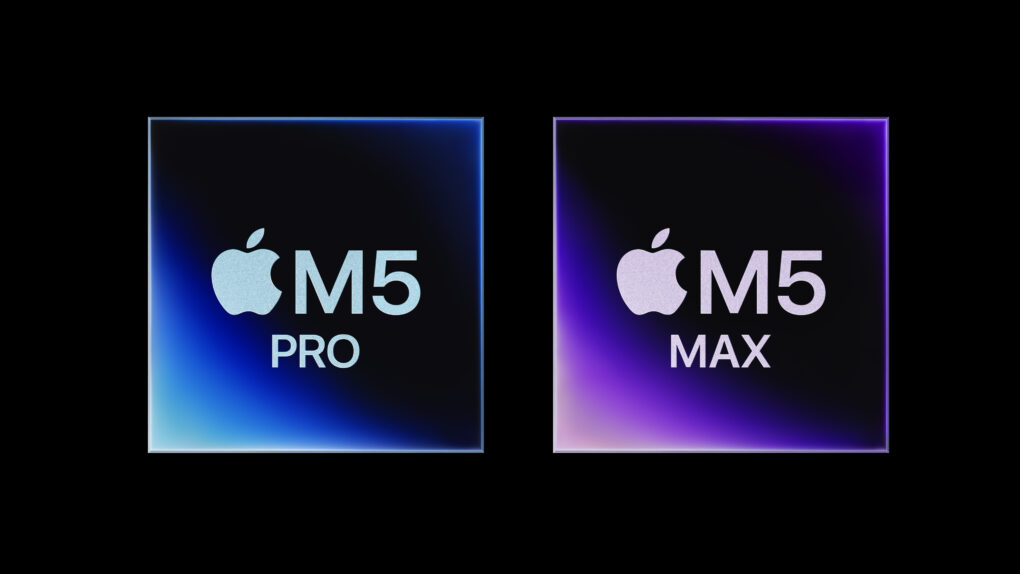
Using Apple’s all-new Fusion Architecture with “super cores,” the new M5 Pro and M5 Max chips that Apple unveiled Tuesday in new MacBook Pro models will bring more than enough power to handle Apple Intelligence and plenty of other complex computing tasks, the company said.
“M5 Pro and M5 Max are a monumental leap forward for Apple silicon, leveraging our new Fusion Architecture to scale the capabilities of Apple silicon while preserving its core tenets of performance, power efficiency and unified memory architecture,” said Johny Srouji, Apple’s senior vice president of hardware technologies, in a press release.
“Both chips underscore our relentless pace of innovation, integrating the world’s fastest CPU cores, a next-generation GPU with Neural Accelerators, a faster Neural Engine and high-bandwidth, high-capacity memory — resulting in an unparalleled combination of performance, efficiency, and incredible on-device AI capabilities for MacBook Pro,” he added.
M5 Pro and M5 Max chips supercharge new Macs
Unveiled alongside the new MacBook Pro models, M5 Pro or M5 Max chips bring Apple silicon to a whole new level, the iPhone giant said. It built the new M5 Pro and M5 Max chips on an all-new Apple-designed Fusion Architecture that combines two dies into a single system on a chip for immense power to handle AI tasks and more.
Apple silicon M-series chips, introduced at WWDC 2020 as a replacement for Intel products, first appeared in Macs as M1 processors in Mac mini and iMac in November that year. Their performance blew everyone away. After new iterations in the M2 and M3 chip lines across Apple’s computer lineup, M4 arrived in the iPad Pro (7th generation) in May 2024. The base M5 chip powered 14-inch MacBook Pro, iPad Pro and Vision Pro as of October 2025.
Now it’s joined in the updated MacBook Pro series by the incredibly capable M5 Pro and M5 Max editions. M5 Pro is also expected to power the next Mac mini and one of the next Mac Studio models.
What is Fusion Architecture?
Apple just made the most important chip design change in Apple Silicon history. The M5 Pro and M5 Max are now 2 chips fused together.
They broke the CPU and GPU apart onto separate pieces of silicon and reconnected them using the same packaging tech that goes into data center AI… https://t.co/uuGezI3FzL
— Josh Kale (@JoshKale) March 3, 2026
As “LimitlessFT” and “Bankless ” host and producer Josh Kale alludes to in his post above, the new design connects two third-generation 3-nanometer dies — each containing a CPU, GPU, Media Engine, unified memory controller, Neural Engine and Thunderbolt 5 capabilities — into a single SoC with high bandwidth and low latency.
As Kale implies, it’s a big deal. Apple said this approach lets it scale performance while preserving the power efficiency that Apple silicon is known for.
A faster CPU across the board
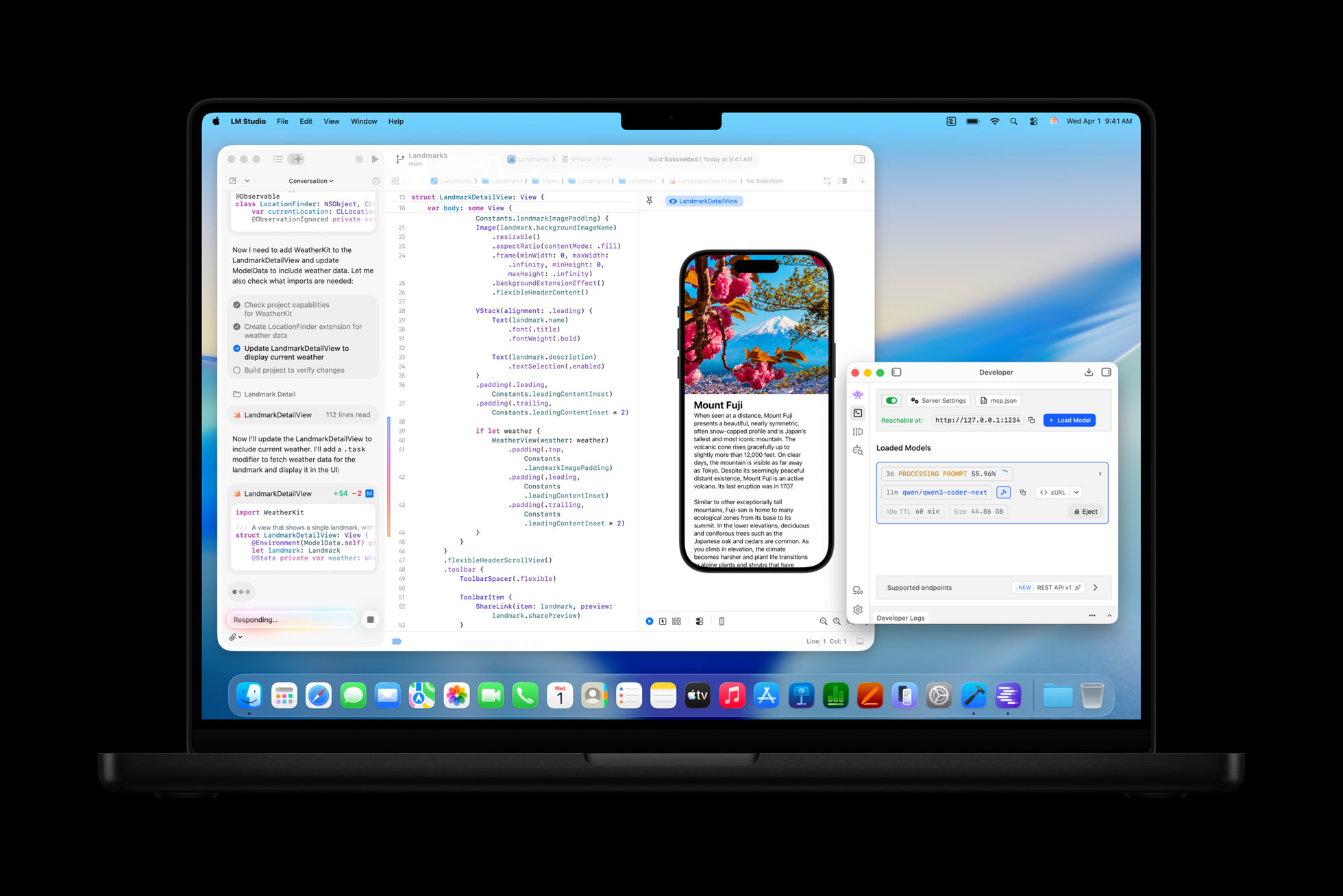
Photo: Apple
Both chips feature an 18-core CPU built around six “super cores.” That’s Apple’s fastest single-threaded core design, first introduced as the standard performance core in M5. Here it comes alongside 12 all-new performance cores optimized for multithreaded workloads.
With super cores, Apple claims up to 30% higher performance for pro workloads over the previous generation. And it realizes up to 2.5x higher multithreaded performance compared to M1 Pro and M1 Max.
M5 Pro: for demanding everyday pro use
Apple just dropped the M5 Max MacBook Pro and it's an AI Powerhouse. 4x faster AI Compute over M4 Max.
These Specs are insane:– 18-core CPU with 6 "super cores" = world's fastest CPU core
– 40-core GPU = rivals an RTX 4070 in a laptop
– 128GB unified memory = more than most… pic.twitter.com/V0OiD9212z— Josh Kale (@JoshKale) March 3, 2026
M5 Pro pairs the 18-core CPU with a up-to-20-core GPU and supports up to 64GB of unified memory with bandwidth up to 307GB/s.
Apple said it delivers more than 4x the peak GPU compute for AI compared to M4 Pro, and more than 6x compared to M1 Pro. Graphics performance is up to 20% higher than M4 Pro, with a 35% uplift in ray-traced apps.
M5 Max: for the most demanding workflows
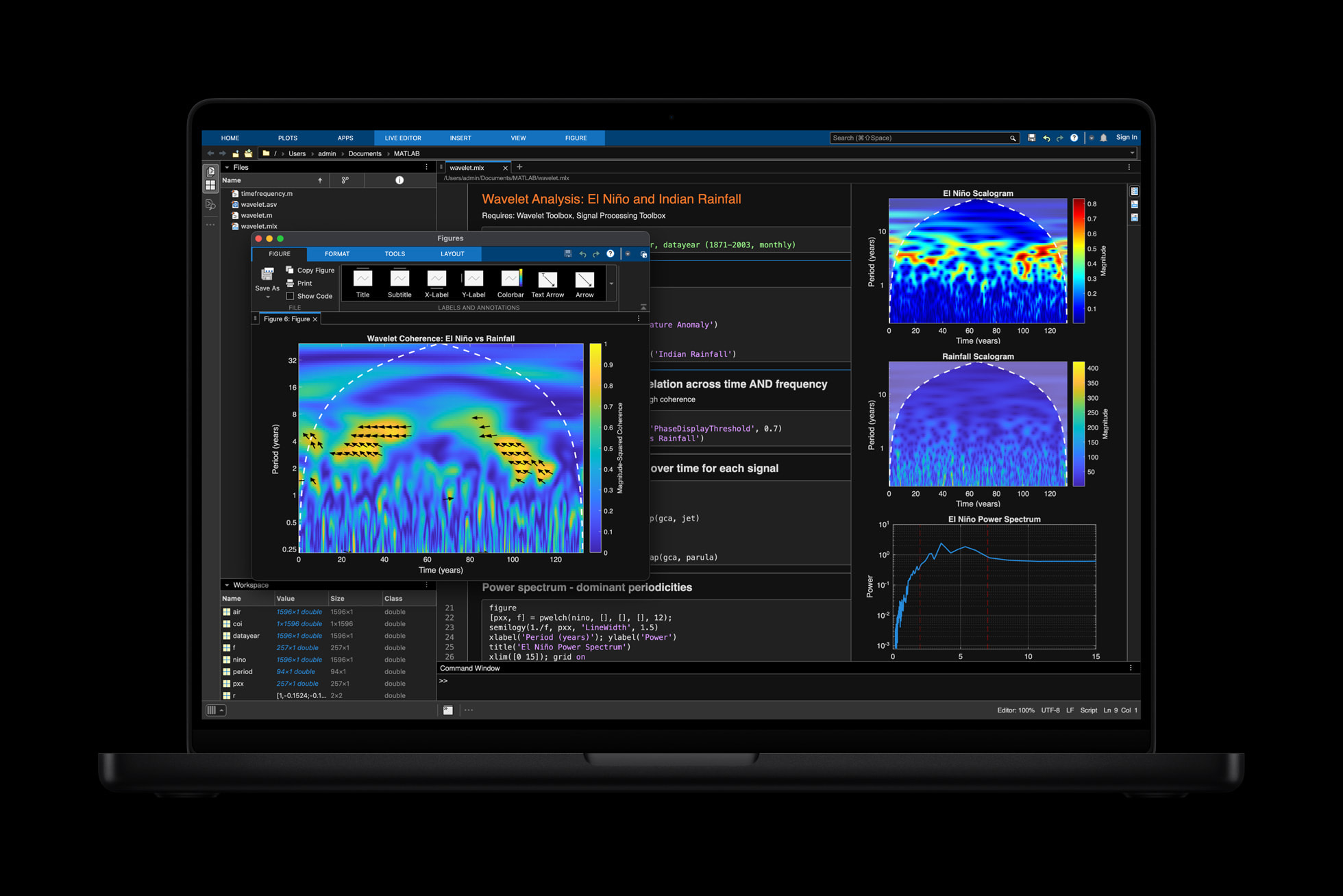
Photo: Apple
M5 Max doubles the GPU to up to 40 cores and supports up to 128GB of unified memory at up to 614GB/s. Apple said that bandwidth directly benefits users working with complex 3D scenes, massive datasets and local LLMs.
Peak GPU AI compute is over 4x that of M4 Max and over 6x compared to M1 Max. Graphics performance is up to 20% higher than M4 Max, with a 30% boost in ray-traced workloads.
Other chip-level improvements
Both M5 Pro and M5 Max include a faster 16-core Neural Engine. It features a higher-bandwidth memory connection to accelerate Apple Intelligence. It also boasts an updated Media Engine with hardware-accelerated ProRes, AV1 decode and Thunderbolt 5 controllers built directly onto the chip.
Apple also introduced Memory Integrity Enforcement, described as an industry-first always-on memory safety protection that doesn’t affect performance.
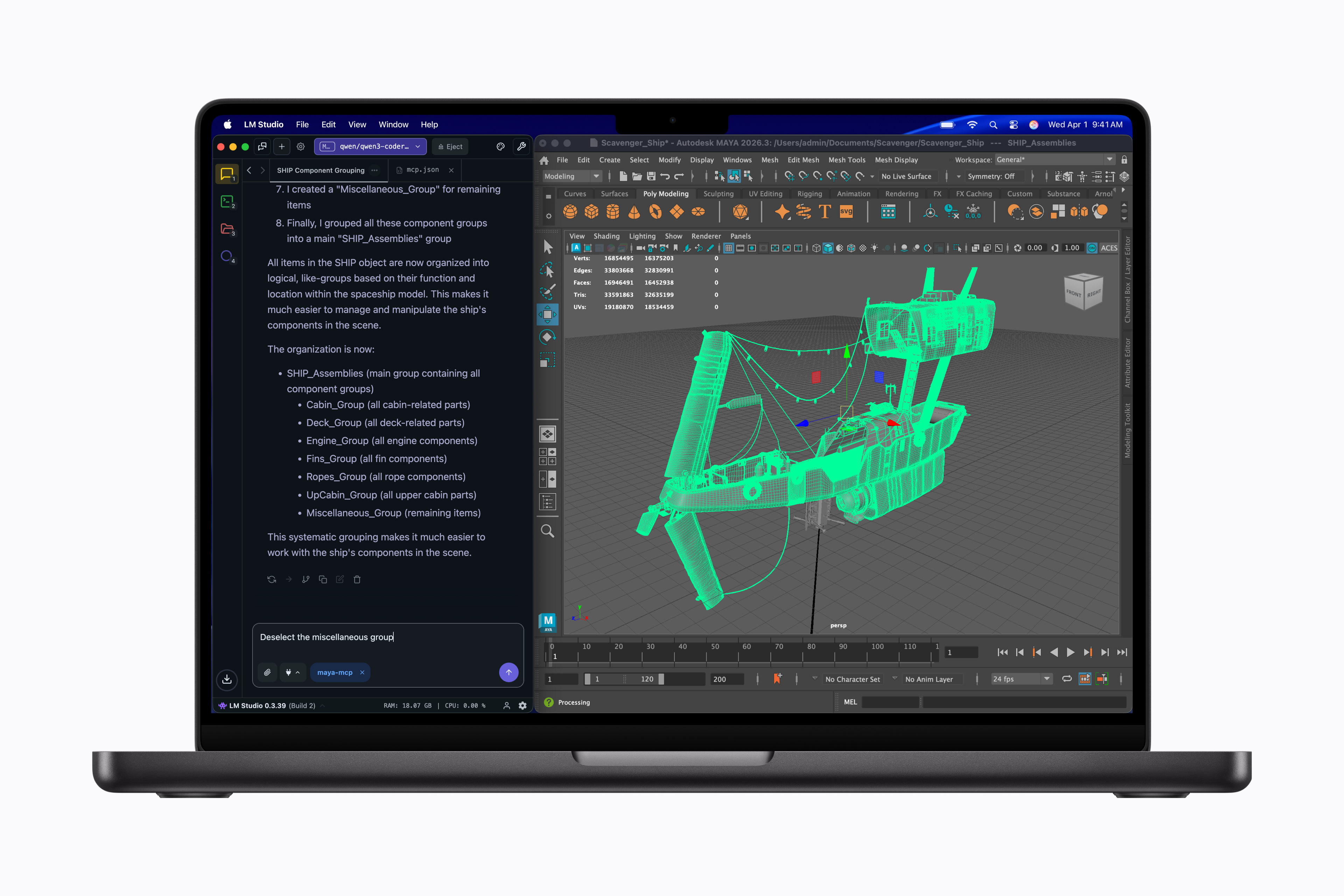
Image: Apple
Availability
The new MacBook Pro powered by M5 Pro or M5 Max is available for preorder now. Shipping and in-store availability begin March 11.

David Snow, an expert on Apple hardware and software, writes on a variety of technological and cultural topics for Cult of Mac. They include Apple news, technology buying guides, and features about computer setups and Apple TV shows and movies.
With 30 years of experience covering technology and other subjects, he has written and edited for numerous print and online publications, including CMP Media, TechTV.com, CNET, Wired News, Red Herring magazine, Law.com, The National Law Journal and Law Technology News magazine. Among other roles, he served as executive editor of the Law.com network of websites and editorial director, technology, for ALM Media.
Snow graduated with a B.A. from Syracuse University with majors in magazine journalism and psychology. While there, he worked as a reporter for The Daily Orange newspaper and associate editor of Equal Time magazine.
Founder of the blog At the Waterline, he can be reached on X (formerly Twitter) via @atthewaterline and on Mastodon via @dsnow.