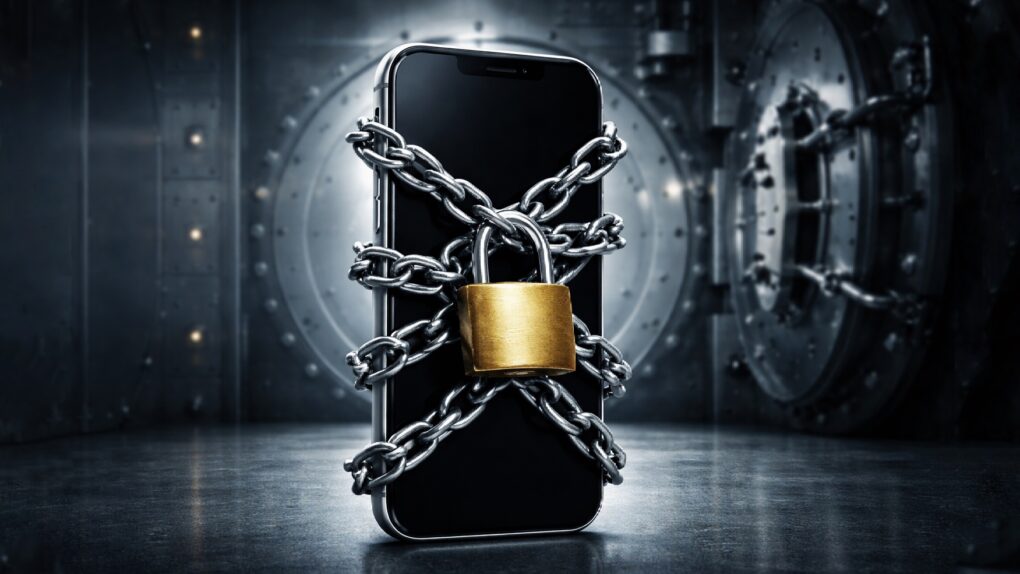
There’s a setting called Lockdown Mode you can activate on your iPhone that will make it virtually impossible to hack. Just by flipping a switch, you can make your iPhone incredibly secure. So secure, in fact, that Apple says no phone using Lockdown Mode has ever been hacked.
Sure sounds great. Surprise — here’s why you don’t want to use it.
Lockdown Mode: Apple’s most powerful iPhone security tool
The web seems like a dangerous place, where a single visit to a compromised website can expose hidden vulnerabilities in the browser and open the door wide to hackers.
And the threat seems even worse after all the recent headlines about DarkSword, a highly advanced cyberattack that targets smartphones, including iPhones, in ways that are largely invisible to the user. Unlike typical scams that rely on tricking someone into clicking a bad link, DarkSword exploits hidden flaws in software that can be exploited by visiting a compromised website.
With all that scary news, you might be thrilled to learn (or be reminded of) the iPhone’s Lockdown Mode. It offers a powerful layer of protection against highly sophisticated cyberthreats. It turns the iPhone into a far more hardened target, effectively shutting down many of the hidden pathways used by advanced spyware and zero-click exploits.
And it’s not backed up with vague promises. Apple flat-out says it works.
“We are not aware of any successful mercenary spyware attacks against a Lockdown Mode-enabled Apple device,” an Apple representative recently told TechCrunch.
Sounds brilliant. You don’t want to use it. Here’s why.
Apple’s most powerful iPhone security tool is more trouble than it’s worth
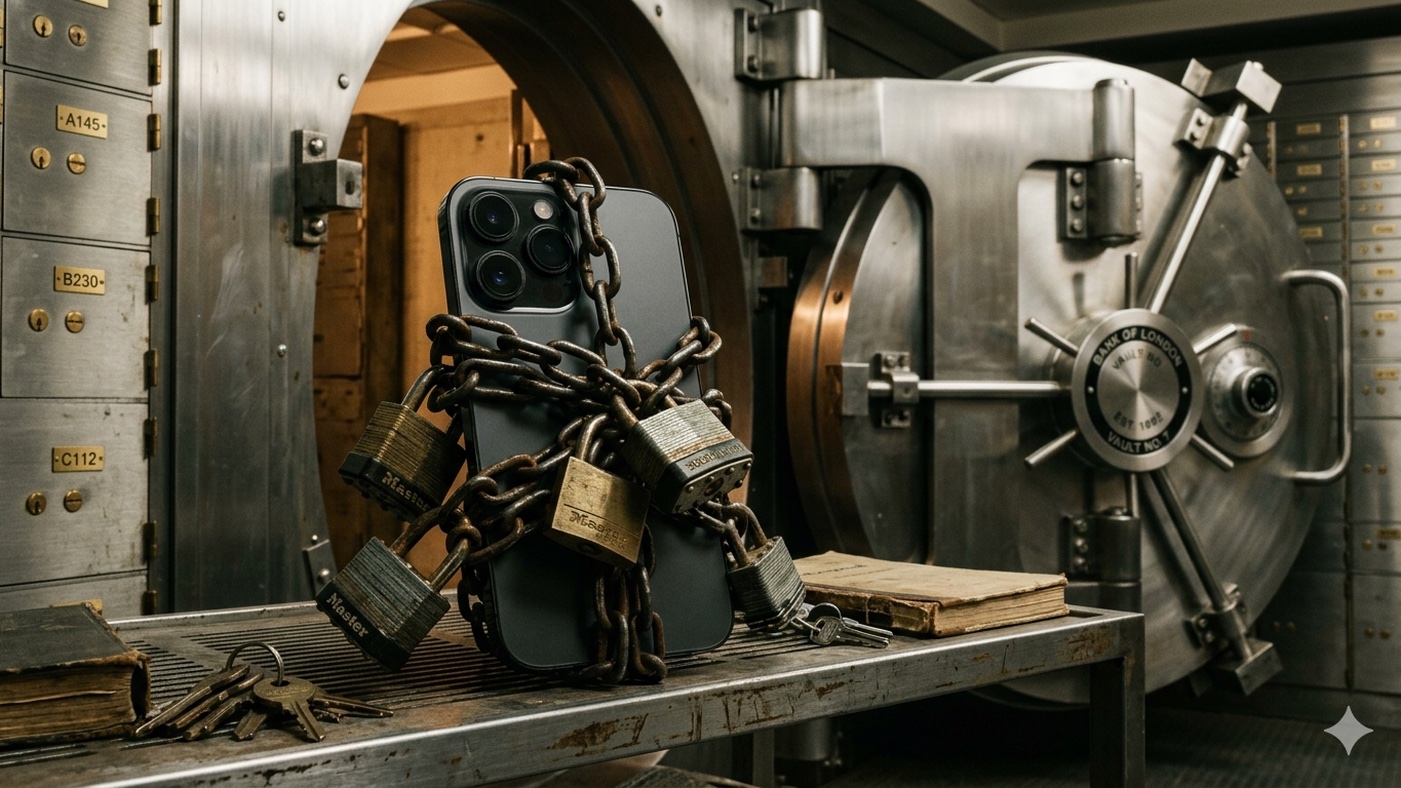
AI image: Gemini/Cult of Mac
While Apple’s iPhone Lockdown Mode delivers exceptional security, it does so by significantly limiting or outright disabling features you use every day.
In the Messages app, Lockdown Mode blocks most attachment types. It only allows basic images. This eliminates a common hack in which malicious files or previews run hidden code.
In Apple’s Safari web browser, Lockdown Mode takes a particularly aggressive approach by disabling many of the advanced web technologies that modern sites rely on. This includes restrictions on just-in-time (JIT) JavaScript compilation, which improves performance but can also open the door to sophisticated code execution attacks. Lockdown Mode also limits some web APIs and dynamic features, especially when you visit new websites.
Lockdown Mode brings other limitations as well. It blocks all incoming FaceTime calls from unknown contacts, for example. Wired connections to computers are restricted unless the phone is unlocked. And this isn’t a complete list.
In short, Lockdown Mode hobbles texting and severely restricts web access. I can’t imagine using my iPhone that way on a regular basis — you probably agree. And there’s good news! We don’t need to. Here’s why.
Easier ways to protect your iPhone from hackers
I’m not being cruel by talking up the advantages of Lockdown Mode before pointing out what a huge hassle it is. Because it would be a vast overkill for your security needs.
For the vast majority of iPhone users, the odds of being “hacked” in the cinematic sense — through sophisticated, invisible attacks — are extremely low. Apple’s tightly controlled ecosystem, regular security updates and hardware-level protections make widespread, untargeted intrusions rare.
To put it another way, hacking someone’s iPhone is a lot of work. And for most of us, it’s simply not worth the hacker’s time. Sending a phishing email to a few million email addresses proves much easier.
Security experts generally agree that all you really need to do to protect your device is keep it updated to the most recent iOS version, use strong passwords, and enable features like two-factor authentication. Do that, and don’t need to worry about Lockdown Mode.
So who is Lockdown Mode for?
Still, some iPhone users face much higher risks of surveillance than you probably do. Journalists, political figures, government officials, corporate executives handling sensitive information and activists might be hacked — not by criminals but by well-funded organizations, hostile nations or even their own governments.
It’s this type of person that led to the development of Lockdown Mode, one of the most aggressive consumer security features ever deployed. It’s not for average users.
But if you feel you absolutely must use it, or are just curious, enabling Lockdown Mode on your iPhone is easy. Open the Settings app, then scroll down and tap Privacy & Security. From there, scroll to the bottom and select Lockdown Mode. Tap Turn On Lockdown Mode, then confirm your choice by tapping Turn On & Restart.

Ed Hardy has been writing full-time about tech for 26 years, and using it for much longer than that. His intro to Apple was a Macintosh SE/30 (which he still has), but now he uses a 13-inch iPad Pro as his primary computer.
That’s because he’s a “tablet first” type of guy. Rather than use a Macbook, he connects a keyboard case to the iPad. And instead of a desktop Mac, he connects his tablet to a 27-inch display and full-size keyboard. (So don’t try to tell him that everyone has to use a Mac to be productive.)
Before coming to Cult of Mac, Ed wrote for NotebookReview, TabletPCReview and Brighthand, as well as other sites.