Over the weekend, writer MG Siegler of TechCrunch opened a can of online worms with a furious rant entitled AT&T Is A Big, Steaming Heap Of Failure.
Complaining he hasn’t received Visual Voicemail on his iPhone for weeks, Siegler joins a growing chorus of pundits dissatisfied with AT&T, including Gizmodo, Wired and GigaOm.
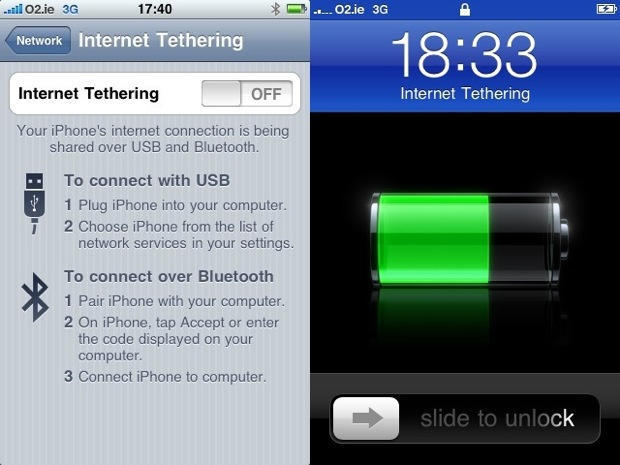
But as some Techcrunch commenters point out, Visual Voicemail is bolloxed by a popular tethering hack, which allows the iPhone to share its internet connection with a tethered computer.
“I enabled the tethering hack weeks ago when it came out,” says one commenter. “It broke visual voicemail, so I reverted it. One heck of a coincidence if everyone’s voicemail spontaneously broke the same week that a tethering hack came out that breaks visual voicemail.”
Siegler didn’t respond to a query asking if he had tried the tethering hack, and he makes no mention of it in the comments to his post, where he engages in some back and forth with TC readers.
Either way, here’s a very simple fix to get Visual Voicemail back, while still enabling the tethering hack.
The popular AT&T tethering hack is easily enabled by visiting sites like BenM.at using mobile Safari. Trouble is, it changes the iPhone’s .ipcc carrier settings file and frequently disables Visual Voicemail, but not always.
To check if you’ve been affected, call your own number to access your voicemail box. If you have messages waiting, Visual Voicemail is bolloxed.
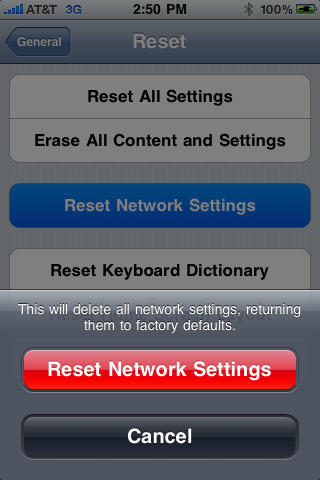
But it’s easily fixed. On the iPhone, go to: Settings > General > Reset and hit the Reset Network Settings button.
When the iPhone reboots, VVM is working again and the tethering hack still works.

Leander Kahney is the editor and publisher of Cult of Mac. Leander is a longtime technology reporter and the author of six acclaimed books about Apple, including two New York Times bestsellers: Jony Ive: The Genius Behind Apple’s Greatest Products and Inside Steve’s Brain, a biography of Steve Jobs.
Leander has written for Wired magazine, Scientific American, The Guardian, The Observer, The San Francisco Chronicle, MacWeek and many other publications.