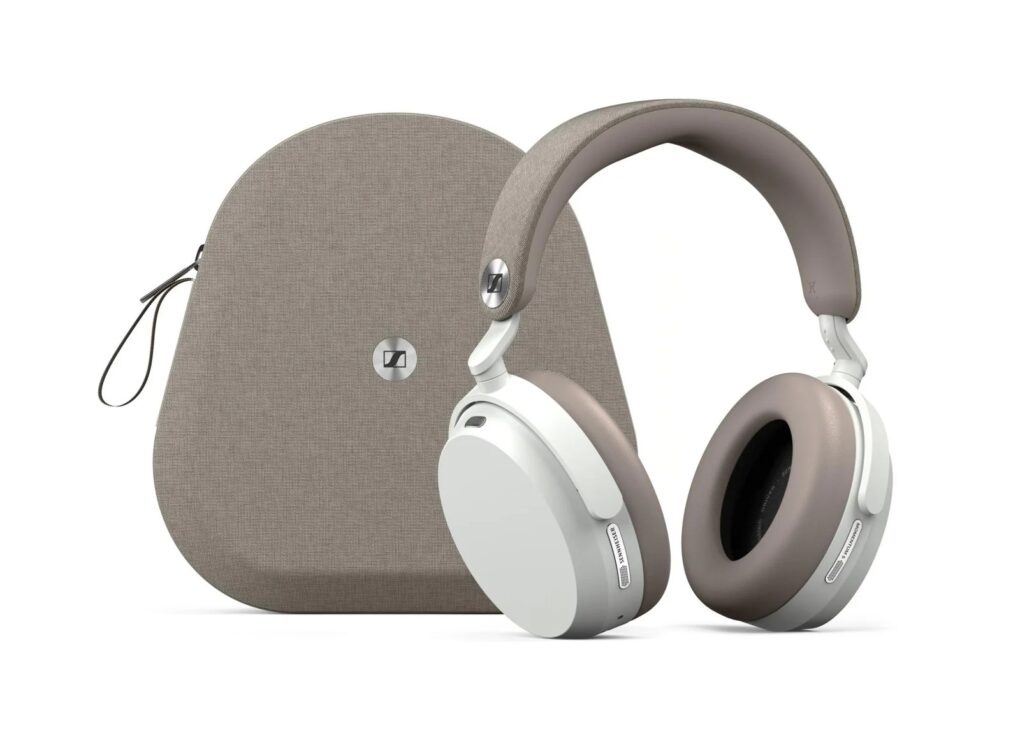
Something is changing in portable audio. In the past year, several well-known audio brands have made a design commitment that sounds almost quaint in the age of sealed, glued-together gadgets. They put a battery in their speakers and headphones that you can actually take out and swap yourself.
That’s environmentally responsible, consumer-friendly and adds much longer life to premium products.
So Apple, take note: Marshall, Sennheiser, Philips, JBL and Noble Audio all embraced user-replaceable batteries in recent products. AirPods Max and Beats speakers and headphones still don’t. But they should, for the good reasons above — and to not lose out to competitors following this positive trend.
This post contains affiliate links. Cult of Mac may earn a commission when you use our links to buy items.
Apple, please use removable batteries in portable audio
Marshall announced its Stockwell III Bluetooth speaker on June 9, with availability set for August 4 at Marshall’s store and Costco. Sennheiser launched its Momentum 5 Wireless headphones on June 16 at $399.99. Both products — among others, below — treat a user-replaceable battery not as an afterthought, but as a topline feature — a deliberate signal to buyers that these products deserve to stick around.
Apple, which owns the Beats brand and sells the $549 AirPods Max, so far hasn’t gotten the memo. Hell, HomePods (including the HomePod mini) aren’t even portable, but they could be.
What Marshall and Sennheiser actually built
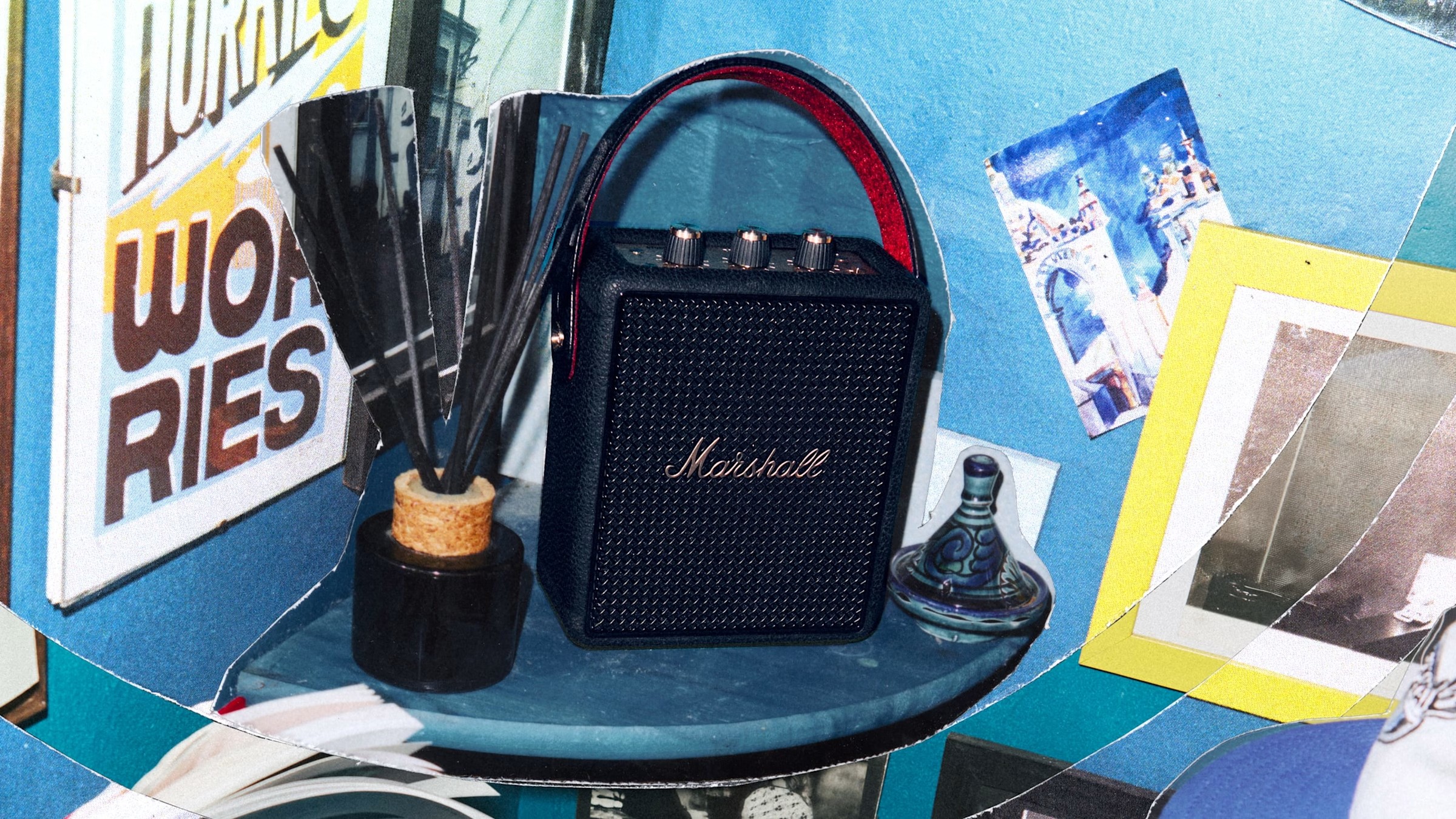
Photo: Marshall
Marshall Stockwell III speaker
Stockwell III carries a rechargeable, replaceable lithium-ion cell behind its IP55-rated grille. Marshall promises 40-plus hours of playtime on a single charge and sells replacement batteries directly at marshall.com. So when the cell eventually loses capacity, owners can swap it at home rather than ship the whole speaker to a service center or toss it in a drawer.
Marshall frames this as an environmental commitment. The company’s product page notes that every new design prioritizes “durability, repairability and replaceable components to extend their lifespan and reduce waste.” The speaker itself contains 27% recycled material by weight. And Marshall also added settings in its companion app to monitor and preserve battery health over time.
Beyond the battery story, Stockwell III delivers 360-degree True Stereophonic sound through one 65-watt woofer and two 31-watt wide-band drivers. It supports Bluetooth 5.3 with Auracast and doubles as a USB-C charging bank for your phone or other devices — a handy touch for long outdoor sessions. It goes on sale at $249.99.
Sennheiser Momentum 5 Wireless headphones offer a replaceable battery, powerful sound, adaptive noise cancellation and up to 57 hours of battery life.
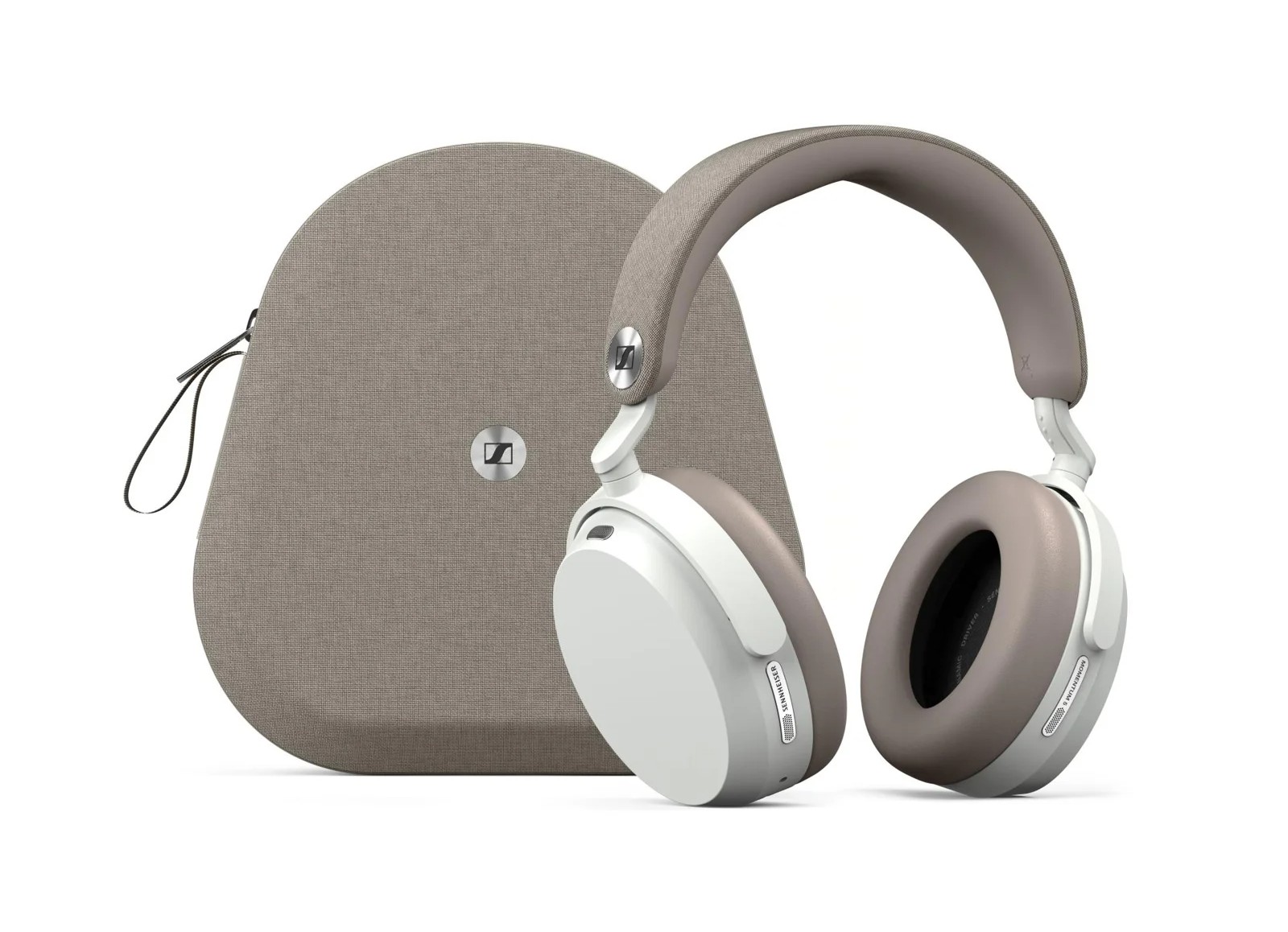
Sennheiser Momentum 5 Wireless headphones
Sennheiser made a similarly pointed case with Momentum 5 Wireless. The headphones carry a 700mAh cell that owners can swap using a small Phillips-head screwdriver — a process Sennheiser says takes minutes. The company’s president of consumer audio, Lilika Beck, called it evidence “that high-performance sound and environmental responsibility can — and must — exist in the same product.”
Momentum 5 also stretches to 57 hours of listening with active noise cancellation engaged, supports Dolby Atmos with head-tracking via a day-one firmware update, and ships with Bluetooth 5.4 hardware engineered for a Bluetooth 6.0 upgrade through a future firmware release.
As I noted when covering Sennheiser’s release, neither Apple’s AirPods Max nor Bose’s QuietComfort Ultra headphones offer a user-replaceable battery — leaving owners of those headphones to either visit a service center or retire otherwise-functional hardware when the battery degrades.
They’re not alone: four more products joining the movement
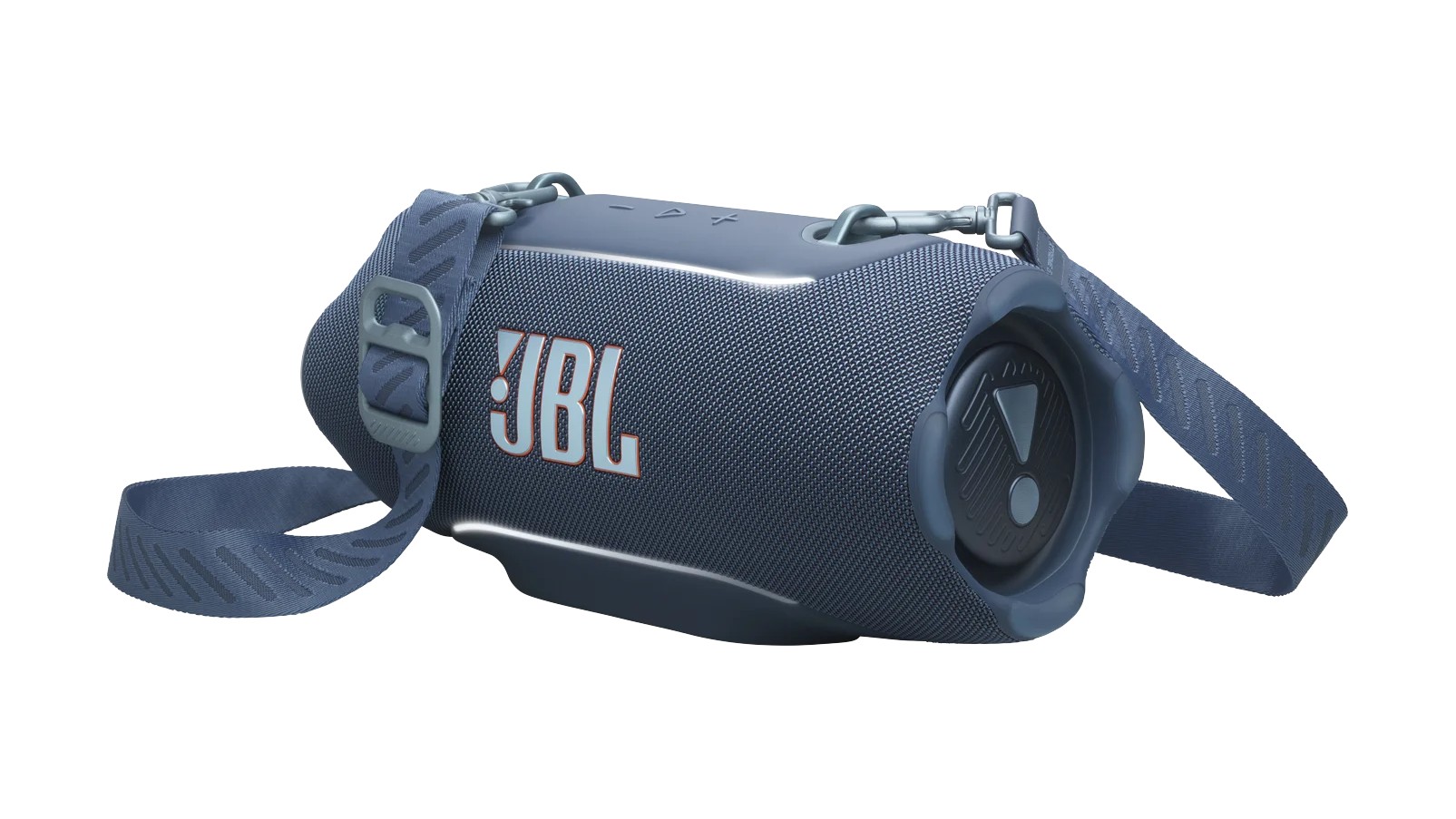
Photo: JBL
The Marshall and Sennheiser launches didn’t emerge from a vacuum. Several other brands either released or announced products with user-replaceable batteries in the past year.
JBL Xtreme 5
JBL continued a longstanding practice from earlier Xtreme generations with the Xtreme 5 (pictured above), released in 2026 at $399. The rugged, IP68-rated portable speaker ships with a swappable battery pack system. That means owners can pull out a depleted pack and slot in a fully charged spare mid-session, or order a replacement when the original cell ages out.
A Sound Guys review called the swappable battery “a big win for long-term use,” noting it lets owners replace the power cell rather than replace the entire speaker.
This waterproof Blueooth speaker brings great JBL sound, Ambient Edge lighting, a convenient shoulder strap, lossless USB-C Audio, Auracast and a built-in, replaceable power bank.

Philips H8000E
Philips announced this mid-range over-ear headphone at CES in January 2025 and shipped it in September 2025. The H8000E features 40mm graphene-coated drivers, adaptive ANC with five adjustable levels, Bluetooth LE Audio with the LC3 codec, Bluetooth Auracast, LDAC support, and a battery life of 70 hours with ANC off and 50 hours with it on.
The battery — easily replaceable — ranks among its central sustainability commitments according to TechRadar, alongside detachable ear cushions and recycled plastics throughout. Philips positioned the H8000E as a mid-range offering, making replaceable-battery design accessible below the premium tier.
Noble Audio FoKus Artemis
Noble Audio announced its flagship over-ear headphone in early June 2026, with pre-orders open and shipping expected in July at $899. The Artemis packs three driver types — dynamic, balanced armature and planar magnetic — into a single wireless over-ear design, and includes a user-replaceable 600 mAh cell.
Noble also includes swappable ear cushions, positioning the Artemis as a stronger long-term ownership story than most premium wireless headphones, as Engadget noted. And as ecoAcoustics wondered about the release coming on the heels of Sennheiser’s Momentum 5, “are premium wireless headphones finally moving away from sealed-box disposability?”
The headphones deliver over 50 hours of battery life with ANC off and over 35 hours with it on.
What’s driving the trend

Photo: Freestocks.org
Two forces are pushing this trend: regulation and consumer pushback.
The European Union’s Batteries Regulation (EU 2023/1542) mandates that portable batteries in products sold in the EU must be removable and replaceable. The full requirement takes effect February 18, 2027, though related provisions have phased in since 2023. The EU’s stated goal centers on extending product lifespans and cutting waste. Its estimates suggest European consumers could collectively save up to €20 billion by 2030. Replacement batteries for any model must remain available for at least five years after a product leaves production.
Consumer audio products fall squarely within the regulation’s scope. Brands that sell in Europe — which includes every major audio manufacturer — now face a design mandate that aligns neatly with what a growing number of buyers already want: products that don’t become landfill when their power cells give out.
The right-to-repair movement has applied parallel pressure. iFixit teardowns of AirPods Pro 3, released in September 2025, found the earbuds glued shut and rated zero for repairability, continuing Apple’s pattern of sealed audio products. Meanwhile, the brands above have read the room differently, betting that consumers — especially those who spend $400 or more on a pair of headphones — will reward longevity.
What Apple and Beats could do differently
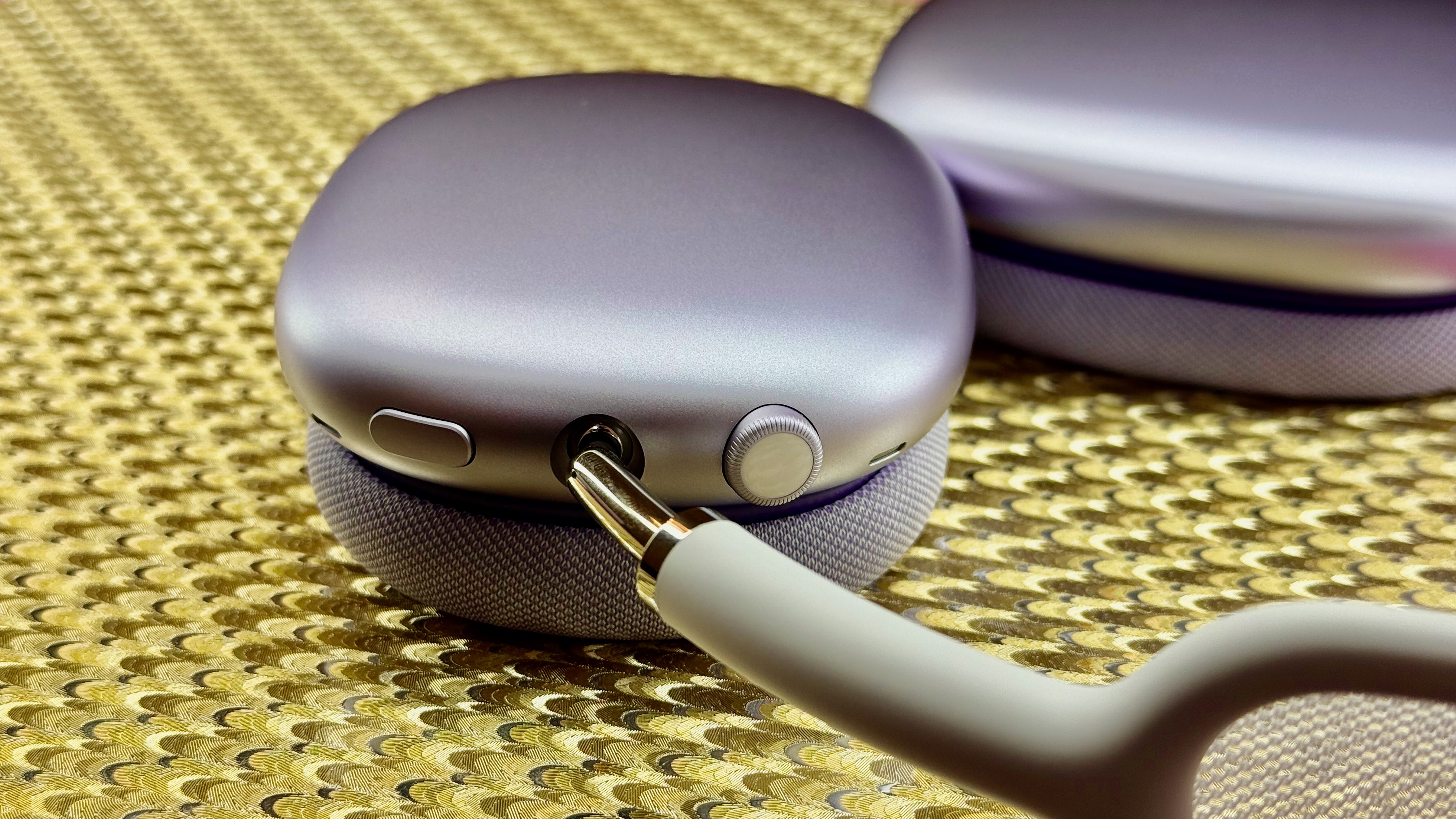
Photo: D. Griffin Jones/Cult of Mac
Apple’s AirPods Max, currently in its second generation (released April 2026), costs $549. Battery replacement through Apple’s out-of-warranty service costs around $79 and requires mailing the headphones to Apple — not exactly a lunch-hour errand. AirPods generally require sending in earbuds or the charging case for servicing, with no user-accessible repair path.
Beats, which Apple owns, faces the same critique. Beats Studio Pro, Beats Solo 4 on-ear cans and, for that matter, Powerbeats Pro 2 earbuds, all seal their batteries inside. In other words, they all follow Apple’s ecosystem-wide approach.
The argument for sealed designs traditionally ran through audio performance (no battery hatch means fewer seams and acoustic compromises) and water resistance. But Sennheiser Momentum 5 — a product with excellent ANC and Dolby Atmos support — uses a user-swappable 700mAh cell with no apparent penalty to audio quality. Marshall Stockwell III carries IP55 water and dust resistance while still offering a removable battery. JBL Xtreme 5 achieves IP68 waterproofing with a swappable pack. So it seems the old tradeoff argument is getting harder to sustain.
Apple has moved on repairability before when pushed. iPhone 14‘s modular rear glass made the battery far easier to access than earlier models. That shift followed sustained right-to-repair pressure and California legislation. And improvements continue with the likes of iPhone 16e.
Nothing stops the company from applying similar design thinking to AirPods Max and Beats headphones. Or to a future HomePod portable speaker, should one ever appear.
EU regulations arriving in February 2027 may accelerate that reckoning. If Apple wants to sell AirPods Max in Europe after that date, its engineers will need to solve the same puzzle that Sennheiser, Philips, Marshall, and JBL already cracked.
The bigger picture for Apple users
Powered by the H2 chip, AirPods Max 2 delivers improved high-fidelity audio with deep bass, expansive mids and crisp highs for an unparalleled listening experience.
Up to 1.5x more active noise cancellation than the previous generation, fully immersing you in every sound.
- Excellent audio quality and ANC
- Same exquisite design as before
- Advanced software features like Adaptive Audio and Live Translation
- Same horrible Smart Case as before
- Don't fold up for travel
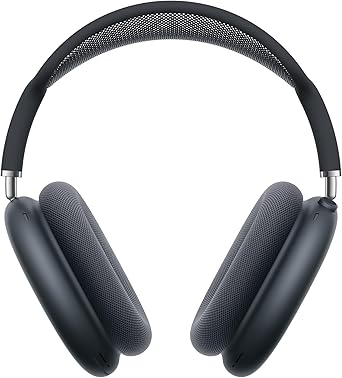
If you own AirPods Max and plan to keep them for five or six years, battery degradation will eventually make them significantly less useful. At that point, you pay $79-plus for Apple to service them, buy a replacement pair, or accept diminished performance. None of those options feel great when the headphones themselves — the drivers, the mesh cups, the Spatial Audio — still work perfectly.
The products above offer a different model: spend more upfront for premium hardware, then refresh the battery when needed for a fraction of the replacement cost. Sennheiser Momentum 5 at $399.99, with its user-swappable cell, may outlast a pair of $549 AirPods Max by years simply because of that one design decision.
That’s a compelling story, especially for Apple users who already invest heavily in hardware and expect it to last. The question is whether Apple will recognize a trend building among its most capable competitors — and decide to join it.

David Snow, an expert on Apple hardware and software, writes on a variety of technological and cultural topics for Cult of Mac. They include Apple news, technology buying guides, and features about computer setups and Apple TV shows and movies.
With 30 years of experience covering technology and other subjects, he has written and edited for numerous print and online publications, including CMP Media, TechTV.com, CNET, Wired News, Red Herring magazine, Law.com, The National Law Journal and Law Technology News magazine. Among other roles, he served as executive editor of the Law.com network of websites and editorial director, technology, for ALM Media.
Snow graduated with a B.A. from Syracuse University with majors in magazine journalism and psychology. While there, he worked as a reporter for The Daily Orange newspaper and associate editor of Equal Time magazine.
Founder of the blog At the Waterline, he can be reached on X (formerly Twitter) via @atthewaterline and on Mastodon via @dsnow.


2 responses to “Apple, please jump on the removable-battery bandwagon”
I think Apple put an end to the swappable battery desire years ago, and their current battery practice is informed by the E.U.’s research on battery usage, swapablity, and the environment. Most importantly, Apple cannot guarantee third party battery replacements because they’re dangerous, cannot be recycled, and terrible for the environment. In fact, Apple has a lot to say about their battery practice. The link is published below if you’re interested. In my opinion, I think users should stop being so cheap. Apple gear is a way of life. Upgrade, trade in, recycle. By the time your head phone batteries are worn out, it is likely the sound quality in your immortalized franked-device will be long gone. Your whining is lame.https://support.apple.com/content/dam/edam/applecare/images/en_US/otherassets/programs/Longevity_by_Design.pdf
I’d love to see a design similar to 8BitDo’s Pro 2 Duo controller. It uses a lithium-ion rechargeable battery that fits into a slot that can also take two AA batteries. This way you have the option to use a rechargeable battery or traditional AAs. It also allows for a quick battery swap if your lithium-ions are all dead.