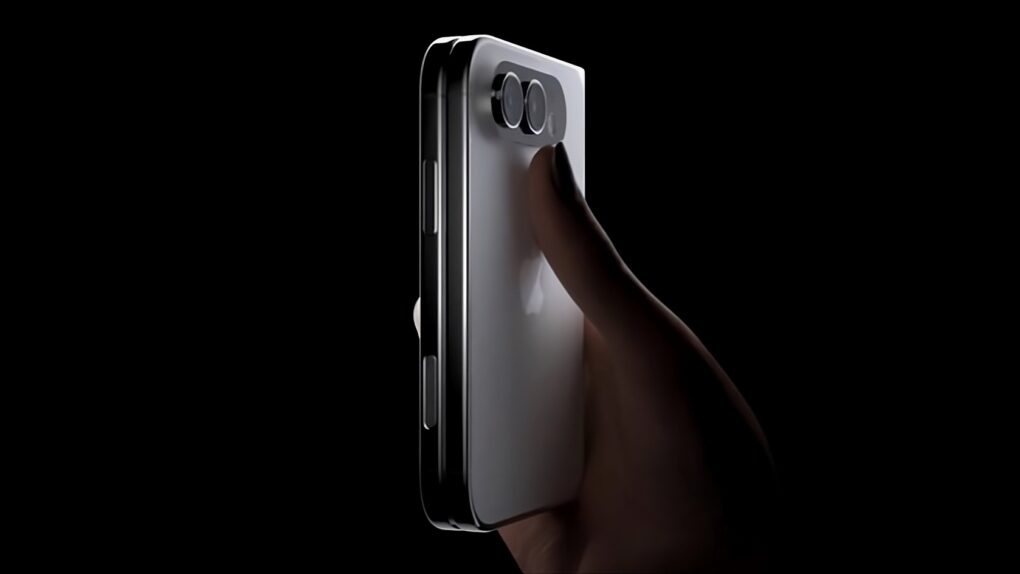
Apple fans eyeing the company’s rumored foldable iPhone may want to reconsider their purchase plans, according to a new analysis Tuesday. It finds foldable smartphones hemorrhage value at an alarming rate — losing 64.6% of their original price within just a year of ownership. The question is, can Apple avoid that fate that awaits so many Android foldables?
Why Apple foldable iPhone could plummet in value
The findings, from resale marketplace SellCell, paint a stark picture for anyone considering an early adoption of Apple’s anticipated foldable iPhone. It’s widely expected to launch in fall 2026 under the “iPhone Ultra” moniker with a projected $2,000 price tag. SellCell’s research shows that foldable owners surrender an average of $997.69 in the first year, compared to $605.32 for traditional smartphone buyers — a difference of $392.37.
Traditional iPhones retain value far better
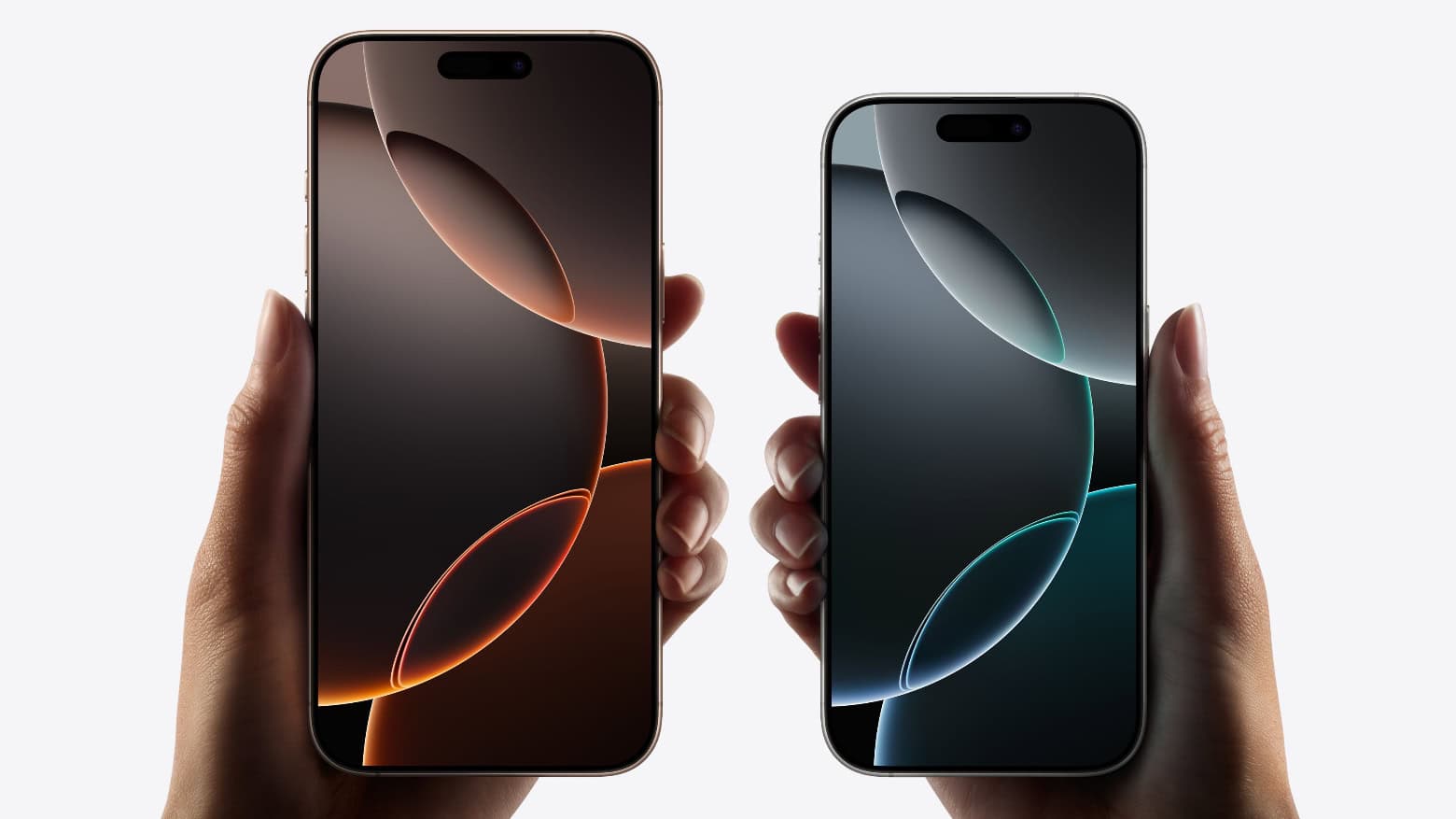
Photo: Apple
The contrast becomes even sharper when examining Apple’s current lineup. The iPhone 16 series maintains 51.5% of its value after one year, significantly outperforming the foldable category average of 35.4%. The 256GB iPhone 16 Pro Max performs even better, retaining 56.4% of its initial value.
SellCell’s analysis examined flagship smartphones from major manufacturers, tracking complete 12-month resale data against launch prices. The study used good-condition resale values as the benchmark, providing a realistic snapshot of what consumers actually recover when selling their devices.
What a $2,000 foldable iPhone might cost you
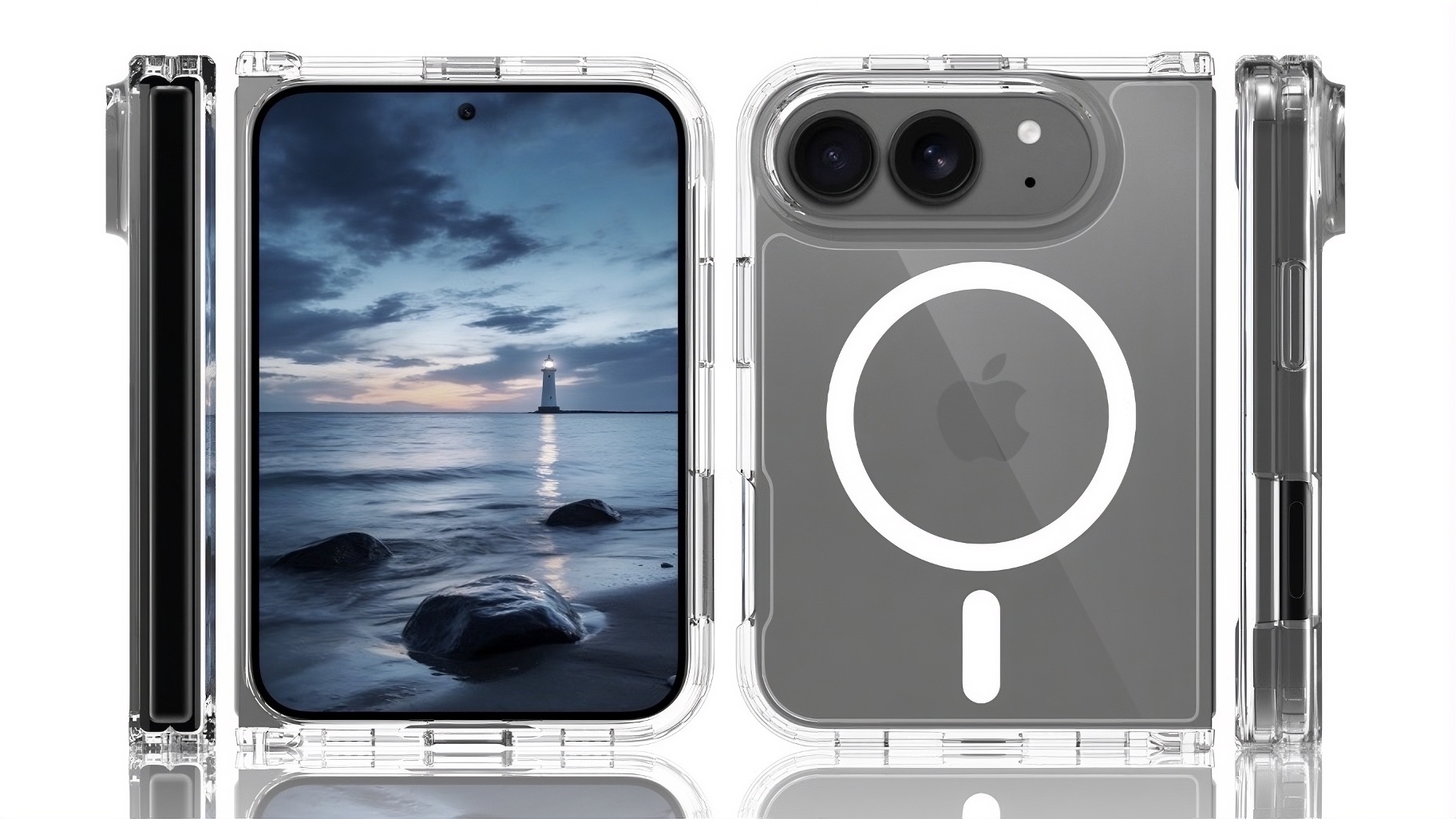
Image: iFun
Using the $2,000 price point, SellCell modeled two scenarios for Apple’s foldable device. If the iPhone Ultra follows typical foldable depreciation patterns, owners would watch their investment plummet to approximately $708 after one year — a staggering loss of $1,292. However, if Apple replicates the iPhone 16’s retention performance, the device might hold a value closer to $1,030, reducing the first-year hit to roughly $970.
The study identifies Samsung’s Galaxy Z Fold6 1TB as the single worst performer, shedding $1,479.99 in value during its first year. Meanwhile, nine of the 10 best-performing devices for value retention came from Apple’s iPhone lineup, according to SellCell’s findings.
Higher storage configurations compound the problem. Premium storage options command higher launch prices but don’t proportionally improve resale values. That means buyers who splurge on maximum storage capacity face even steeper percentage losses.
Apple’s track record offers hope
Despite the grim outlook for foldables generally, Apple’s historical performance suggests the company might buck industry trends. Cupertino consistently outperforms competitors in value retention. And that pattern could extend to its foldable entry if the company applies its typical quality standards and ecosystem integration.
Prospective buyers do have one safety net. Apple’s 14-day return policy allows customers to test the device risk-free. That potentially limits losses if the foldable experience disappoints.
iPhone Ultra remains unconfirmed by Apple, though analysts have reported development progress.

David Snow, an expert on Apple hardware and software, writes on a variety of technological and cultural topics for Cult of Mac. They include Apple news, technology buying guides, and features about computer setups and Apple TV shows and movies.
With 30 years of experience covering technology and other subjects, he has written and edited for numerous print and online publications, including CMP Media, TechTV.com, CNET, Wired News, Red Herring magazine, Law.com, The National Law Journal and Law Technology News magazine. Among other roles, he served as executive editor of the Law.com network of websites and editorial director, technology, for ALM Media.
Snow graduated with a B.A. from Syracuse University with majors in magazine journalism and psychology. While there, he worked as a reporter for The Daily Orange newspaper and associate editor of Equal Time magazine.
Founder of the blog At the Waterline, he can be reached on X (formerly Twitter) via @atthewaterline and on Mastodon via @dsnow.