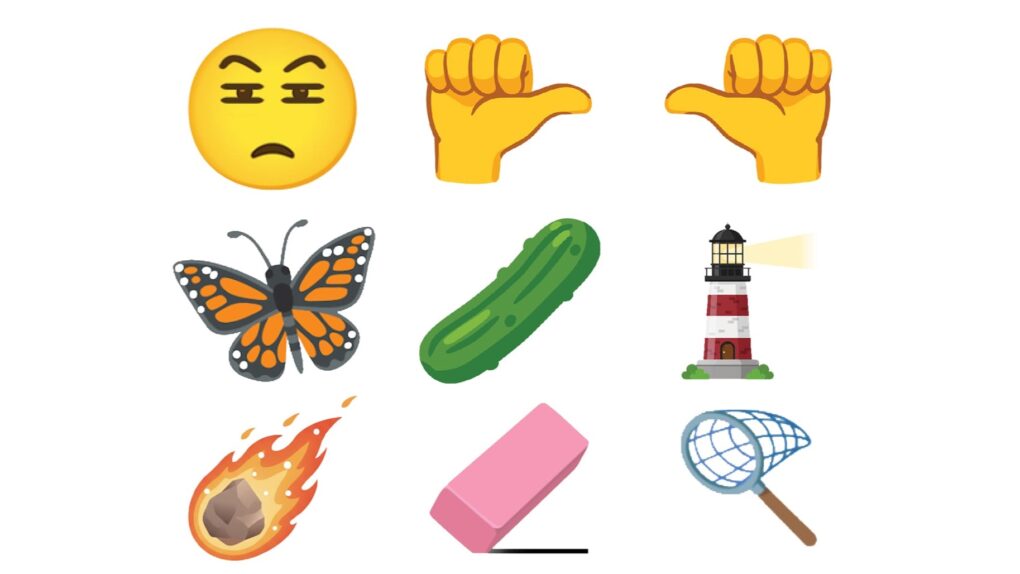
You can soon express your true feelings by sending someone a pickle. A pickle emoji, anyway. It’s one of nine proposed new emoji that will likely come to iPhone in late 2026.
It’ll be joined by a squinting face, a new butterfly, a lighthouse and more.
9 new emoji for 2026
People use emoji to help their messages feel more human when plain text lacks facial expressions, tone of voice and body language. A single emoji can quickly signal humor, sarcasm, affection or frustration, reducing the risk of misunderstandings. Of course, some emoji are just plain confusing.
There are already hundreds of emoji, but every year, the Unicode Emoji Standard & Research Working Group suggests additions to the list. The early proposal for 2026 includes the aforementioned pickle, though what feeling it’ll be used to express is perhaps best left unmentioned. There’s also a lighthouse for when the pickle emoji can’t handle the job.
Plus, the newly proposed emoji list includes a tired-looking face plus two variants of sideways thumb gestures, all of which might come in handy after a long day. A meteor emoji could be appropriate if the day went especially poorly. The error emoji is for when you wish you could undo the day’s mistakes.
The recommended new net emoji might be used to catch the monarch butterfly emoji.
A lengthy approval process
Emojipedia offers images for all the proposed additions in Emoji 18, but these aren’t the final ones. The Unicode Consortium will make its own reference designs for any new pictograms it approves. But even these won’t be the final versions. It will be up to Apple, Samsung, Microsoft and other companies to design the versions their software will use.
These companies can make their own emoji designs, but can’t dream up and introduce a new emoji on their own. These have to be approved by the Unicode Consortium.
The process of proposing and approving emoji is complex but necessary because devices don’t send pictures to each other — they send Unicode numbers. It’s up to each device to turn the number into a picture. So the sender and receiver must agree on what those Unicode numbers represent.
Once the Unicode Consortium makes the final decision, Apple will design its versions and then build them into future versions of iOS, macOS, etc. This could happen in fall 2026, but might take until early 2027.

Ed Hardy has been writing full-time about tech for 26 years, and using it for much longer than that. His intro to Apple was a Macintosh SE/30 (which he still has), but now he uses a 13-inch iPad Pro as his primary computer.
That’s because he’s a “tablet first” type of guy. Rather than use a Macbook, he connects a keyboard case to the iPad. And instead of a desktop Mac, he connects his tablet to a 27-inch display and full-size keyboard. (So don’t try to tell him that everyone has to use a Mac to be productive.)
Before coming to Cult of Mac, Ed wrote for NotebookReview, TabletPCReview and Brighthand, as well as other sites.