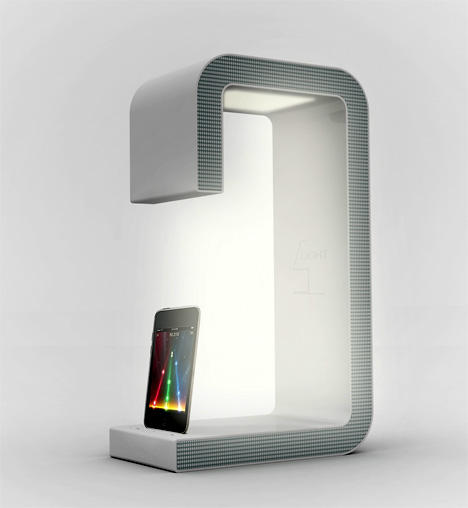
This prototype bedside lamp with an iPod dock and speaker has simple curve design, it’s exactly the kind of thing that is yes, useful, but that you could buy just for the looks.
Props to designer Sang-Hoon Lee, hope to give more details soon.
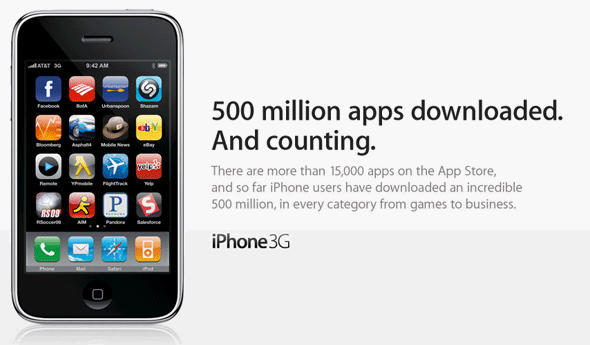
Proving itself to be The Little Engine That Could of an otherwise dismal economy, Apple’s iTunes AppStore has reached an inventory of over 15,000 applications (some of which do not exist to reproduce the sound of flatulence) and has entertained more than 500 million downloads since its debut six months ago.
It took just 5 weeks for the AppStore to deliver more than 200 million downloads, whereas it took 6 weeks to go from 200 million to 300 million. So, the volume of interest in applications for iPhone and iPod Touch is increasing impressively, although the most recent bump is likely a result of Apple’s mobile gadgets having been popular gifts this past holiday season.
Apple is preparing to open its first store in Philadelphia, designed by the same firm responsible for its Fifth Avenue retail location in New York City, according to a Friday report.
The Cupertino, Calif.-based company has signed a lease to move into a former restaurant situated to attract upscale shoppers and diners, reported the Macnn Website.
Although few details were provided, Apple would remake the Brasserie Perrier restaurant, using the Bohlin Cywinski Jackson architectural firm. The architects lead construction of many key Apple Stores in the U.S. and Great Britain.
There will be 11 hour-long sessions during the weekend, aimed at intermediate or advanced developers – not much at all for beginners. The session list looks very interesting. As Fraser puts it: “You really, really want to be at this one if you’re a Mac Developer.”
Apple CEO Steve Jobs, who underwent pancreatic cancer surgery in 2004, may be headed back to the operating room to remove his pancreas, a doctor Thursday told financial publication Bloomberg.
Wednesday’s announcement that Jobs would leave for a six-month medical absence could indicate complications from the earlier surgery that removed portions of the pancreas, bile duct and small intestine, said Robert Thomas, head of surgery at Melbourne’s Peter MacCallum Cancer Centre.
Although Thomas isn’t intimately familiar with the health condition of the Apple founder, the medical expert told Bloomberg that a “pancreatic leak” could require the pancreas to be removed and insulin to keep the Silicon Valley icon alive.
A couple of the larger media egos on the Apple beat got into a public spat on CNBC Wednesday, in the wake of Steve Jobs’ sudden decision to step aside from day-to-day operations in Cupertino.
Newsweek columnist Dan Lyons, who outed himself as the man behind the formerly wildly popular blog Fake Steve Jobs told CNBC’s Silicon Valley bureau chief, Jim Goldman, he’d been “played” and “punked” by his sources at Apple.
Goldman had previously reported, in the wake of Jobs’ decision to forgo the keynote address at Macworld 2009, that his sources had assured him the Apple CEO was fine and healthy and that the company’s decisions around Macworld had more to do with its long-term market strategy, and had not been guided by any concerns about Jobs’ health.
The clip is a bit of Kabuki theater that reminds one of nothing so much as children squabbling over a dying parent. It devolves, as so many of these things do, into a tempest of shouting and mewling. The conversation’s moderator sums it up nicely at the end, saying, “nobody can hear anything you guys are saying because you’re talking all over one another, and we’re out of time.”
Apple has dropped “Mac” from the name of its operating system, filing new trademark applications referring to just “OS X.” The move could be just the latest effort to rebrand the overall company.
The new trademark applications were filed in Trinidad and Tobago following the June 2008 Worldwide Developers Conference where Apple banners announced “OS X Leopard.”
The move may have been made to distinguish the company’s OS X Leopard computer operating system and the OS X used by Apple’s iPhone, according to Apple Insider.
Apple CEO Steve Jobs was forced to take a six-month medical leave following an ailment “preventing his body from absorbing food,” the New York Times reported online Wednesday.
The report, citing medical experts with knowledge of Jobs’ health, told the newspaper the founder of the Cupertino, Calif.-based company was not leaving due to a reappearance of pancreatic cancer which sidelined the Jobs in 2004.
Medical experts also told the executive to reduce stress, a factor that could inflame the illness, according to the Times.
Despite concern over what the six-month absence of Steve Jobs will mean for Apple, “sales will be unaffected,” Piper Jaffray analyst Gene Munster said Wednesday.
Munster, known for his bullish outlook on Apple, told clients interim CEO Tim Cook will lead the company without a hiccup in product development.
Although Cook took temporary reins of Apple in 2004 when Jobs underwent cancer surgery, that episode lasted only one month, a fraction of the six-month absence Jobs’ announced Wednesday.
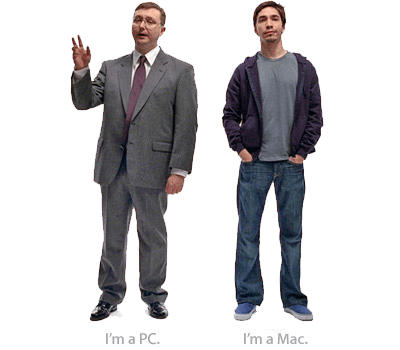
U.S. News & World Report named the “Get A Mac” campaign one of the best marketing jobs in recent times, putting it up there 13 killer campaigns including “What happens in Vegas Stays in Vegas” and “Will it Blend?”
Here’s why:
Apple’s “Get a Mac” campaign, which launched in 2006, puts the hip, easygoing Mac against the hapless, problem-prone PC. “The message of these ads is clear,” says communications professor Stephen Marshall, author of Television Advertising That Works.
“Every one of them says, ‘Don’t be this guy.’ You don’t want to be the PC.” The TV ads also appeared online, and the company released a series of web-only ads to capitalize on consumer interest in the characters. People got the message–Mac’s market share grew by 42 percent.
Lesson: Create engaging characters in your online video to help grow an audience that’s receptive to your brand.
Interesting to see some praise outside the community, since the campaign has won several awards but hasn’t always been loved by ad critics.
RBC Capital Markets Thursday downgraded Apple to ‘underperform,’ also slashing the stock’s target price to $70 from $125.
The analyst firm also told clients the percent of people who say they expect to buy a Mac or iPhone over the next three months slipped in January.
Just 28 percent of people responding to a January RBC/Changewave survey reported they would buy a Mac laptop, down from 33 percent in Nov. Likewise, 30 percent of people said they intend to purchase an iPhone, when asked in December, slipping from 34 percent in September.
Apple products are a natural for high falutin’ teen drama “Gossip Girl,” where just about everything the upper East Siders use has a recognizable brand name.
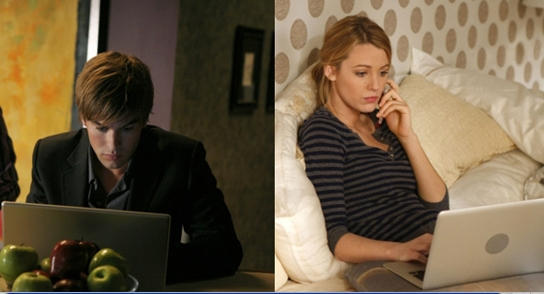
Gossip Girl, however, is sponsored by Verizon. To keep them happy, producers artfully block the Apple logos from getting into shots, but as a result Apple’s presence is almost more consipicous than it would be otherwise. The shot on the left reminds me of the trick directors use to hide pregnant actesses by placing plants and furniture to hit just mid-tummy.
A nice slide show non-Apple Apple product placement on Gossip Girl at Geek Sugar settles an ongoing argument I’ve been having with a friend over whether Dan’s laptop is a Mac or not…
Funnyman Jim Carrey keeps his love alive with wife, former playmate and comedian Jenny McCarthy, by dancing for her on iChat.
McCarthy tells OK magazine (with much enthusiasm!) that she and her Yes Man text and use iChat to keep in touch while he’s on the set.
Jenny says she and Jim also use a web cam from time to time.
“I haven’t done any dancing, but I make him do that!” she says. “It’s nice! With the iChat, we’re always afraid that there’s a third party watching! We’re a little bit careful, but it’s a great way to have that face connection!”
She also confesses that between the two of them there’s not much ha ha-ing around the house. Somehow I find that hard to believe, especially if he’s shaking his groove thing for her regularly.
So here’s another fantasy Mac design from Sait Alanyli, the guy who did the [L-shaped Mac mini](https://cultofmac.com/l-shaped-mac-mini-might-be-shape-of-things-to-come/5523) concept that we featured here back in December.
This is the Mac Tower, and I have to confess there are some things about it that I find rather appealing. The ideas of a pop-up casing and a pop-up remote are very cute, and the thought of putting a battery inside with enough juice to power a Time Machine backup in case of sudden mains power loss is, well, one of those things you wonder no-one has done before.
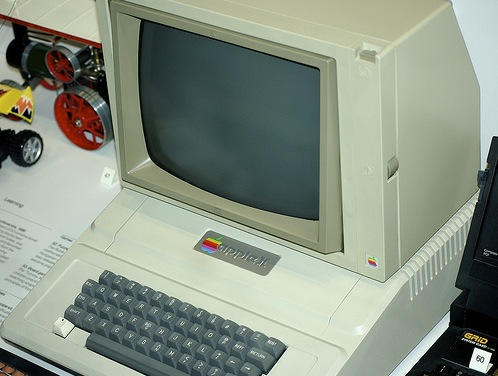
Now, I know what you’re thinking: There’s an Apple II conference? And they do it *every year*?
Yup. There is. And they do. And they have been for the last 19 years. They call it KansasFest.
Come this July (21st – 26th), it will be 20 years, and the organizers are celebrating the anniversary with some special speakers and, they hope, lots and lots and LOTS of Apple IIs and associated stuff.
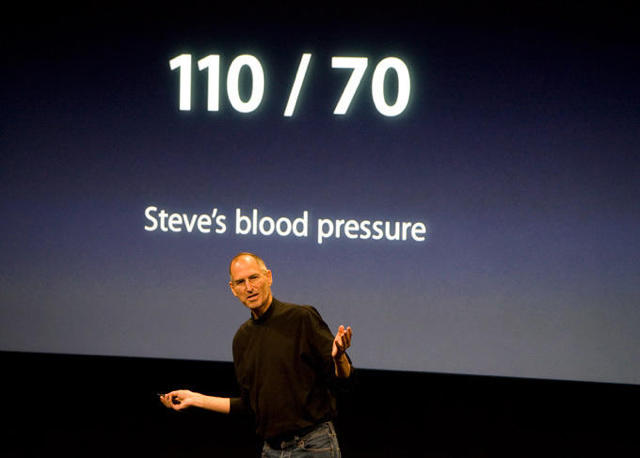
Steve Jobs' health is a topic of concern for the Apple community -- and for Wall Street. Photo: Apple
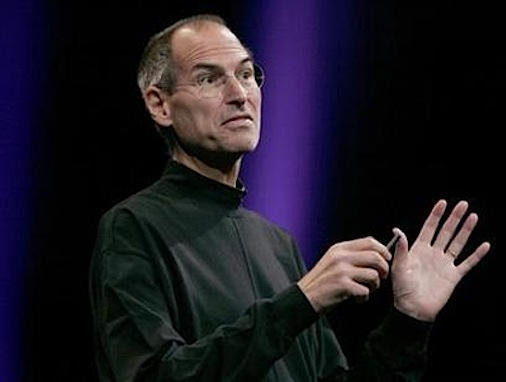
Apple CEO Steve Jobs announced he will take a medical leave of absence until June in an email letter sent Wednesday to all Apple employees.
Citing continued distractions stemming from curiosity over his personal health that have affected him, his family and “everyone else at Apple,” Jobs admitted his health issues are “more complex than [he] originally thought” and has asked Tim Cook, Apple’s Chief Operating Officer, to be responsible for Apple’s day to day operations until Jobs’ intended return to the company in June.
Jobs said that he plans to remain involved in major strategic decisions while he is away and said the company’s board of directors fully supports this plan.
A handful of Web browsers for the iPhone have silently appeared at the App Store, a seeming reversal of Apple’s policy to block sales of applications that competed with the cell phone’s built-in Safari.
The four applications — Edge Browser, Webmate, Incognito and Shaking Web — employ Apple’s Webkit framework, the software used to build Safari.
Apple’s apparent thaw in its refusal to add some applications to the App Store doesn’t seem to extend to heavy-weight Safari rivals Firefox and Opera. Cupertino maintains projects relying on non-Apple software development techniques,cannot be sold via the App Store.
Harvard’s Nieman Journalism Lab has an interesting series on changing journalism, both in terms of what the digital backpack journalist uses and how they use it.
NBC news journalist Mara Schiavocampo opened up her 30-pound reporter’s backpack (a custom job with wheels) for them in a two-part interview about her work.
In addition to the newsroom standard issue Sony HVR-V1U HDV camcorder and a bunch of other expensive stuff, she uses an Apple MacBook Pro (in the image above), edits with Final Cut Pro and totes an extra MacBook battery for staying power.
Apple has begun approving the first wave of browser products to compete with Mobile Safari on the iPhone and iPod Touch, signaling the company may not be the great curmudgeon of handheld computing after all.
The apparent shift in Apple’s previous policy of denying AppStore certification to software products that “duplicate the functionality” of its own applications that ship with the devices, a handful of browser apps have begun showing up in recent days on the iTunes store.
Incognito, from developer Dan Park, promises completely anonymous browsing, with all history cleared simply by closing the application.
Edge Browser is a free app that opens up valuable screen real estate, but forces the address and navigation tools into the Settings menu, which doesn’t seem too promising a design feature to me.
WebMate is a 99¢ solution to tabbed browsing on the iPhone, that works by queuing up all the links you click on, then allowing you to view them one by one when you’re ready.
Could Apple be readying a 4GB iPhone during the first quarter?
An analyst Wednesday told clients he expects a new 4GB iPhone during the first quarter, pushing sales of the popular handset to 7 million units beyond the 6.9 million iPhone 3Gs sold in 2008.
“Checks indicate a new 4GB iPhone which may be helping to increase build rates,” UBS analyst Maynard Um advised. Taiwan-based chipmakers may be preparing parts for a new iPhone, a newspaper reported Tuesday.
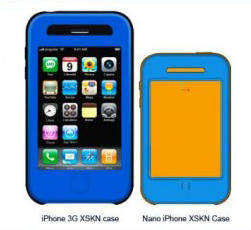
Unconfirmed speculation of an iPhone nano priced below the $199 8GB iPhone has swirled for some time.
JPMorgan analyst Mark Moskowitz became the latest on Wall Street to trim expectations for Apple during the fiscal year. Moskowitz Wednesday lowered slightly his guidance for Apple shares to $102 from $104.
Earlier this week, Citi’s Richard Gardner reduced his target price for Apple stock to $132 from $153, citing the need to “reflect a more conservative view of consumer spending.”
Moskowitz, however, told clients Apple’s value is “holding up better than feared” despite lower demand for PCs and other high tech gadgets.