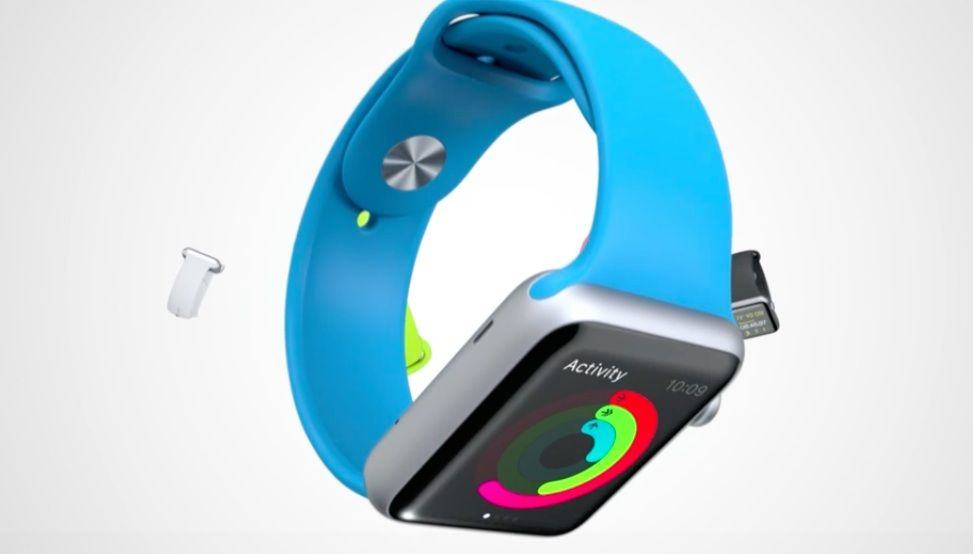
With high development costs and uncertain prospects, now is a risky time to build Apple Watch apps. But like many other indie developers, I’m working on one anyway.
The Apple Watch gold rush is about more than money.
With high development costs and uncertain prospects, now is a risky time to build Apple Watch apps. But like many other indie developers, I’m working on one anyway.
The Apple Watch gold rush is about more than money.
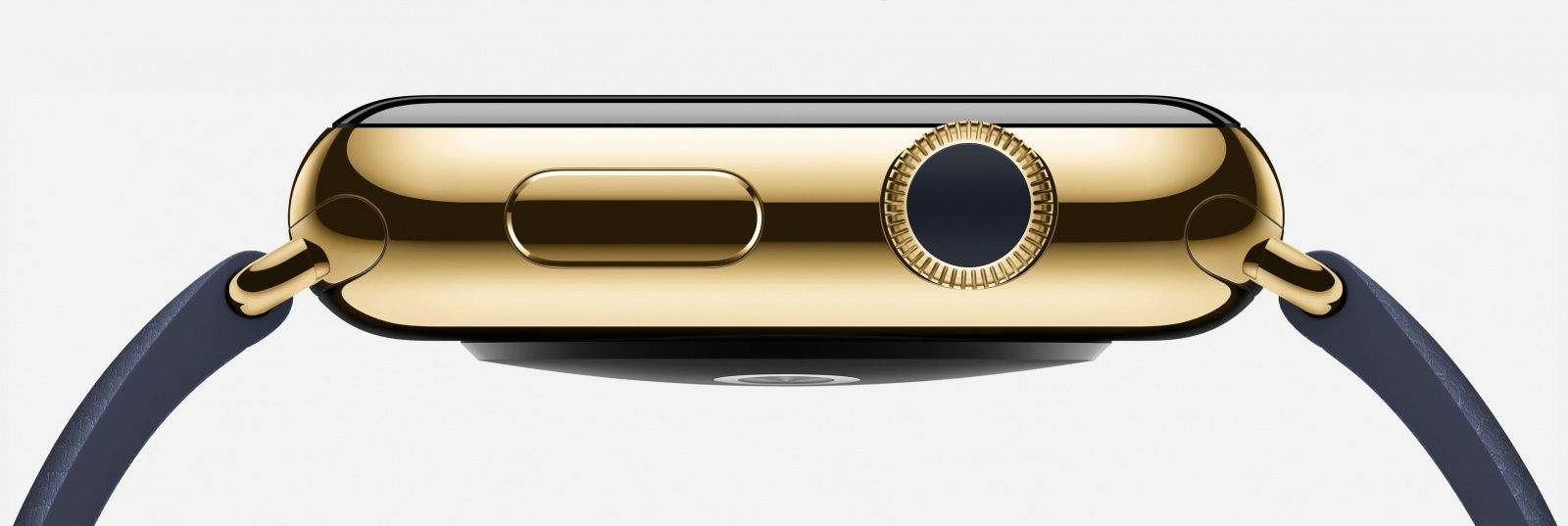
Apple Watch is entering the race to become the leader in wearable tech. And dedicated fitness trackers like the Nike+ FuelBand, Fitbit and Jawbone Up may struggle to keep up with Cupertino’s pace.
Few people remember the MP3 players that iPod left in its wake. Smartphones overtaken by iPhone shared a similar dismal fate. Could fitness wearables be next on the endangered list?
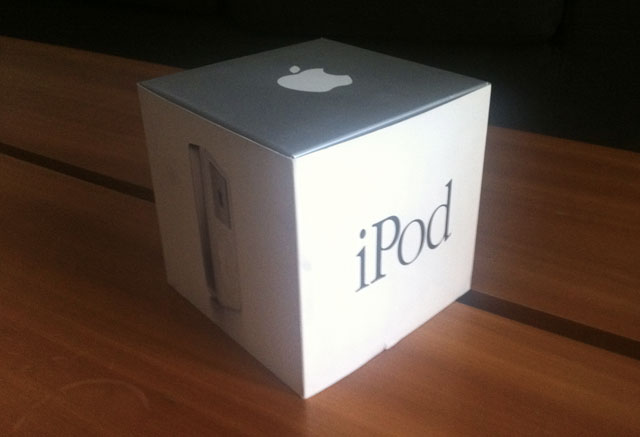
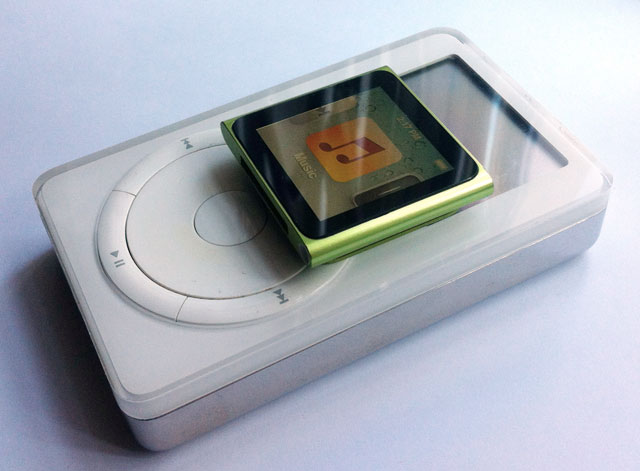
When the original iPod launched, it was a very different beast to the svelte little beauties we know today. They were large, they only worked with Macs and they synced via bulky Firewire cables. Nonetheless, they were the best music players around at the time, and they made you feel proud to be an Apple fan-boy and to own a Mac.
Back then, the web unboxing meme hadn’t taken off, and yet all the love, care and attention that Apple puts into their packaging was already present. So I thought it would be a fitting tribute to unbox an original iPod as if it was the latest toy to be “Designed in Cupertino, CA.” Enjoy…


The days of the stand-alone music player may be over, but the iPod’s role as the preeminent fitness gadget could keep the product relevant for the next decade to come.
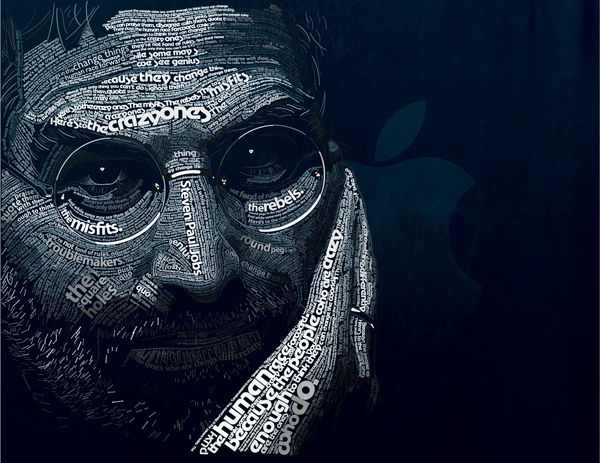
In Steve Jobs’ famous Stanford commencement address, he argued that in work, as in all aspects of life, “you’ve got to find what you love”. He went on to explain that he found what he loved early in life when he started Apple. His passion for what he does has been evident ever since.
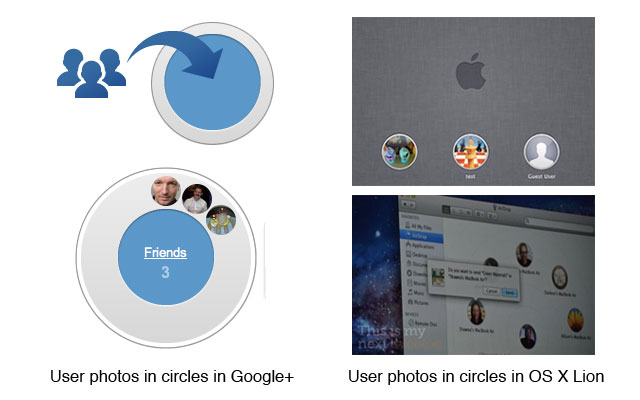
Have you noticed how Apple and Google have been going round in circles recently? Both OS X Lion and Google’s new Facebook challenger, Google+, sport circular frames around their user photos.
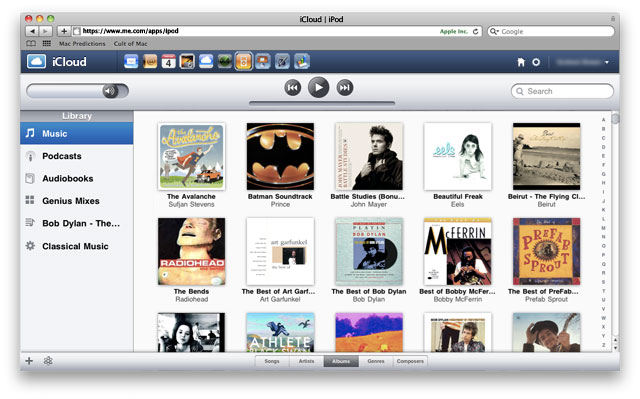
In an unprecedented move, last Tuesday Apple outlined what they would be announcing at next week’s WWDC keynote. This, in combination with plenty of plausible rumors floating round the blogosphere, leaves little left to speculate about. But I’m going to have a go anyway. I think the main theme for iOS5 will be independence from iTunes and the Mac/PC, and the big surprise for iCloud will be Facebook-style apps.
Read on after the break.
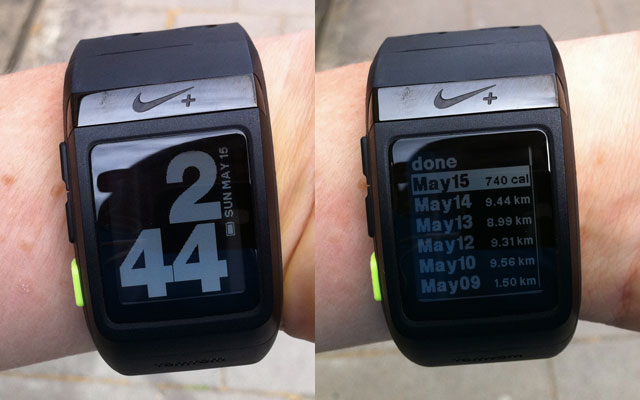
The new SportWatch GPS offers Nike+ functionality without the need for an iPod or iPhone. There’s lots to like about Nike’s latest toy, but early teething trouble combined with poor GPS accuracy are currently letting it down.
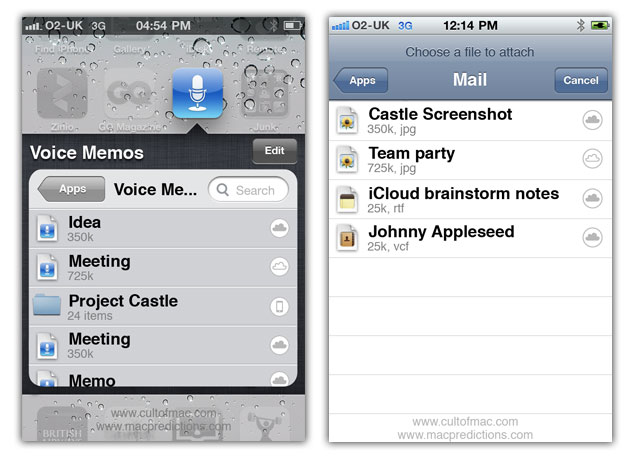
WWDC next month is likely to provide our first sneak preview of the fifth major release of the iPhone and iPad operating system: iOS 5. But with so many enhancements and additions over the years since its launch in 2007, what could Apple possibly add next? This week’s iCloud revelations suggest it might be file management.
When the clocks go forwards or back, people from New Zealand to New York miss their appointments because their iPhone alarm does not go off on time. Every time I complete a 10km run using my iPod nano, TIger Woods congratulates me on having completed another 500km. And as you read this, thousands of backups are failing because Time Machines are freezing in time.
What do these seemingly disparate events having in common? They’re all presumably the handiwork of Apple’s “B-team”.
Every so often, a new Apple product comes along with a breakthrough form factor that Jonathan Ive’s design team will riff on for years to come. As a result, there are many recurring motifs that provide clues to where Apple’s industrial design is heading.
For people like me, and the other 28 million living with cancer, people like Steve Jobs are incredible role models. When I was undergoing chemotherapy three years ago, I was often tempted to think “why me?” But then I asked myself, “Why Steve Jobs? Why Lance Armstrong?” And I reflected on the remarkable things that they went on to achieve after their treatment. Their inspirational example helped me more than I can say.
Steve Jobs chooses not to talk about his cancer. He prefers to focus on his work. We should respect his choice.
This week, Bloomberg, The Wall Street Journal and TechCrunch all published rumors that Apple plans to compete in the mid-ranged smartphone sector, with the launch of a smaller, more affordable iPhone, to be sold alongside the iPhone 4. At Cult of Mac, we predicted as much six weeks ago.
Of course, rumors of a smaller, cheaper iPhone are nothing new. They’ve been around for almost as long as the iPhone itself. And with good reason. Any seasoned Apple watcher will recognize this as Steve Jobs’ standard MO. Launch an iconic, up-market product, allow the market for it to grow and mature, and when the underlying technology becomes cheap enough, introduce a smaller, more affordable mass market version.
It is a popularly held belief that one day Mac OS X and iOS are destined to merge into one OS to rule them all. When Apple announced last October that Lion, the next major update of Mac OS X would feature some of the best ideas from iOS, it only added to the convergence speculation.
But are Apple’s two operating systems really destined to converge? After all, they both seem to be doing very well by themselves. The Mac may benefit from some iOS features, but it’s hardly struggling on its own. Mac sales are stronger than ever. So what exactly would the advantages be?
Last October, Steve Jobs gave us a sneak peek at the next major update to Mac OS X, codenamed “Lion.” The theme for this update is bringing the best iPhone and iPad features “back to the Mac.” Features such as the Mac App Store, a home screen for apps, and a new full screen mode. But this sneak peak only scratched the surface of the possibilities for Lion. Here’s my top 10 wish list. If you’ve got any better ideas, let’s hear them in the comments at the bottom of the page.
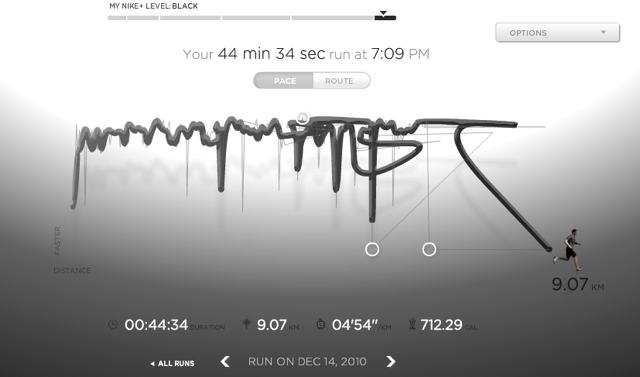
Nike released another major update to their Nike+ GPS iPhone app last week. The app uses technology from MotionX, rather than the shoe sensor that Nike jointly developed with Apple. At CES, Nike launched the Nike+ SportWatch GPS in partnership with TomTom. Apple is notably absent from these recent announcements, and it seems the elegant simplicity of Nike+ is suffering as a result.
Here’s why…
Most tech companies go out of their way to publish product roadmaps, so their customers know what’s coming next. But Apple is not most tech companies. Ask anyone from Steve Jobs to the guy at your local Apple Store, and you’ll hear the same refrain, “we don’t comment on unannounced products.”
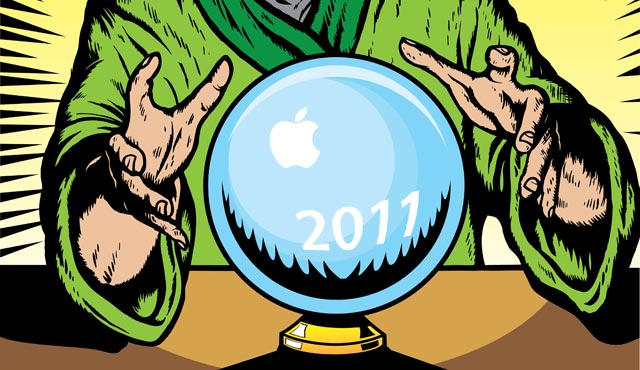
It’s this dearth of hard facts on what’s coming next from Cupertino that makes speculation so irresistible. And with the new year now upon us, it’s the perfect time to ponder what Apple may have in store for us in 2011.
Blogger Deon Devine, from Houston, Texas, has sent Cult of Mac some very interesting predictions.
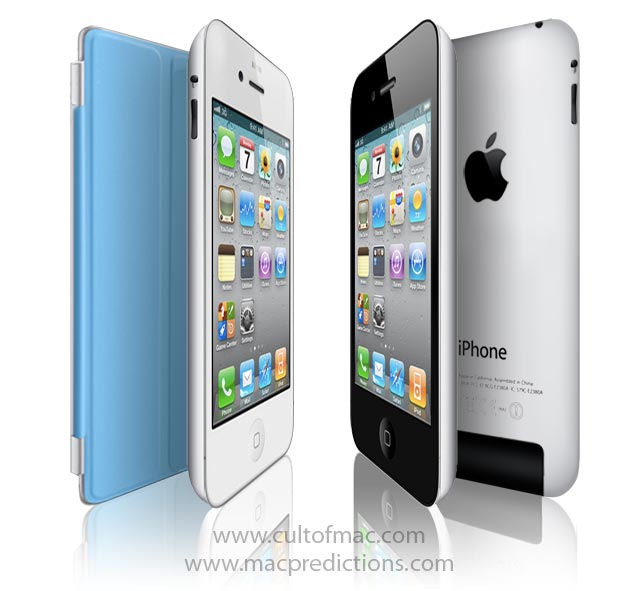
Just six months have passed since the iPhone 4 launch, so it may seems a little premature to be speculating about its successor. But given the long lead times involved, you can bet that Steve Jobs’ A-team is already hard at it, toiling away in a maximum security lab, under his close personal supervision.
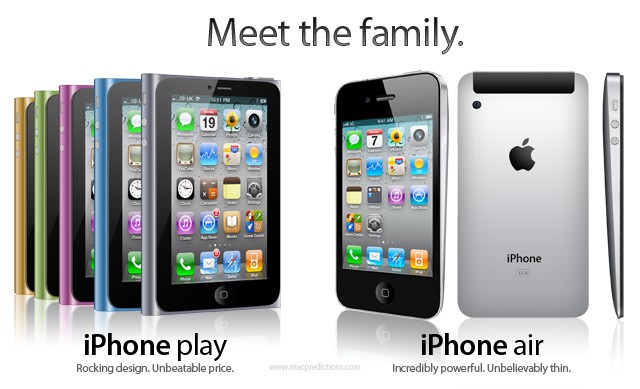
But where next for the iPhone? What can you add to the smartphone that has everything? With the growing competitive threat from Android, I think that Apple’s roadmap for iPhone in 2011 will switch from adding new features to product diversification, targeting multiple consumer segments and price points.
Instead of the iPhone 5, Apple will launch the iPhone Play and the iPhone Air. Here’s why…
Apple gave us plenty to play with in 2010: most notably the iPad, the iPhone 4 and the new MacBook Air. But get ready, because in 2011, Apple will switch from giving to taking.
In his ongoing pursuit of Zen-like simplicity, Steve Jobs looks set to take away two key features of the Mac platform in 2011: optical drives and scroll bars. The impact is likely to be eye-watering for diehard Mac users, but we’ll probably come to see the wisdom of Jobs, eventually.