If you’ve been hunting for a flawless solution to mirror your gameplay, videos, photos, presentations, and so much more right to your Mac then the application Cult of Mac Deals is currently offering will bring value to your life.
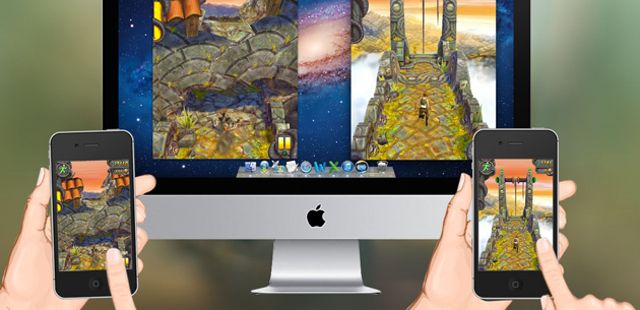
With X-Mirage you can wirelessly mirror your iOS device’s display to your Mac to take advantage of the big screen, and record everything onscreen with one click. This is a simple solution for showing off your iOS devices on a bigger screen. And the price is one that simply can’t beat – just $8.99 for a limited time.
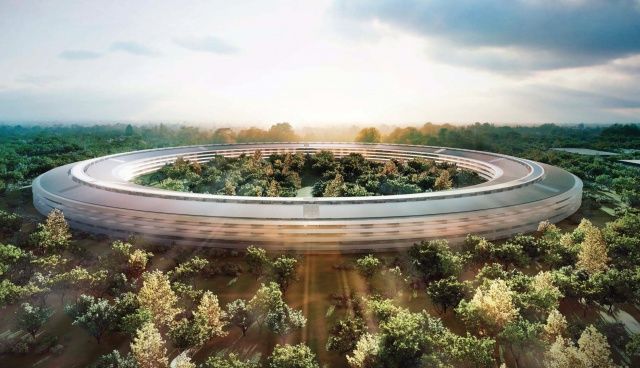
Sustainability is a key theme of Apple's forthcoming Apple 2 campus. Photo: Apple
Did you know that the new Apple Campus 2 “spaceship” is wider across than the Empire State Building is tall? It’s going to cost 60 times more than the Pentagon did back in 1943, too. Heck, you’ll be able to cram up to 35 jetliners full of passengers in its rounded confines without breaking a sweat.
We thought it would be great, then, to take a look at some of the details of the new campus, set to finish construction in 2016.
It’s big. Like, Pentagon big.
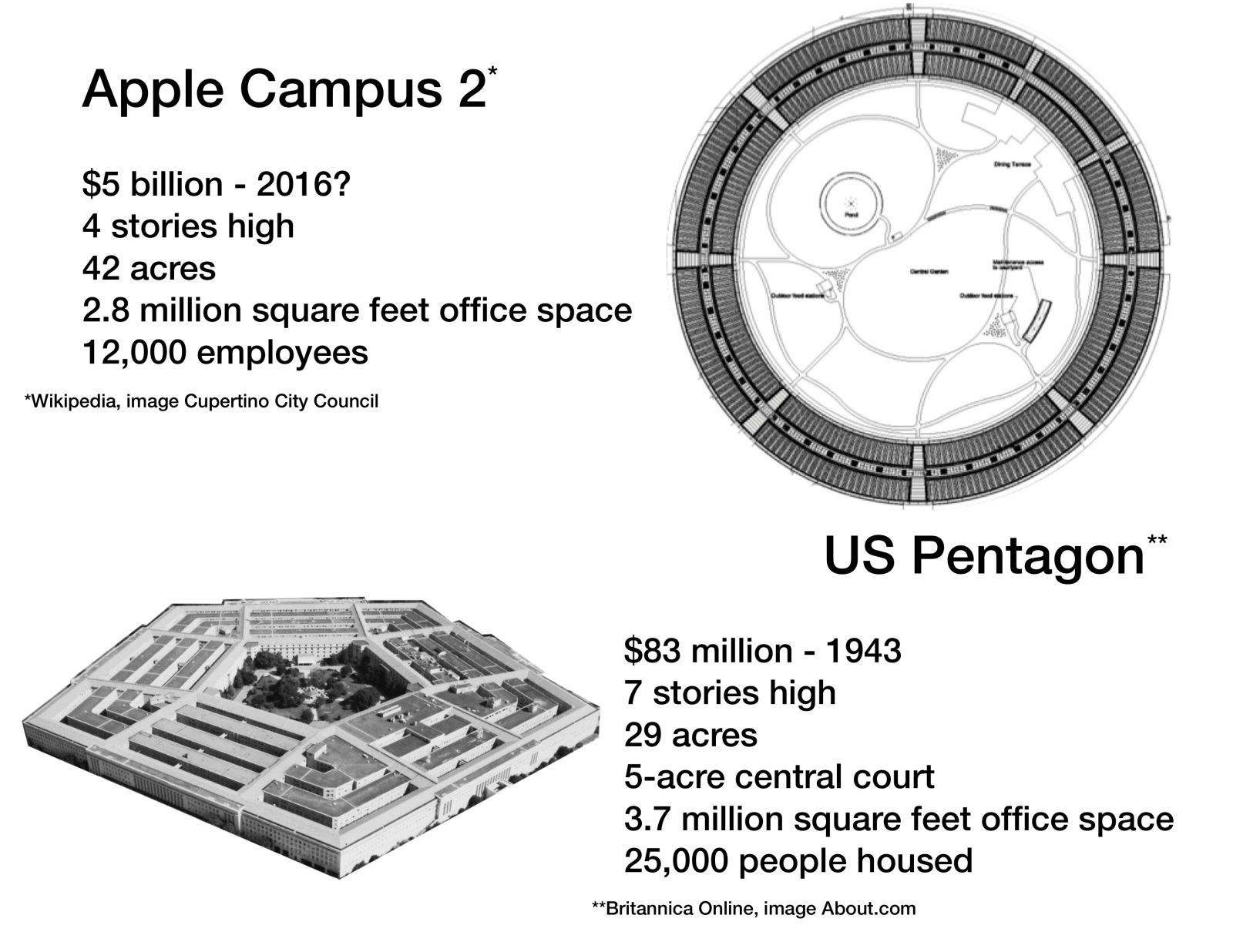
The proposed Apple Campus 2 is huge. Apple plans to put a 100,000-square-foot fitness center, 11,000 parking spaces, 2,000 bike parking spaces, 2.8 million square feet of office space, and a 100,000-square-foot lab. Oh, and a restaurant. All of this in four stories, housing 12,000 employees.
The Pentagon, in contrast, which itself was completed in 1943, has 3.7 million square feet of office space, is seven floors tall, and houses 25,000 people.
A lot of krill, and a lot of oil, really.
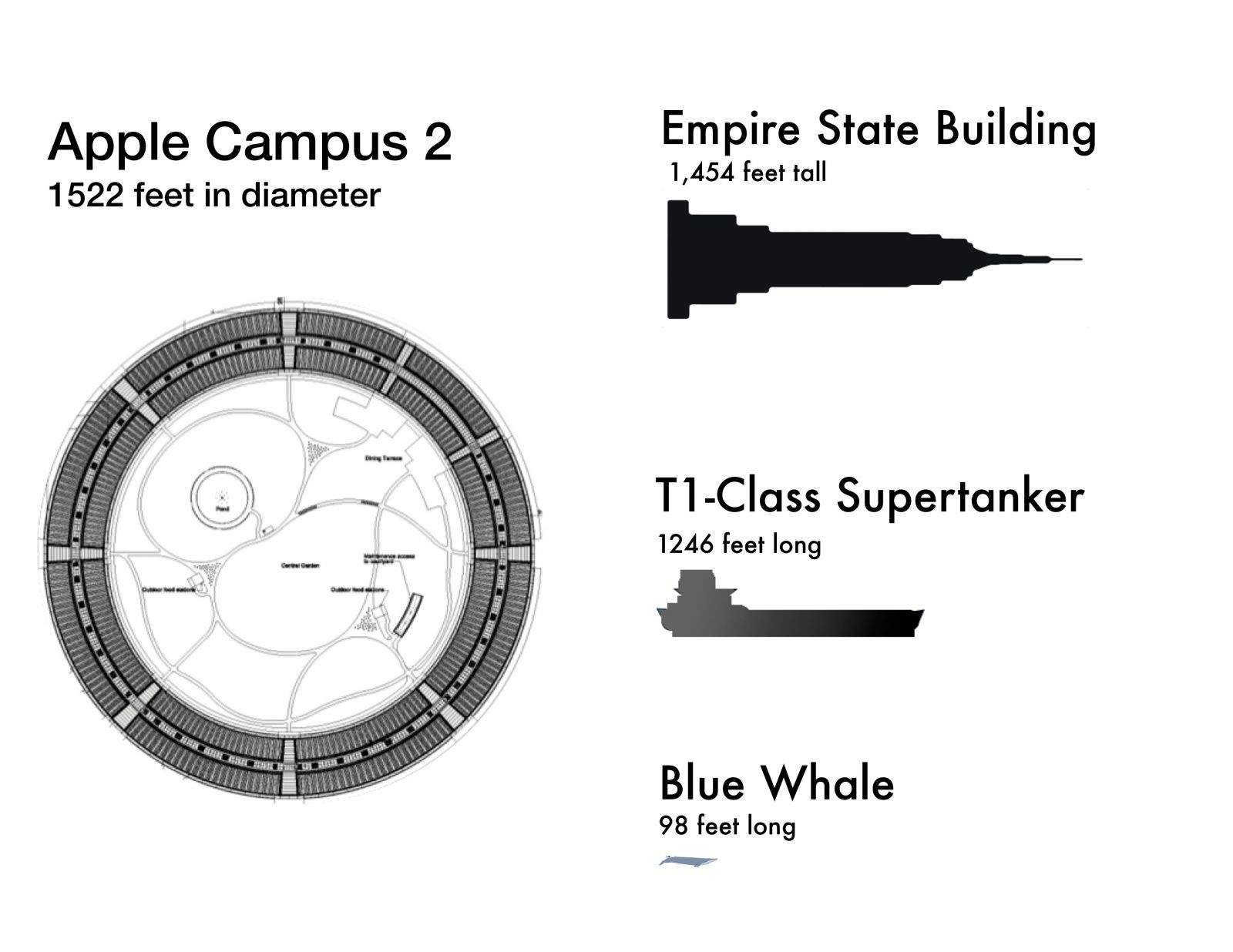
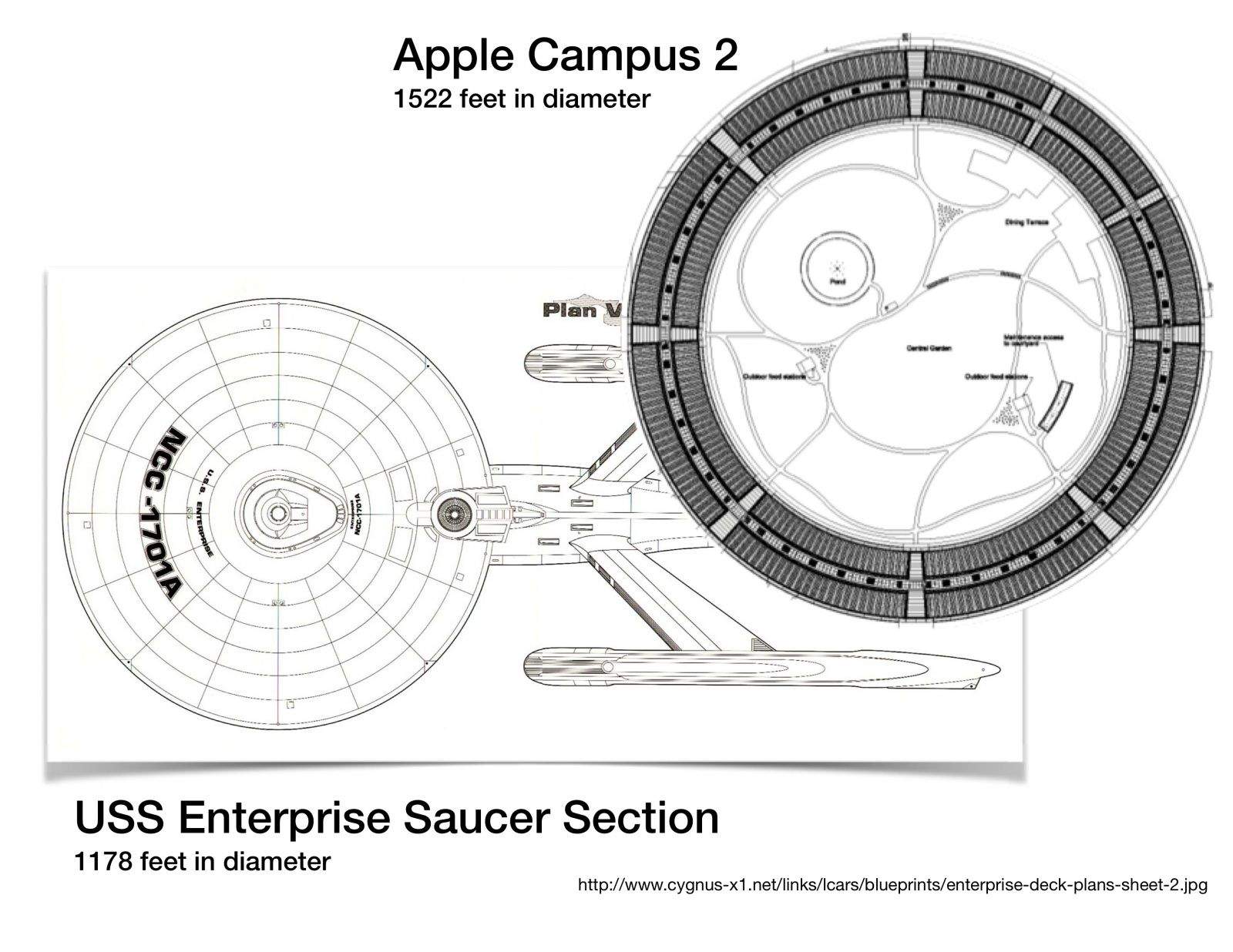
The Apple Campus 2 will have a 1,522 foot diameter, which means the Empire State Building could comfortably lie down somewhere inside its massive circular footprint. Heck, a T1-class Supertanker could fit in there, as well, with its 1,246 foot length, and you’d have to get somewhere around seven or eight blue whales–the largest known mammal on Earth–just to get across half of the diameter of the new Apple Campus. That’s a lot of krill.
I’d pick sunny California, too.
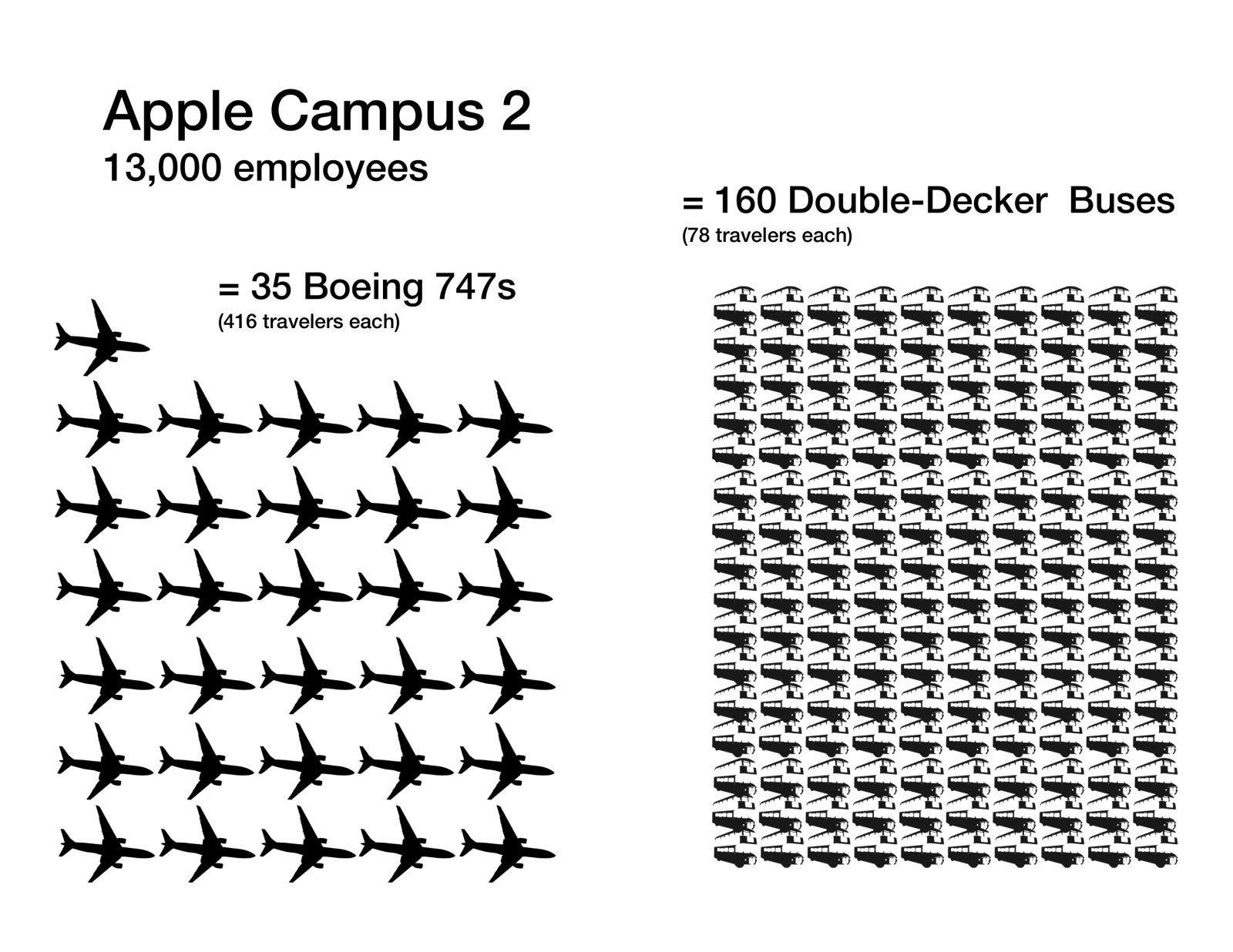
The spaceship campus has plans to hold 12,000 employees within it’s solar-panel-using, green technology hallowed halls, which would fill something like 160 double-decker buses, or 35 Boeing 747 jets. The Apple folks will have it easier, as they’ll at least be able to get nice food there, and a much less foggy view in Cupertino than in London.
Beam me up, Ivey.
Of course, no look at anything tech-related is complete without a comparison to a fictional starship, and since we’ve been calling this the spaceship campus since Steve Jobs unveiled the design two years ago, it seemed fitting to see how it stacks up against the USS Enterprise. Unfortunately for trekkies, the new Apple Campus 2 has a diameter quite a bit larger than the original Gene Roddenberry creation.
Nice salaries, folks.
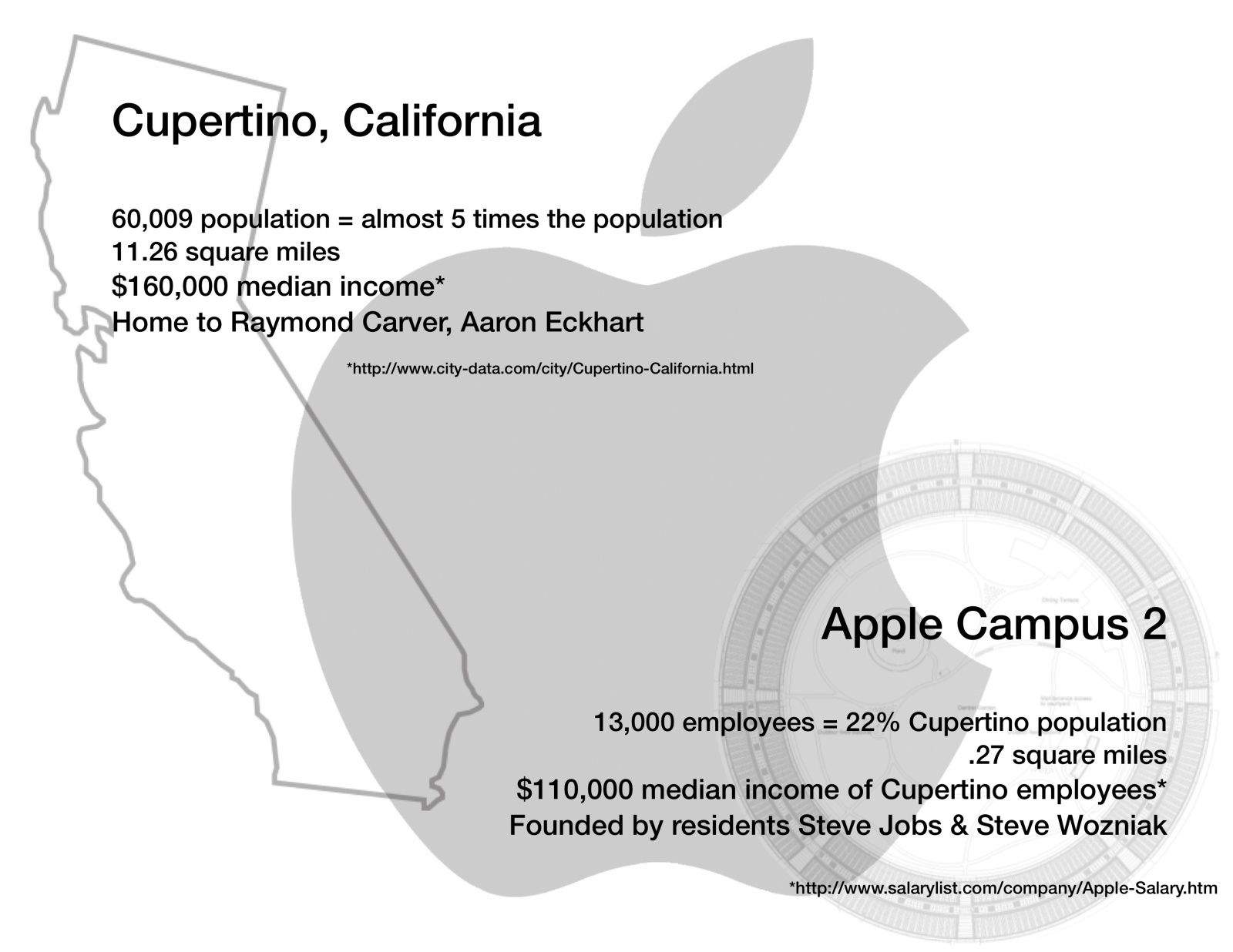
The city of Cupertino itself, home not only to Apple founders Woz and Jobs but also author Raymond Carver and actor Aaron Eckhart, only has around five times the population as will work in the Apple Campus 2. Interestingly, the median income of Cupertino-based Apple employees is a bit lower than that of Cupertino in general, but perhaps that’s just a function of how much larger the city is than the building. Which, to be honest, doesn’t seem to be that much of a news item. It is, however, funny that a .27 square mile building can cause the kind of traffic jams that the city of 11.26 square miles seems to be mostly worried about.
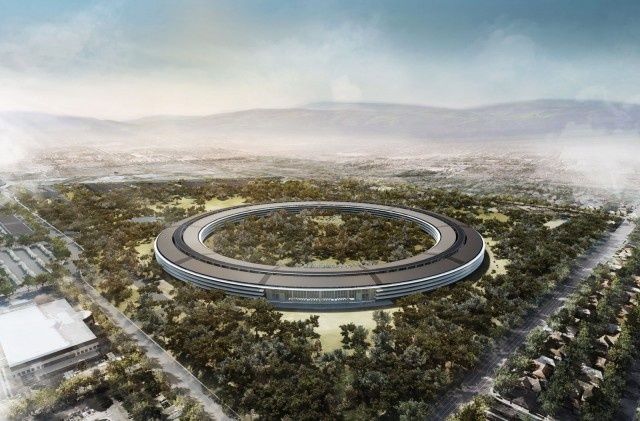
Concept drawing of Apple's breathtaking new circular headquarters in Cupertino, California.
Apple is still moving forward to build its $5 billion, 176-acre “spaceship” Campus 2 headquarters, expected to open in three years in Cupertino, California..
Critics have been attacking it since Apple CEO Steve Jobs first proposed it to the Cupertino City Council. And since that poignant moment, which was Jobs’s last public appearance, the campus project has evolved and changed. As I write this, the old HP buildings on the property are being demolished.
Here’s what we know about the spaceship campus so far, and also what the critics have been saying.
Architecture hasn’t really ever been important in the brick and mortar-averse tech industry. It wasn’t all that long ago that digital utopians proclaimed physical geography dead altogether, with a vocal minority apparently pleased to leave the actual world behind them and embrace the cyberspace of William Gibson’s Neuromancer.
It is perhaps unsurprising, then, that the technological breakthroughs of Silicon Valley have advanced almost inversely to the region’s architecture. In a brave new world of lush rolling hills and the always impressive San Francisco Bay, the most that the majority of companies have managed to come up with are drab industrial parks filled with two-story, cubicle-lined buildings.
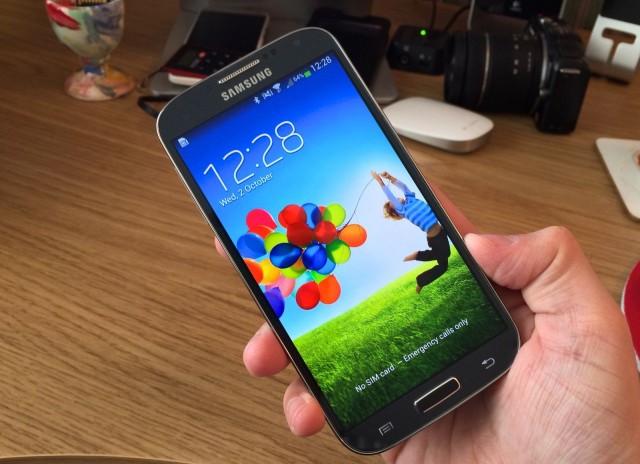
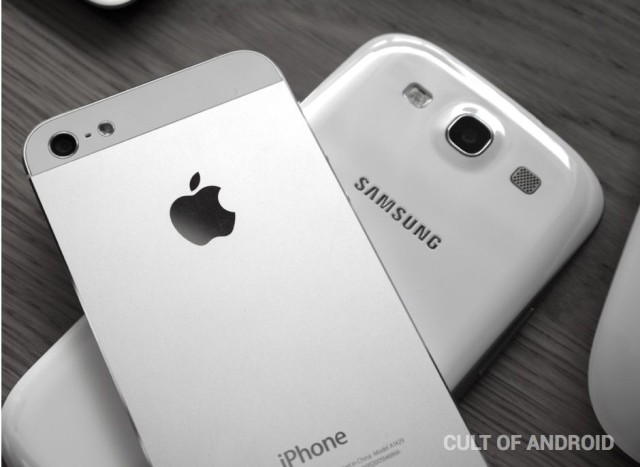
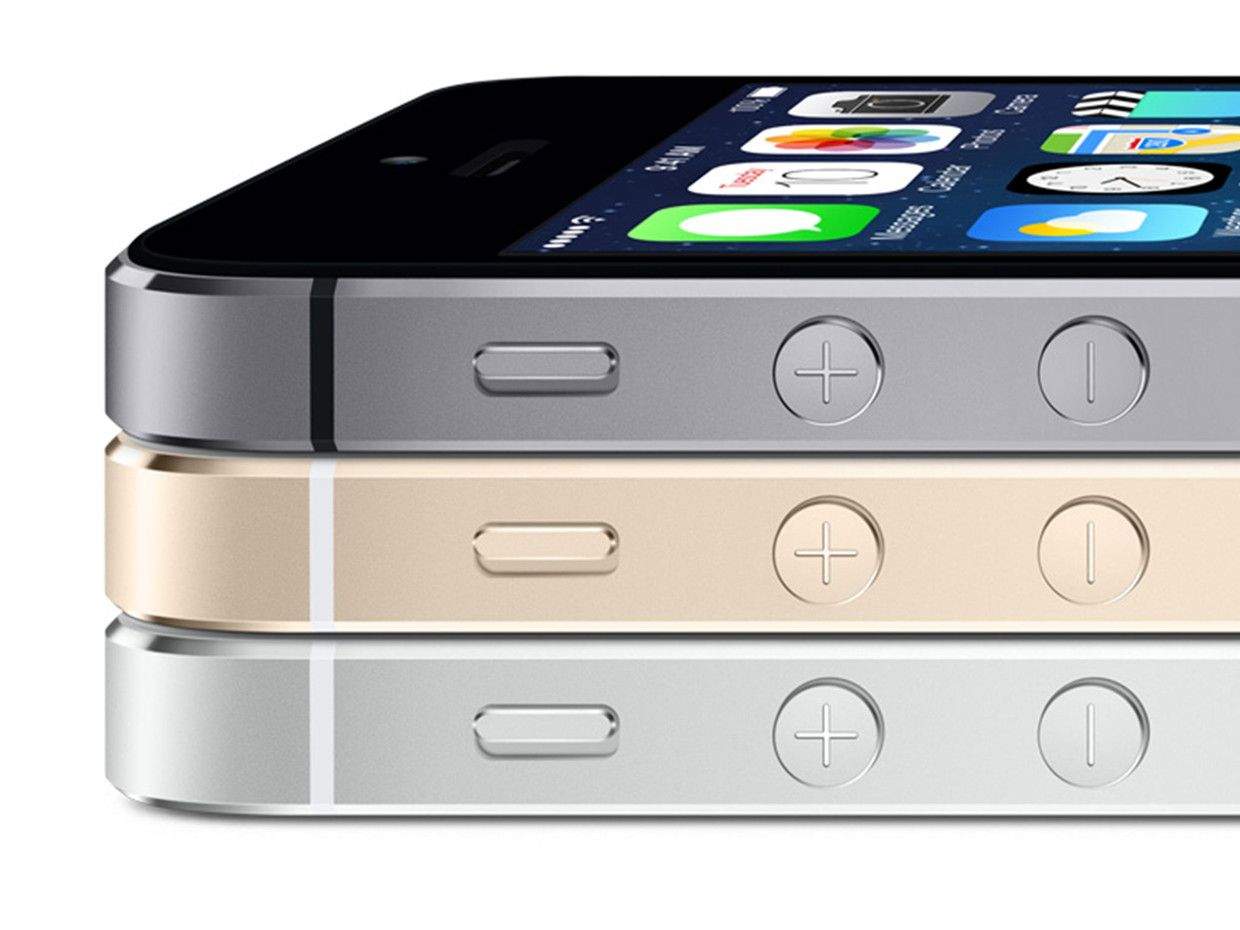
Apple’s iPhone 5s became the world’s first smartphone with a 64-bit processor when it launched this September, but as you might expect, it’ll have plenty of competitors next year. Unsurprisingly, some of those will come from Samsung, which is already planning 64-bit chips and 16-megapixel cameras for its 2014 flagships, according to industry sources.
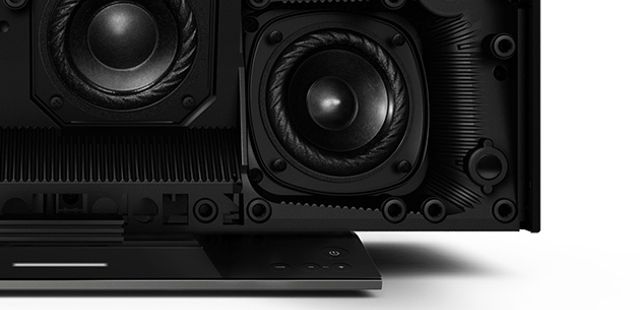
If there’s anything today’s Bluetooth speakers desperately need – it’s more bass. Too many of them sound too trebly, which often translates to too tinny. That’s not cool. Thankfully, the guys at Soundfreaq have brought back the beat with Sound Stack – a true audiophile’s dream.
With enhanced Bluetooth, docking for 30-pin connected iDevices and innovative audio enhancements, the Sound Stack speaker is a powerhouse. Fill any room with full, accurate sound thanks to Soundfreaq’s proprietary DubSub™ system, a unique 2.2 speaker configuration that pairs two Kevlar-reinforced drivers and two active subwoofers. Combine that with a tuned, triple-ported housing and their UQ3™ spatial sound enhancement technology and you’ve got an acoustic force to be reckoned with.
And Cult of Mac Deals has the Sound Stack for just XXX during this limited time offer — including free shipping!
Remember those old “home of the future” TV episodes from the 1970s, which invariably ended up with something going wrong and an automated voice yelling warning messages?
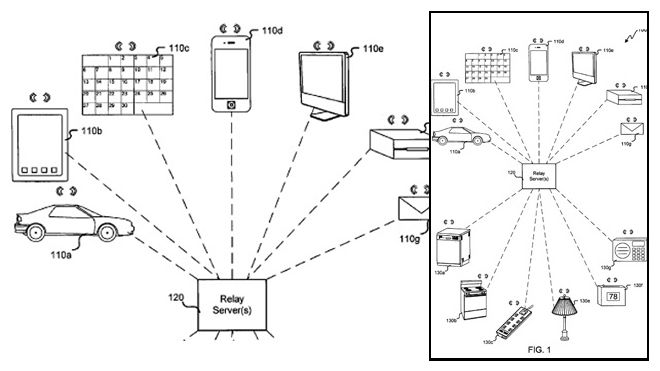
Well, someone at Apple does too (hopefully minus the “something going wrong” part), since Apple’s latest patent — issued by the U.S. Patent Office — describes a wireless communication system able to predict when to turn on devices such as your lighting or air conditioning based on your current location as opposed to a pre-programmed routine.
It might have been the unsaid mission statement for quite some time, but now top executive Shin Jong-kyun has puts his cards on the table, telling analysts that after overtaking Apple in smartphones, Samsung aims to be the world leader in tablet computers, too.
Shin noted that Samsung tablet sales will exceed 40 million units this year — more than doubling the sales in 2012.
“Samsung tablet shipments started to grow remarkably since the second half of last year,” he said.
Apple has published a new report outlining the different kind of government requests it has received for its customers’ personal data. The report breaks down the number of customer account and device requests from different governments around the world, and the U.S. unsurprisingly leads the pack with the number of requests for each area.
Many people would have you believe that Apple is successful not because their products are superior, but because they’re advertising is. They actually have a point, but not in the way they mean. Yes, Apple’s advertising is superior, but it’s not because Apple spends loads on it. In fact, Apple’s advertising budget is far tinier than Microsoft and Samsung’s.
Despite a budgetary increase of 32% from $3.381 billion in 2012 to $4.475 billion in 2013, Apple still spends less than 3% of its revenue (net sales total $170.91 billion so far this year) on Research & Development of new products: something that will surely give ammunition to those skeptics who claim less innovation is taking place under Tim Cook’s command than it ever did while Steve Jobs was at Apple’s helm.
Google’s algorithmically-driven cars may be partially designed to give commuters more time to surf the Internet (using Google, natch!), but if a new report from ABI Research is anything to go by, it’s Apple who have the real early adopter advantage in terms of connected in-vehicle infotainment systems.
ABI Research forecasts that shipments of such infotainment systems, equipped with one or more smartphone integration technologies, will grow substantially over the next five years — reaching 35.1 million units globally by 2018. Of these, ABI projects an impressive 49.8% will be running Apple’s “iOS in the Car”, the standard for allowing iOS devices to work with manufacturers’ built-in in-car systems as unveiled during the Apple Worldwide Developers Conference back in June.
He may have been misquoted about disliking the new iPads, but Apple co-founder Steve Wozniak recently had something else to say which might prove even more controversial: that Apple and Google should work together.
“Sometimes I say ‘Go to Joe’s Diner’ and [Siri] doesn’t know where Joe’s Diner is,” Woz told the BBC’s UK technology program Click — adding that, “Usually I find out that Android does.”
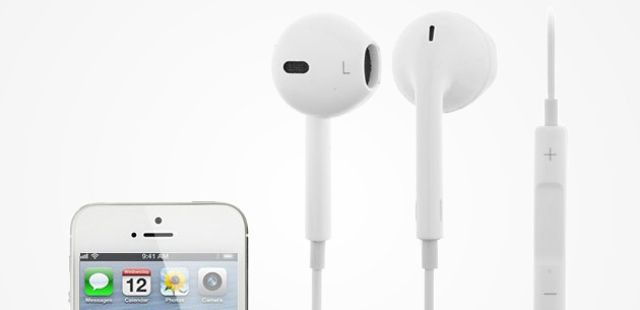
Cult of Mac has a set of earbuds that meets that criteria, The iPhone 5/5S/5C headphones are only $14.99, but you’ll also get free shipping to select countries. Plus, if you buy two pairs, you’ll get one at 50% off the already low price!
Tim Cook, Phil Schiller and others sold Apple stock at a time when it was hitting record highs.
Forget for a moment all the talk about Apple’s recent quarter financials disappointing Wall Street analysts — and instead focus on two “nuggets” from Apple’s recently released 88-page Form 10-K, as picked up by ISI’s Brian Marshall.
In a note to clients sent Thursday, Marshall notes that not only is Apple’s $11 billion in projected capital expenditures for fiscal 2014 a double-digit increase for a company already “the single largest CapEx spender” in his “Big 7 Hyperscale group”, but also that Apple generates “off-the-charts” revenue-per-head metric compared to the other IT and networking companies he covers — which includes Google (GOOG), Microsoft (MSFT), Amazon (AMZN), eBay (EBAY), Facebook (FB) and Yahoo (YHOO).
North Korean dictator Kim Jong-un might be an Apple user, but that doesn’t mean that North Korea’s state-run computer agency doesn’t see the value of launching a tablet of its own.
Costing around $250, the Korea Computer Center’s Samjiyon SA-70 has a 7-inch screen with a resolution of 800 x 480 pixels, 1 GHz CPU, 1 GB RAM, 4 GB internal memory, and a card slot equipped with an 8 GB micro SD memory card. There is also a 2 mega pixel camera, microphone, gyro sensor. Currently there’s no way to connect to the Internet, although there is an extendable antenna for receiving state television signals.
iOS 8 is Apple's most privacy-conscious mobile OS yet.
Apple had added its name to an open letter from the tech industry — also signed by Google, Microsoft, Facebook, AOL and Yahoo! — demanding “oversight and accountability” of NSA surveillance.
The letter, sent Thursday, was addressed to the sponsors of the USA Freedom Act, a legislation designed to end bulk data collection by the National Security Agency. It claims that the tech industry (including Apple) welcome debate about the best way to further national security, while also protecting individual user privacy interests.
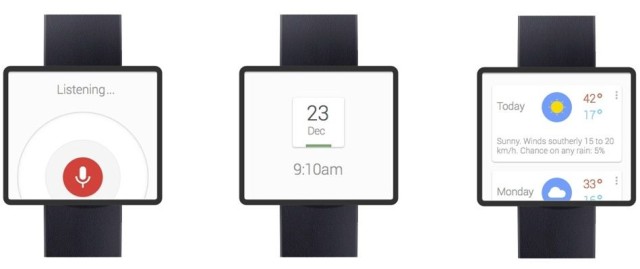
A Google smartwatch powered by Android with built-in Google Now is in the late stages of development, according to people familiar with the matter, who have been speaking to The Wall Street Journal. Google is now in talks with Asian suppliers, which could begin mass producing the device “within months.”
Although Apple is still (very) profitably plugging along with the iPhone, there’s a new king of smartphones, and it’s Samsung. The Korean gadget maker continued to dominate smartphone sales in the third quarter, shipping over 88 million smartphones this quarter compared to just 33.8 million iPhones shipped. And it gets worse for Apple.
As you may have seen in our previous post on Apple’s fourth quarter (Q4) financial report, the Cupertino company has beat out Wall Street expectations this quarter, showing off a revenue of $37.5 billion with a hefty 7.5 billion profit to go along with it.
To help you make sense of Apple’s business this quarter, as well as some general trends of the last five years, we’ve taken it upon ourselves to put together some charts in an easy-to-read format to show you how the numbers break down, from revenue and profit margins to how many devices Apple is selling, to how much money it’s making from those sales.
Let’s take a look at some of the numbers in visual form, and see what we can take from it.
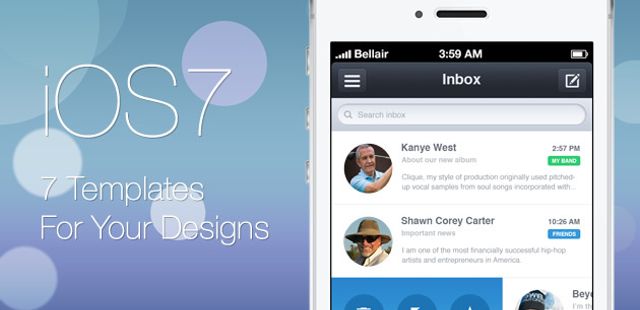
The arrival of iOS 7 has not only demonstrated a whole new look to Apple’s mobile platforms, but also new opportunities for exceptional design. So if you’ve got a great app idea for this beautiful new platform, but your design skills leave a lot to be desired then Cult of Mac Deals a deal for you.
This deal is for some stellar templates that will give even the most aesthetically challenged app creator the ability to make a great-looking iOS 7 app. And you can get your hands on these 7 templates for only $29.99 – a savings of 94%!
Apple has become a master at taking a product and refining it to perfection. The iMac, the MacBook, and now the iPad and iPhone have all went through a series of small changes over their existence, but one product Apple hasn’t changed that much is its logo. After quickly dropping that Isaac Newton logo, the only refinements that have come to Apple’s logo are splashes of color and shadow.
Nick DiLallo created a series of videos showing how some the logos of the biggest brands in the world have evolved since their original inception. Other than the Apple video – which you can see above in GIF form – Nick also made logo evolution videos for Starbucks, NBC, UPS, GAP and American Airlines, all of which are worth a watch and can be viewed over on his YouTube page.
This Friday, Apple will be launching the iPhone 5s and 5c in sixteen new countries: Albania, Armenia, Bahrain, Colombia, El Salvador, Guam, Guatemala, India, Macedonia, Malaysia, Mexico, Moldova, Montenegro, Saudi Arabia, Turkey and the United Arab Emirates. But the fun’s not stopping there, with November 15th being pegged as the next launch window for Apple’s latest iPhones.
Last night, Apple released four new videos, including ads for the iPad mini with Retina Display and the iPad Air. One of those ads, Pencil, Apple used the width of a pencil as a reference point to just how light and magical the Air actually is.
If you paid close attention to the ad, though, you might have been surprised who voiced it: none less than Heisenberg himself, Bryan Cranston, also known as Walter White on TV’s Breaking Bad.