Apple’s new HomeView smart home hub doesn’t come with an App Store, a decision that’s puzzling users accustomed to installing apps to customize their devices.
There seem to be several good reasons for Apple’s decision, related to the device’s memory, storage, ease of use, privacy and maybe even regulation. But perhaps the most important factor is all about elevating Siri AI as a next-generation user interface.
Why doesn’t HomeView have an App Store?
Apple has long dabbled in home automation with its Home app and devices like Apple TV and HomePod. But until now, the company hasn’t released a dedicated smart home hub with a screen. Meanwhile, competitors like Google and Amazon sell a range of screen-equipped devices designed for kitchens and bedside tables.
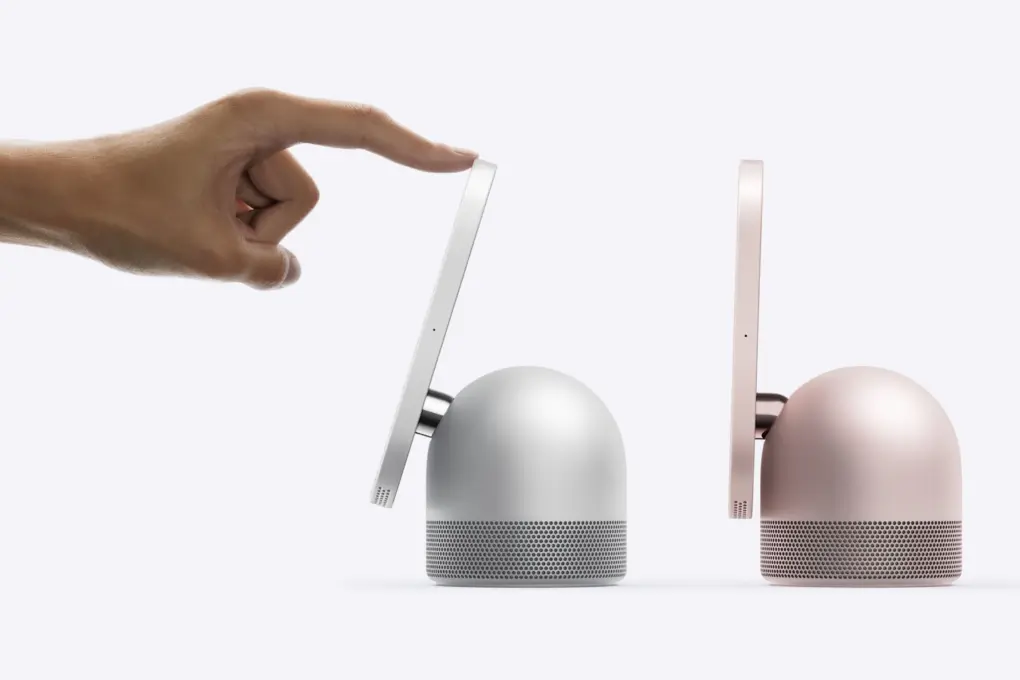
Apple’s new HomeView smart home hub, announced Tuesday, is the company’s first attempt at a dedicated home controller. The device — which comes in two models, a tabletop version with a speaker in its metal base and a wall-mount version — comes with a selection of Apple apps preinstalled, including Apple Music, Podcasts, Calendar, FaceTime, Messages and Apple News.
However, there’s no HomeView App Store where users can download third-party software. Instead, HomeView uses CarPlay, Apple’s infotainment platform for cars and trucks. Apple says CarPlay-compatible audio and video apps can stream content to HomeView’s 7-inch screen from a connected iPhone or iPad. HomeView also supports select widgets, Apple says.
No third-party apps, yet
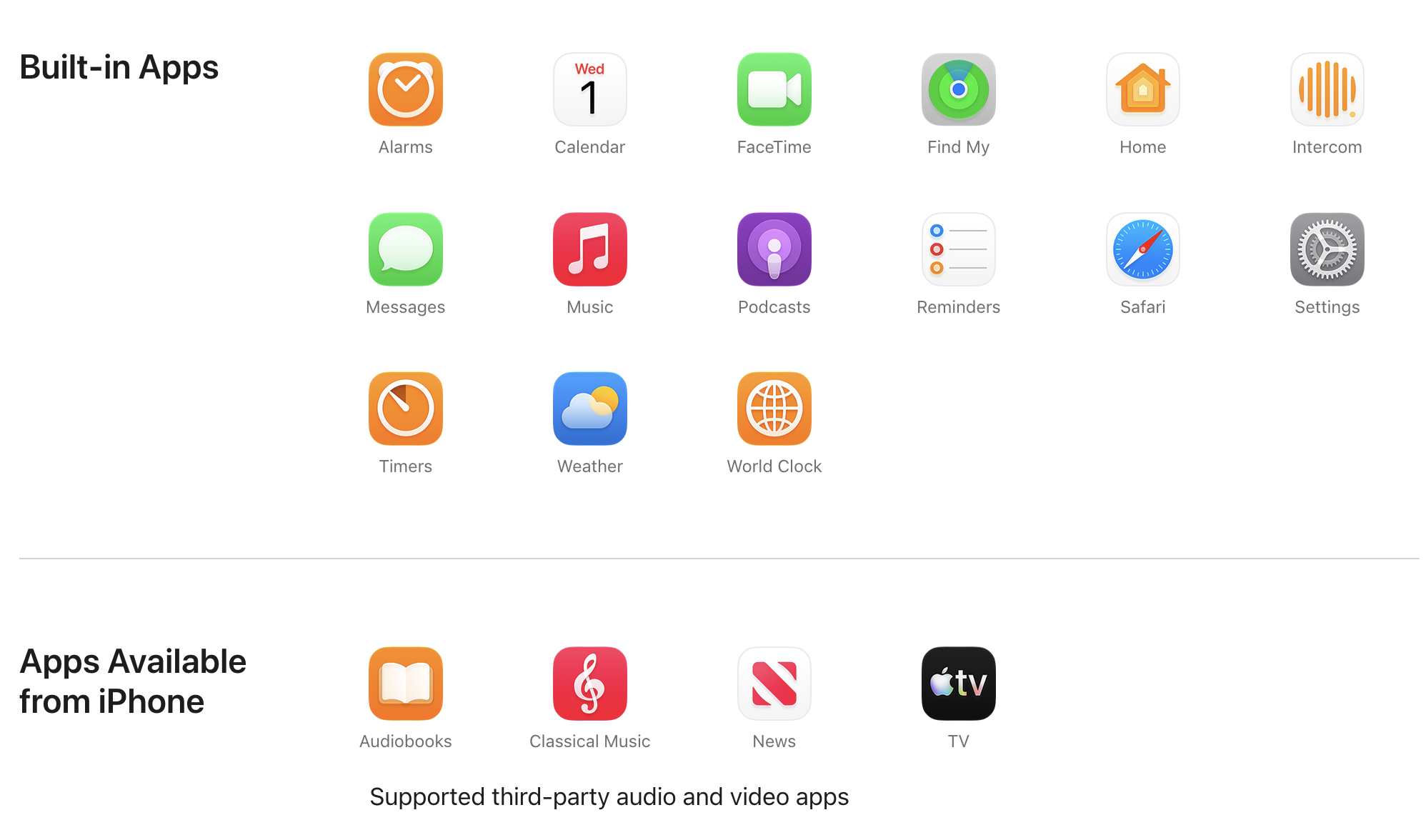
Photo: Apple
The lack of a built-in App Store confuses some potential customers, who are accustomed to customizing their gadgets by installing third-party software. It’s especially puzzling because Apple pioneered the App Store model, which made finding, installing and trusting software easy, convenient and lucrative.
Influential tech YouTuber Marques Brownlee cites the absence of third-party apps and an App Store as the reason HomeView is a “skip for most people.”
Apple didn’t explain why HomeView doesn’t benefit from an App Store, but the decision to exclude one could be related to several things.
1.) CarPlay-like apps make multiuser app management much simpler
Streaming apps from individual iPhones or iPads makes app management on HomeView much easier.
Up to six different people in a household can use HomeView. And since iOS apps do not currently support multiple users, each family member would likely be required to install their own suite of apps.
This could quickly eat up the smart display’s storage. Imagine all six users installing dozens of apps. Plus, each app comes with its own content and caches, which can quickly balloon to gigabytes in storage space.
Instead of expecting everyone to install their own apps, a CarPlay-type experience means all your supported apps are just there when your iPhone and iPad are in range.
2.) Keeping memory costs down
CarPlay-like streaming doesn’t need a lot of memory. Apple made HomeView out of premium materials, and put a good-quality screen on it, but priced the home hub fairly competitively. That makes it likely Apple skimped on memory and storage, especially with RAMageddon raising costs of almost all electronics.
Apple hasn’t revealed how much memory or storage the device has. There’s nothing on the HomeView tech specs page.
CarPlay-style streaming makes the HomeView like third-party apps on the first-generation Apple Watch — all the logic happens on the iPhone, and only the UI executes on the device. By offloading the heavy lifting to devices that users already own, Apple can save on memory and storage costs.
3.) Quality and control: No fart apps
Apple seems keen to control the HomeView experience quite tightly. If Cupertino opened up the device to third-party software developers, it would run the risk of allowing outsiders to define how people use the device.
Just as Apple Watch doesn’t allow third-party watch faces — which might be ugly or barely functional — Apple wants to control the HomeView experience from the get-go.
However, it seems likely that Apple will invite select companies to develop apps for the device, but maybe not indie developers. Apple will want apps like Netflix and YouTube, but probably no vibe-coded fart apps.
At the moment, there’s nothing on Apple’s developer website about HomeView or building apps for it, so it seems likely Apple is approaching developers about apps by invitation only. This allows Apple to curate the HomeView experience.
4.) Except for iPhone, App Stores aren’t successful
All the App Stores outside the iOS one are failures. Apple runs many of them, and most of the international ones are almost dead. The same is true for the App Stores on Mac, Apple TV and Vision Pro.
A HomeView App Store would be doomed from the outset because developers would be unlikely to target the device. Consider the App Store for Apple Watch. It initially attracted major developers like Uber, but many later abandoned the platform.
More recently, Apple has been encouraging developers to make widgets for their iPhone apps, which can easily be repurposed as Apple Watch widgets with little or no extra work. This seems likely to be the model with HomeView, which Apple said will run widgets.
Plus, running a store comes with a bunch of financial and regulatory headaches. Apple loses money every time someone downloads free apps like Facebook, Instagram or X from the App Store.
Plus, the iOS App Store has come under a lot of regulatory scrutiny, especially in the European Union. Ditching yet another App Store on HomeView lessens Apple’s risk of getting sucked into regulatory “gatekeeper” situations.
5.) Apps undermine Siri AI as the primary interface
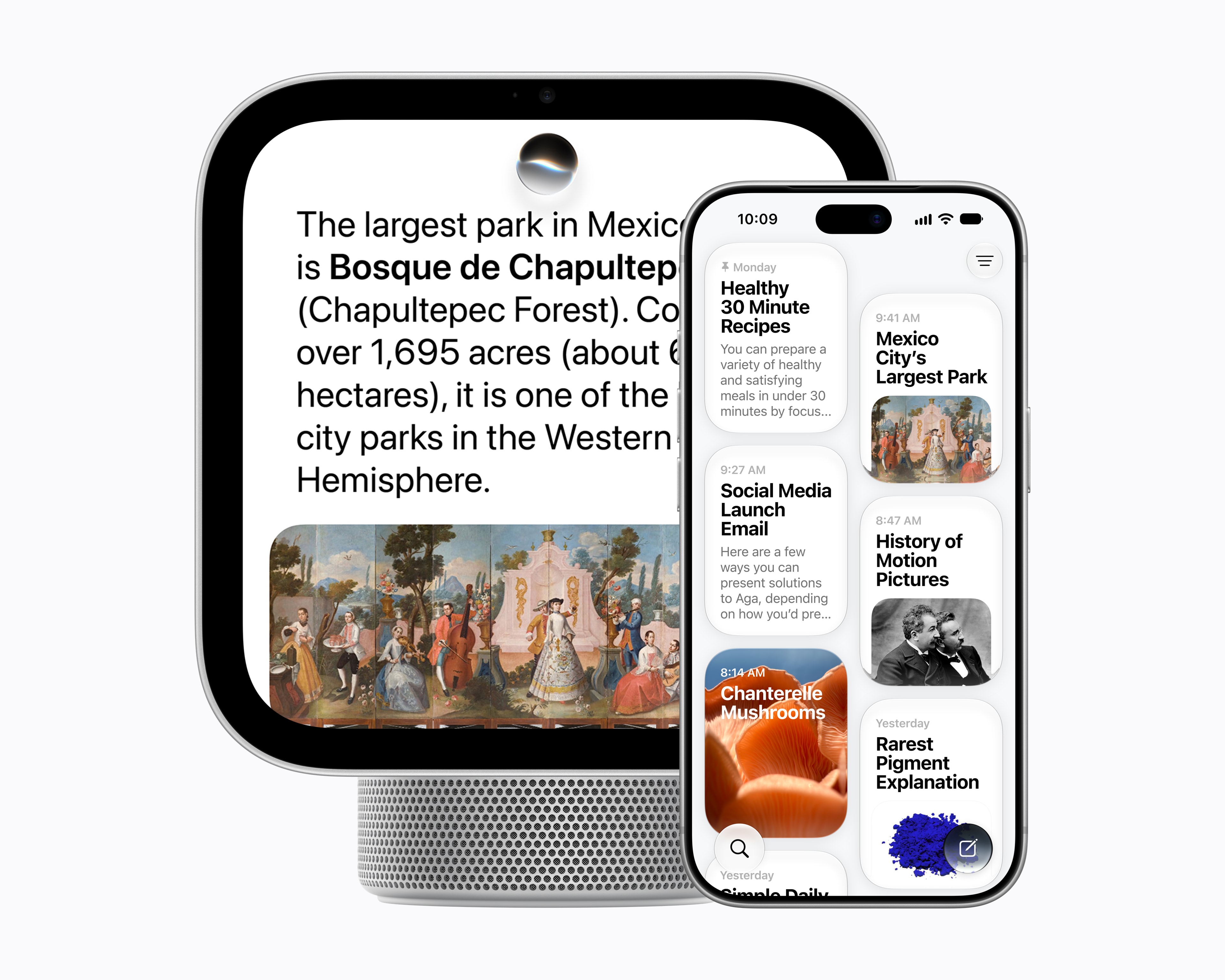
The most likely reason there’s no HomeView App Store is that apps undermine the device’s purpose as a voice/Siri AI device. That’s a momentous decision, as Siri AI is becoming the next-gen interface for many Apple devices, including the iPhone.
Apple pitches HomeView as a Siri AI device. Making it an app-centric device, like a mini iPad glued to a HomePod, would undermine its purpose. People would use it with fingers and touch, rather than speaking to it. By removing apps, Apple is forcing users to use Siri AI instead.
Apple is famous for doing this kind of thing, like in 2006, when the company removed the audio jack from iPhone to force users to use wireless Bluetooth headphones instead.
Siri AI is clearly a big push for Apple. Cupertino has been Apple encouraging developers to integrate apps with Siri AI through App Intents, which allows apps to share data with Siri AI. Developers who do this will have integrated apps without having to build something for the new HomeView platform.
Final thoughts: Why HomeView doesn’t have an App Store
Of course, it’s possible Apple just didn’t get around to building an App Store for the HomeView yet. The smart display could get its own App Store eventually, especially if the device becomes a hit.
Just like the iPhone didn’t get an App Store until a year after its launch, Apple might be persuaded to add one if there’s customer or developer demand.
But for right now, it looks like HomeView will not be echoing the famous advertising slogan popularized by Apple in 2009 for the iPhone 3G — “There’s an app for that.”

Leander Kahney is the editor and publisher of Cult of Mac. Leander is a longtime technology reporter and the author of six acclaimed books about Apple, including two New York Times bestsellers: Jony Ive: The Genius Behind Apple’s Greatest Products and Inside Steve’s Brain, a biography of Steve Jobs.
Leander has written for Wired magazine, Scientific American, The Guardian, The Observer, The San Francisco Chronicle, MacWeek and many other publications.