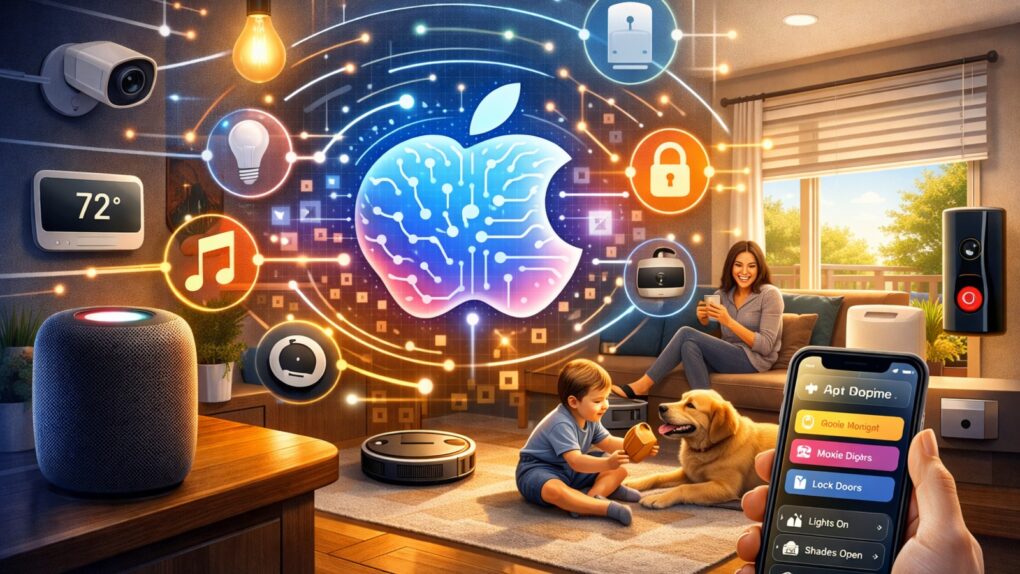
WWDC26 drew plenty of attention for the rebuilt Siri and the relatively substantial iOS 27 overhaul. But buried beneath those headlines lies Apple’s biggest push yet to turn the Home app into a genuinely capable smart home platform. iOS 27 and tvOS 27 updates make your home smarter, from AI-powered security cameras to a more reliable wireless backbone.
iOS 27 and tvOS 27 updates make your home smarter
If you run an Apple-centric smart home or plan to, this fall’s Apple OS update cycle looks like the most substantive improvement the platform has seen in a while. Of the various changes to smart homes we expect to come through iOS 27 and tvOS 27 updates unveiled at WWDC26, the most visible upgrade arrives through Apple Intelligence.
For example, with an active iCloud+ subscription and an Apple Intelligence–capable iPhone or iPad, the Home app now handles security camera footage in ways that weren’t possible before.
Apple Intelligence moves into Home app
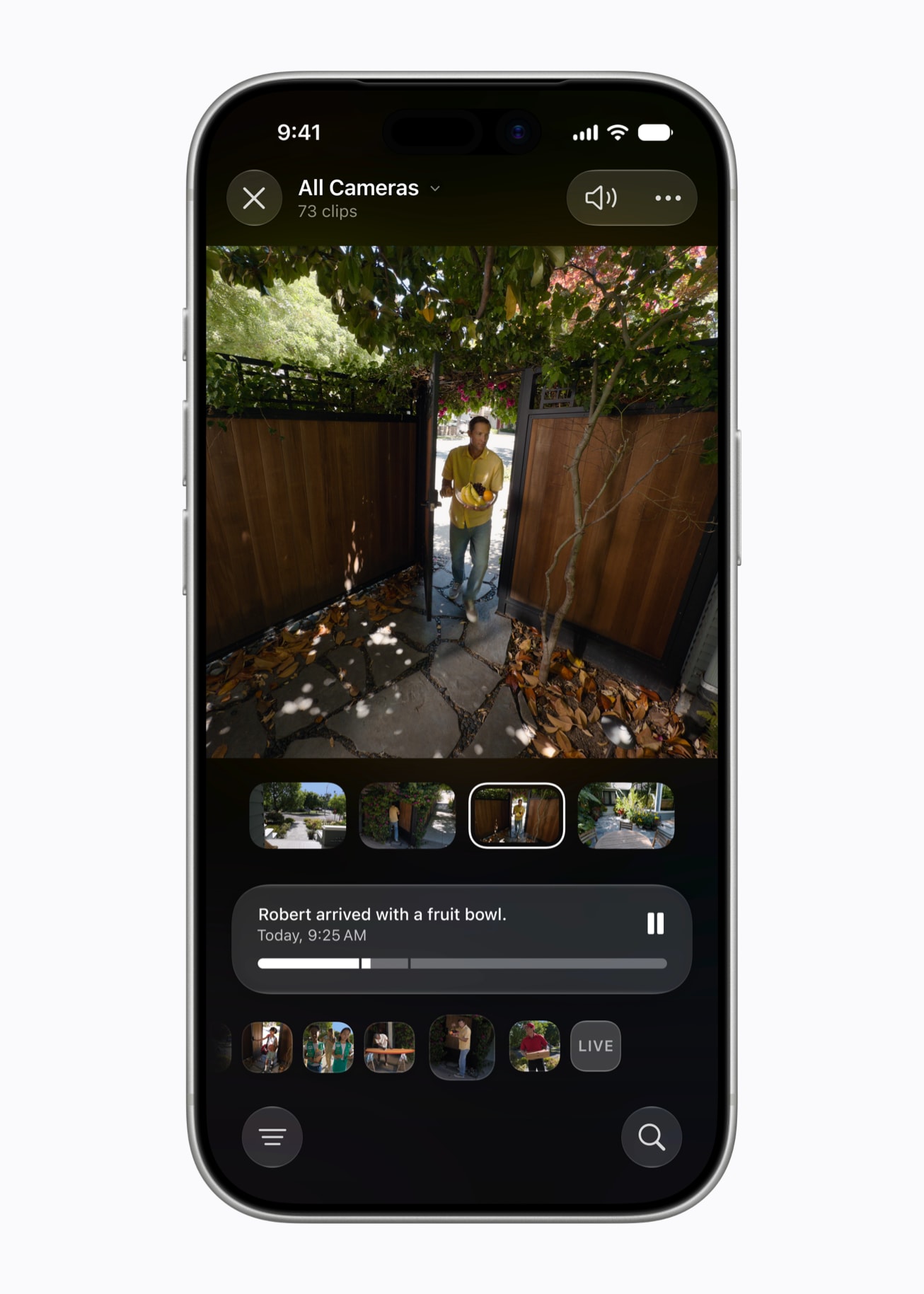
Photo: Apple
The most immediately useful change addresses notification overload. Anyone who has watched a dozen alerts fire across their phone from a single delivery or a passing car already understands the problem. Apple Intelligence now bundles related activity into a single, updating notification rather than a cascade of individual pings. So you get fewer interruptions but enjoy the same awareness.
Beyond notifications, the system now generates written descriptions of recorded footage before you tap play. Curious what triggered the driveway camera at 2 a.m.? A text summary sits right there in the alert.
The update also introduces natural language search across your stored clips: you can ask the Home app to surface footage based on what actually happened, not just a timestamp. Apple processes video descriptions and search queries both on-device and through Private Cloud Compute, so the capability doesn’t come at the expense of privacy.
The cameras themselves also get a hardware-grade bump. Supported HomeKit Secure Video cameras can now stream and record in 4K, and the system handles simultaneous streams — useful when you want to monitor multiple angles at once without juggling apps.
And the upcoming Describe a Shortcut feature could figure into easier Automations setup. Creating them should become more automatic based on you saying or typing what you want.
Thread 1.4 brings a more solid foundation
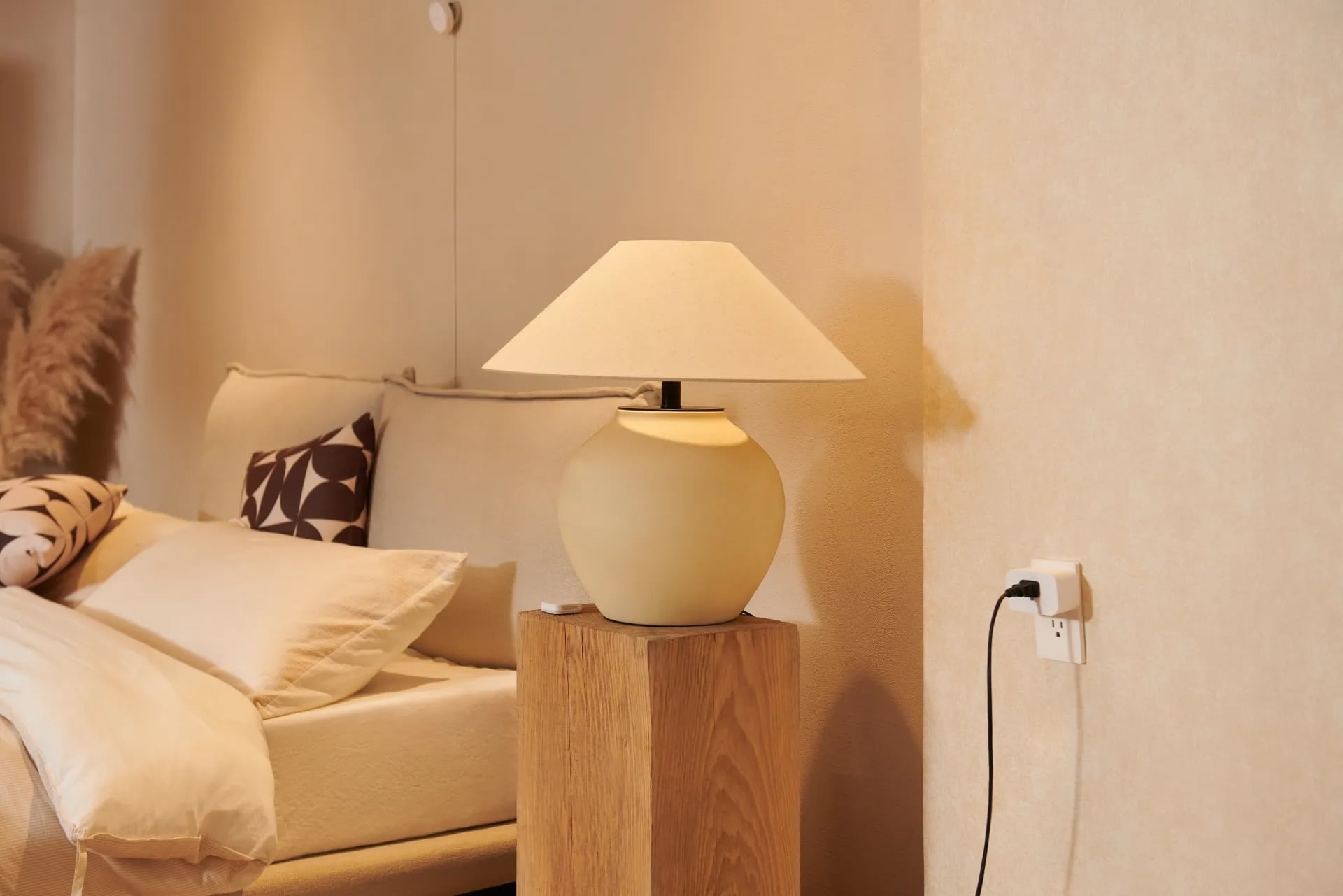
Photo: Aqara
Under-the-hood improvements rarely make headlines, but Thread 1.4 may matter more to day-to-day Home app reliability than any headline feature, as outlined by Matter Alpha. Thread is the low-power mesh networking protocol that connects smart home devices — locks, sensors, lights — without routing everything through Wi-Fi. Apple briefly included Thread 1.4 in an earlier tvOS 26 beta before removing it. Now tvOS 27 Dev Beta 1 brings it back, and the signal this time looks more committed.
The spec upgrade fixes numerous stability issues. And it matters most for households that mix ecosystems. Platforms including SmartThings, IKEA and several Amazon devices already run Thread 1.4, so Apple joining them makes the protocol more consistent across vendors.
Thread 1.4 also introduces a standardized way for different ecosystems to share Thread network credentials. That’s a step toward the kind of setup where adding a new device from any manufacturer just works.
HomePod 2 and HomePod mini users will need to wait for the public beta in July before they can take advantage of Thread 1.4 on those devices. The current developer beta covers Apple TV only.
Home app learns to track your energy use
For years, Apple sat on the sidelines as competitors like Samsung’s SmartThings added native energy monitoring. iOS 27 closes that gap. The Home app now supports energy management natively, letting compatible smart plugs and devices surface consumption data directly in the app.
This lays the groundwork for automations that respond to your energy usage — scheduling high-draw appliances around off-peak grid hours, for instance — rather than just time schedules or sensor triggers.
What it means for your setup
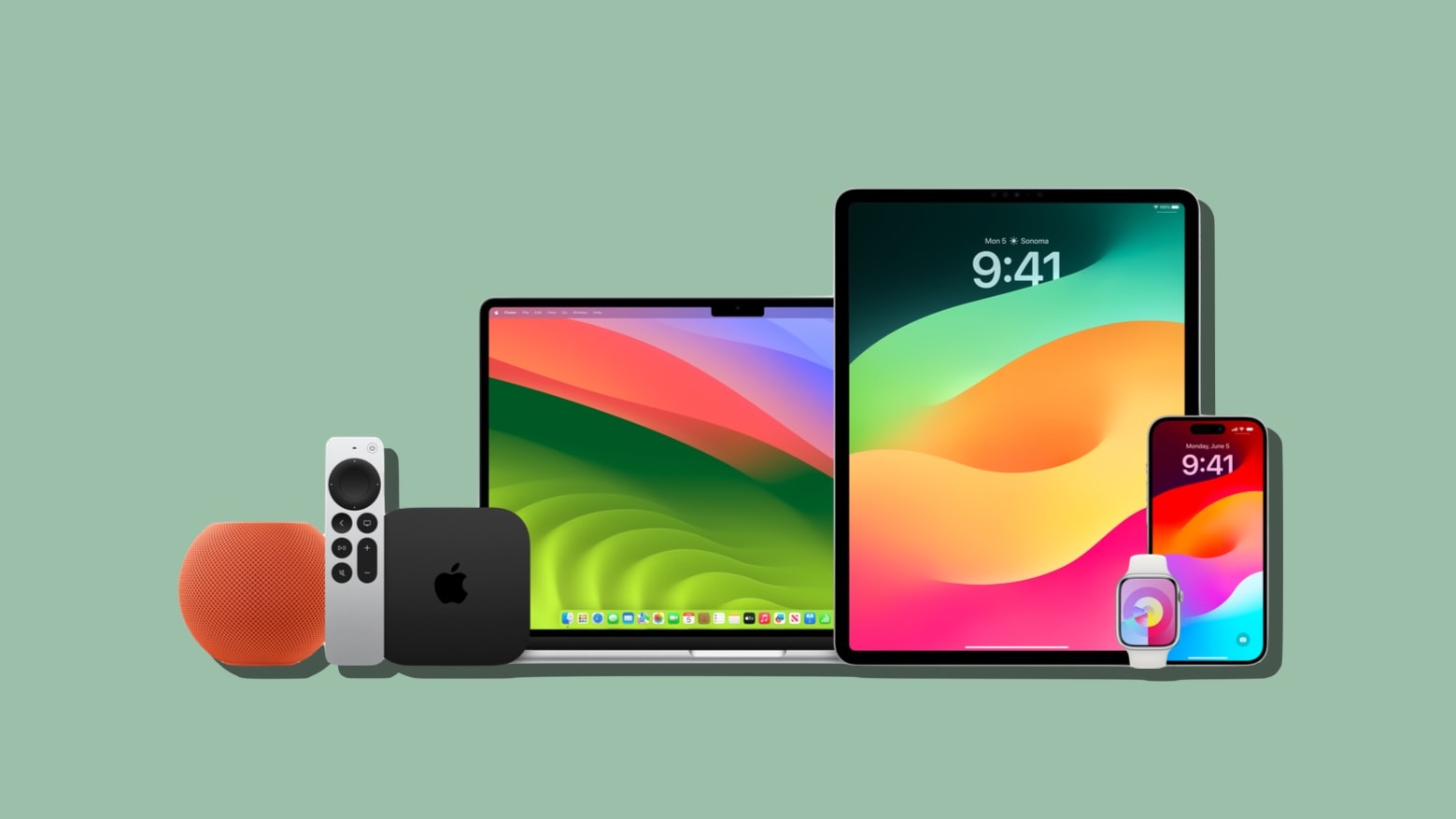
Photo: Apple/Cult of Mac
Taken together, these updates reposition Apple Home as a more serious competitor to platforms that have historically outpaced it on reliability and features. The AI camera features require iCloud+ and an Apple Intelligence–compatible device (iPhone 15 or later doesn’t qualify for Apple Intelligence, so iPhone 16 or newer is the practical floor).
Thread 1.4 benefits anyone running Home or Matter devices over Thread with an Apple TV 4K. And energy management opens up a category of automation that HomeKit users have long had to handle through workarounds.
iOS 27 and tvOS 27 land as a public release in September 2026, with public betas available in July.

David Snow, an expert on Apple hardware and software, writes on a variety of technological and cultural topics for Cult of Mac. They include Apple news, technology buying guides, and features about computer setups and Apple TV shows and movies.
With 30 years of experience covering technology and other subjects, he has written and edited for numerous print and online publications, including CMP Media, TechTV.com, CNET, Wired News, Red Herring magazine, Law.com, The National Law Journal and Law Technology News magazine. Among other roles, he served as executive editor of the Law.com network of websites and editorial director, technology, for ALM Media.
Snow graduated with a B.A. from Syracuse University with majors in magazine journalism and psychology. While there, he worked as a reporter for The Daily Orange newspaper and associate editor of Equal Time magazine.
Founder of the blog At the Waterline, he can be reached on X (formerly Twitter) via @atthewaterline and on Mastodon via @dsnow.

One response to “How iOS 27 and tvOS 27 updates make your home smarter”
I’m guessing that Thread 1.4 requires new smart components? I’ve got 91 products in my Home setup (lights, door locks, smart outlets, outdoor watering valves, garage door, motorized blinds, Nest Thermostat, etc.). Some of those are several years old – older than Thread, definitely older than Thread 1.4. There is no way I’m replacing all of those items, and the main thing I have a problem with is items disconnecting temporarily – nothing irritates me more than when I go to bed and say “Siri I’m going to bed” (to run my GOING TO BED automation) and she responds “Some of the items in your secure scene aren’t responding”! I would love to have better connectivity / end these irritating limitations, but I’m not redoing the entire setup just to get there.