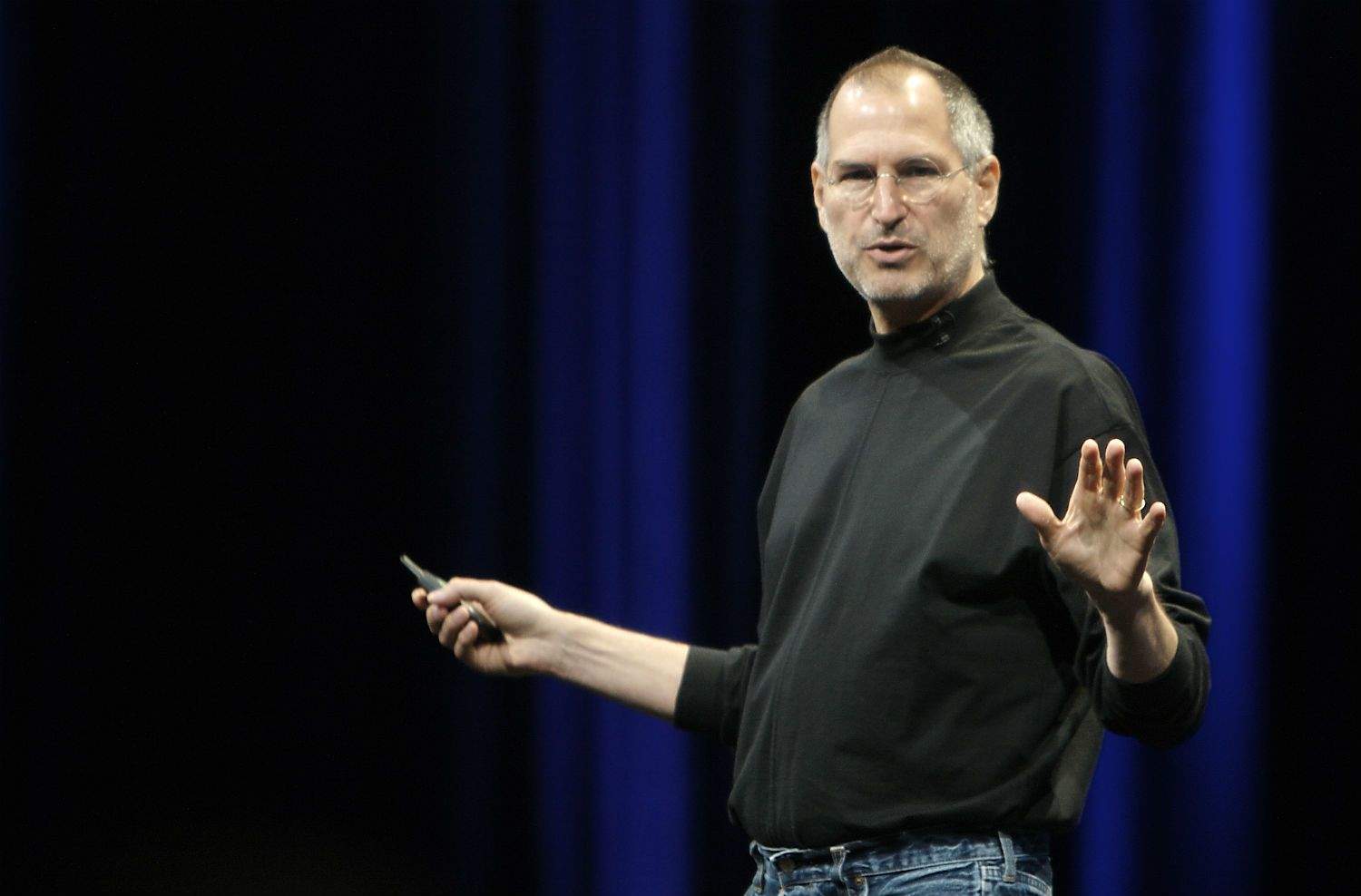
 November 29, 1995: Capitalizing on the success of Toy Story, Pixar floats 6.9 million shares on the stock market. The Pixar IPO makes Apple co-founder Steve Jobs, who owns upward of 80% of the animation studio, a billionaire.
After the windfall, one of the first people Jobs calls is his friend, Oracle co-founder Larry Ellison, who’s already a member of the billionaire’s club.
“Hello, Larry?” Jobs tells his friend on the phone. “I made it.”
Pixar IPO: Steve Jobs’ billionaire bet
Pixar was one of the first tech companies to experience highly profitable IPOs during the mid-to-late-1990s tech boom. It followed the immensely profitable public offering of Netscape Communications in August 1995.
After the success of Netscape’s IPO, San Francisco investment bank Robertson Stephens agreed to underwrite the Pixar IPO. It filed with the SEC in October.
Priced at $22 per share, Pixar (or PIXR, as it appeared on the NASDAQ stock exchange) hit a high of $49.50 on the day of its IPO. It closed at $39 on a volume of 4.8 million shares.
The success was largely driven by Toy Story, Pixar’s first feature-length animated movie, which became a massive hit upon its release a week earlier. A worldwide box office haul of $358 million made it a runner-up only to Aladdin and The Lion King in terms of animated movie blockbusters at the time.
The start of the turnaround
Many people ignore Pixar (certainly compared to Apple) when listing Steve Jobs’ great achievements. This happens for a couple of reasons, both of which seem related to the public’s general bafflement about Jobs’ involvement with Pixar. However, his early contributions were significant, particularly in developing the Pixar Image Computer, a powerful graphics workstation aimed at professionals.
For starters, Jobs invested in Pixar during his time outside Apple after his failed boardroom coup in 1985. He bought the majority interest in Pixar from Star Wars creator George Lucas for just $5 million (and an extra $5 million in guaranteed funding) in early 1986, nearly a decade before the Pixar IPO.
This period of Jobs’ life oftentimes proves confusing. Outwardly, it looks like a decade-long stint in which Jobs hemorrhaged money on two apparently failing ventures, Pixar and NeXT Inc. Somehow, he turned both companies around, became a billionaire and returned to Cupertino in 1997 as a seasoned manager when Apple bought NeXT.
The other reason Jobs’ Pixar years get ignored? Unlike at Apple, Jobs did not act as a hands-on micromanager at Pixar. Although he played a big part in negotiating deals for the studio, he took a passive creative role. He simply sat back and watched a group of brilliant people (from whom he learned a great deal) achieve greatness.
Pixar IPO: The beginning of Steve Jobs’ third act
That said, Jobs truly deserved the Pixar IPO home run. He possessed an unswerving faith in the possibilities offered by computer-animated movies. And he funded this dream until Moore’s law caught up with it. He also helped broker the deal that brought Toy Story to the silver screen.
After the IPO, Jobs negotiated a new five-picture deal between Pixar and Disney. It gave Pixar an equal share of the profits, along with merchandise and on-screen credits. (By way of contrast, the Toy Story deal tilted heavily in Disney’s favor.)
According to Pixar co-founder Ed Catmull, part of the reason for the IPO was that, with an equal split of profits, the studio also needed to put in 50% of movie production costs. That required money in the bank.
The Pixar IPO also started Jobs’ professional turnaround after a few disappointing years. Within a year of the IPO, Jobs was preparing his return to the Apple campus as part of the NeXT acquisition.
The rest, as they say, is history.

Luke Dormehl is a U.K.-based journalist and author, with a background working in documentary film for Channel 4 and the BBC. He is the author of The Apple Revolution and The Formula: How Algorithms Solve All Our Problems … and Create More, both published by Penguin/Random House. His tech writing has also appeared in Wired, Fast Company, Techmeme and other publications.