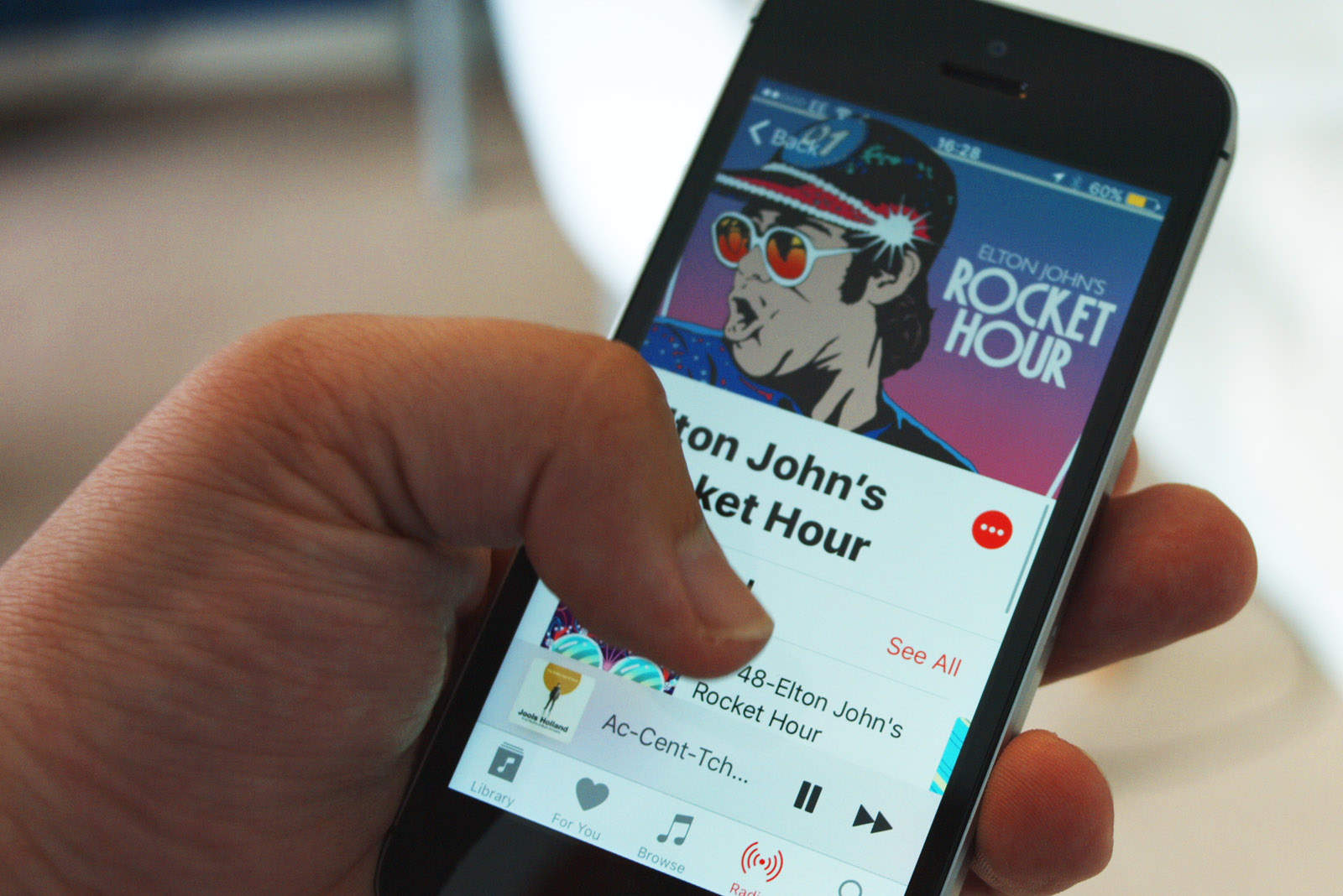
Frank Ocean’s new album, Blonde, debuted as one of the biggest Apple Music exclusives of the year, but if his record label has its way, it will be the last exclusive anyone ever gets from one of its artists.
Universal Music Group, which owns Ocean’s label Def Jam, has reportedly banned artists from signing exclusive deals with streaming services like Apple Music and Tidal, both of which have used such “gets” to lure new customers over their paywalls.
In an unusually succinct post, music industry insider Bob Lefsetz revealed that UMG CEO Lucian Grainge “sent out an email to Universal executives today ending all future exclusives with Universal artists.”
Apple Music is gaining ground quickly on Spotify, the leading on-demand streaming music service, and faces possible competition from Pandora, an internet radio pioneer that is said to be readying an on-demand offering. Amazon also reportedly wants to roll out a $5-per-month streaming music service for users of its Echo smart speakers.
Banning exclusives could be a serious blow to Cupertino’s strategy for Apple Music, which has scored exclusives from artists such as Drake, Chance the Rapper, Taylor Swift, Pharrell and Future thanks to the company’s connections and its seemingly endless cash hoard.
UMG had seven of the top 10 best-selling albums of 2015. Drake, Taylor Swift, The Weeknd, Justin Bieber, Kendrick Lamar, Chris Stapleton and the Alabama Shakes are all signed to UMB labels, which brought in 38.5 percent of the year’s recorded-music sales.
Are Apple Music exclusives a bad deal?
Lefsetz, a frequent critic of Apple, previously slammed the Ocean deal and exclusives in general, claiming they ultimately hurt the evolving landscape of the music business. He accused the company of conspiring with the music industry to “get everybody to pay for a subscription by putting hit content behind a paywall.”
“Apple should be investigated by the government for antitrust,” he wrote earlier this week. “How do you compete with the world’s richest company that’s got endless cash on hand? You can’t. It’d be like expecting hillbillies to get into Harvard if slots went to the highest bidder.”
The only other streaming service that currently competes with Apple Music for exclusives is Tidal, whose biggest scores came from Beyonce, Kanye West and Rhianna due to their connections with Tidal founder Jay Z.
Spotify has reportedly debated getting into the exclusives arms race but is still struggling to turn a profit before its IPO, no thanks to Apple.

Buster Hein is a freelance writer who lives in Phoenix, Arizona. Twitter: @bst3r.

4 responses to “One of world’s biggest record labels bans Apple Music exclusives”
This is good, exclusives shouldn’t exist anywhere. Not in gaming and not in music streaming, is very bad for us customers.
Frank Ocean is allegedly independent now. Blonde is also an independent release. So he may continue Apple Music exclusivity.
I don’t like exclusives. I’m not going to go as far as to say they should not exist – but i’m not a fan of that. I do get that an artist can choose to only release stuff through Apple Music or any other service but it’s just… I don’t know, wrong somehow.
I wouldn’t have an issue with it if you could buy that album in the store or on iTunes – but in terms of streaming, it would be exclusive to only one service. But if the only way you can listen to it is subscribe or pirate – then we’re going in the wrong direction and people will rebel against it. I don’t the details so I hope i’m wrong about this…
“Apple should be investigated by the government for antitrust,” said a man at the head of one of only three global record labels that could be considered to be acting as a cartel, stockpiling intellectual property and changing intellectual property law to benefit only themselves and not the artist or consumer.