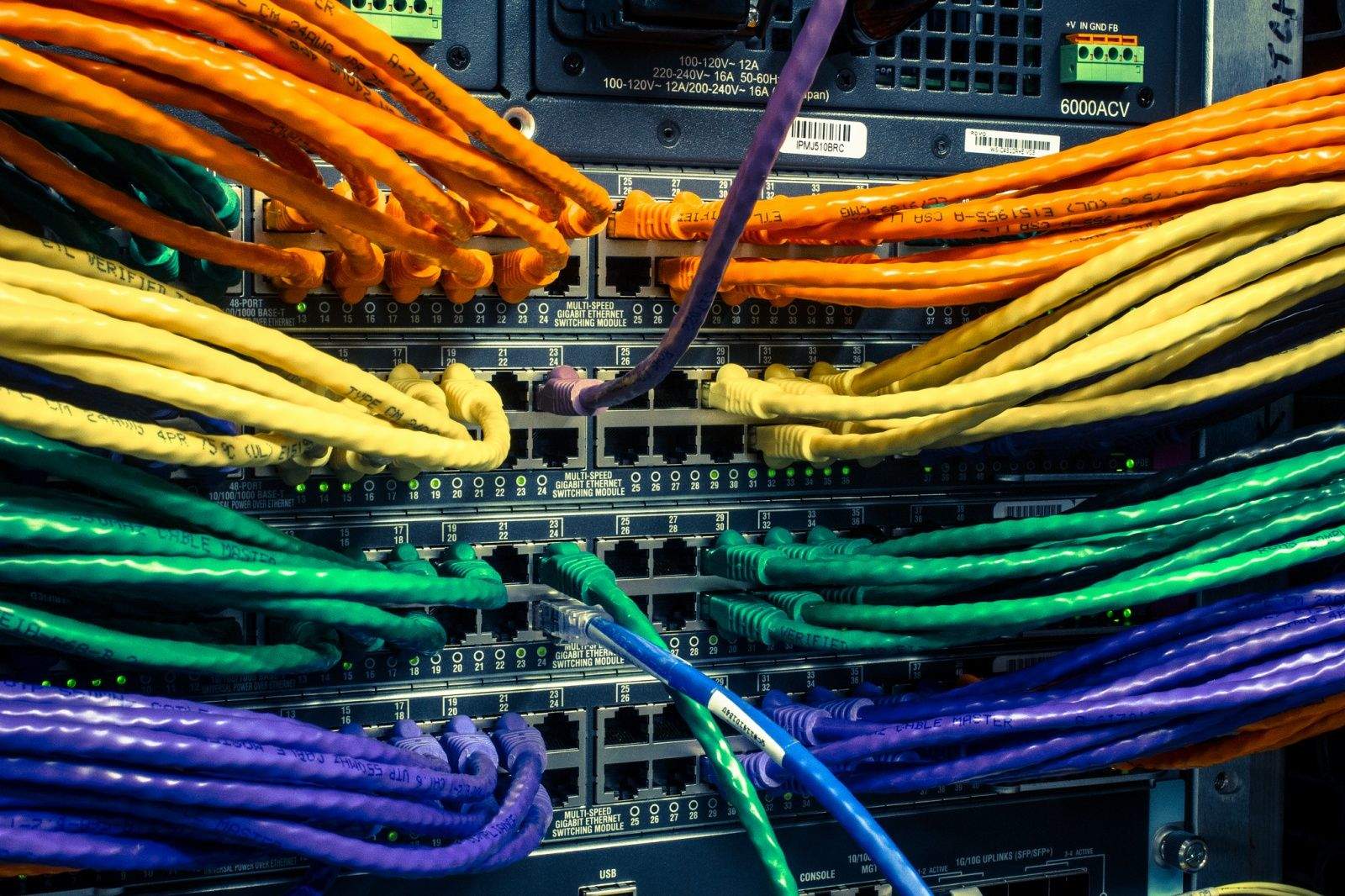
Some of the biggest companies that power America’s Internet, including Apple’s new enterprise partner IBM, have come out in opposition of President Obama’s proposal to reclassify broadband as a “Title II” service.
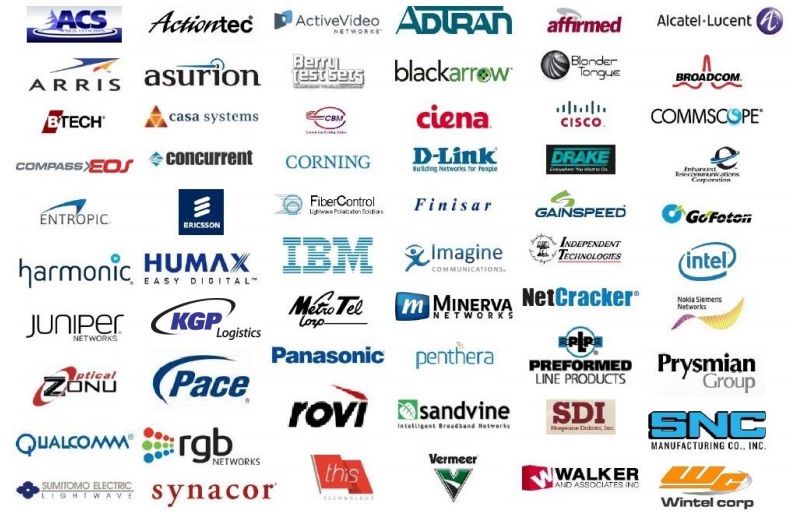
In an open letter written to the FCC, Congress, and Senate leaders, over 60 of the biggest companies that build the technology that make the Internet possible have advised that such a “dramatic reversal” in policy would significantly hurt their businesses. The list of companies include Intel, IBM, Qualcomm, Cisco, Corning and tons of others who aren’t going to let the FCC’s big decision next year go down without a fight.
Here’s the full roster of anti-Title II companies:
President Obama recently proposed the reclassification of broadband in an effort to implement net neutrality regulations that would keep the Internet open. Facebook and Google have both come out in favor of pro-consumer proposal, but Internet Service Providers (ISPs) like AT&T, Comcast, and Verizon are strongly opposed to the suggestion because they want to charge for access to fast lanes that give data from some companies preferential treatment over others.
However, IBM, Intel and the others aren’t opposed to Title II classification because they want to keep the fast lanes. They just want to make sure the ISPs are still going to be buying their technology.
In the letter published this morning, their argument is essentially that if ISPs don’t have a guarantee they can charge exorbitant prices for exclusive fast lanes, they won’t invest in laying down the cables and other equipment needed to power America’s miraculous internet-economy. So loosen up those regulations so we can keep raking in money.
“Title II is going to lead to a slowdown, if not a hold, in broadband build out, because if you don’t know that you can recover on your investment, you won’t make it. One study estimates that capital investment by certain broadband providers could be between $28.1 and $45.4 billion lower than expected over the next five years if wireline broadband reclassification occurs.
The investment shortfall would then flow downstream, landing first and squarely on technology companies like ours, and then working its way through the economy overall. Just a few years removed from the worst recession in memory, that’s a risk no policymaker should accept, let alone promote.”
The FCC is expected to make a decision on net neutrality in 2015. Because it’s an independent agency, any request from government officials don’t carry any weight of law, but that’s not going to stop tech companies from pouring millions into trying to influence the net neutrality debate before Chairman Wheeler finally weighs in.
Via: Gizmodo

Buster Hein is a freelance writer who lives in Phoenix, Arizona. Twitter: @bst3r.


11 responses to “IBM, Intel and Cisco come out against net neutrality”
Translation: Net Neutrality means we won’t be able to sell even more expensive routers that support paid prioritization. Won’t you think of our bonus cheques?
In other news, thieves have come out against prisons while bankers have come out against any regulation of any kind (and also prisons).
Bankers don’t have a problem with prisons, considering they never see the inside of one.
Aligning corporate positions to perceived self-interest is to be expected. The key term is “perceived” because some of these players could be wrong. The old adage of “be careful what you wish for” may apply.
does capital investment also mean paying ceo’s tens of millions in salary and bonuses?
A fast lane is called higher tier connections, for example if my connection is 50 Mbps, faster lane is 100 Mbps and ISPs charge more for it. It shouldn’t be traffic prioritization. What they try to do is retain power from over the top applications back in their palms by political means rather than innovating or competing. This is oppression, this is madness. They are trying to control concepts that are liberalizing how people communicate and innovate.
Telecommunications business is, yes, capital expenditure intensive but very lucrative and has high entry barriers unlike other businesses, so moping around “we are unable to return our investments” is a big lie.
It is first step of oppression. If they are so naive and with good intentions, how come they haven’t created something like netflix, facebook or google? They are profit oriented with obligation to issue dividend payments to shareholders.
Rather than finding new investment strategies or service differentiation they turn on capital intensive competition and invest same locations extensively, pouring access money to vendors which happen to be cisco, alcatel, ibm etc.
This is ridiculous… on biblical proportions.
Kudos to these companies. I’m astounded at how many of you are letting the Government have their way with this. Whats more, the irony of all of this is that many of you want the Government — the biggest known monopoly of this country and perhaps the world — control something to lesson the monopoly brought forth by ISPs. You want to trade one evil for an even worse one?
http://www.forbes.com/sites/joshsteimle/2014/05/14/am-i-the-only-techie-against-net-neutrality/
“In the letter published this morning, their argument is essentially that if ISPs don’t have a guarantee they can charge exorbitant prices for exclusive fast lanes, they won’t invest in laying down the cables and other equipment needed to power America’s miraculous internet-economy. So loosen up those regulations so we can keep raking in money.”
I haven’t read anything more retarded in a long time. Do you not know how business works? What a fucking idiot.
No wonder I never come here anymore.
Glad to hear it. You seem like poison to this discussion anyways. Bye.
If by poison you mean a different viewpoint from this apparent liberal circle jerk, then yes.
Calling it “net neutrality” tries to put a positive spin on it. The people that want the so-called net neutrality are really calling for government regulation of the Internet. How can anyone believe government regulation is a good thing? Government regulation will harm the internet far more than paying for fast lanes ever will.