For the last few decades, developers have always flocked to Microsoft’s operating system while Apple’s Mac OS X has been an afterthought. In the post-PC world though the tables have turned.
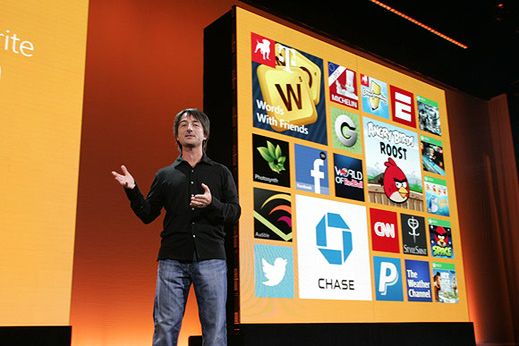
Apple’s App Store has the highest quality apps for iPhones and iPads while Microsoft has been struggling to get developers to come over and make apps for Windows 8 and Windows Phone 8. In an effort to sway the tide of the battle, Microsoft is now trying to woo popular iOS developers over to Microsoft.
This isn’t strictly Mac related, but it’s an interesting discussion on what makes a multi-touch operating system like OS X work, and what makes a similar multi-touch operating system like Windows 8 a complete failure. It’s also an incredibly insightful and concise argument about how Windows 8 fails as a desktop operating system in the four key areas in which an operating system must succeed: control, context, conveyance and continuity.
Brian Bokyo makes a series of excellent arguments on Windows 8’s failure over the course of roughly 23 minutes, but perhaps the video is best summed up in this paraphrased line taken from it: “Use Windows 8 and all of a sudden, a goblin will magically appear, fart in your face and disappear. Moreover, you know it’s going to continue to unpredictably happen again and again… and you’ll never have any idea why.”
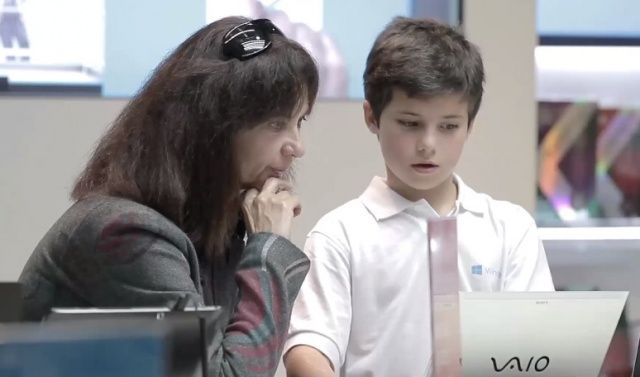
If you pop into your local Microsoft store and ask for a demonstration of Windows 8, there’s a chance the store assistant will disappear and send over an 11-year-old child to help you. That’s what the company is doing in Portugal in an effort to prove its new operating system is so intuitive, even a child can use it. Either that or it’s taking advantage of cheap child labor.
One of the things I’ve always appreciated about Apple is how they approach upgrades. While companies like Microsoft sell their operating systems at an exorbitant licensing cost, Apple has favored an approach in which they release their operating system upgrades either for free (as with iOS) or at a low cost that anyone can afford.
The benefits are big. Updated versions of operating systems tend to be more secure, which helps guarantee OS X’s lead over Windows when it comes to malware. Naturally, then, Mac users tend to adopt new versions of OS X faster than Windows users upgrade, but the statistical disparity might surprise you.
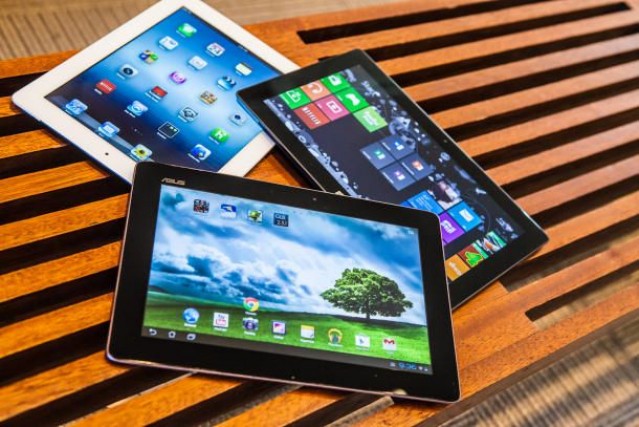
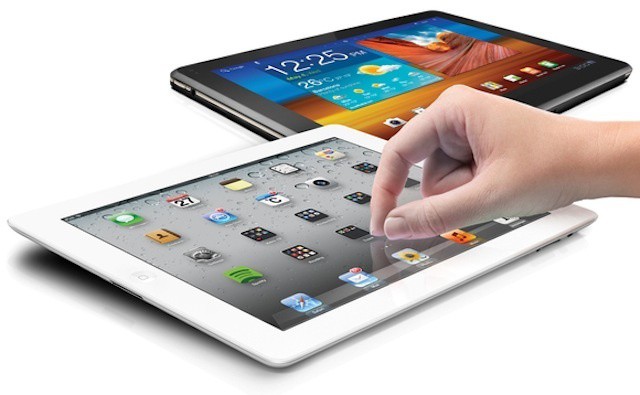
Microsoft’s new Surface RT tablet made its debut today, just three days after Apple announced the new fourth-generation iPad and iPad mini. If you’re not completely dedicated to iOS, you’re probably having a hard time decided which tablet to go for.
To help you make your decision, we’ve put together a handy chart that compares the Surface RT with some of the most popular tablets on sale right now, including the new iPads, the Amazon Kindle Fire HD, the Google Nexus 7, and more.
While the iPad mini looks like a terrific little tablet, that’s sure to make millions for Apple, we’ve learned over the past few days that some people are unhappy with its price tag. Thanks to the rumors, the majority of us expected the device to be priced around $249. But as it turns out, it’s $80 more than that.
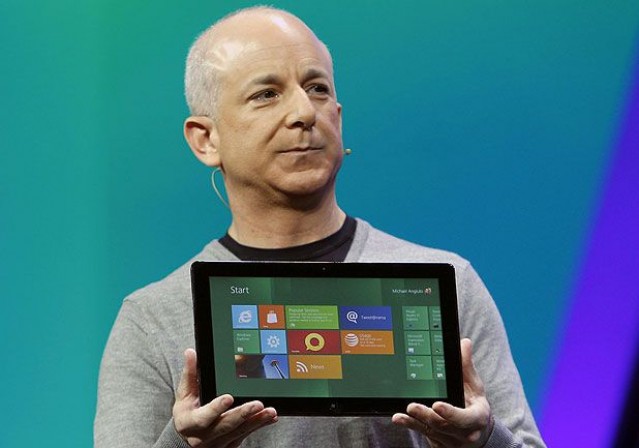
According to Microsoft’s Windows boss, Steven Sinofsky, that’s a lot to pay for a “recreational tablet” when you can get a new Windows 8 laptop for $279.
One of my favorite things about OS X is that if the need ever arises where I absolutely have to use a Windows only application, I don’t have to borrow a friend’s PC, I can just run Windows via Bootcamp right on my Mac. It’s not something I do often, but it has happened a few times.
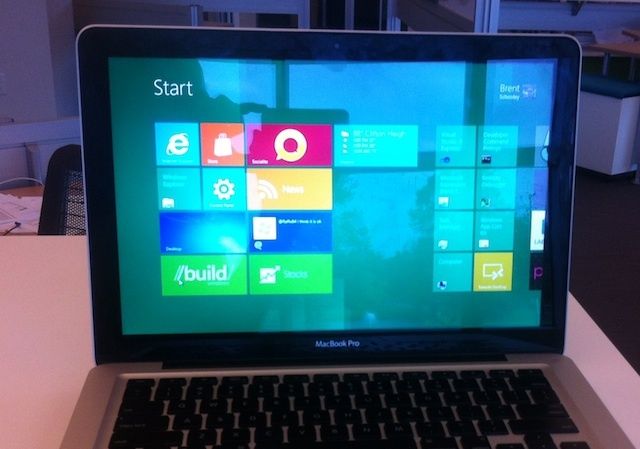
Parallels makes the experience even better by letting you run Windows while you’re still using OS X so you only have to taste Windows for a brief momemt. With the release of Windows 8 approaching though Parallels posted a critical and urgent advisory note today telling Mac users that they should hold off on upgrading to Windows 8 for a little while.
In March Chris Pirillo showed us what happens when you put Windows 8 in the hands of someone who lacks a lot of computer savvy. Windows 8 utterly defeated his dad. Now that Windows 8 is close to launch, Pirillo hit the streets to see how other people respond to Microsoft’s new operating system, and the results weren’t pretty.
People were mystified by the new interface and said they’d need some training on how to use it, which is never what you want from your computer, you just want it to work.
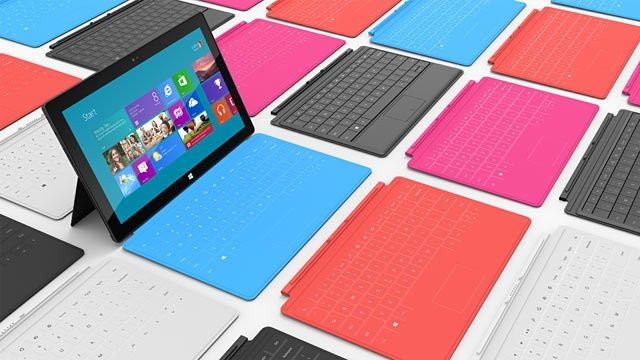
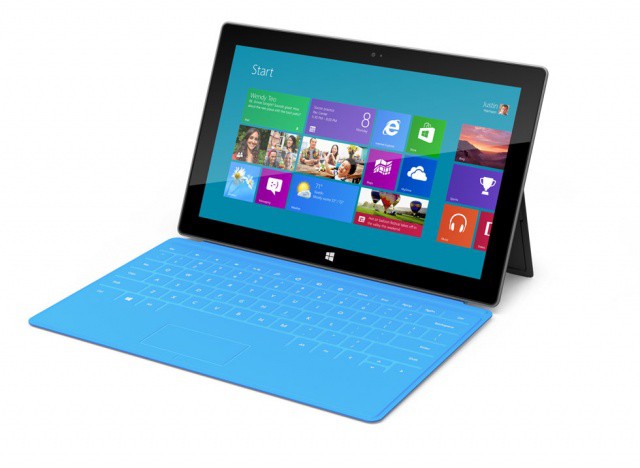
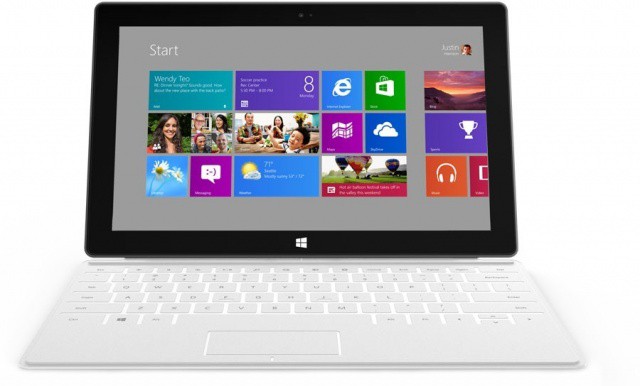
The Microsoft Surface looks really neat. It does all the cool things that a tablet can do, plus you can use the keyboard cover to switch toward more desktop oriented tasks. Now that Microsoft has announced pricing and a release date for the Microsoft Surface, we’re finally getting a clearer picture of whether it can truly compete with the iPad, and we think it’s going to put up a good fight.
For dedicated Windows users, the Surface is a dream machine that’s just as cheap as an iPad with an innovative operating system to match. There aren’t as many apps available for Windows 8 RT as there are for iOS 6, but surely Microsoft is going to be throwing dollar bills at developers over the next few months to get them to port their apps over. Are you thinking about getting a Microsoft Surface, or will you just get an iPad Mini instead?
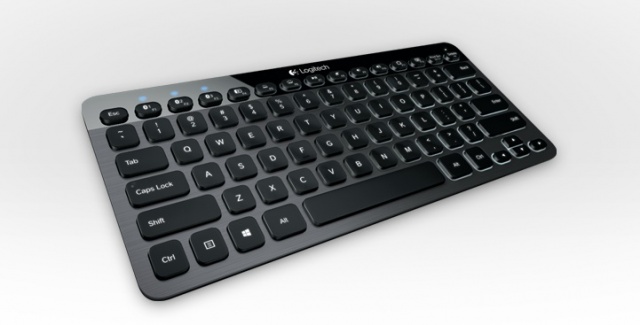
We’re always on the lookout for a good peripheral and if there’s one company that does peripherals, it’s Logitech. Their latest creation looks like something of interest for all us multi-device power users. Logitech’s new Bluetooth Illuminated Keyboard K810 is as the name applies — an illuminated Bluetooth keyboard. What makes it so special? Its ability to quickly and easily switch between your Bluetooth devices.
We knew it wouldn’t be long before VMware’s Fusion 5 had a competitor. Today Parallels has announced the release of Parallels 8 for Mac, the latest edition of its flagship virtualization software, which includes support for Windows 8, and boasts Retina-ready visuals for the new MacBook Pro. Other improvements include support for Mountain Lion Dictation, Bluetooth sharing, and Launchpad integration.
Microsoft may try to challenge the iPad's place in the classroom, but time isn't on its side
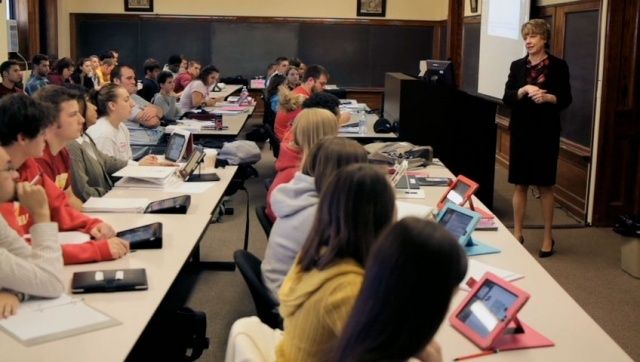
The iPad became a big hit in the K-12 education market over the past year. Pioneering schools that brought Apple’s tablet into the classroom last school year proved that the iPad can be a excellent learning tool – one that has immense power to transform education.
As the new school year begins, and hundreds of thousands of students across the U.S. become iPad users thanks to one-to-one iPad deployments, there’s already talk that the iPad’s success in schools will be short-lived. The belief is that iPads will quickly be replaced by tablets running Microsoft’s Windows RT or Windows 8.
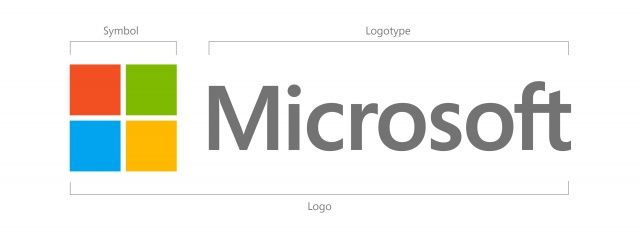
The old one lasted a quarter of a century, but Microsoft has now unveiled a new logo ahead of the anticipated launch of Windows 8, the most radical revision of the world’s most popular desktop operating system to date. It’s boring, but in regards to embracing the minimalism of today’s design trends with a soft, non-stylized font, it does a good job.
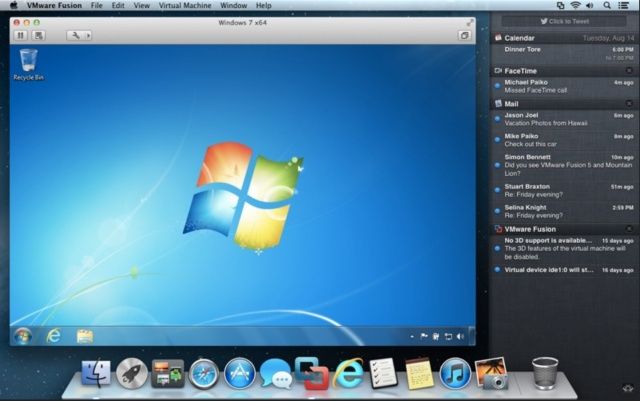
Fusion now supports features introduced in OS X Mountain Lion.
VMware has announced the latest version of its popular virtualization tool, VMware Fusion. Version 5 is optimized for the latest technologies found in OS X Mountain Lion, Windows 8 and the latest Macs — including the Retina MacBook Pro — and includes more than 70 new features “for a Windows on Mac experience never seen before.”
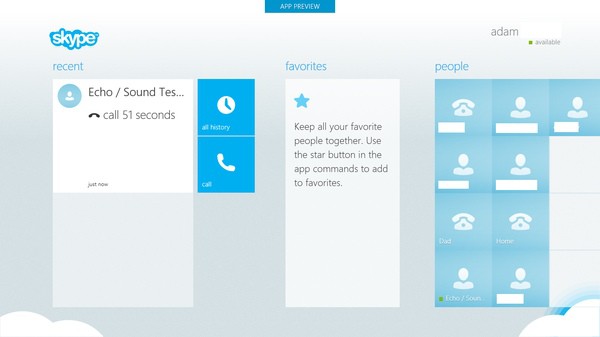
Look! Skype managed to make a non-hideous version of its app.
Say what you like about Windows 8, but Microsoft seems to have knocked developers into line when it comes to interface design. Exhibit a: Skype for Not-Metro, which not only matches the minimal tile design of the OS, but manages to make the iOS version look positively baroque.
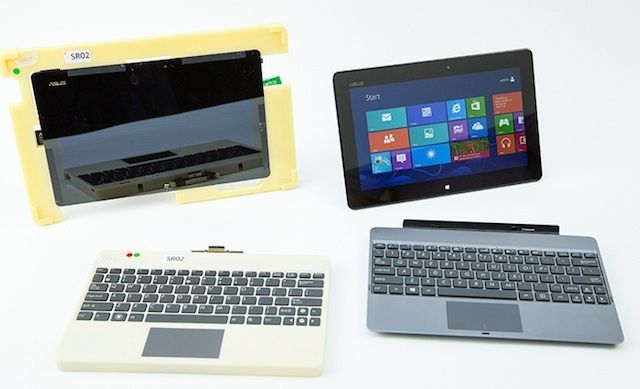
Two key PC-makers drop plans for Windows RT tablets, leaving just five companies making the devices.
Microsoft has positioned its Windows RT tablet OS as an iPad competitor, particularly in business and enterprise markets. Windows RT devices, which includes the ARM-based version of Microsoft’s Surface, are designed to be less expensive than Intel-powered Windows 8 tablets and are meant to push the new touch-oriented Metro interface.
Microsoft has even gone so far as to introduce special licensing terms for businesses that will offer free access to a virtual desktop from Windows RT devices while other platforms, including the iPad, will need to buy a new type of license for such access.
Windows RT would seem a perfect choice for businesses that want to support mobile employees with a tablet, except that Windows RT seems keep hitting one wall after another – the latest being that two of Microsoft’s longstanding OEM partners have decided to pass on creating Windows RT tablets.
Microsoft’s first tablet won’t reach customers until later this, but the company is already working on Surface 2. According to job adverts posted on its Microsoft Careers site between June and August, the company is “currently building the next generation” of “devices that fully express the Windows vision.”
Microsoft will need to spend some serious cash if it wants to make Windows 8 and RT true iPad competitors.
Apple continues to top PC sales thanks to the iPad. Meanwhile, according to research firm Canalys, Microsoft will likely need to heavily subsidize the price of touch-first PCs and tablets if it wants Windows 8 to be anything like a success.
Echoing Tim Cook’s about Microsoft’s Windows 8 strategy being like converging a toaster and a refrigerator, the research firm notes that Microsoft’s approach could jeopardize the Windows 8 launch. Canalys notes that the big issue is that most Windows 8 features are designed for touchscreen use. That means that existing PC owners won’t get the full value or experience that Windows 8 offers unless they upgrade their hardware to a tablet, touchscreen notebook, or a hybrid device that functions as both.
Valve co-founder Gabe Newell knows a thing about Microsoft. After all, he initially founded Valve Software — makers of such mega-hits as the Half-Life, Portal and Left 4 Dead series, as well as the popular Steam digital delivery service — using the millions he made working for Microsoft for 13 years.
So when Gabe Newell says that he thinks Windows 8 is going to be apocalyptical for PC makers and cause OEMs to start fleeing the platform in droves, it’s worth paying attention. Especially since Valve’s Steam delivery service is putting increasing emphasis on Windows alternative OSes like Linux and, yes, the Mac.
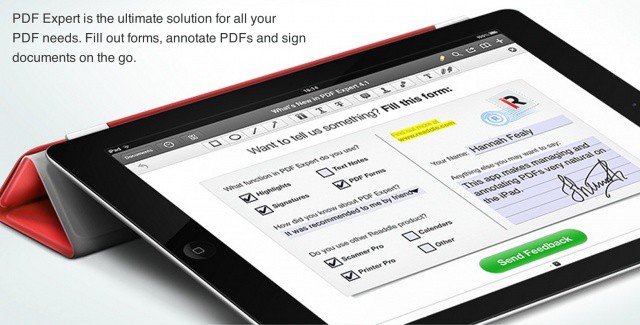
Readdle adds even more features to the iPad's best PDF management solution.
Readdle has today issued a major update to PDF Expert, its excellent PDF management app for iPad, to introduce a number of handy new features. In addition to faster PDF rendering, version 4.1 brings Dropbox AutoSync, Microsoft SkyDrive integration, and more.
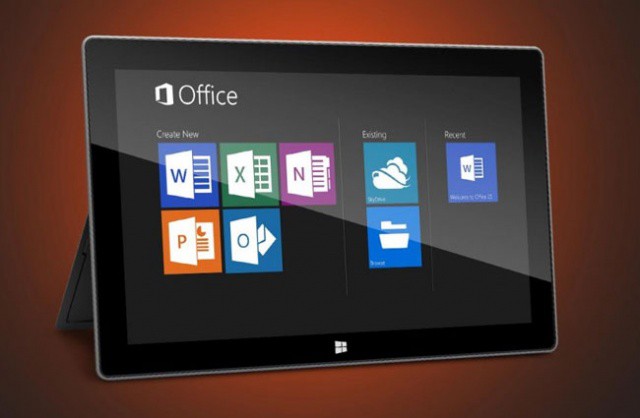
Microsoft announced Office 2013 earlier this week and issued a consumer preview of the software to users running Windows 7 or Windows 8. If you were wondering why there was no preview for Mac OS X, it’s because Office 2013 isn’t coming to the Mac. Microsoft will, however, be adding SkyDrive integration to Office 2011. Great.
This is the first tablet Apple will need to be aware of.
Since its debut back in 2009, the iPad has dominated the tablet market. At the time of writing this piece, the device holds around 55% of the market share in the United States. Rival tablets from the likes of Amazon, Samsung, and HTC have tried to do battle with it, but they’ve had very little impact on its success.
But there is one tablet that Apple will need to keep its eye on: Microsoft’s new Surface. It’s already being dubbed an “iPad killer” by some, and although we’re skeptical the Windows-powered slate will “kill” Apple’s device, there are a number of reasons why the “Pro” variant will have more of an impact than you think.
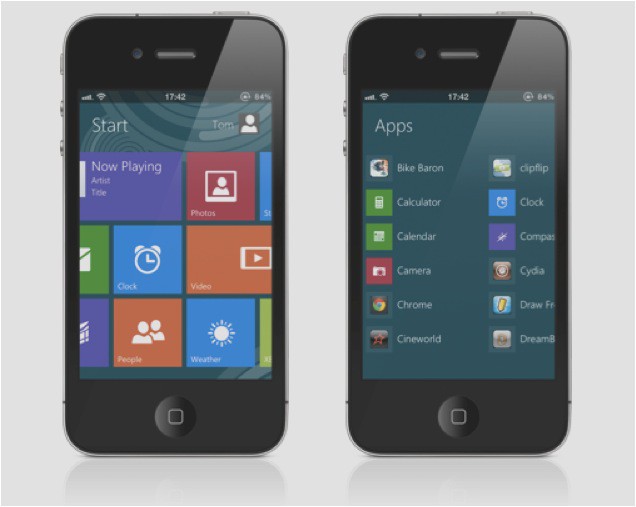
When you’re getting a little bored of looking at the same old home screen, the DreamBoard app for iOS can completely revamp your device with a whole new look. Couple that with a new tweak called Metroon and you have yourself an iPhone that runs Windows 8 (well… almost) — complete with a Metro user interface, live tiles, and even the “Charms” bar.
Toshiba can sleaze it up all they want. If you don't show why customers should want your tablet, they won't buy it.
Despite all the talk about Android, Windows, and other tablets being iPad killers and expected to steal both consumer and business market share from Apple, not one has managed to make a real dent in the iPad’s dominance – particularly in the business space.
There are, of course, plenty of factors that I could point to and say “this is why the iPad is still number one” – IT folks know how to secure and manage iPads, there’s a single form factor, there’s a great selection of apps. I could go on, but one of the biggest reasons Apple that retains the market share that it does has nothing to do with specs, brand loyalty, app choices, or integration with existing enterprise systems.
As this absurd and rather sleazy ad for a Toshiba Windows tablet makes obvious, virtually all Android, BlackBerry, and Windows device commercials don’t tell me anything about what a device can actually do for me.
One thing Apple has done really well over the past few years is eliminating fragmentation in its operating systems. The install base of iOS 5 is over 75%; OS X Lion is around 50%. That’s in less than a year for both operating systems.
To put those numbers in perspective, consider this. Google’s latest operating system, Ice Cream Sandwich, still runs on just 1% of all Android devices after a year, and Microsoft’s Windows 7 operating system hovers at around 50% after almost three years.
Apple’s secret is simple. They charge as little as possible for their operating systems, giving it away free if they can. It’s a good strategy that prevents Apple from having to endlessly support older OSes. And now, Microsoft’s finally going to take a page from Apple’s book.