With a new iPhone just months away, Apple doesn't want to produce too many older models.
While there’s plenty of debate surrounding the next-generation iPhone’s specifics, there’s one thing we do know for sure, and that is that the new device will make its debut at some point during 2012. In preparation for that, Apple has cut existing iPhone orders by around 25%.
The Apple television set won't arrive until 2014, according to one analyst, but you can look forward to an awesome set-top box before then.
Saving up for that widely-rumored Apple television set? Well, according to one analyst, you have plenty of time. J.P. Morgan’s Mark Moskowitz issued a note to investors this week in which he states there is no indication Apple’s TV will make its debut during 2012, and that the current economic climate just isn’t suitable.
Moskowitz believes we’ll be waiting until 2014 instead, but suggests we could see an exciting new Apple TV set-top box before then.
The next iPhone could have faster speeds than your home's DSL.
Many have speculated that Apple’s next iPhone will have lightning fast LTE ‘4G’ networking speeds. Chipset maker Qualcomm has been experiencing incredible demand for its next generation 28-nanometer LTE chips, and industry watchers are saying that device markers are having to adjust their LTE product roadmaps accordingly for 2012.
This news could be a factor in why Apple’s sixth-gen iPhone probably won’t hit the shelves this summer if it does indeed come with LTE. Instead, analysts are predicting an October rollout, mimicking the iPhone 4S launch just last year.
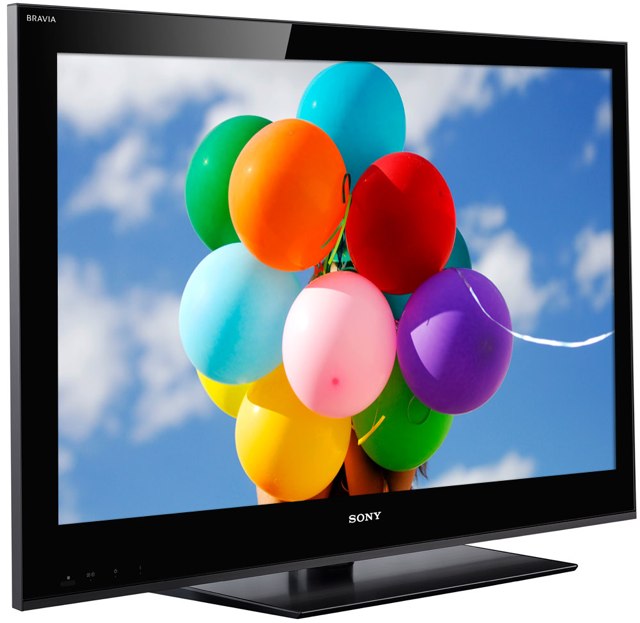
Will Apple declare war on the rest of the TV manufacturing industry?
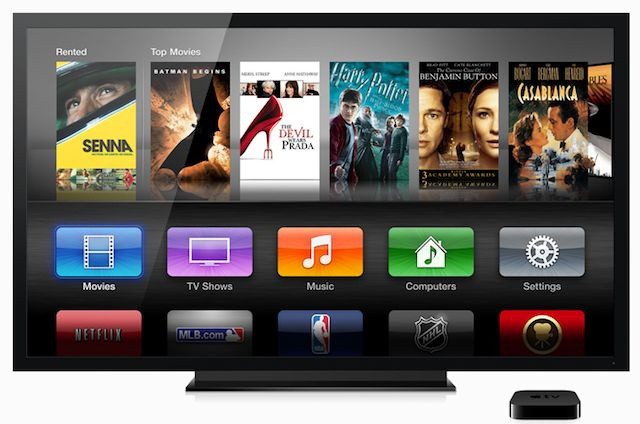
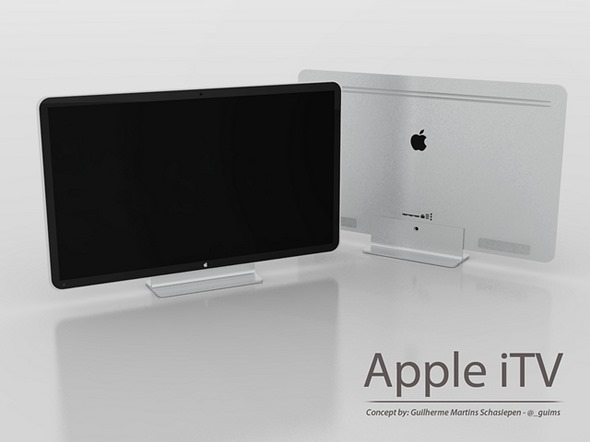
Rumors have been saying for many, many months that Apple is working on a standalone TV set (dubbed ‘iTV’) that will revolutionize the way we consume media from traditional content providers and the internet. Steve Jobs himself added more fuel to the fire when he told biographer Walter Isaacson that he had “finally cracked it,” referring to an integrated TV set. He wasn’t talking about the black set-top box Apple currently sells for $99.
Questions have been raised regarding the plausibility of Apple releasing its own TV set. Is this an example of the rumor mill spiraling out of control, or is Apple actually planning a full-on assault to take over the living room?
Conventional wisdom on Wall Street has it that eventually (and possibly as soon as the end of this year) Apple’s stock price will reach over $1000 a share, largely fueled by the iPhone. But one Wall Street analyst isn’t nearly so optimistic. In fact, BTIG Research analyst Walter Piecyck is downgrading his recommendation on Apple stock from “Buy” to “Neutral…” and his reasons actually make a lot of sense.
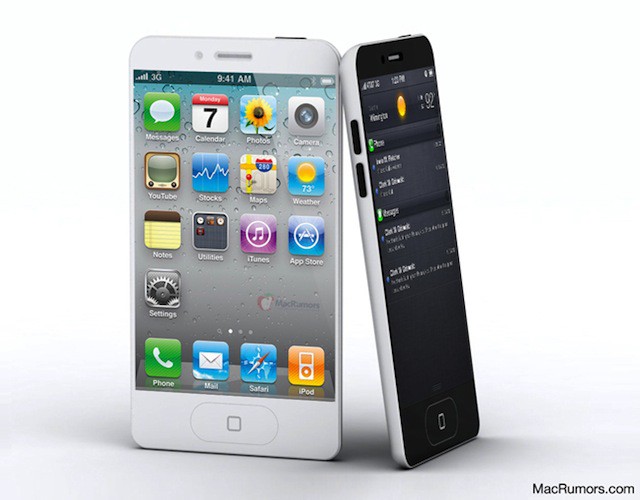
Image of what the next iPhone could look like via Macrumors
Apple is expected to announce its new iPhone later this year, most likely sometime this fall. Some expect it to be a drastic redesign compared to the iPhone 4/4S, with a larger screen and new unibody design.
Analyst Brian White from Topeka Capital Markets has dropped a note this morning, confirming these reports based upon a recent trip to China and saying that the iPhone 5 will be “the most significant iPhone upgrade” yet. He also expects that with the excitement it will bring, the iPhone 5 will push Apple’s stock to a crazy price $1,001 per-share by year’s end.
Chances are to save on your 3G dataplan, you’ve enabled Wi-Fi on your iPhone. However, if you’re an Android user, you’re less likely to do so. According to a new study by ComScore, 71% of iPhone users are connected to a Wi-Fi hotspot, while only 32% of Android users are. So what could be the reason? Perhaps connecting to Wi-Fi on an iPhone is a bit easier.
It's possible (but unlikely) Tim Cook sleeps on a pile on money like this one.
Apple’s stock price has continued to rise at an incredible rate for months, leading one analyst to predict that its shares will reach $1,000 by 2014, making it the world’s first trillion-dollar company.
Most analysts have seemed to agree that Apple’s new Apple TV set, dubbed the “iTV,” is going to launch sometime during 2012. However, Asian research group CLSA has released a note today saying that Apple won’t release the product until 2013, with Sharp providing the display panels.
Sprint might be bankrupt by the device it hopes saves them, says one analyst.
When third-place carrier Sprint first got the iPhone 4S, it quickly became clear that they had literally bet the company on the notion that Apple’s popular handset could save them from being steamrolled by AT&T and Verizon. In fact, Sprint agreed to pay Apple $20 billion over the next four years just to secure rights to the iPhone, whether they can sell them or no. The whole company is riding on the iPhone.
That could have turned out to be a big mistake suggests a new report today, which says that the nation’s third largest carrier is on the verge of going bankrupt. And what bankrupted them? The iPhone.
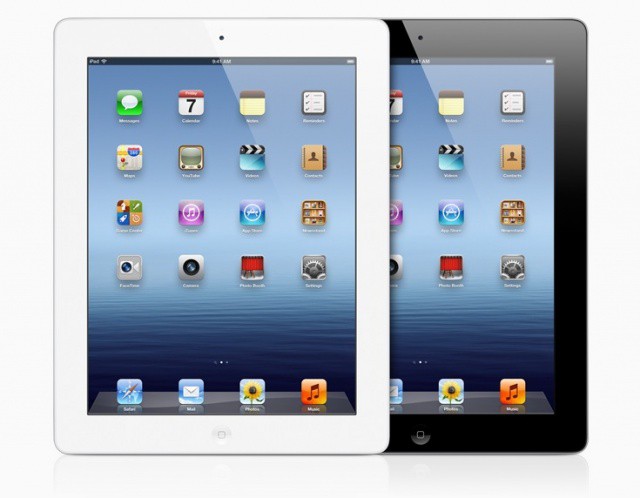
Customers line up for the new iPad outside of Apple's Fifth Avenue store.
Analysts predict that Apple’s new iPad, which has already sold over 3 million units, is shaping up to boost sales of the device by a whopping 156% year-over-year. The tablet is expected to become “measurably larger” that the entire PC market.
Apple announced over the weekend that it had completely sold out of its pre-order stock for the new iPad, stating that demand for the new tablet is “off the charts.” Now analyst Gene Munster is predicting that Apple will sell over 1 million units during the new iPad launch this Friday, March 16th.
When we were at CES this year, Intel and other PC makers were absolutely insane about ultrabooks, the new ultra-slim, ultra-portable form factor that they thought was going to save them from Apple’s one-two punch of the iPad and MacBook Air.
We were skeptical ultrabooks could make a dent against the Air, and looks like we were right: JPMorgan analyst Mike Moskowitz has just sent out a new note to clients, downplaying the impact of ultrabooks on the MacBook Air’s success. Ultrabooks, he says, are a dud.
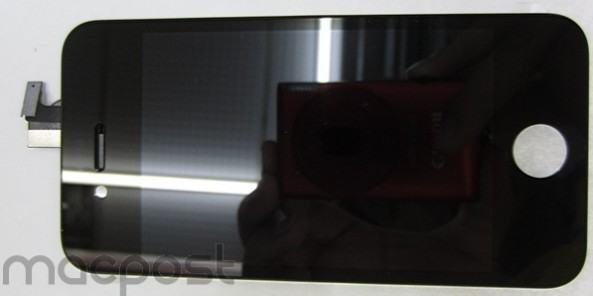
There’s continued speculation Apple will unveil its next iPhone with a 4-inch screen. A Wall Street expert lent his voice to the chorus, telling investors the new device will begin production in June. But how will Apple increase the 3.5-inch screen and retain the iPhone’s iconic style?
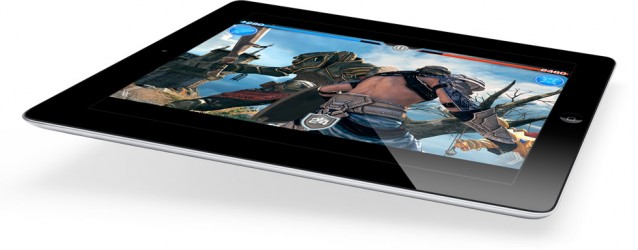
Treating yourself to an iPad 2 this Christmas? Well, you may want to hold onto your cash for a few months. According to sources in Apple’s supply chain, manufacturers have already begun shipping parts and components for the iPad 3, which is expected to launch in just 3–4 months.
Steve Jobs told his biographer Walter Isaacson he had “finally cracked” the television set, sparking more rumors his team in Cupertino are on the cusp of launching a revolutionary new television that will change home entertainment forever.
Apple won’t be the first to attempt this, however. Sony’s CEO Sir Howard Stringer says he is competing against Steve Jobs to change the traditional television set.
Apple has been on quite the winning streak lately. With the next iPhone announcement on the horizon, things are only looking up for the folks in Cupertino.
With Apple set to reveal its last quarter financial results on October 18th, predictions are that the company will see growth in Mac and iPad sales, with a slight decline in iPhone sales.
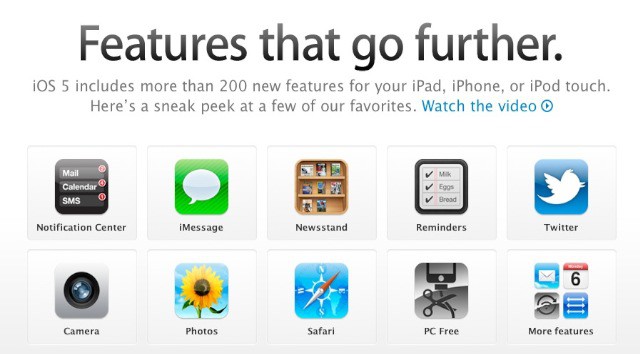
While we all patiently await the release of iOS 5, Apple’s assemblers could be getting a gold master release from September 23, according to one analyst — just in time for a mid-October launch of the long-awaited iPhone 5.
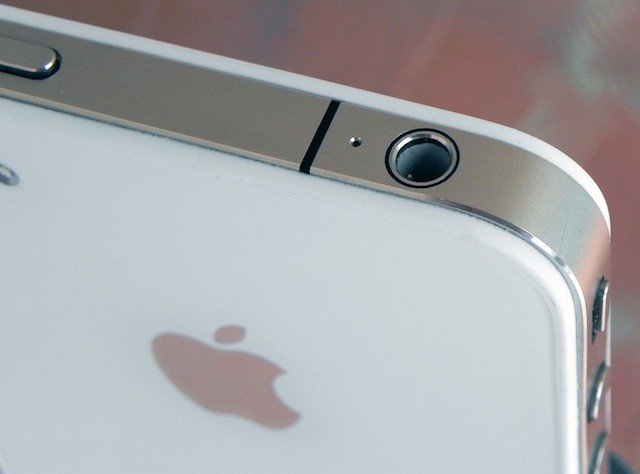
While the vast majority of us gave up hope on the white iPhone 4 and just bought the black one instead, one analyst believes that the white device’s “mystique and scarcity value” could generate 1-1.5 million sales per quarter for Apple. Brian White, an analyst at Ticonderoga, believes the delay in the white iPhone’s release could drive sales.
Speaking to The San Jose Mercury News, White said:
The purchase of consumer electronic devices is not always a completely rational decision, and people buy Apple products for many different reasons, including status, aesthetics, functionality, quality and the ‘cool factor.’
In our view, this delay has created a certain mystique and scarcity value around the white iPhone 4 that we believe could drive incremental iPhone 4 purchases in the range of 1 million to 1.5 million units per quarter until the iPhone 5 potentially comes to market in September.
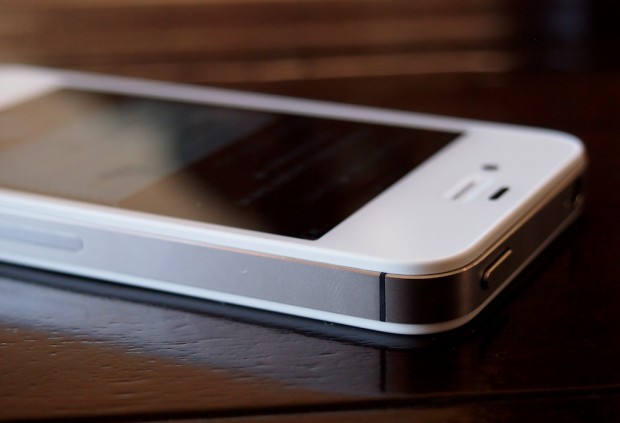
The white iPhone 4 finally went on sale today – 10 months after it was announced. Various manufacturing difficulties were blamed for its delay, and at times many speculated the device would never make it to market. A Cult of Mac poll yesterday revealed that only 12.41% of readers will buy the white iPhone, while 40.98% said they were now waiting for the next generation of the device.
With Motorola’s upcoming Android Honeycomb tablet and Research in Motion’s imminent PlayBook both set to use new dual-core ARM processors, the iPad 2 will have make a similar jump if it is going to stay competitive according to a recent analyst note.
According to a new report by analyst Brian Marshall, we should all expect the iPad 2 in April.
No duh. Apple’s stuck to a rigidly defined yearly update cycle for all of their iOS devices, so you don’t need to go to Analysis U. to figure out exactly when to expect the next iPad.
But the April date for the iPad 2 isn’t really the meat of this story. More interesting is what Marshall says we should expect spec-wise from the iPad 2, which is… nothing special at all.
Over in the world of Android smartphones, one form factor that has been seeing an increasing push from handset makers is the 4.3 inch touchscreen phone, best exemplified by the likes of the Motorola Droid X and HTC EVO 4G. That’s significantly larger than the iPhone’s 3.5-inch touchscreen.
While many companies are embracing this larger display, which makes internet browsing a lot easier at the expense of pocketability, it’s unclear if consumers really prefer it… which makes the claims of one Wall Street analyst that Apple will expand the iPhone line with a series of handsets with larger displays pretty suspect.
According to Shaw Wu, a Wall Street analyst from Kaufman Brothers, sources familiar with Apple’s overseas suppliers say that Apple is considering larger as well as smaller displays for its iPhone line.