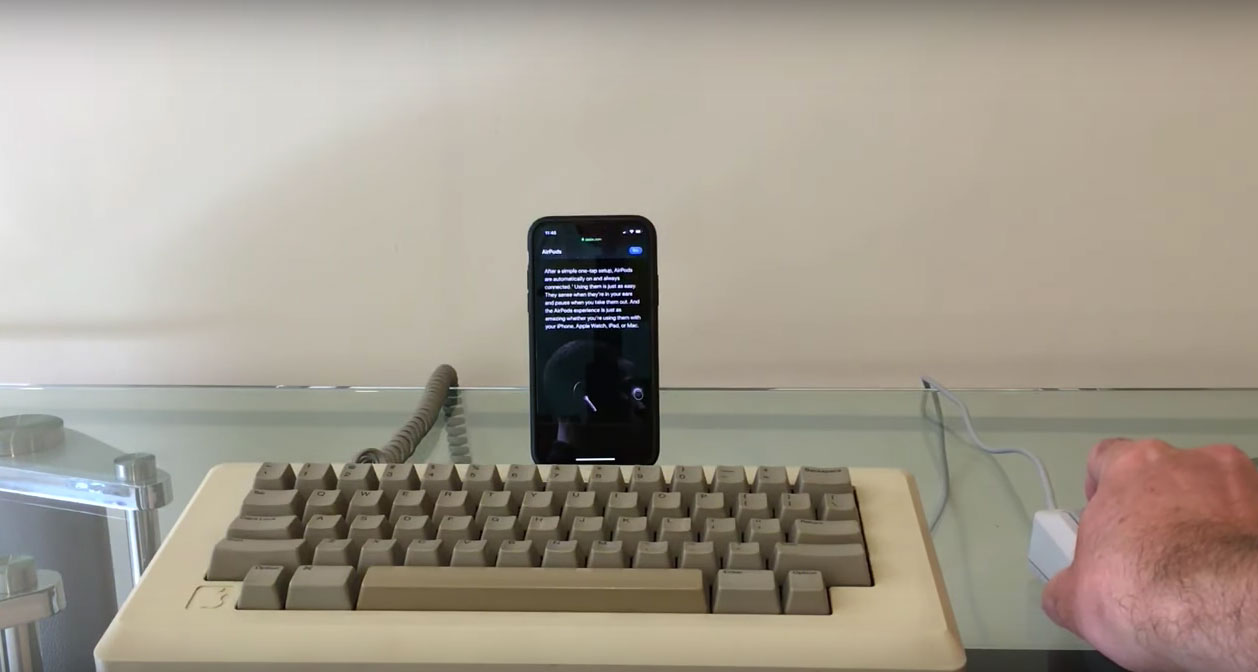
Tap through your iPhone, 1980s-style, with a vintage Mac keyboard. Photo: Niles Mitchell/YouTube
The living can communicate with the dead — and Niles Mitchell regularly holds seances on YouTube to prove it.
Mitchell is a true medium, putting contemporary technology like the iPhone or Apple Watch in touch with obsolete hardware. He connects the two worlds and gets devices, old and new, to work together in ways likely never imagined by their creators.
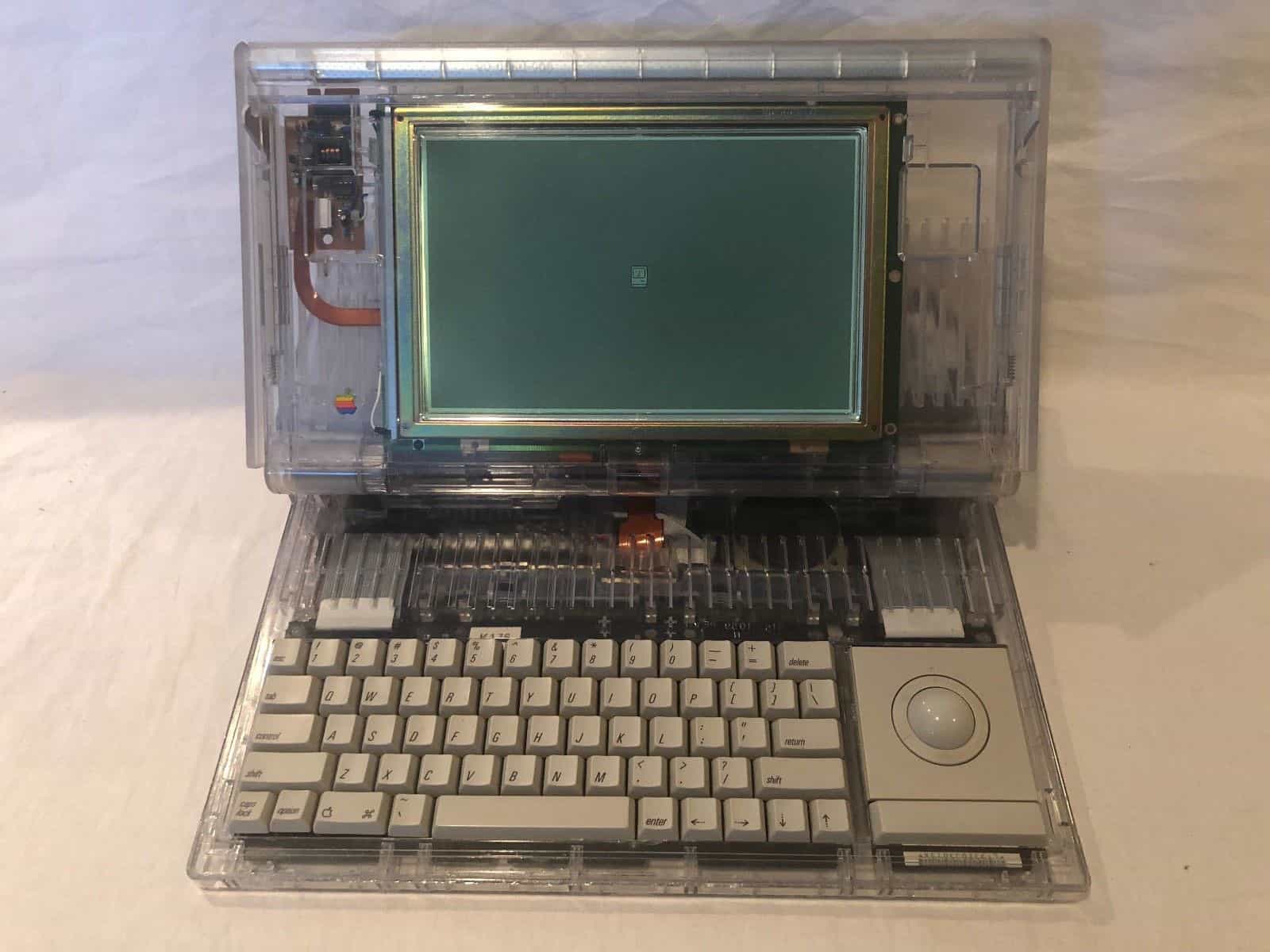
This early backlit Mac laptop sold on eBay for more than $16,000. Photo: Hap Plain
A rare Macintosh prototype that was once rescued from the trash recently sold for more than $10,000 on eBay.
But the winning bidder backed out and now, the clear-plastic Macintosh Portable M5126 laptop is back on the auction site. Bidding started at 99 cents with no reserve.
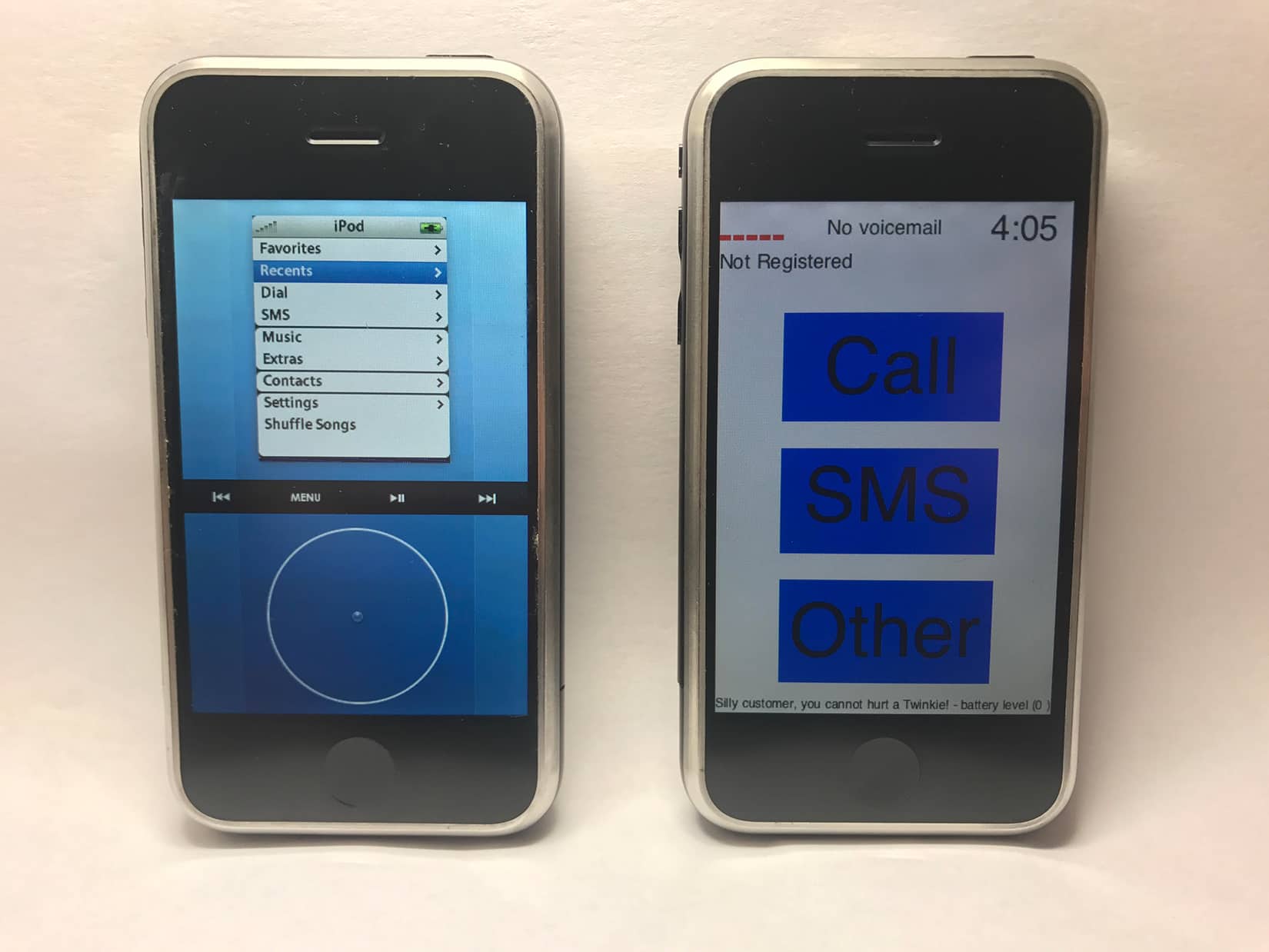
These prototypes show some of the early steps Apple took in developing the revolutionary iPhone. Photo: Hap Plain
Apple collector Hap Plain can observe the iPhone’s 10th anniversary today by powering up two extremely rare iPhone prototypes — and you can see them in action, too.
The prototypes, which likely passed through the hands of Apple execs including Steve Jobs, Tony Fadell and Scott Forstall, offer a unique glimpse at iPhone development. You can see Plain fire them up in the video below, the latest entry in Cult of Mac’s collaboration with Wired UK to recap a decade of the iPhone.
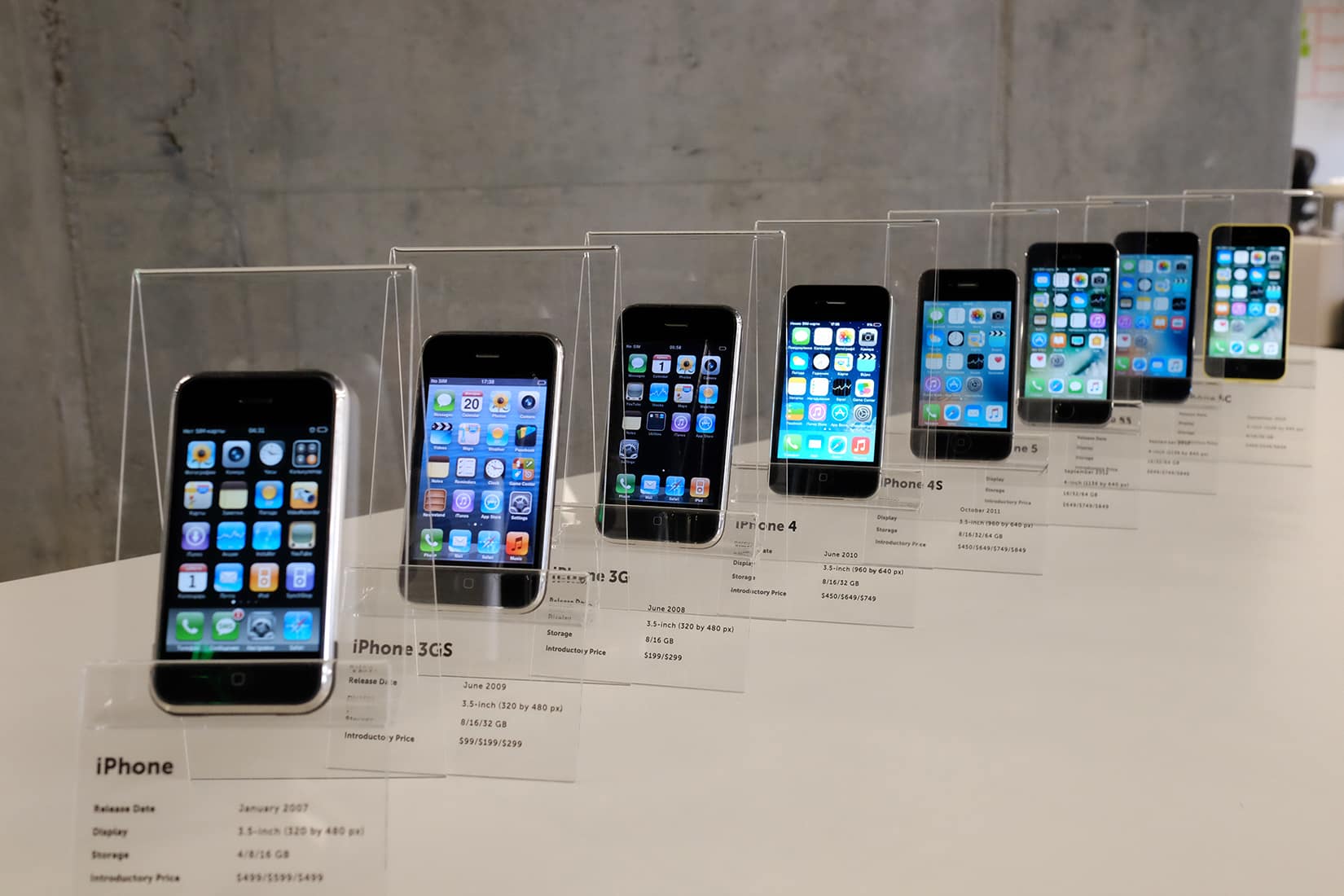
A collection of iPhones, presented as a 30th birthday present to MacPaw CEO Oleksandr Kosovan, fills a critical hole in his private Apple museum. Photo: MacPaw
Buying a birthday present for your boss can seem impossible. But the friends and co-workers of MacPaw CEO Oleksandr Kosovan — a diehard Apple fan — saw an opening after he bought a treasure trove of vintage Macs to create a museum at his company’s headquarters.
MacPaw’s mini Apple museum, filled with vintage gear auctioned off by fabled Apple repair shop Tekserve, contained no iPhones. Leaving out the smartphone that changed the world seemed like a glaring hole in a collection that otherwise did a good job of showing Apple’s role in revolutionizing personal computing.
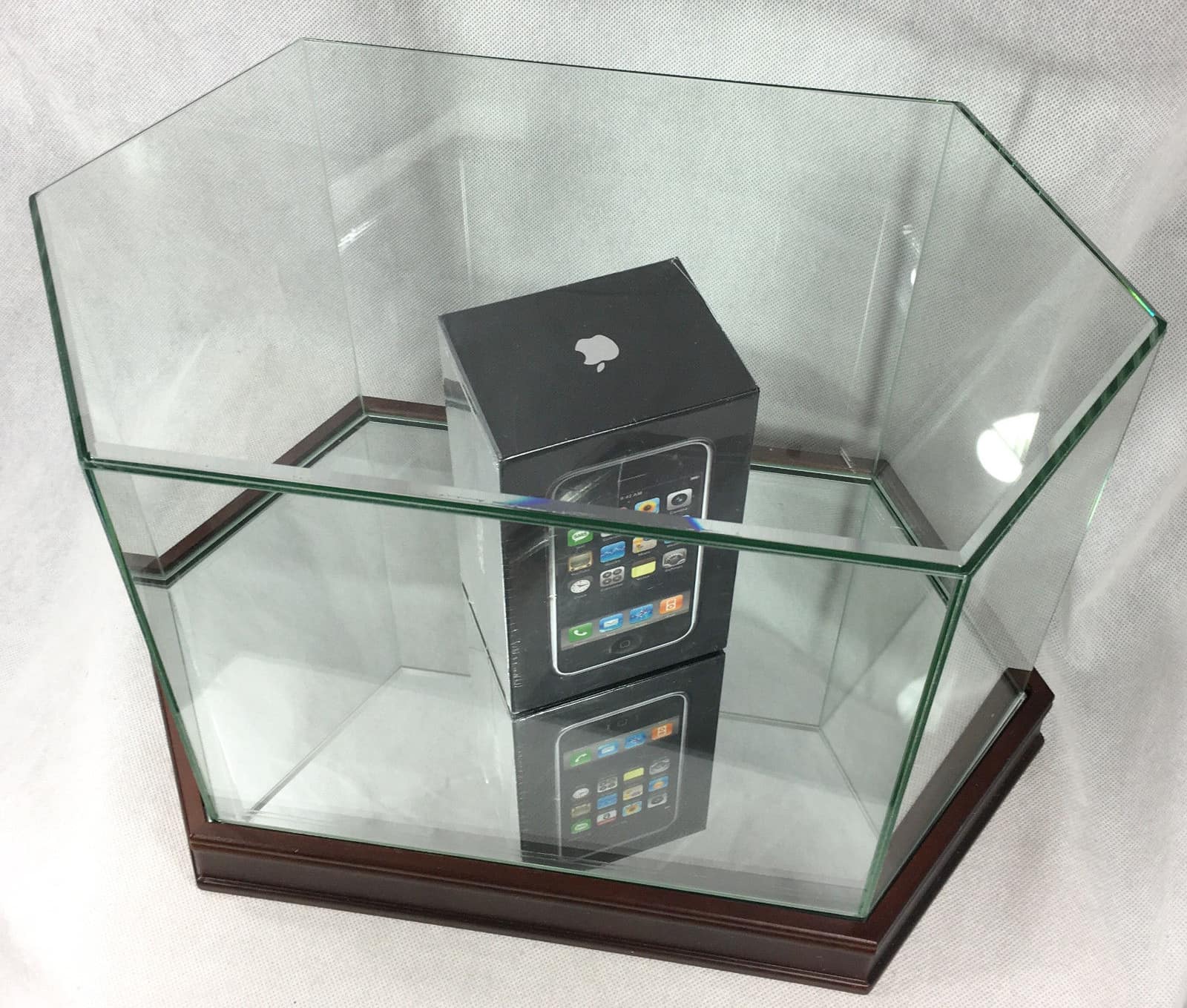
A 2G iPhone never opened and under glass. How much would you pay? Photo: Discount Depot/eBay
When the iPhone launched in 2007, the tech world went into conniptions about the device’s price tag. At a time when carriers offered most cellphones for free, the iPhone’s $500 starting price seemed downright crazy.
Well, guess how much an original iPhone costs now?
Is it worth $3,000? How about $500? Photo: garmont2222211/eBay
The lucky few who have heard the audio from Apple’s new HomePod say it’s spectacular. Does it sound as good as the Hi-Fi stereo boombox Apple made for the iPod?
One way to find out is to buy one currently on eBay – for $2,999.99.
When legendary Mac repair shop Tekserve closed its doors last summer in New York City, Apple fans of a certain age experienced two deaths.
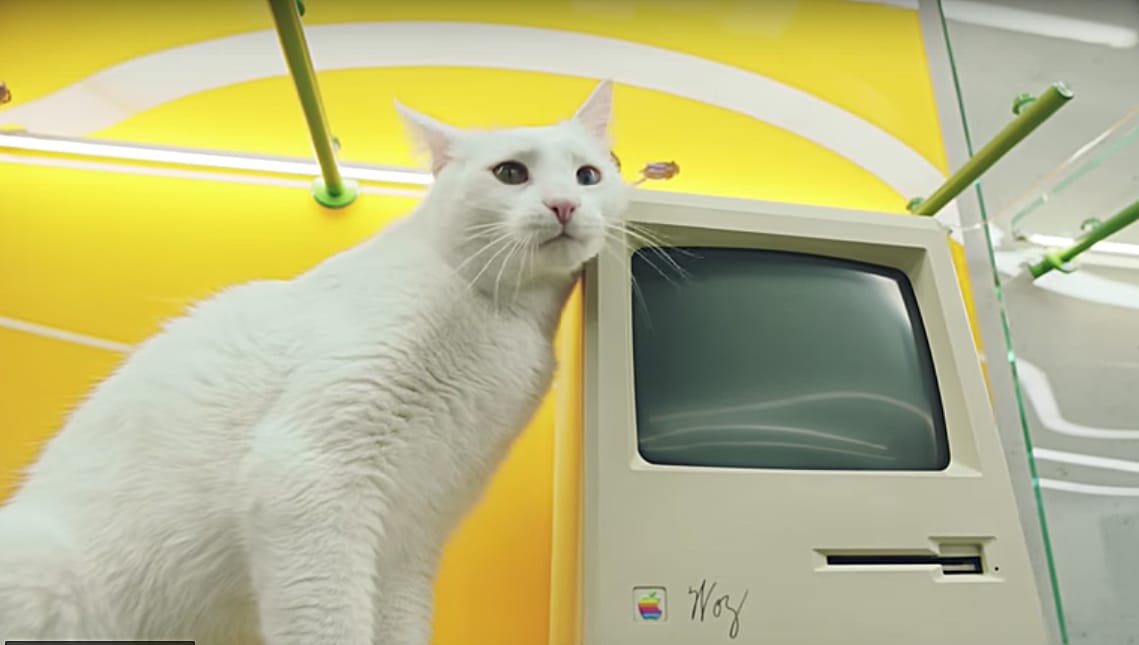
They bade goodbye to the original Genius Bar, technicians that had been servicing their devices for nearly 30 years. Those fans would also never again stare at Tekserve’s impressive Apple computer artifact collection, which was quickly auctioned off to an unknown bidder for $47,000.
The collection returned to a museum display today, more than 4,600 miles away in the Ukraine. Its new home is at the headquarters of software developer MacPaw.
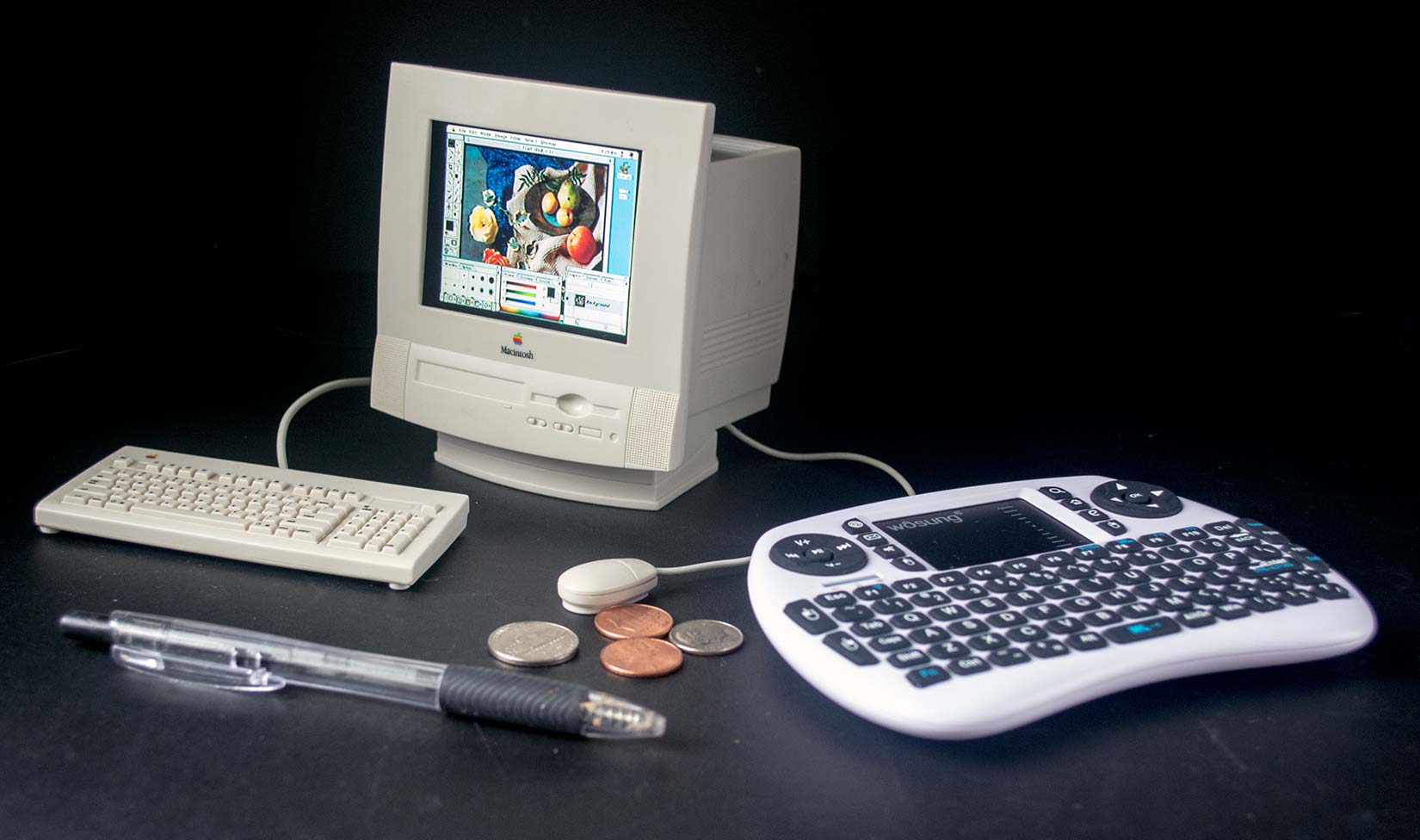
This tiny Mac can run tiny Photoshop for work on tiny pictures. Photo: Javier Rivera
Javier Rivera has a daughter, but the American Girl doll accessory he found on eBay was for him. It was a miniature Macintosh computer, a non-working toy for an 18-inch doll, and he had to have it.
The nerd in him believed he could make it run Photoshop.
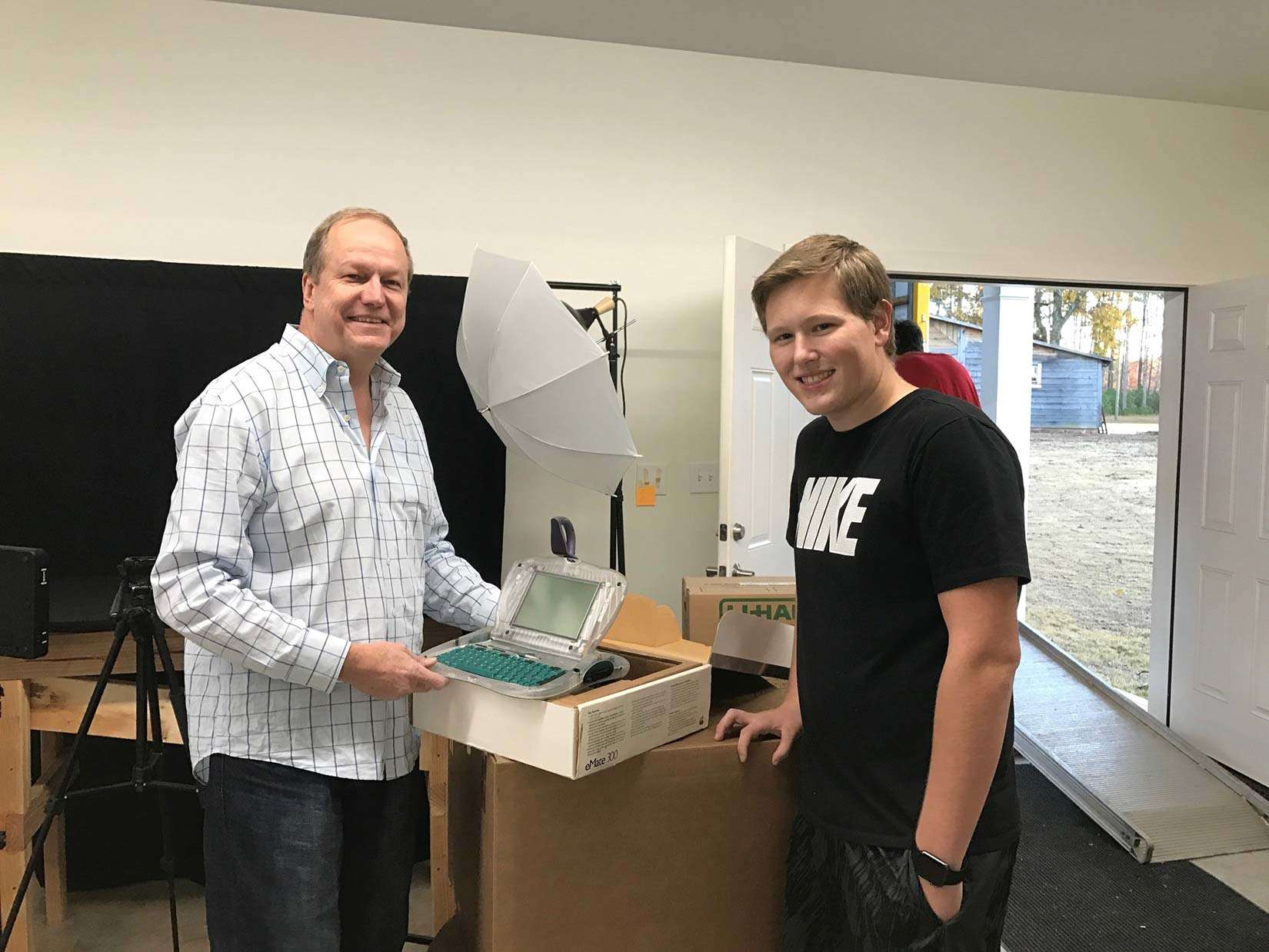
Vintage tech collectors Lonnie Mimms, left, and Alex Jason pose with an Apple e-Mate prototype, part of a collection Alex sold to Mimms. Photo courtesy of Bill Jason
Alex Jason, the Maine teenager who used lawn-mowing money to build one of the most impressive collections of rare and historical Apple devices, recently packed it all in a 26-foot truck and made a heartbreaking trip to deliver it to a new owner.
The dream of creating a museum with the collection had hit a snag. Alex had the building and even an impressive board of directors that included Mac designer Jerry Manock. But raising capital to renovate the site proved near impossible in sparsely populated Maine.
The Vintage Mac Museum heads west to Montana Photo: Adam Rosen
Adam Rosen’s collection of vintage Macs doesn’t make him a hoarder, but he acknowledges it doesn’t make him an obvious choice for a husband, either.
In several rooms of Rosen’s Boston home you’ll find a love story nonetheless. The rooms are shrines to a high school sweetheart that matured and grew more sophisticated with time, a friendly face still aglow with “hello.”
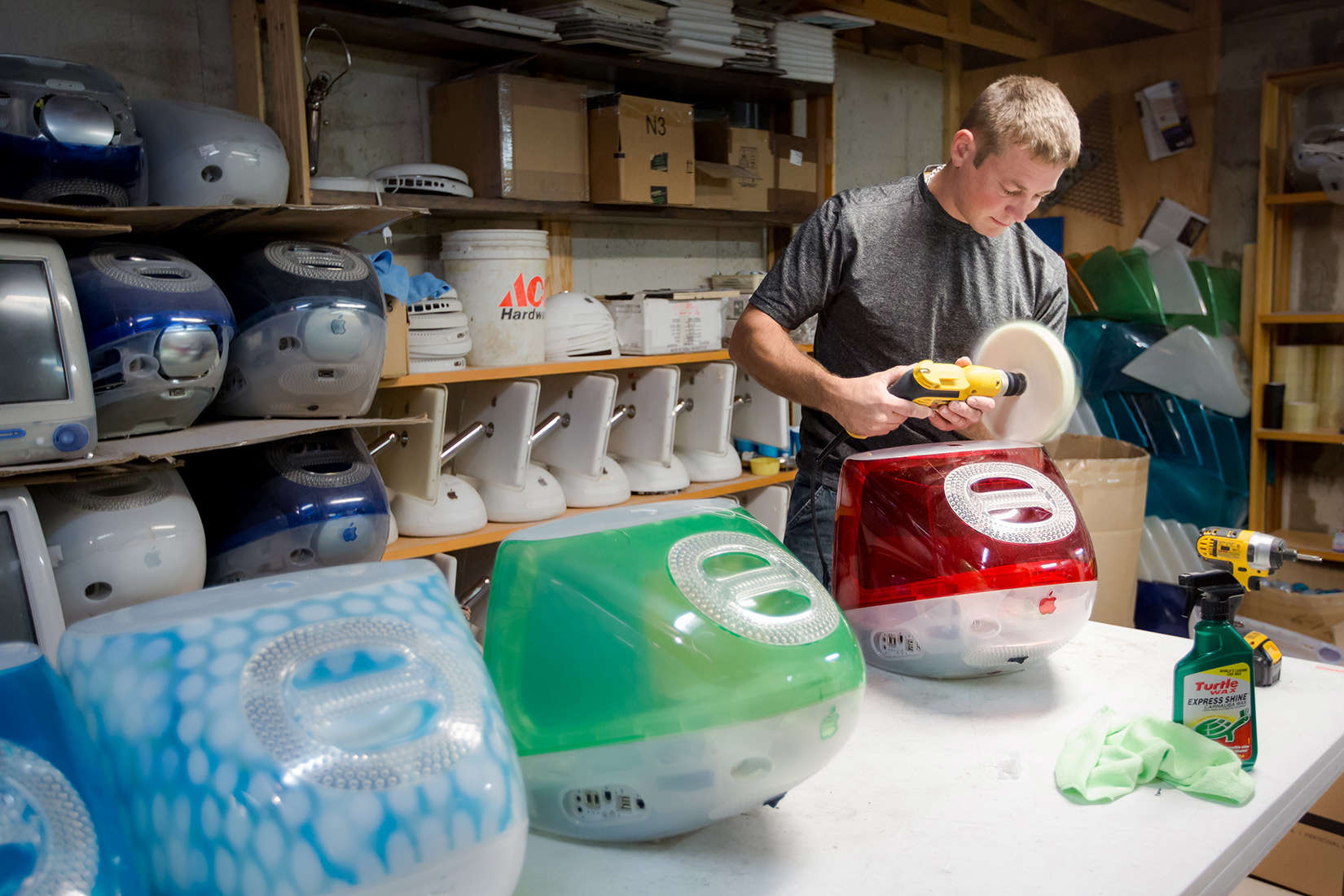
Jake Harms in his Nebraska workshop, where he turns old iMacs into home furnishings. Photo: Steph Harms
Jake Harms was on his way to the warehouse when a supervisor asked him to take a cart full of garbage to the dumpster. On top of the cart was an old indigo blue iMac G3.
Crossing the warehouse floor, Harms needed to turn left toward the dumpster. Instead, he steered the cart right toward the parking lot so that he could offload the broken iMac into his car.
That rescued iMac would become the first of more than 700 to get a second life as an aquarium.
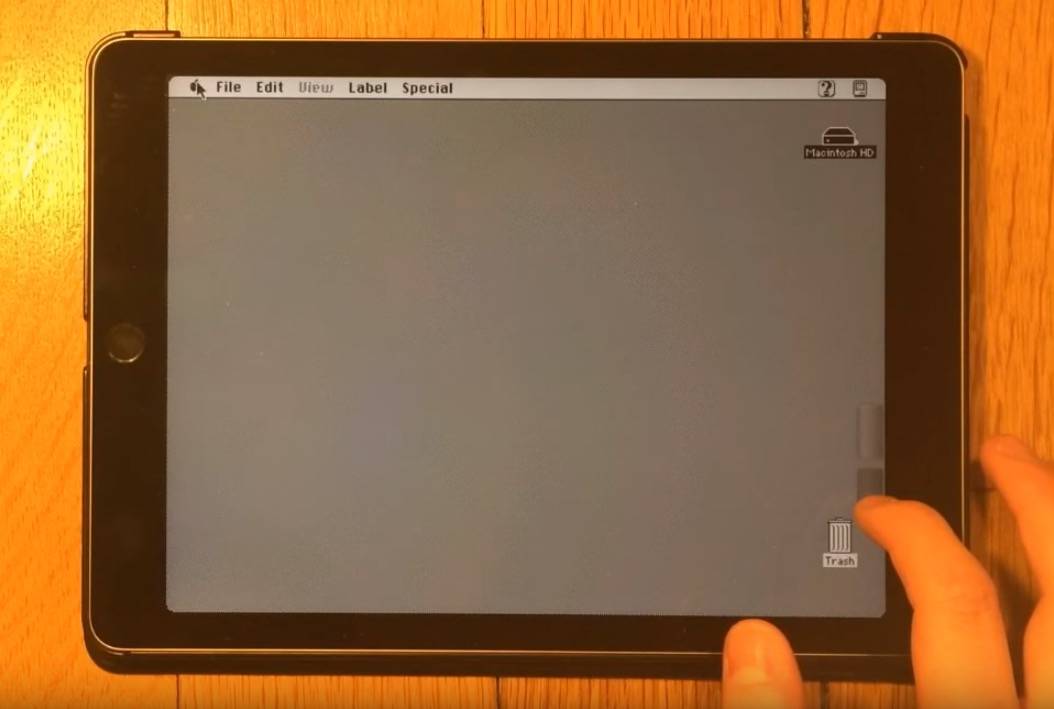
An iPad Air 2, running Mac OS 7.5.5 Screenshot: Cult of Mac
Since it was first released, people keep asking when the iPad will be able to run OS X, and while iOS keeps on becoming more like OS X with every passing version, you still can’t run Mac apps on your iPad… right?
Not quite. Technically, it’s possible to run Mac apps on your iPad Air 2. But prepare for it to be sloooooooow, and don’t expect El Capitan, Yosemite, or even Snow Leopard compatibility. This technique tops out with Mac OS 7.5.5, which was first released 19 years ago.
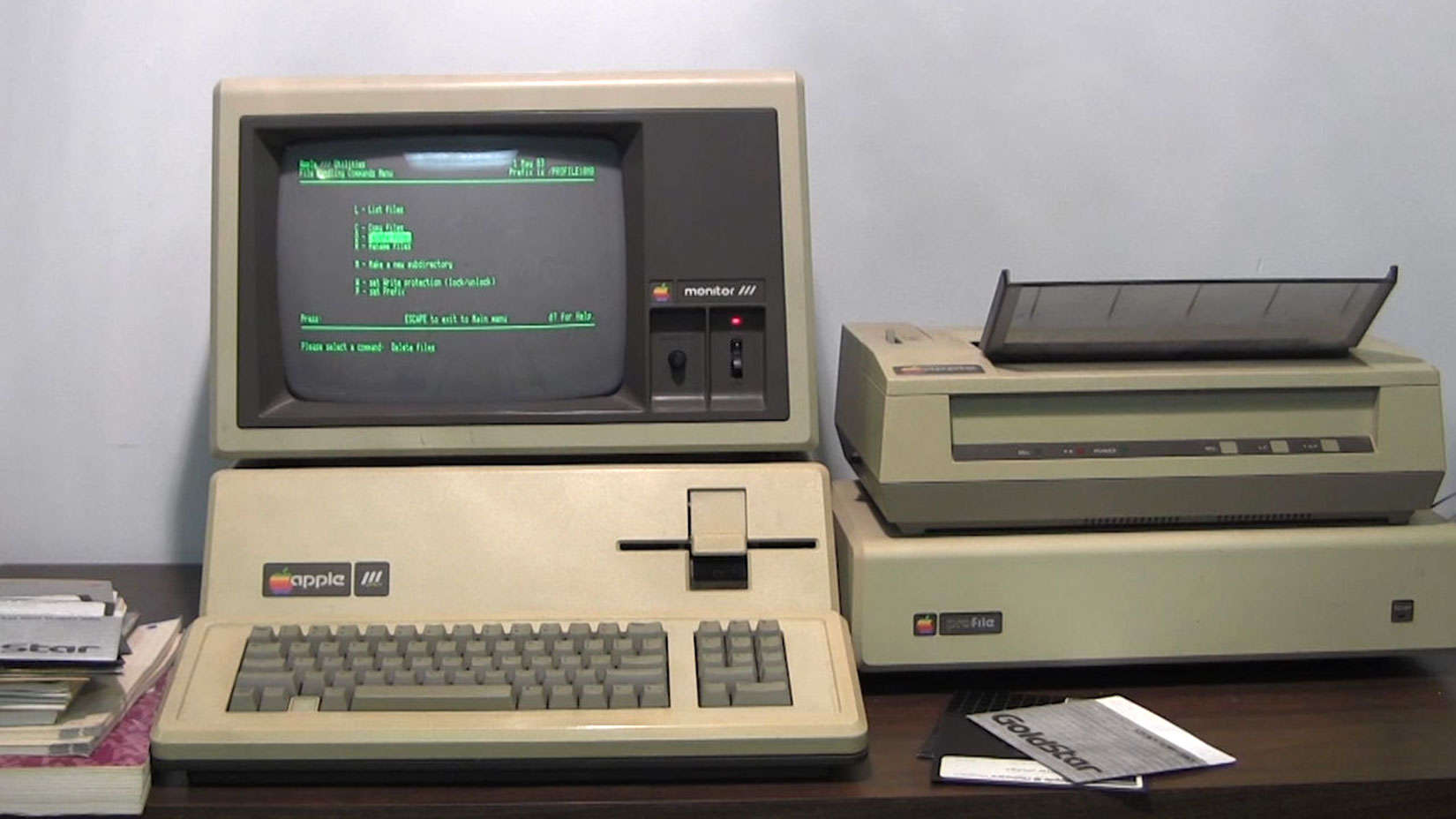
This Apple III Plus still works after spending the 1980s scheduling yoga classes at a spiritual retreat center. Photo: Yogaville/eBay
As far as computers go, the Apple III was a rather rotten Apple. The first 14,000 were recalled with hardware problems galore and even with bugs eventually worked out, Apple never could erase the computer’s “lemon” label.
But if you’re willing to give the Apple III a second chance, there is a working one for sale, complete with manuals, startup disks and, quite possibly, the good karma of a famous swami.
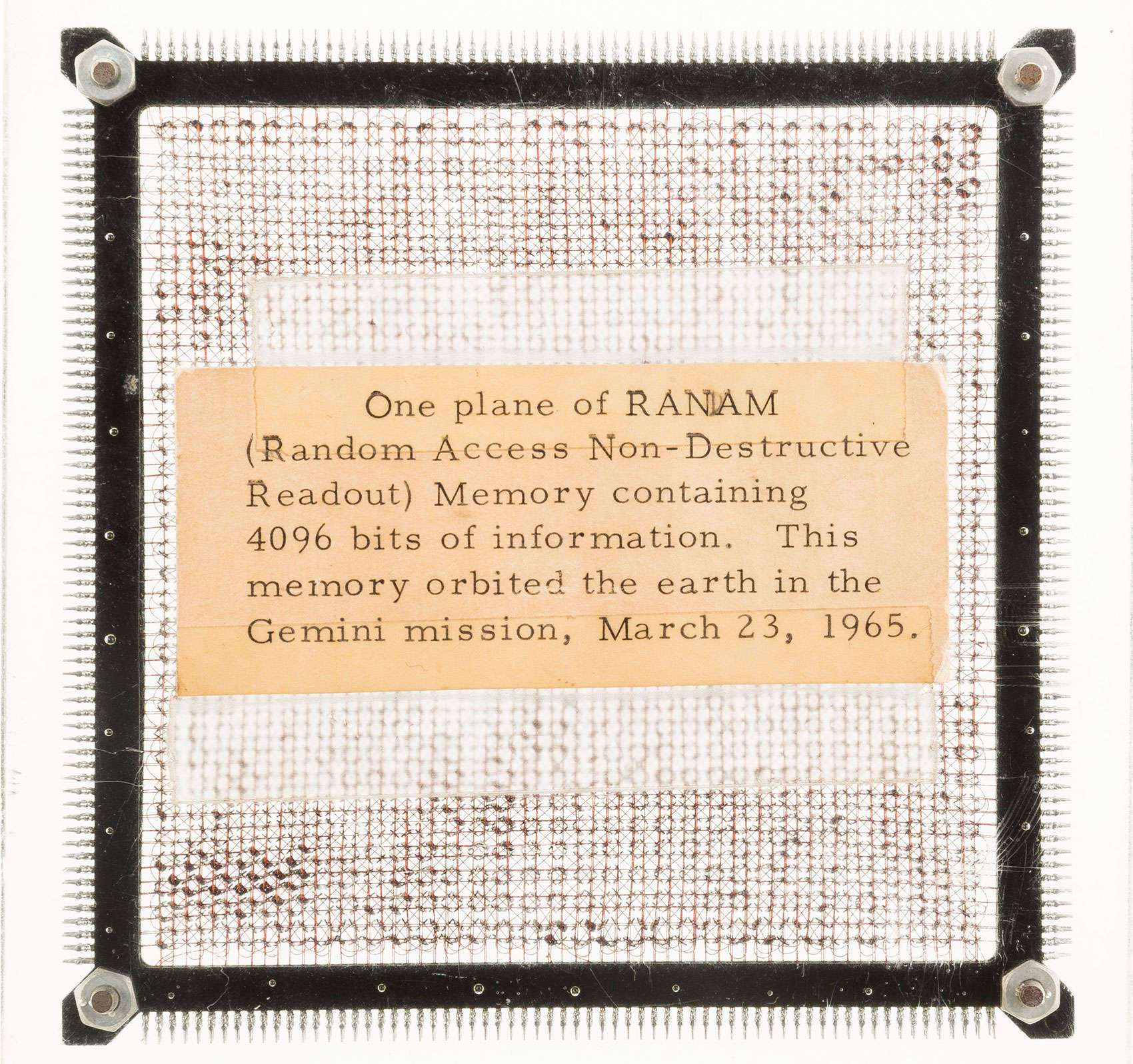
This computer chip is from the first computer ever used in a spacecraft. Photo: Heritage Auctions
A memory chip that originated from the first digital computer on a manned space flight will be up for auction next month in Dallas. For those calling in a bid, the smartphone in their hand has more than 250 million times the capacity of this chip.
The onboard computer for Gemini 3 aided astronauts Gus Grissom and John Young with several phases of their March 1965 mission, including prelaunch and re-entry. The 4.25-inch chip, a Random Access Non-Destruction Readout Memory Plane contains 4,096 bits of information, equal to about half of a K.
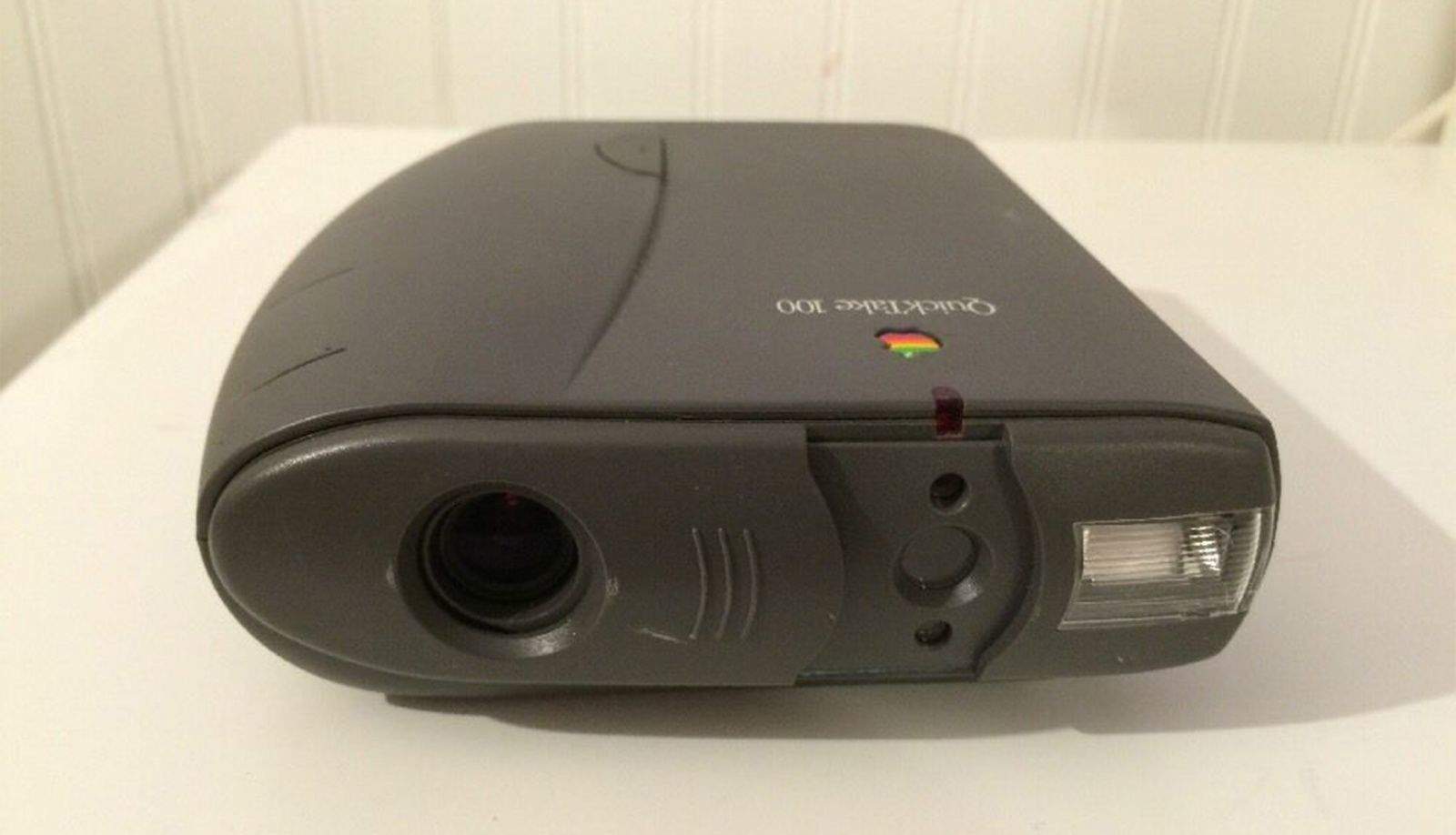
The Apple QuickTake 100 was awful lot of camera to produce awful images. But one of the first consumer digital cameras had to start somewhere. Photo: kezboy/eBay
Sometimes the future is a fuzzy picture. This was literally true when looking at a 0.3-megapixel image produced by one of the first consumer digital cameras, Apple’s doomed QuickTake.
Launched in 1994, the QuickTake didn’t exactly take off. The bulky behemoth looked like a pair of binoculars. There was no preview screen, so when your camera was full — after just eight pictures at the highest resolution — you had to plug the gadget into your Mac to look at your photos.
Enlarged beyond the size of a postage stamp, the pictures weren’t very sharp. Photographers scoffed that digital files would never record the detail of film.
After three models and three years of modest sales, the QuickTake was scrapped in 1997 along with other non-computer products when Steve Jobs returned to the company.
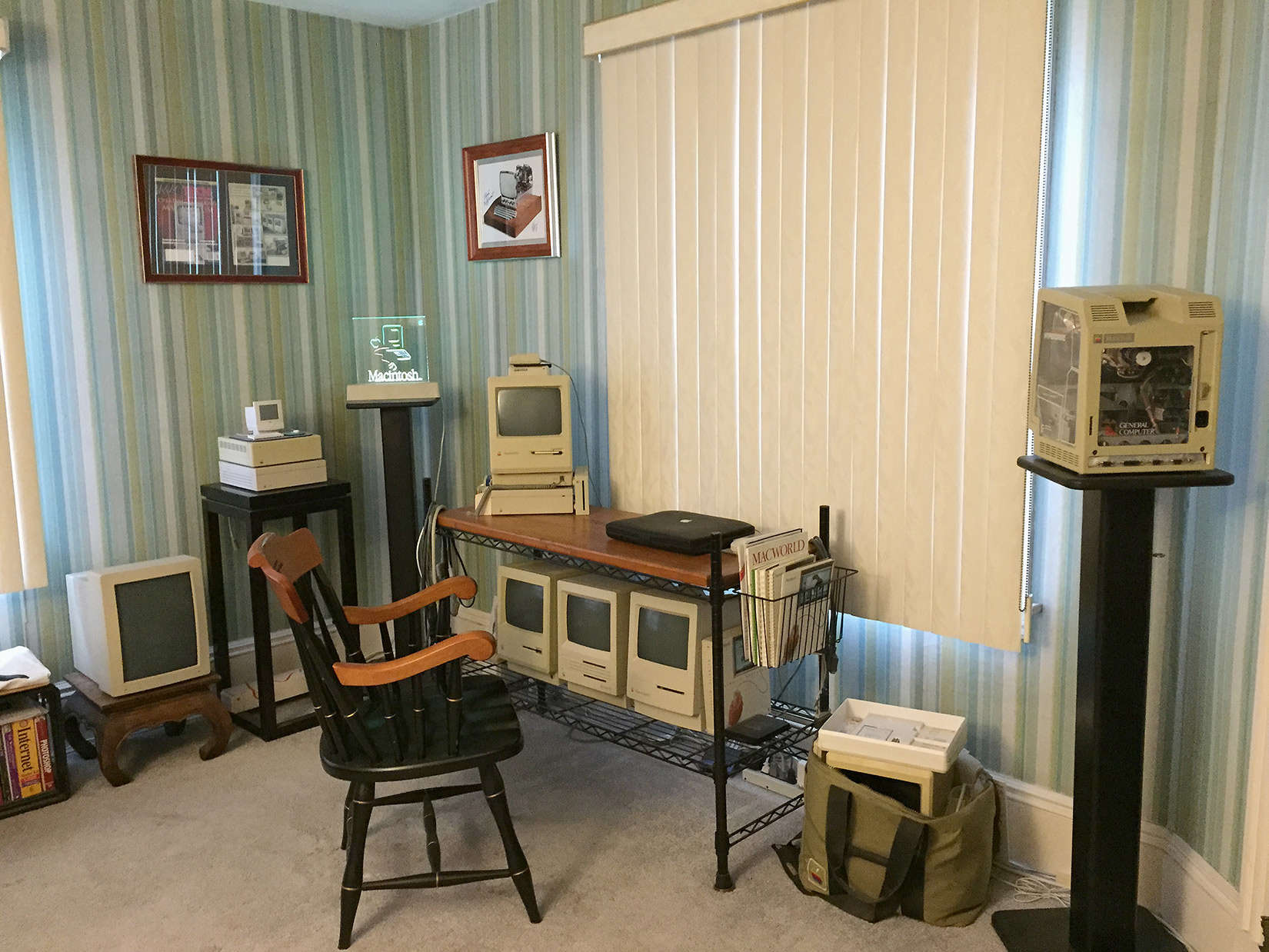
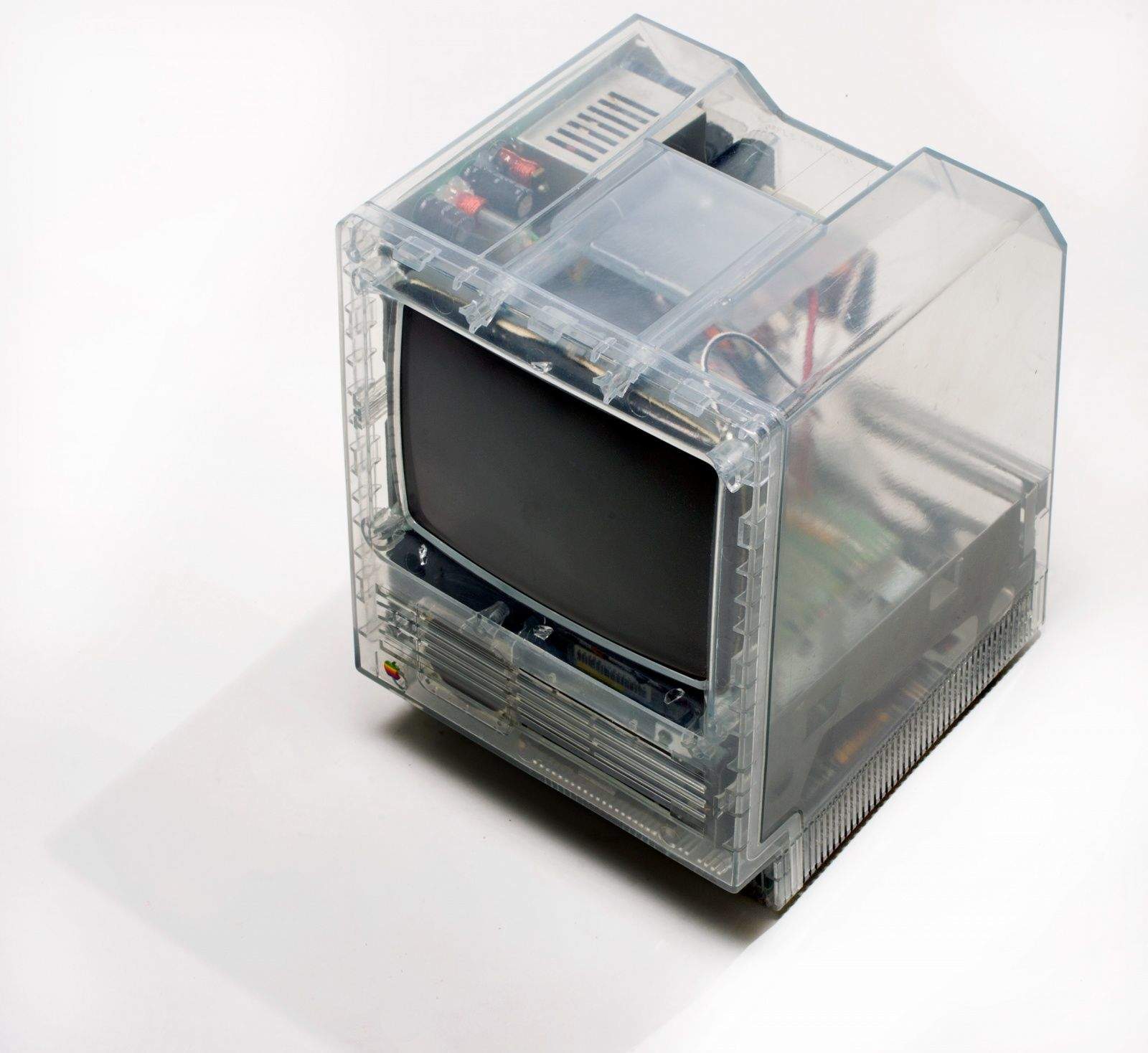
This clear-sided Macintosh SE from Henry Plain's collection was used for engineering tests to check airflow and heat dissipation. Photos: Jim Merithew/Cult of Mac
Some Apple collectors gather one of every Mac, iPod or iPhone, while others specialize in portables or all-in-ones. Then there are the outliers, the super-collectors who search out the incredibly rare items most people never get a chance to see.
“I’m always on the hunt,” says Henry Plain, a California man who specializes in tracking down impossible-to-find Mac prototypes.
Plain owns some of the rarest, most unusual Apple machines ever produced. These are the speed bumps, works in progress or developer’s editions that the secretive Cupertino company never intended for outside eyes. His vast knowledge of Apple’s productiongave him a role in facilitating the sale of the Storage Wars-esque Macintosh collection of Marion Stokes that came to light last month. I like to think of him as Prototype Man.
What’s in Plain’s amazing Apple menagerie? Transparent versions of the Macintosh SE and PowerBook 140. A Mac mini with a built-in iPod dock. Prototypes of the Twentieth Anniversary Macintosh (TAM), the Power Mac G4 Cube and iDevices too numerous to mention. Even to other collectors — and I have a Mac Museum in my house — his inventory is crazy-impressive.
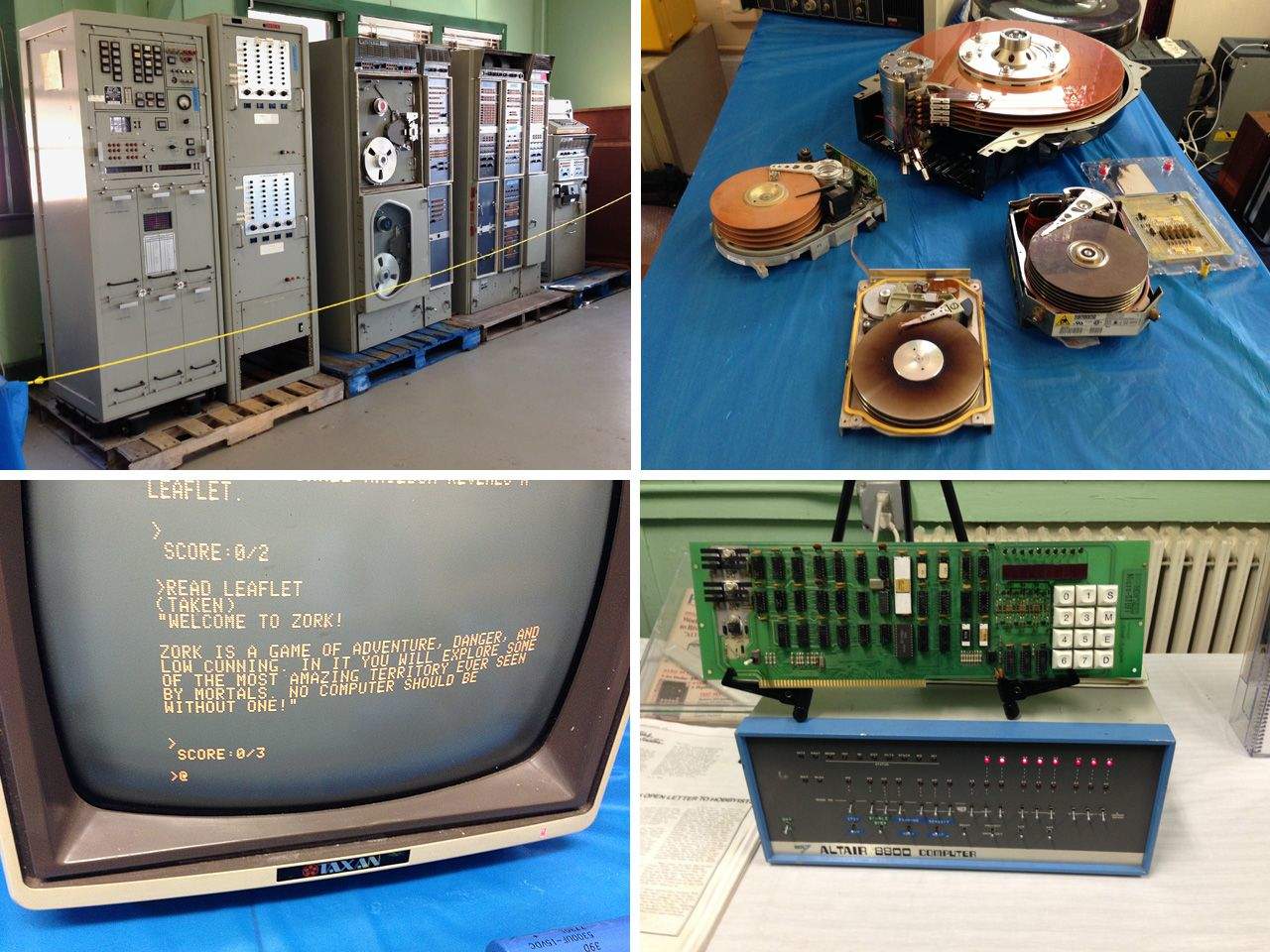
A Univac mainframe, early hard disk drives, Zork, and an Altair 8800 at VCF East 2014.
What do you get when you combine several hundred serious geeks, two large rooms, five decades’ worth of vintage computers, and a weekend in New Jersey? The Vintage Computer Festival East, of course!
The ninth running of the VCF East was held April 4-7 at the InfoAge Science Center in Wall Township, New Jersey. Hosted by MARCH, the MidAtlantic Retro Computing Hobbyists group, the 2014 show saw the largest number of exhibitors and attendees for a VCF East yet, with exhibit halls expanded from one to two rooms and three days of lectures and seminars available for attendees. The show featured a wide range of computing history, from a seminal, room-size UNIVAC computer, through the DEC, Prime and HP minicomputer era, to the workstations and home computers of the 1970s and ’80s.
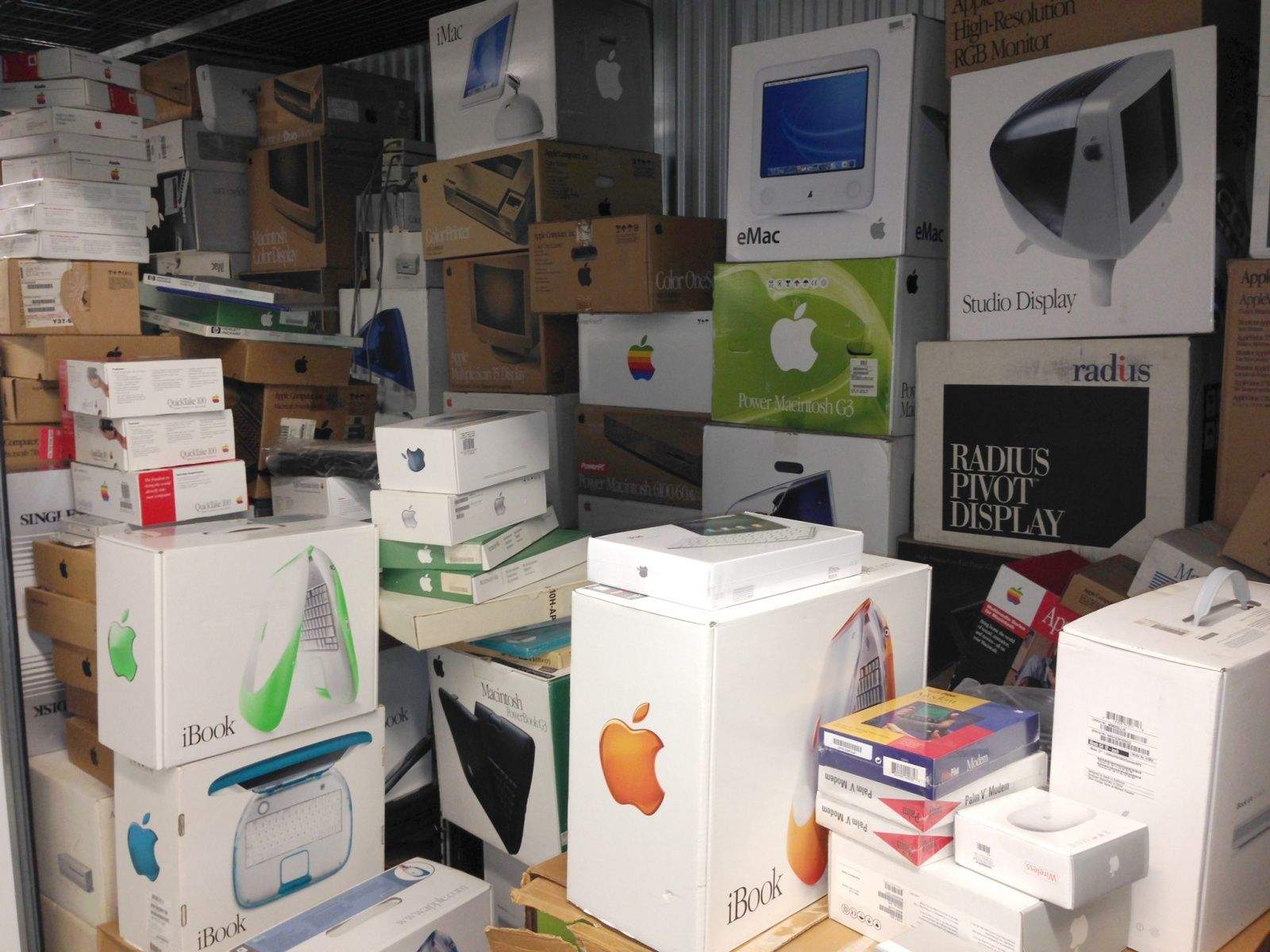
Marion Stokes Macintosh Collection in a Rhode Island storage locker
Are you a Mac collector? An Apple investor? Do you like to buy old computers still new in their original packaging? If so, do we have a storage locker for you!
Marion Stokes was a librarian, activist and local access television producer from Philadelphia. Recently she made news for her incredible archive of 35 years of TV news broadcasts, recorded continuously on home videotapes from 1977 until her death in 2012. But Stokes was also a longtime Apple investor and Macintosh fan. Over the same timeframe she acquired nearly two hundred new-in-box Macintosh computers and related Apple gear, and kept much of this equipment sealed for posterity.
It’s another incredible history, about technology and one unique Silicon Valley tech entity. And it can be yours, if the price is right. The whole kit and caboodle is available on eBay, listed for the Buy It Now price of $100,000!
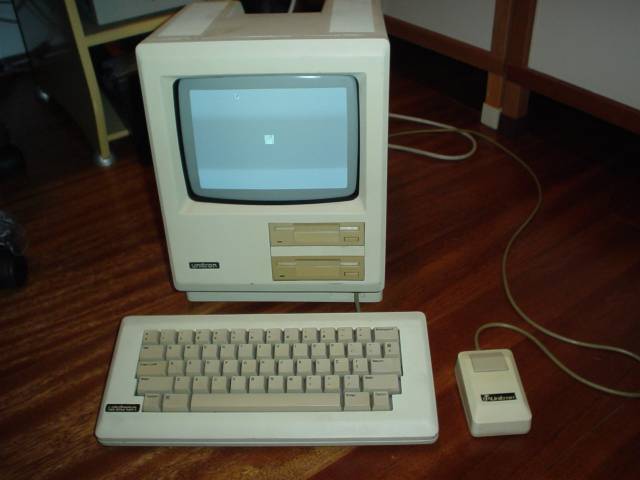
The Unitron Mac 512 was the world's first Macintosh clone (photo: Chester's blog)
The first Macintosh clone in the world was not one of the Apple sanctioned systems released in 1995, such as those from companies like PowerComputing, Radius, Umax or Daystar Digital. Nor was it the Outbound laptop in 1989, a hybrid system produced using Mac ROMs taken from working Mac Plus systems.
No, the first Macintosh clone was the Unitron Mac 512, a unauthorized copy of the 512k “Fat Mac” produced by a Brazilian company in 1986. And it was a pretty darn impressive copy. The fallout from that effort nearly help start a trade war between Brazil and the United States; to prevent theft of Intellectual Property, Apple and other companies lobbied Congress to hike import taxes on Brazilian goods like oranges and shoes as a response.
And as we know, nobody messes with Tropicana …
It’s not a widely known story. Pieces of this long-forgotten chapter in Mac history can be found scattered on websites around the world. Here is the fascinating tale of the first Macintosh clone in the world.
Artwork by Matisse (left) inspired the Mac Picasso graphics.
The famous Macintosh “Picasso” trademark logo was developed for the introduction of the original 128K Mac back in 1984. A minimalist line drawing reminiscent of the style of Pablo Picasso, this whimsical graphic implied the whole of a computer in a few simple strokes. It was an icon of what was inside the box, and became as famous as the computer it represented.
The logo was designed by Tom Hughes and John Casado, art directors on the Macintosh development team. Originally the logo was to be a different concept by artist Jean-Michel Folon, but before launch it was replaced by the colorful line drawing. It’s been famous ever since, and the style has endured across decades.
Casado recently attended the 30th Anniversary of the Mac celebration, and emailed Cult of Mac to shed some light on the history of this famous graphic. It turns out Picasso was not the primary inspiration for this after all – rather, it was Henri Matisse!
On January 24, 1984, Apple Computer introduced the Macintosh.
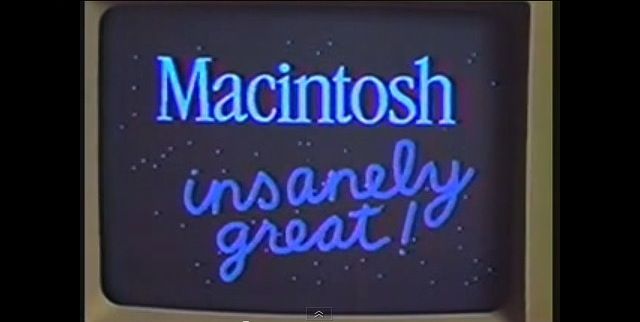
Back in 1984, the birth of the Macintosh was not a quiet affair. Among his many talents, Steve Jobs was one of the great orators and inspiring speakers of our time. Part sage, part showman, Jobs combined the wizardry of a magician with the skills of a master salesman. The Macintosh was his baby, the intended salvation for Apple, and he wanted it launched with flair.
Many people have heard about, but not seen, one of the most influential demos of all — the actual unveiling of the Macintosh on January 24, 1984. In front of a group of Apple shareholders and VIPs, and giving a hint of Apple keynotes to come, a tuxedo-clad Jobs and his magical child stole the show. Now you can relive that glorious moment.
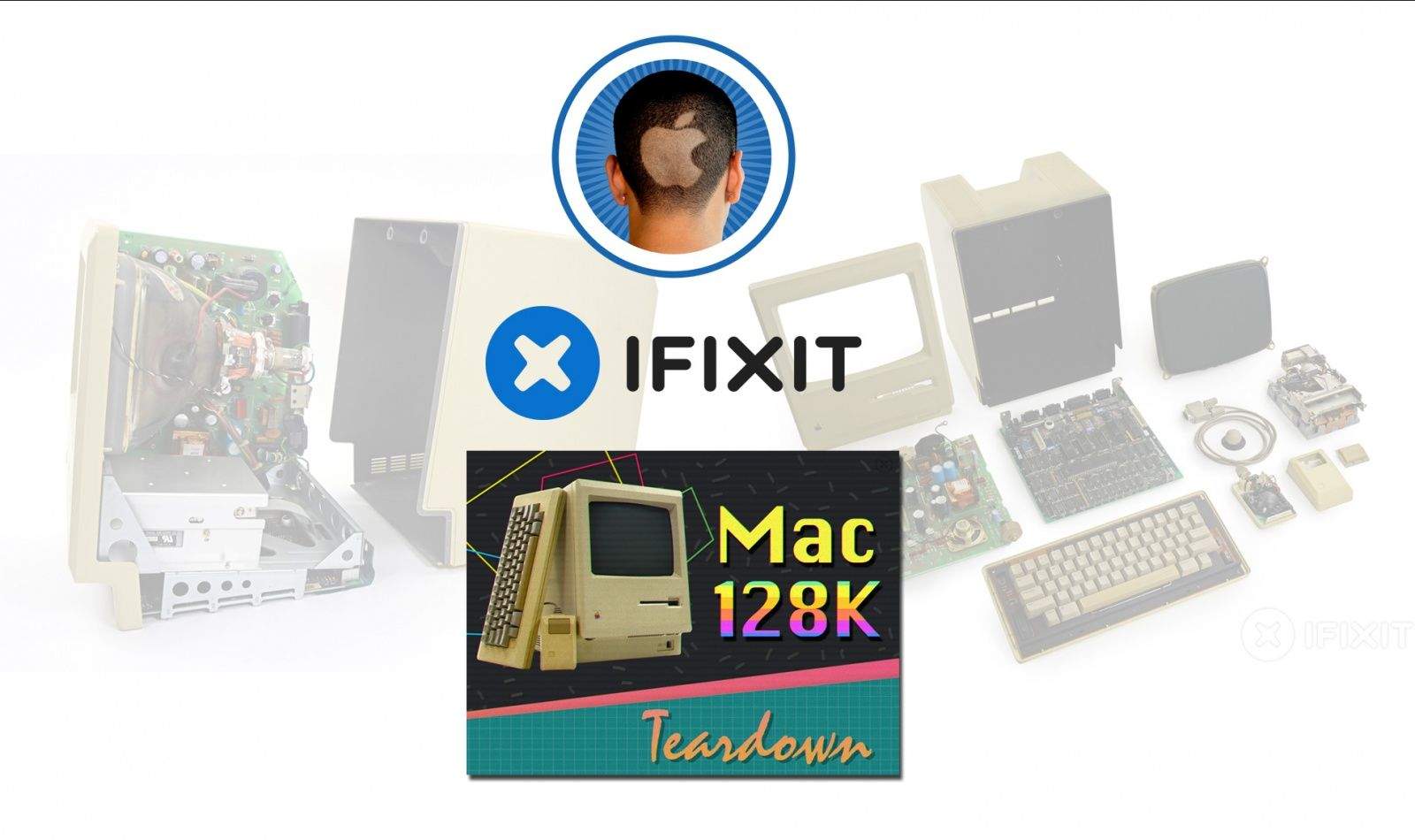
Cult of Mac and iFixit teardown the 128k Macintosh
It’s the 30th anniversary of the launch of the Macintosh, and we wondered at Cult of Mac what can we do to celebrate? Then we thought, let’s dissect an original Macintosh and see what made it tick! There’s nothing like destruction in the persuit of knowledge.
In full retro spirit, we asked our friends at iFixit if they would help perform a special anniversary teardown of the 128k Mac. How does our silicon hero compare to modern Macs in terms of components, assembly and ease of repair? Of course being true geeks themselves, they jumped at the chance.
There was only one problem: where to find an original 128k Mac.
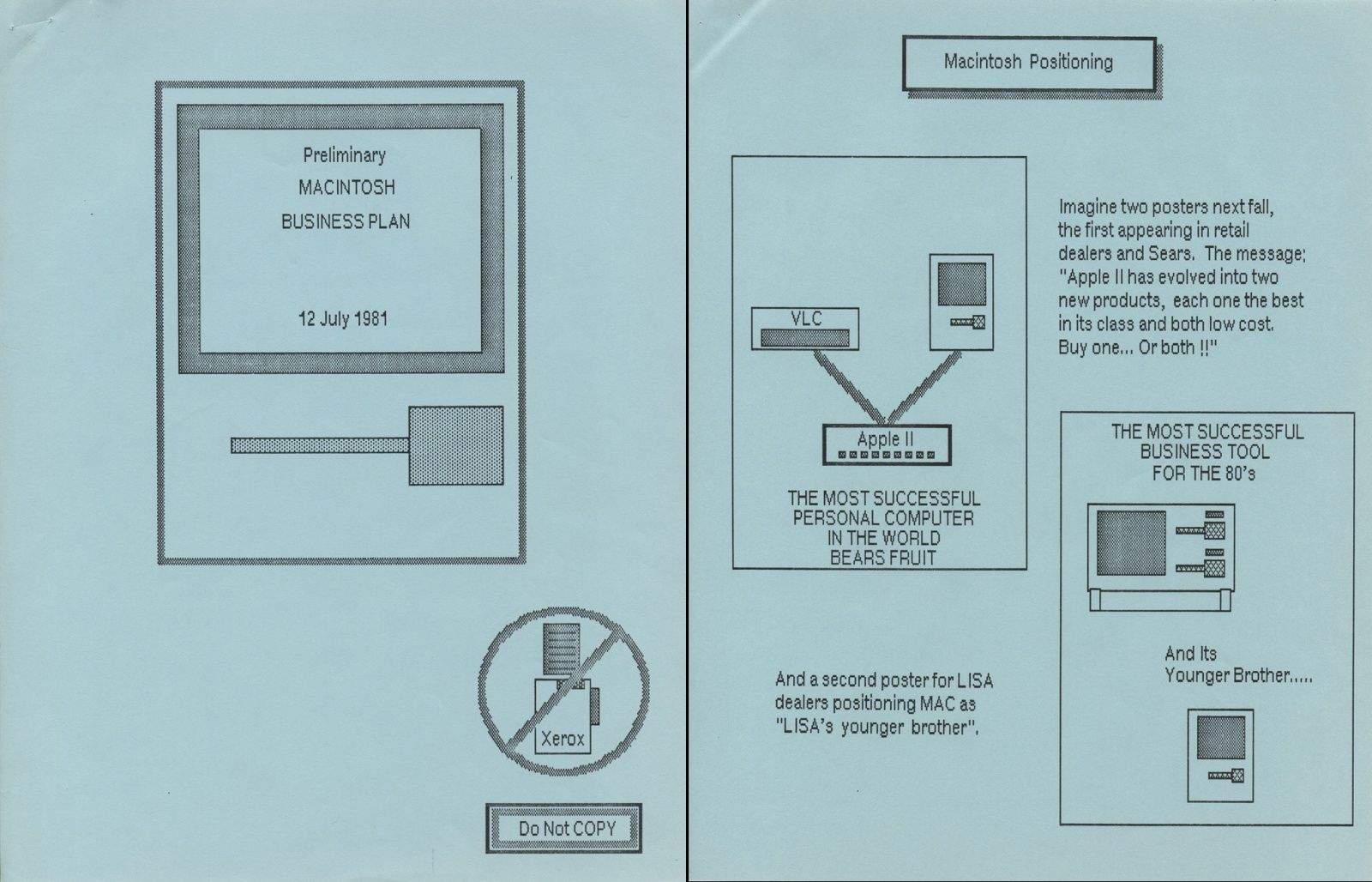
Preliminary Macintosh Business Plan from 1981 (photos: Digibarn)
On Friday, January 24, 2014, the Mac turns 30 years old. As we look back on three decades of Macintosh, there are some stories that have largely avoided the light of day for some time. One of these tales involves the production of the Macintosh Business Plan back in the early 1980s.
The tale was told by Mac design team member Joanna Hoffman to Bruce Damer, curator of the Digibarn Computer Museum. In 1981 Apple was beginning development on their new product lines, Lisa and Macintosh, and Hoffman was helping develop the business plan. She presented multiple drafts for Steve Jobs to review, but Jobs repeatedly kept sending her the plan back saying he didn’t like it.
After a few rounds of this Hoffman realized that it was not the contents of the business plan that Jobs objected to but rather the appearance of the document itself. What he was reviewing looked just like every other business plan, nothing special. Jobs wanted the pages of the Mac business plan to look like the screen of the computer they were creating – WYSIWYG graphics, fonts, and pages with menus and submenus for section headings. The problem with this request was that Apple did not yet make any computers or printers which could produce the document Jobs desired.
This week in Cult of Mac Magazine: how some collectors are making serious money with old Macs.
Well, that and how some are discovering that it may be sentimental value that keeps the old machines humming – as it turns out for our publisher, Leander Kahney, who reminisces on the antiquated machines in his life.
And if you dream of finding an Apple 1 or coming across a Twiggy Mac and making a pretty penny, we’ll tell you what happens when those machines roar back to life and come up at auctions.
We’ll also help you figure out what to keep – and toss! – in your collection and showcase some of the coolest ways Apple lovers have repurposed those aging computer carcasses to give them new life.
Our Apple Genius dishes on how to keep your privates protected when you bring your machine in (it’s not as hard as you think) and the best way to let your technician know you’re not a total moron – so you can get your device fixed and get out as soon as possible.