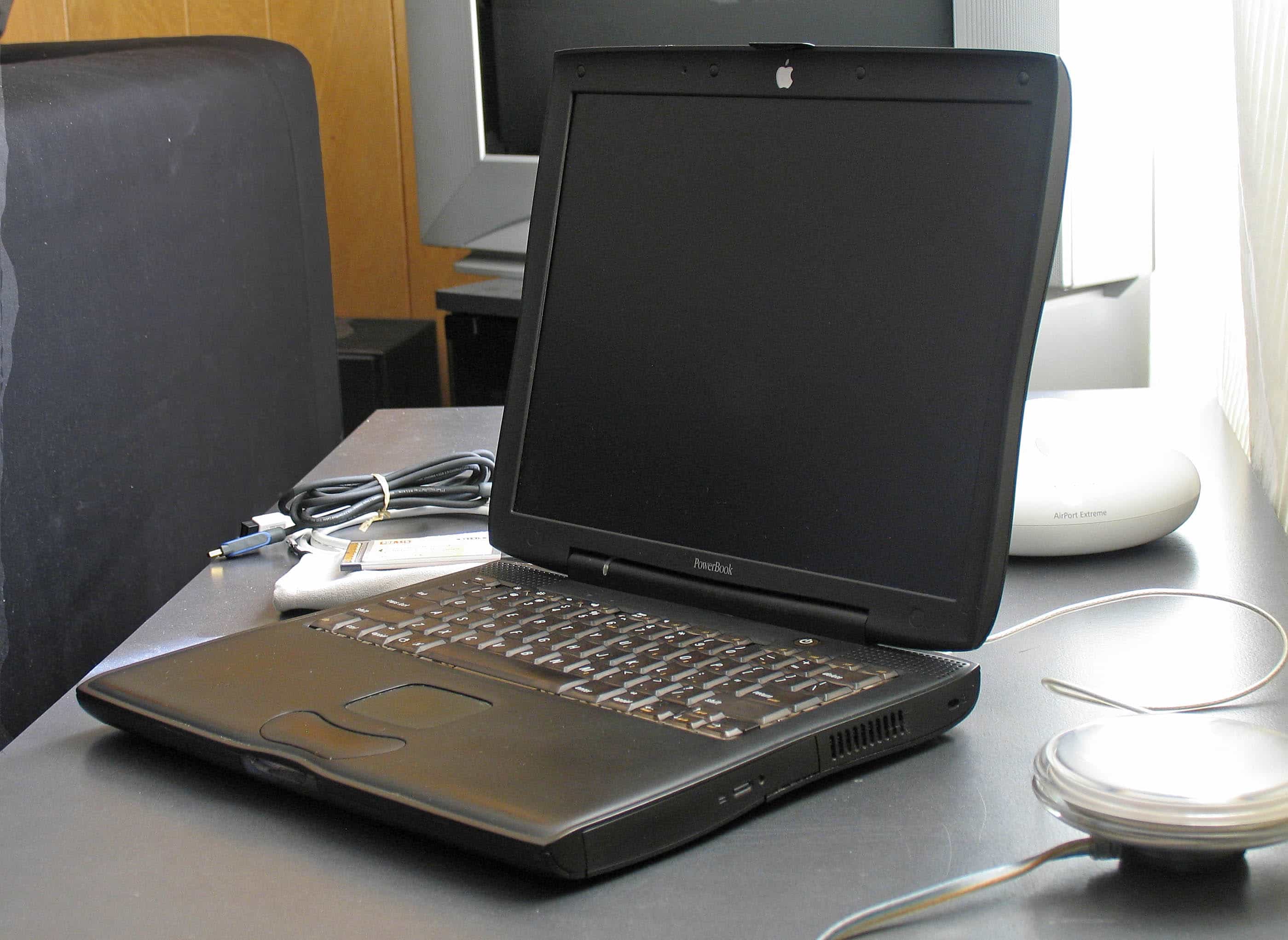
 February 16, 2000: Apple introduces the “Pismo” PowerBook, the finest of its G3 laptops. In the view of many, it’s one of the best Apple laptops ever.
The Pismo PowerBook is the first model without either SCSI or an Apple Desktop Bus connector. Instead, it utilizes a USB port and Apple’s Emmy Award-winning FireWire. Optional AirPort wireless support, tremendous battery life, and a gorgeous, curvy design make this laptop even better.

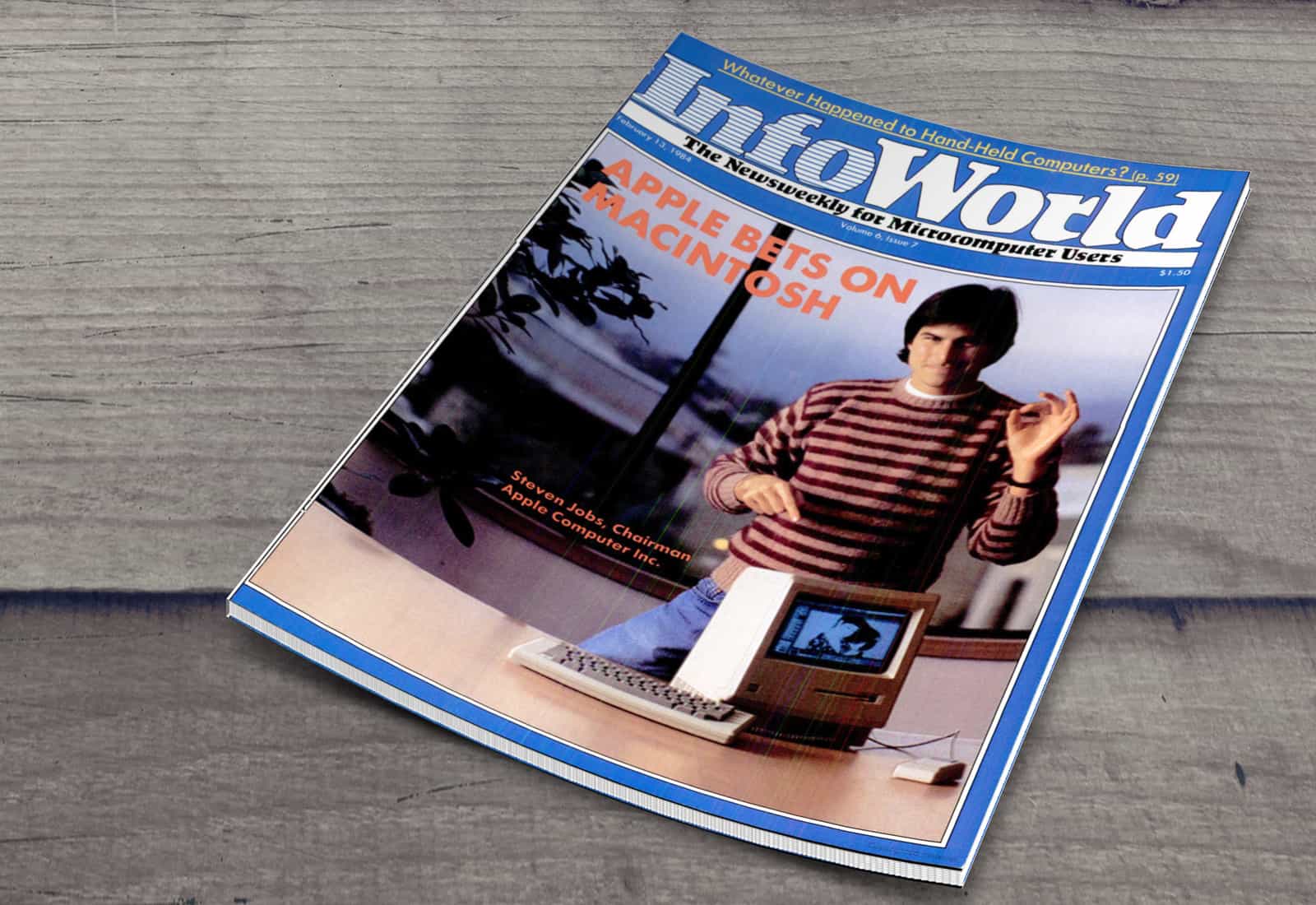
 February 13, 1984: The first Mac’s launch generates enormous excitement from the tech press, as epitomized by an InfoWorld cover story about the Macintosh 128K.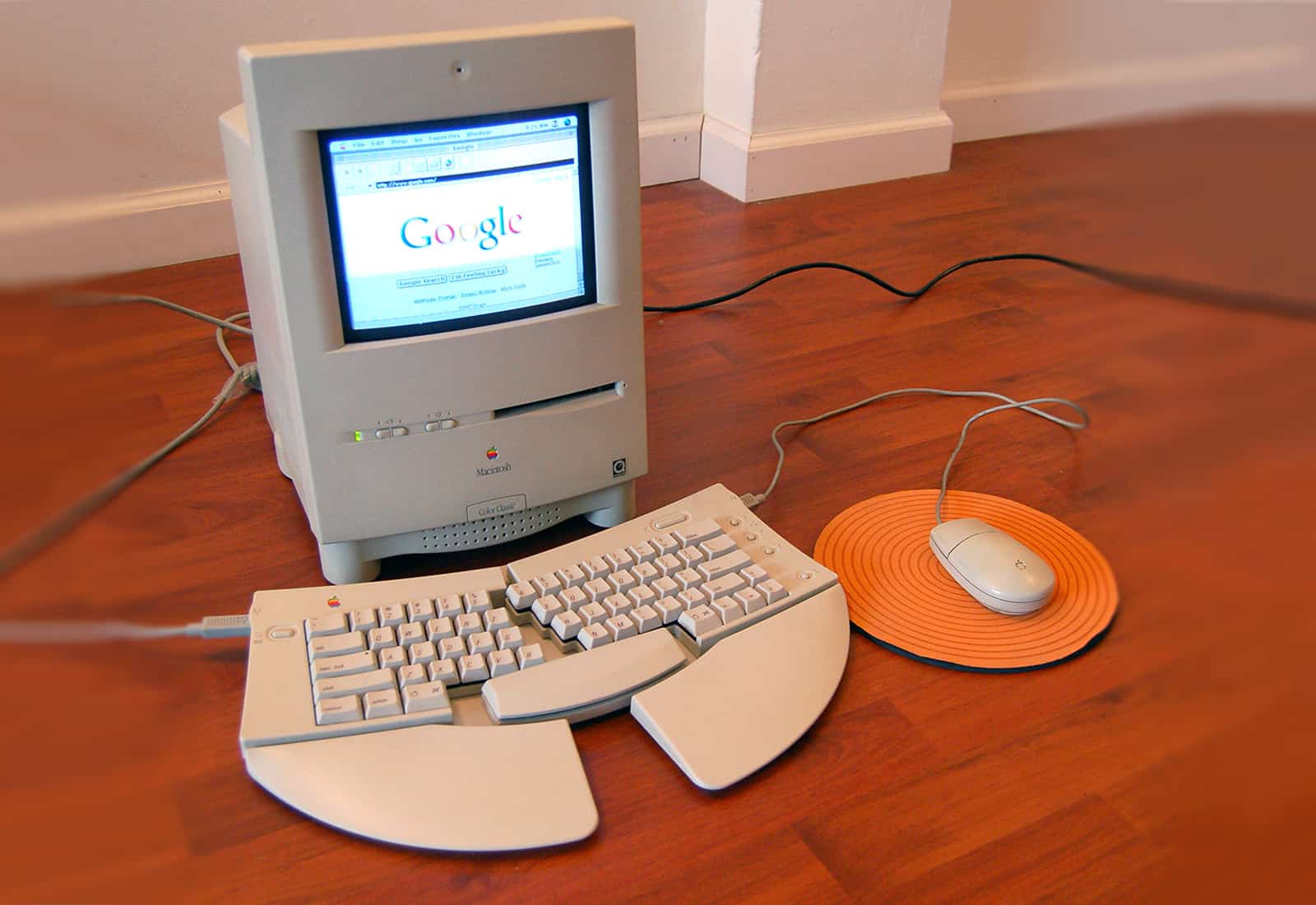
 February 10, 1993: Apple launches the Macintosh Color Classic, the company’s first compact Mac with a color screen.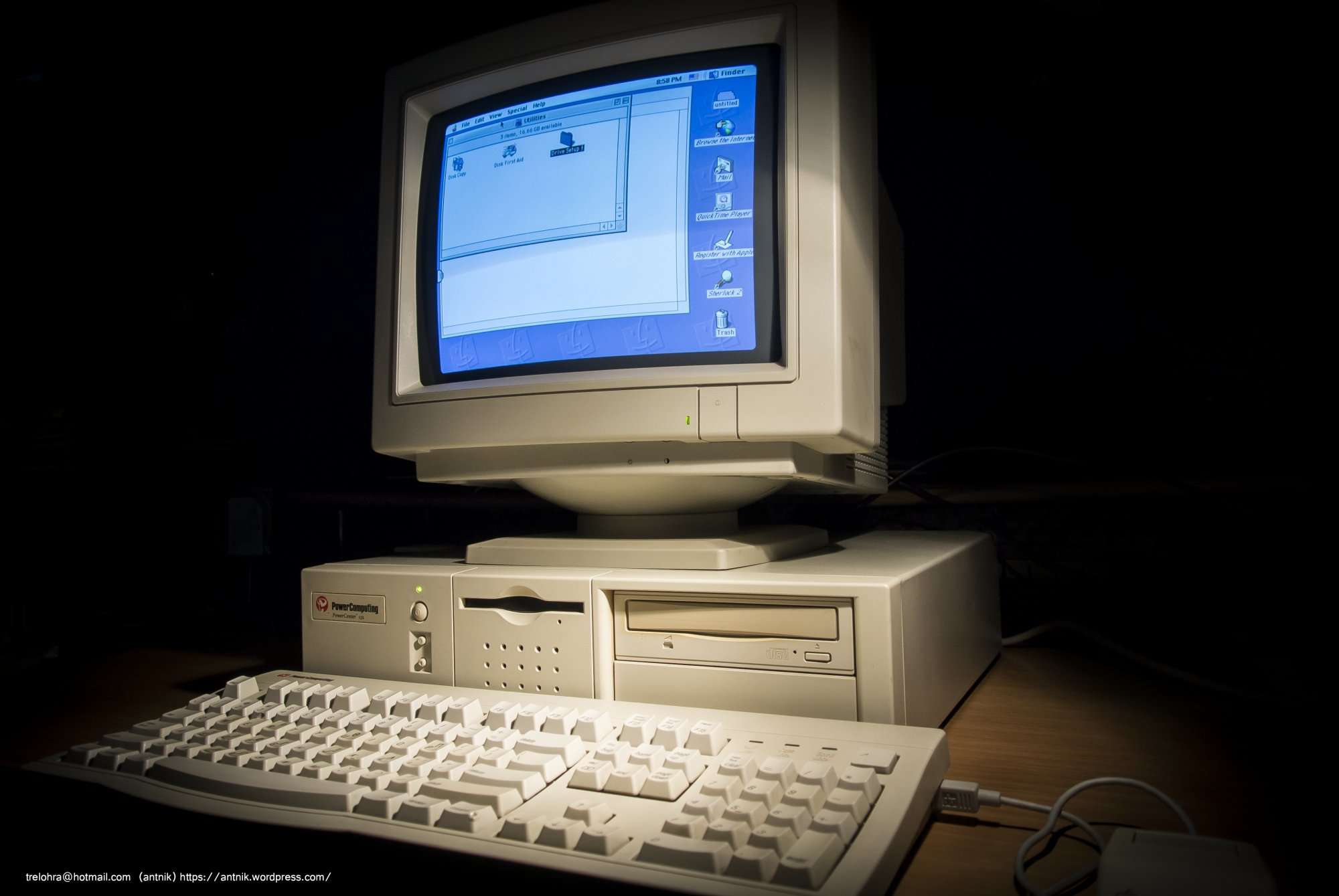
 January 31, 1998: Mac clone-maker Power Computing goes out of business, having auctioned off its office supplies and computers.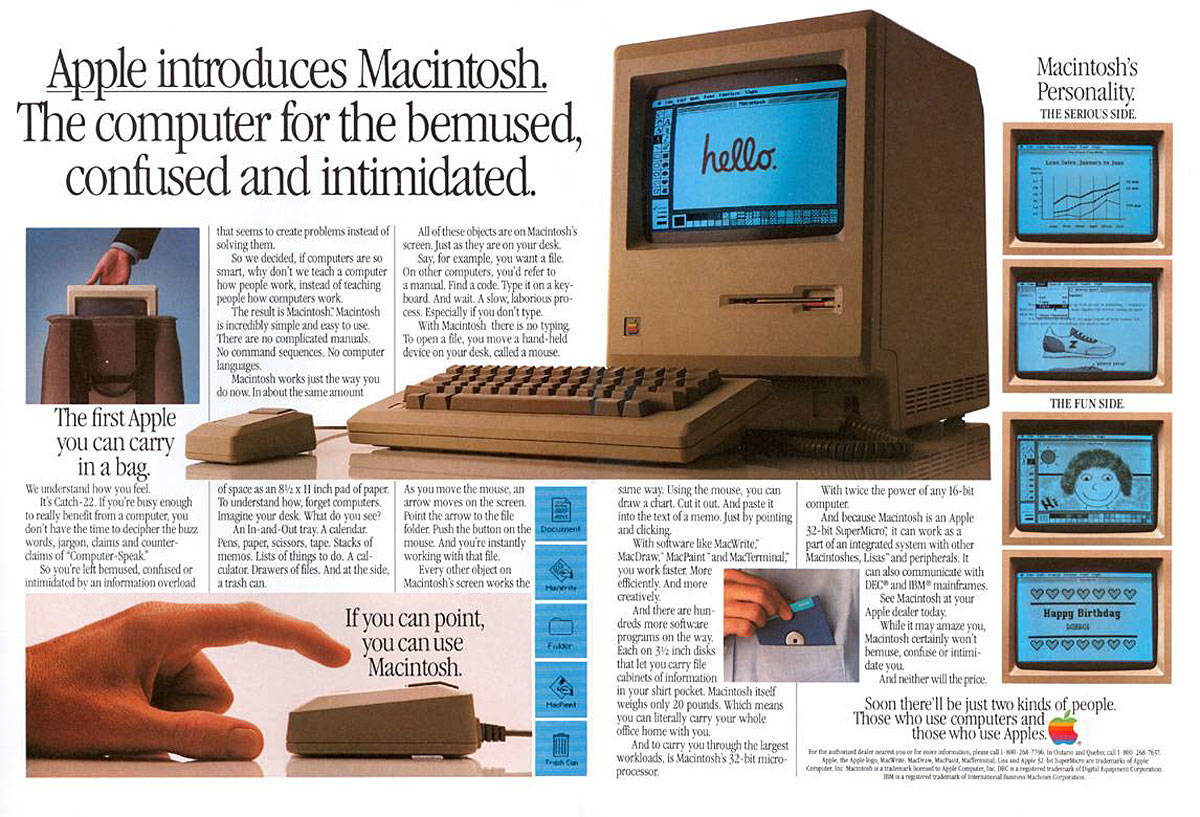
 January 24, 1984: Apple ships its first Mac, the mighty Macintosh 128K.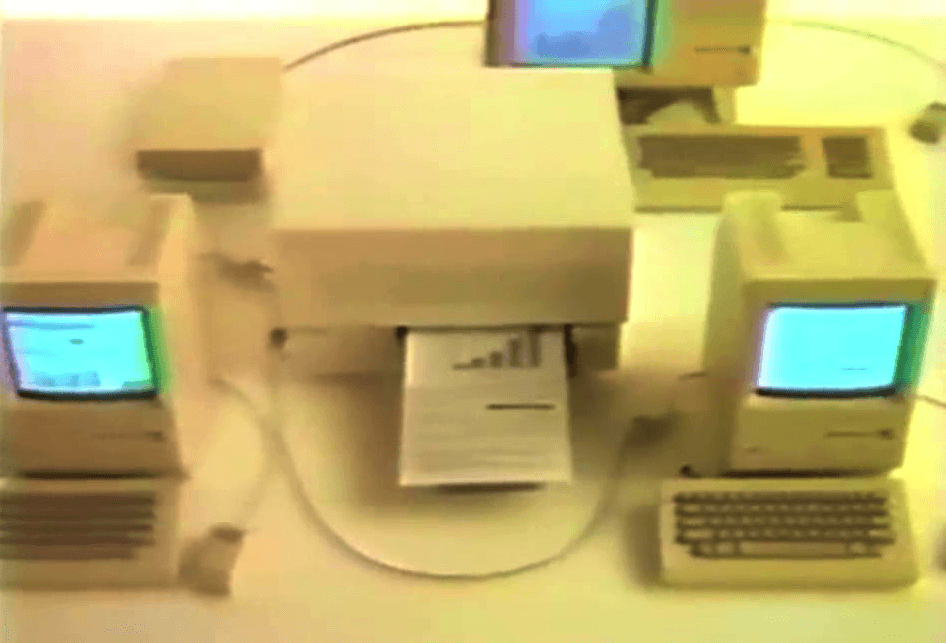
 January 23, 1985: Apple introduces The Macintosh Office, a combination of hardware and software that represents the company’s first real attempt at cracking the business market dominated by IBM.
 January 20, 1985: Attempting to build on the triumph of the previous year’s “1984” Macintosh commercial, Apple deploys another dystopian Super Bowl commercial. The new Apple ad, titled “Lemmings,” promotes the company’s upcoming business platform, called The Macintosh Office.
 January 19, 1989: Apple introduces the Macintosh SE/30, arguably the greatest of the classic compact Macs with black-and-white screens.
 January 17, 1984: A week before its famous airing during Super Bowl XVIII, Apple’s iconic “1984” commercial debuts as a trailer in movie theaters. To hype its revolutionary new Macintosh computer, Apple buys several months of promotion from theatrical ad distributor ScreenVision.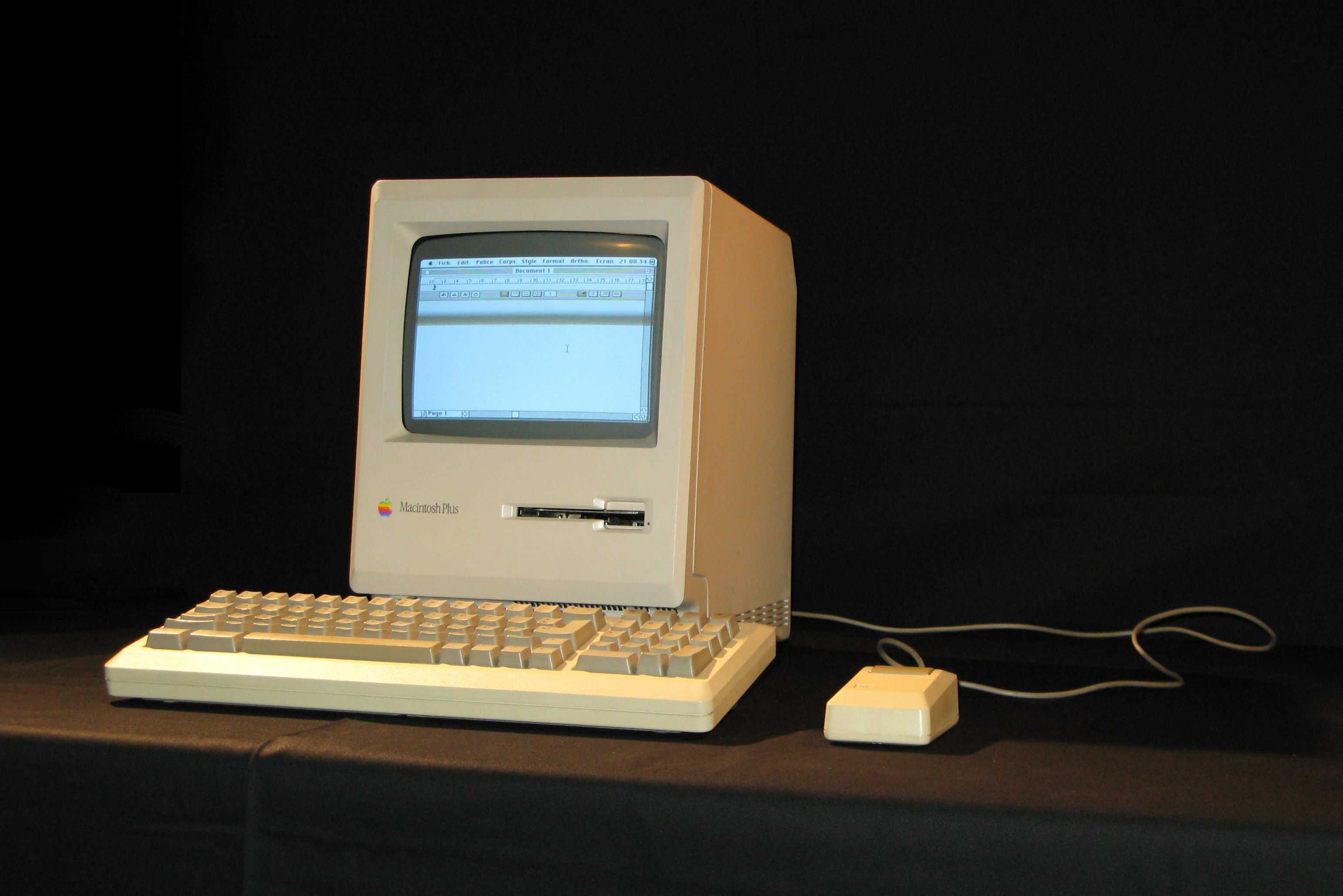
 January 16, 1986: Apple introduces the Macintosh Plus, its third Mac model and the first to be released after Steve Jobs was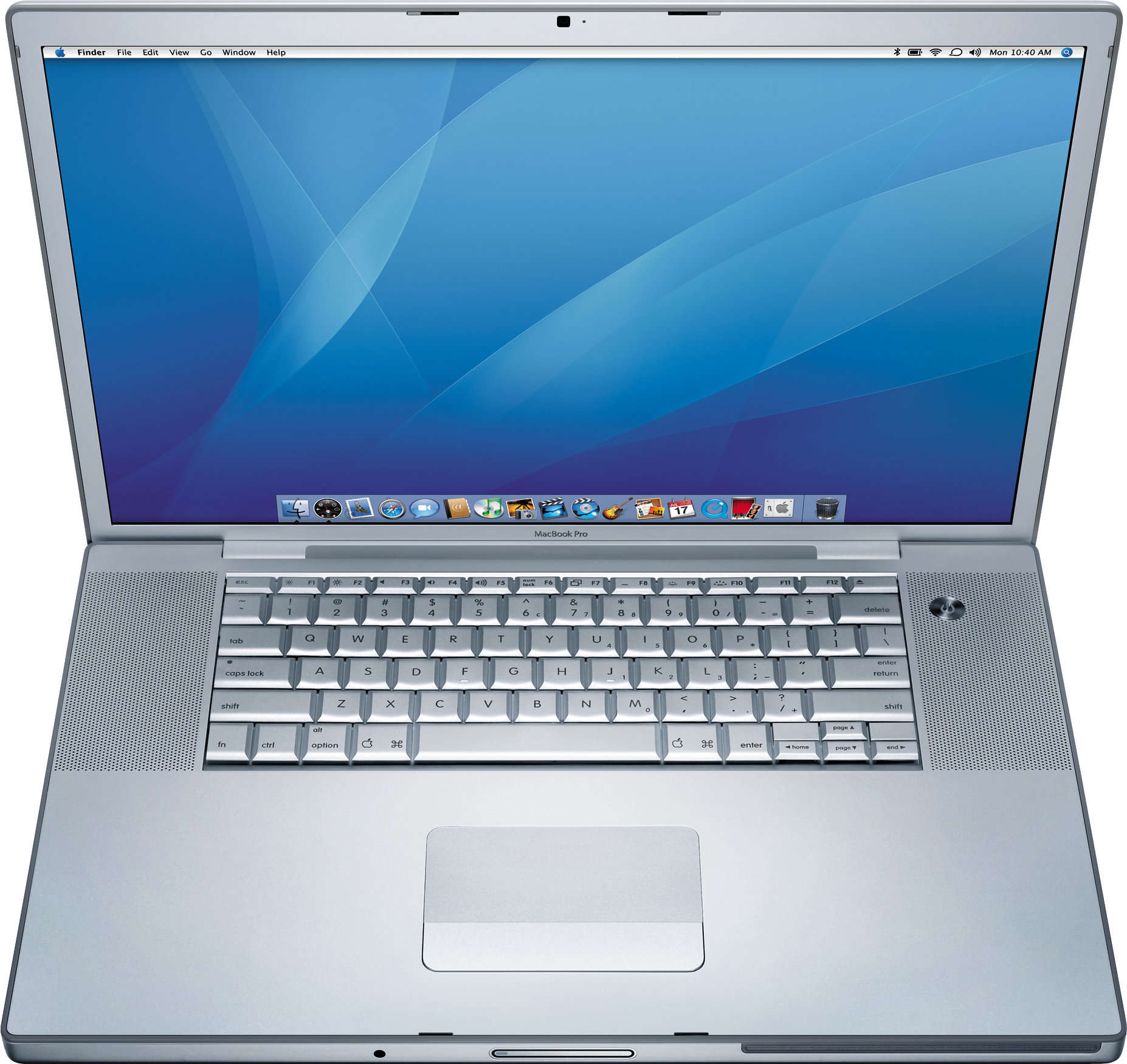
 January 10, 2006: Steve Jobs unveils the original 15-inch MacBook Pro, Apple’s thinnest, fastest and lightest laptop yet.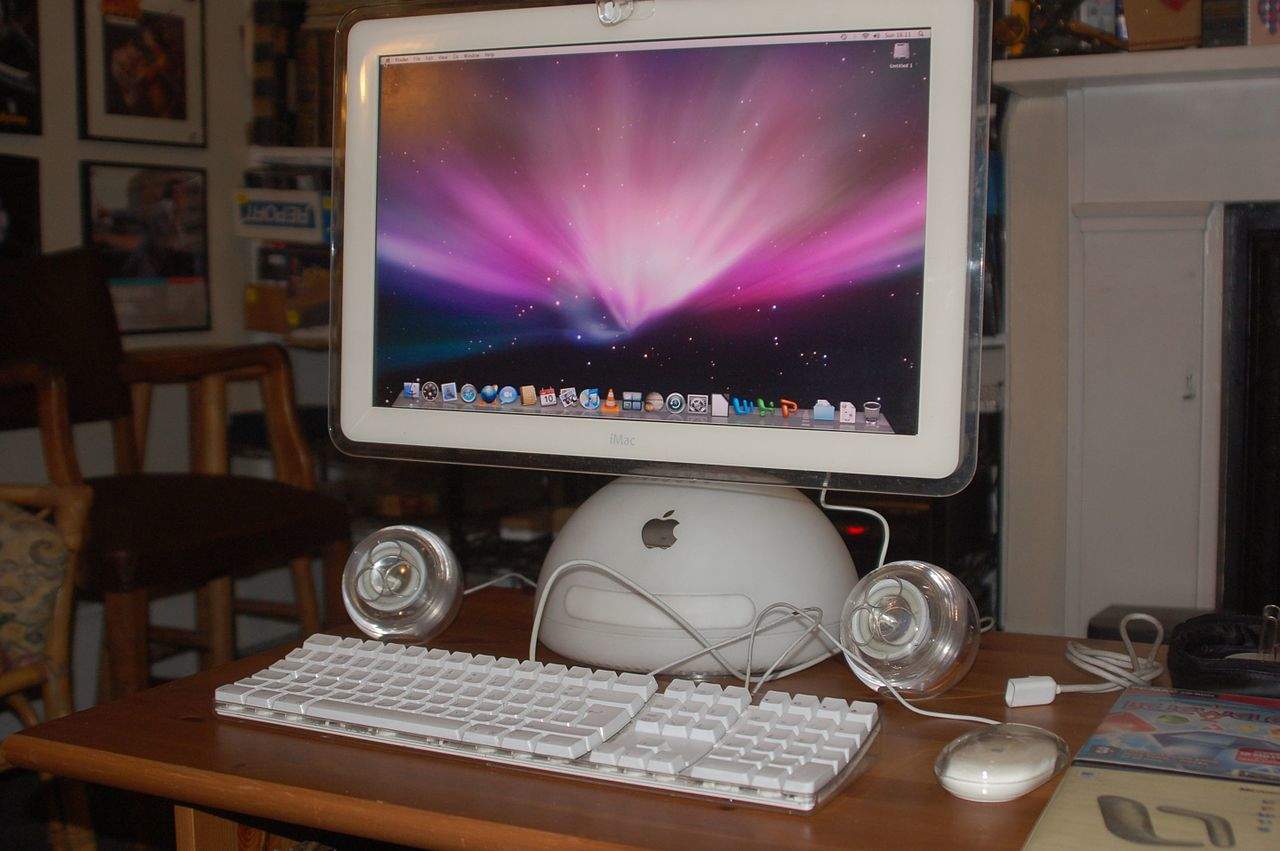
 November 18, 2003: Apple debuts a new iMac G4 sporting a 20-inch screen, the company’s biggest flat-panel all-in-one computer ever.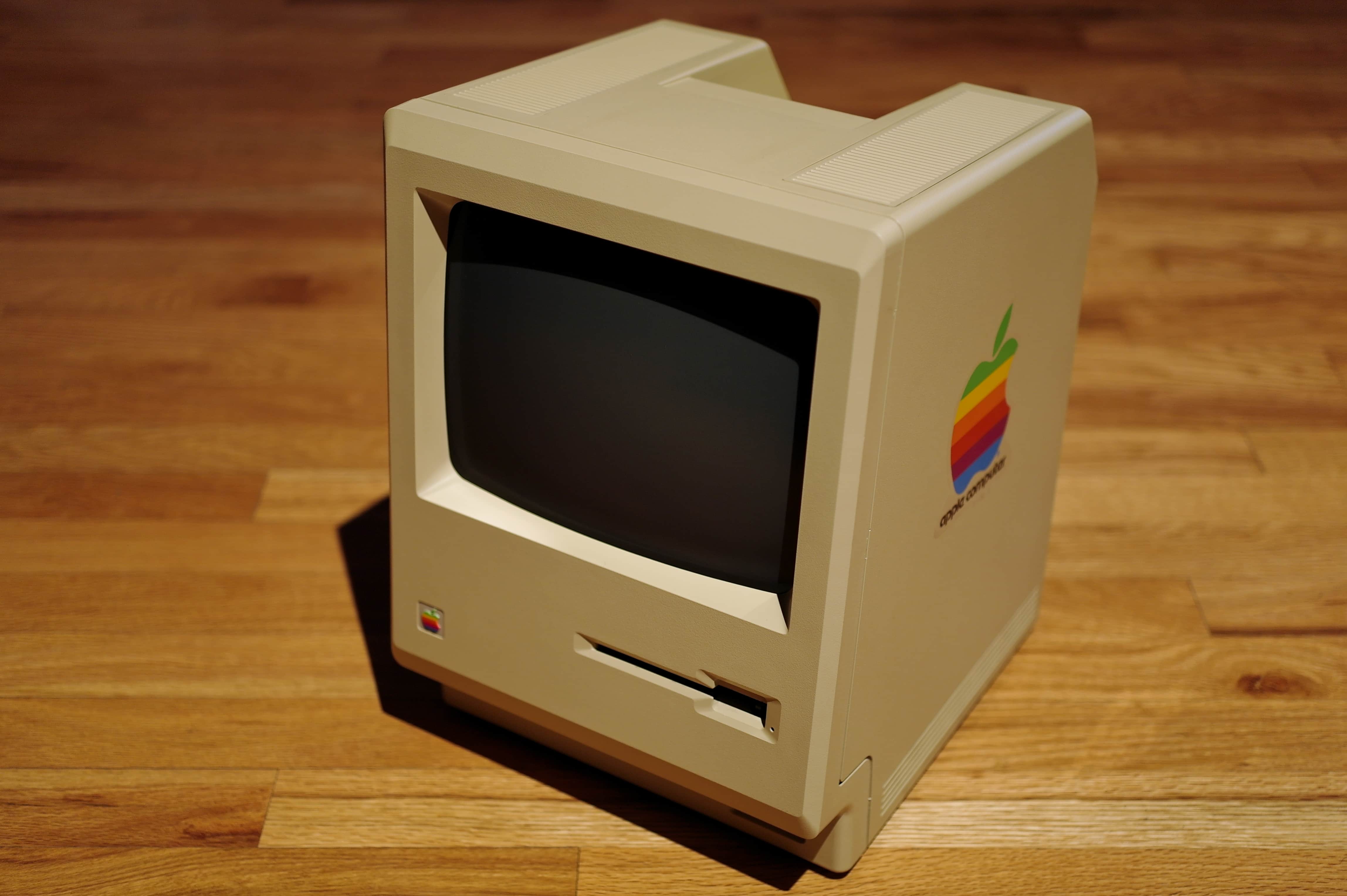
 November 16, 1982: Intent on giving his company’s upcoming personal computer a memorable name, Apple co-founder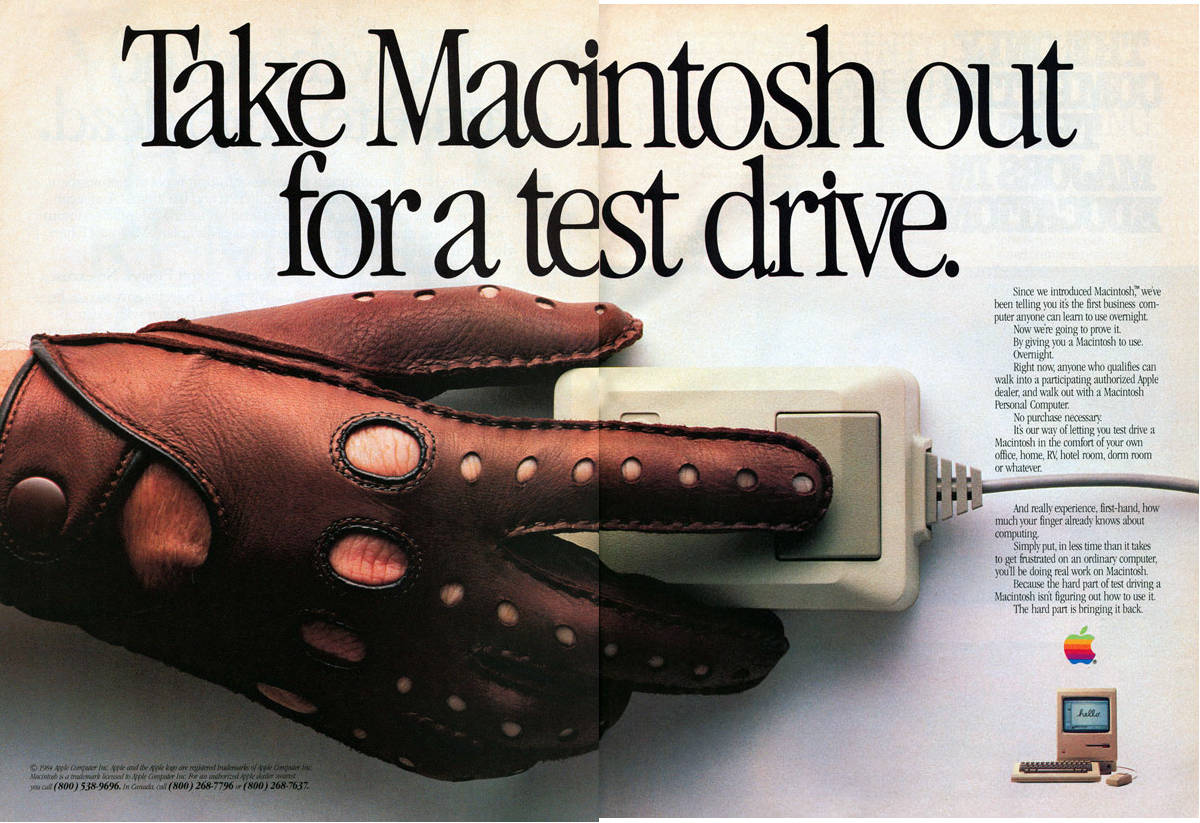
 November 8, 1984: After initial Mac sales prove disappointing, Apple CEO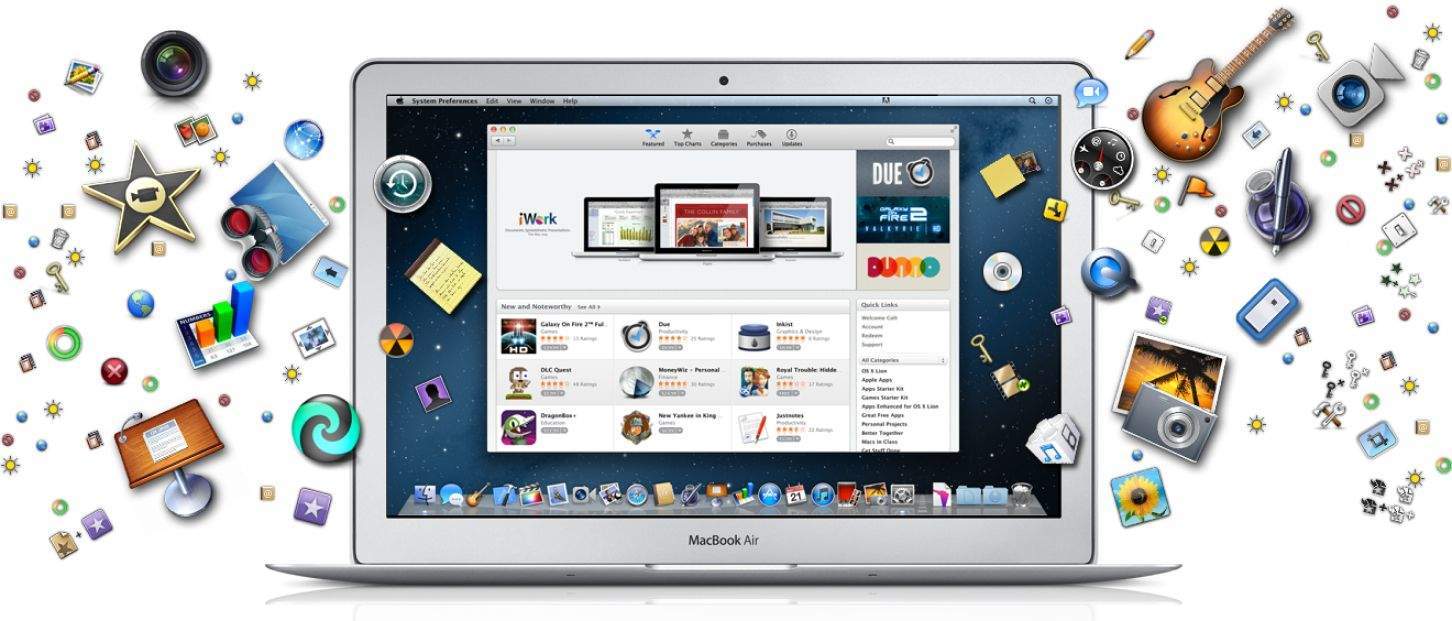
 November 3, 2010: Apple prepares to launch the Mac App Store, publicly accepting app submissions from registered developers — and kicking off a gold rush among coders.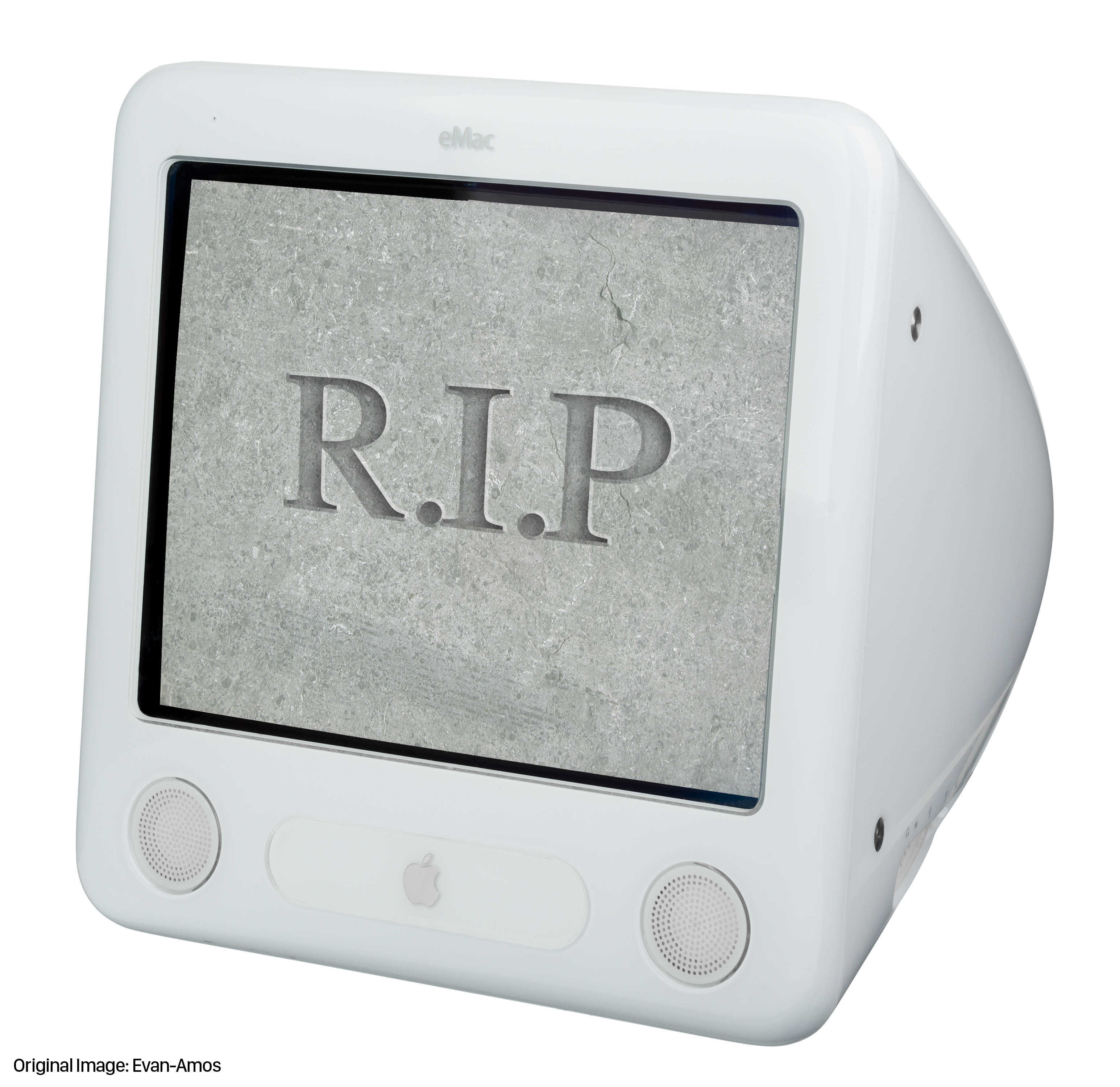
 October 27, 1999: Dell Computer overtakes Apple in the educational market, stealing Cupertino’s crown as the top company selling computers to U.S. schools. Dell’s cheap Windows PCs make sense for schools looking to buy computers without breaking the bank.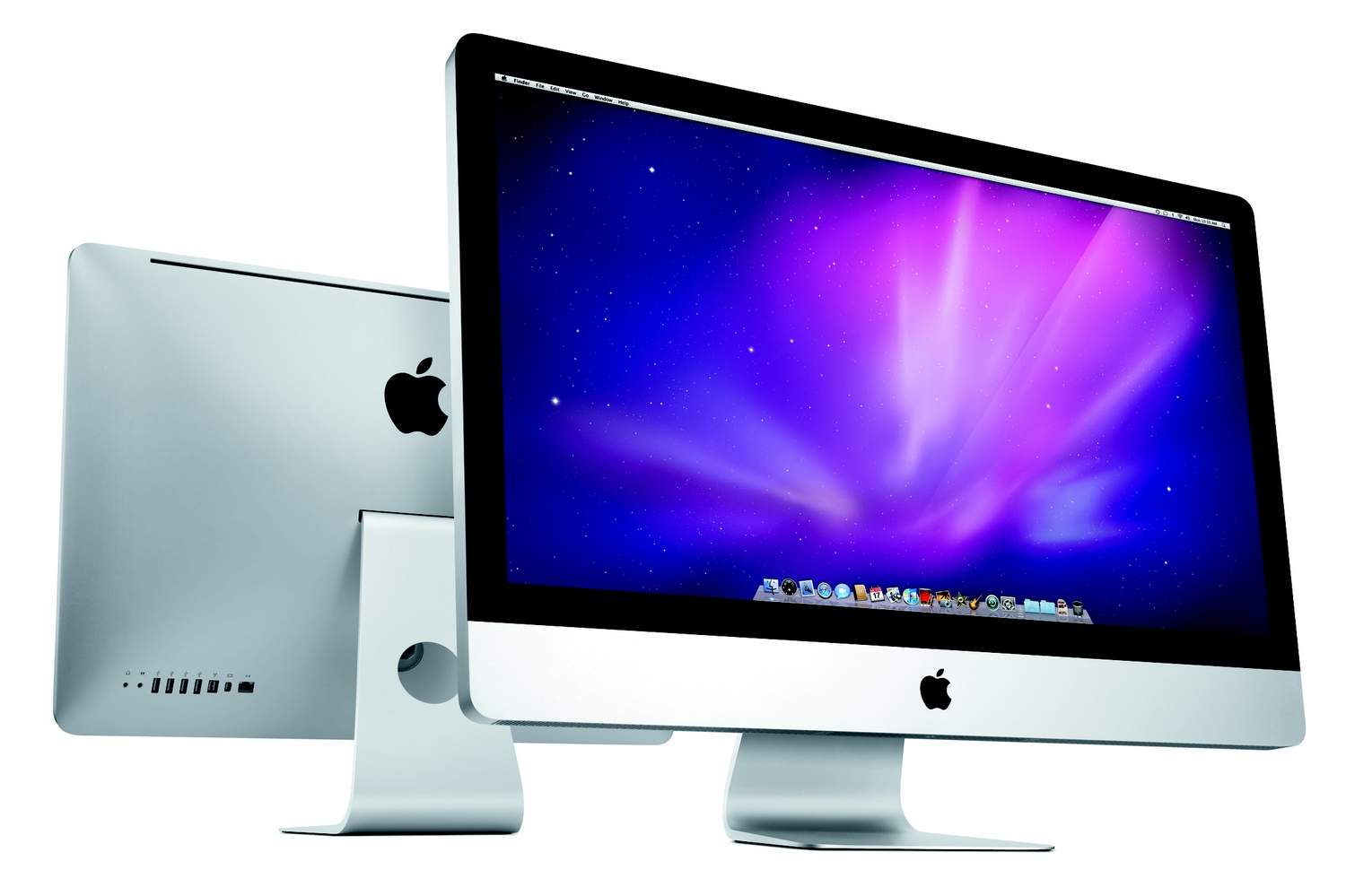
 October 20, 2009: Apple goes big with its iMac redesign, introducing the first 27-inch all-in-one Mac. The sleek, sophisticated aluminum unibody design looks so good that the iMac will remain virtually unchanged for years.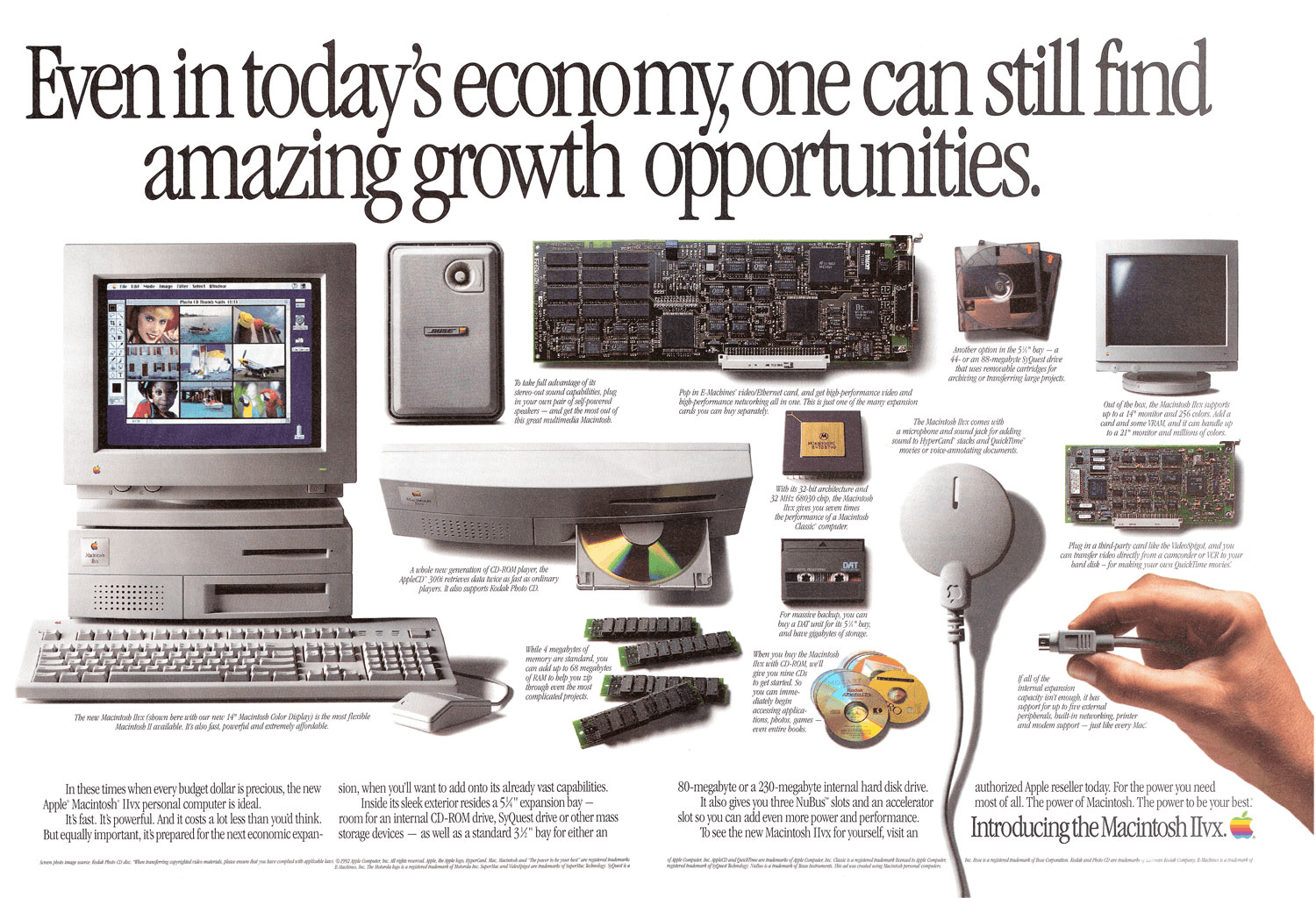
 October 19, 1992: Apple launches the Mac IIvx, the first Macintosh computer to ship with a metal case and, more importantly, an internal CD-ROM drive.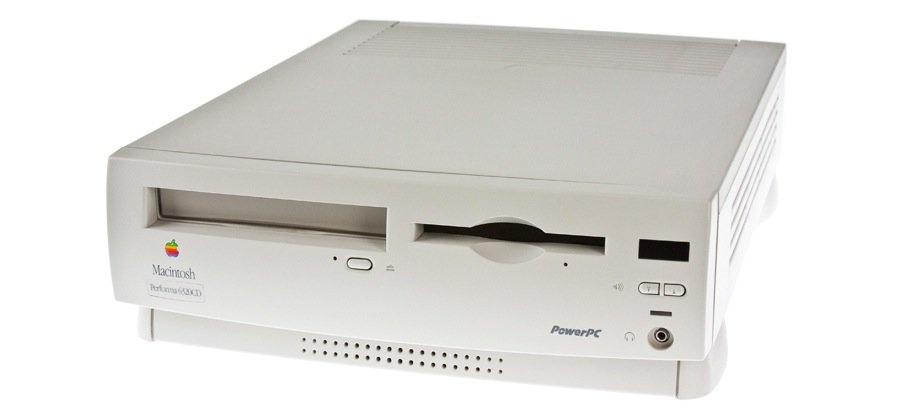
 October 17, 1996: Apple launches its Performa 6360 Mac in North America, sold elsewhere as the Power Macintosh 6300/160.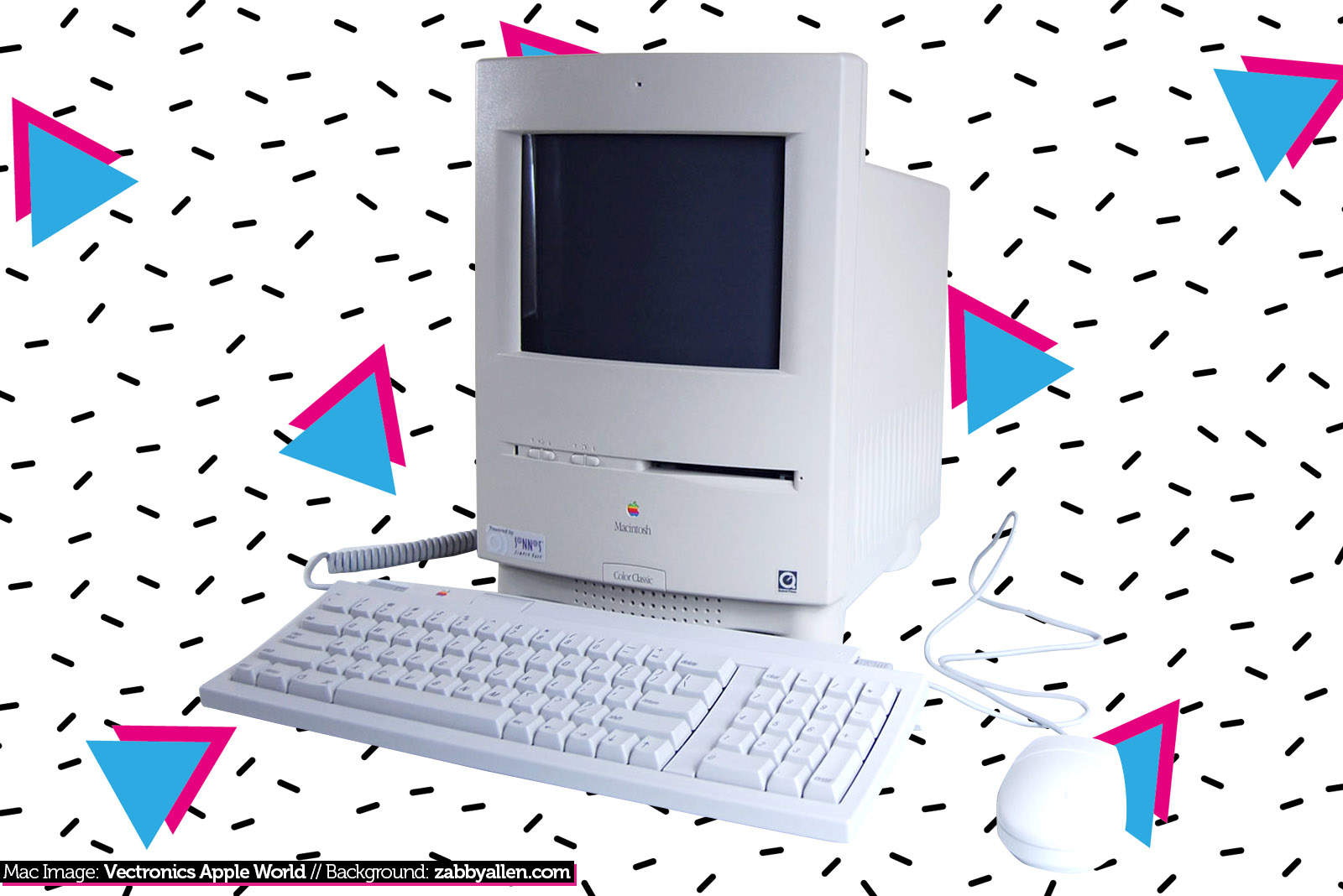
 October 10, 1993: Apple ships its Macintosh Color Classic II, the last of the 9-inch compact Macs.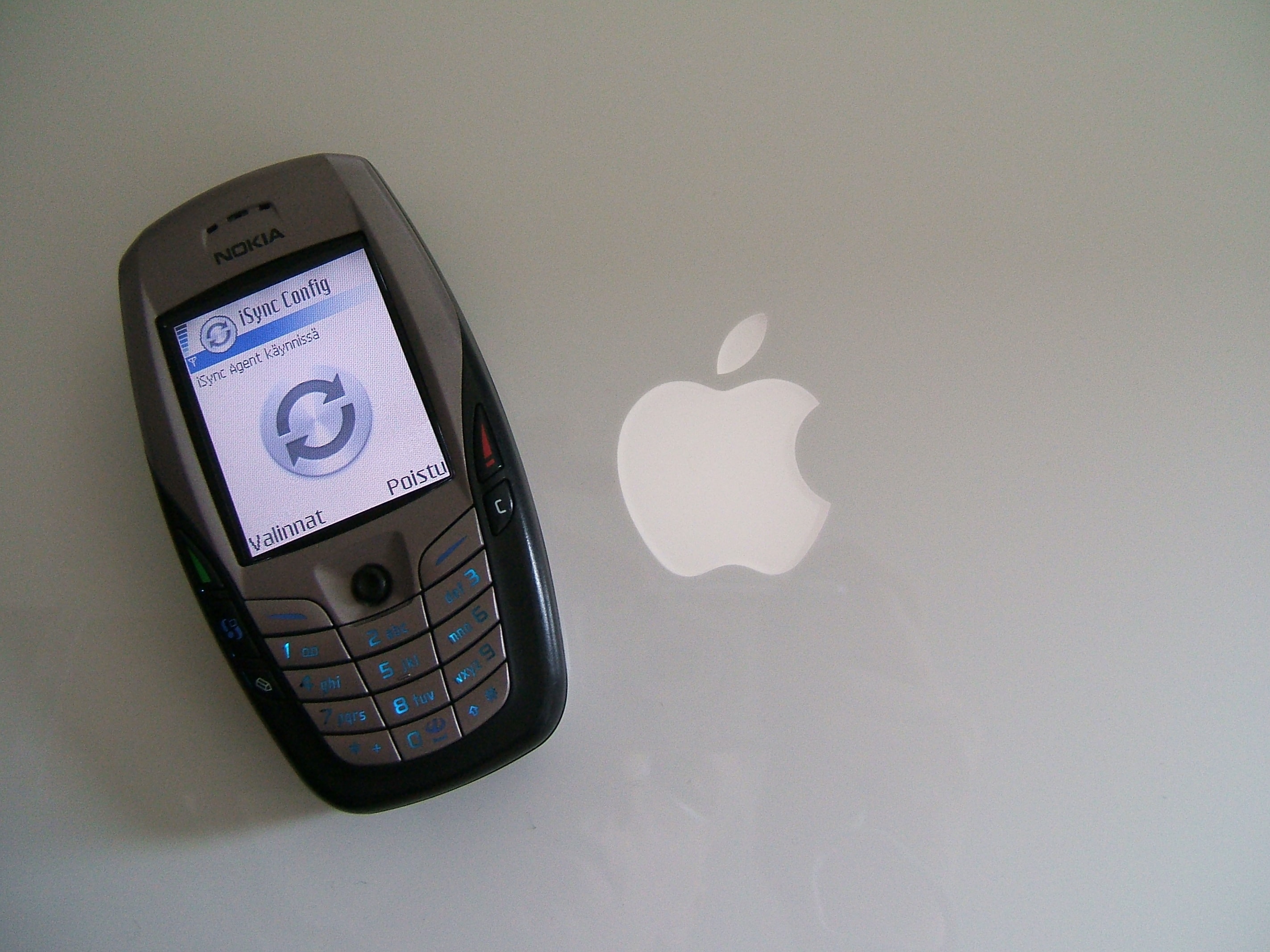
 September 30, 2002: Apple introduces iSync, a tool that lets Mac users synchronize their address books and calendars with their cellphones, iPods and Palm OS-compatible handheld organizers via Bluetooth.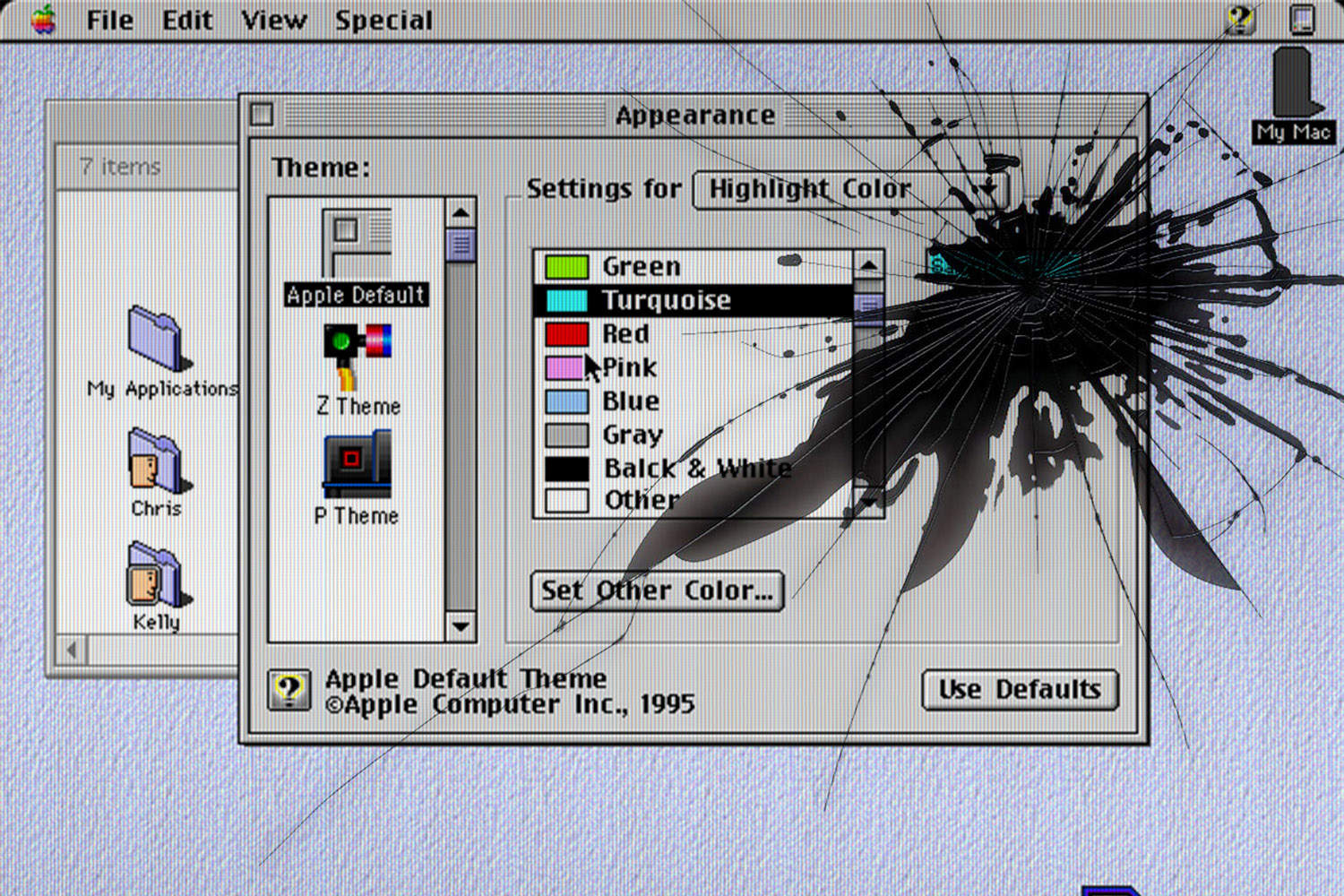
 November 17, 1995: Apple releases the first beta version of its new Mac OS Copland operating system to approximately 50 developers. Not so much a Mac OS update as a totally new operating system, it offers next-gen features designed to help Apple take on the then-mighty Windows 95.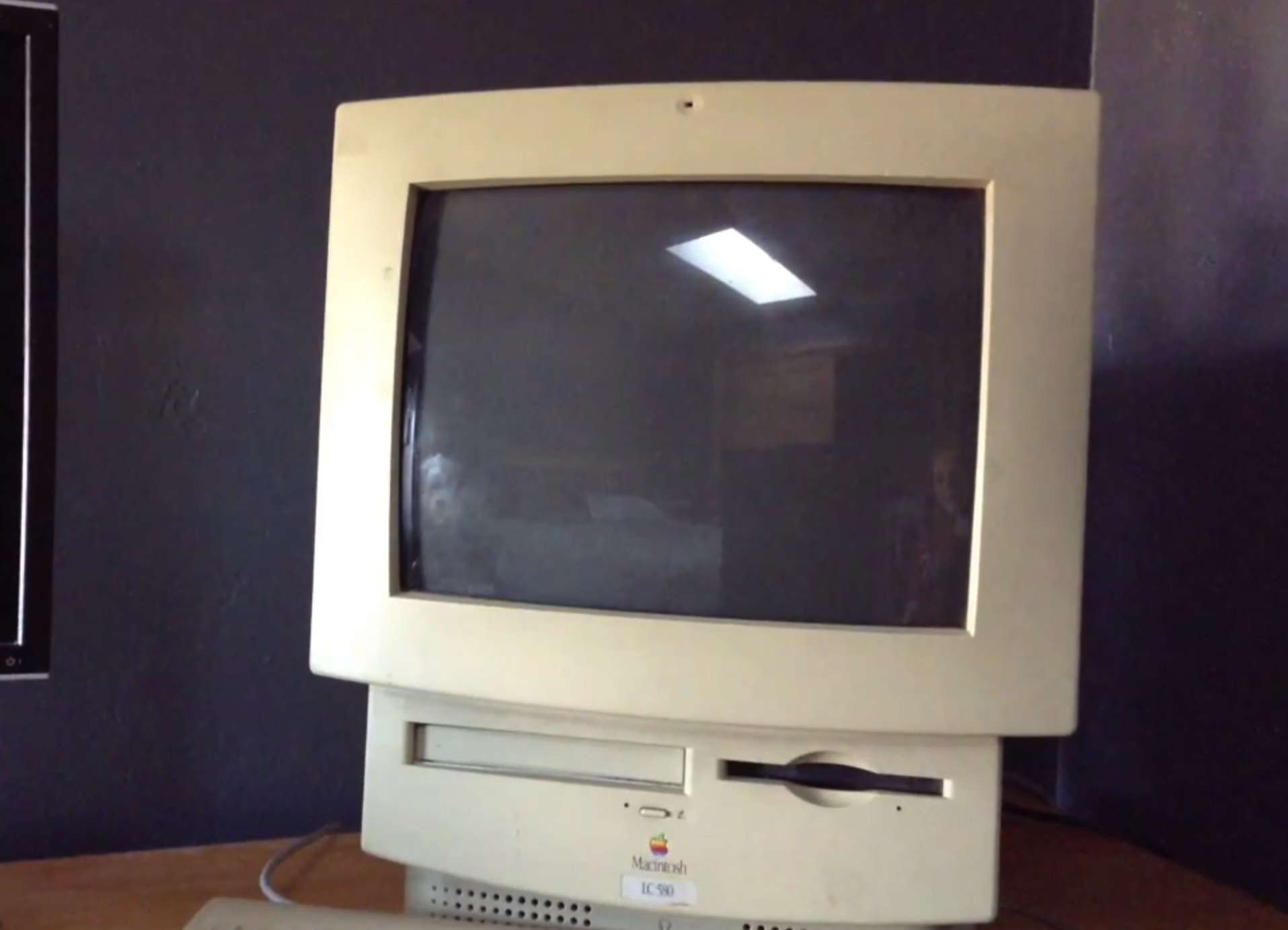
 April 3, 1995: Apple introduces the Macintosh LC 580, an affordable computer offering good multimedia capabilities on a budget.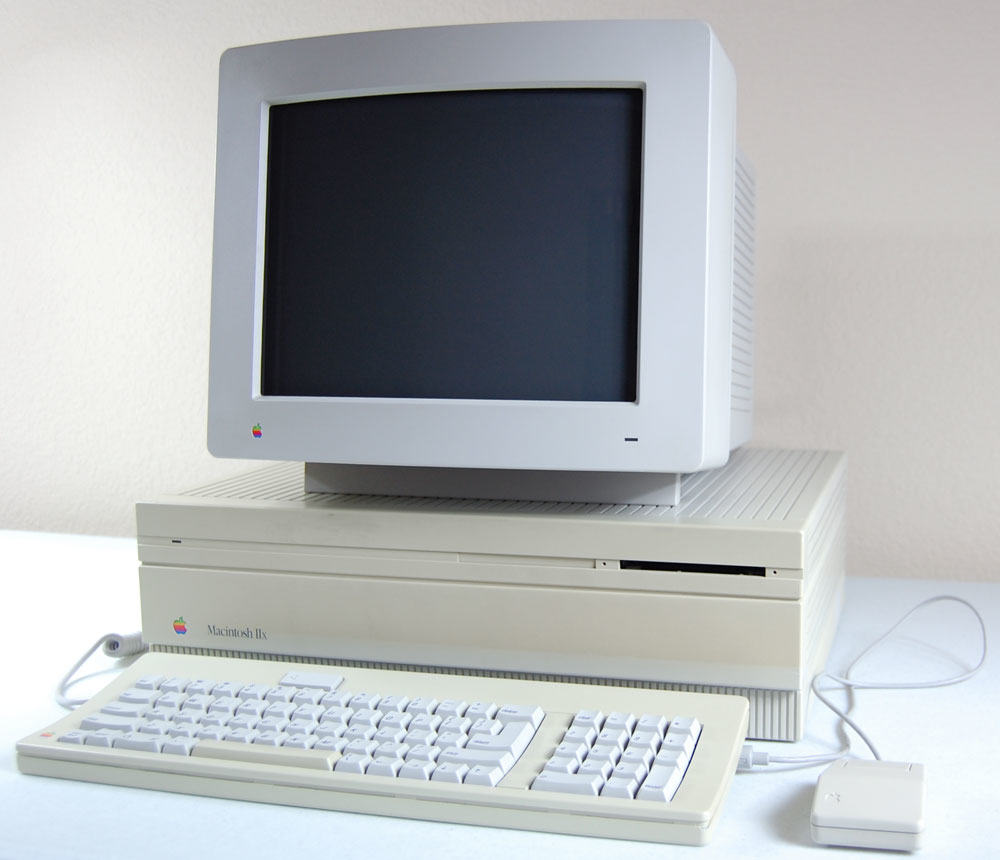
 September 19, 1988: Apple debuts the Macintosh IIx, an incremental upgrade of its fantastic Macintosh II.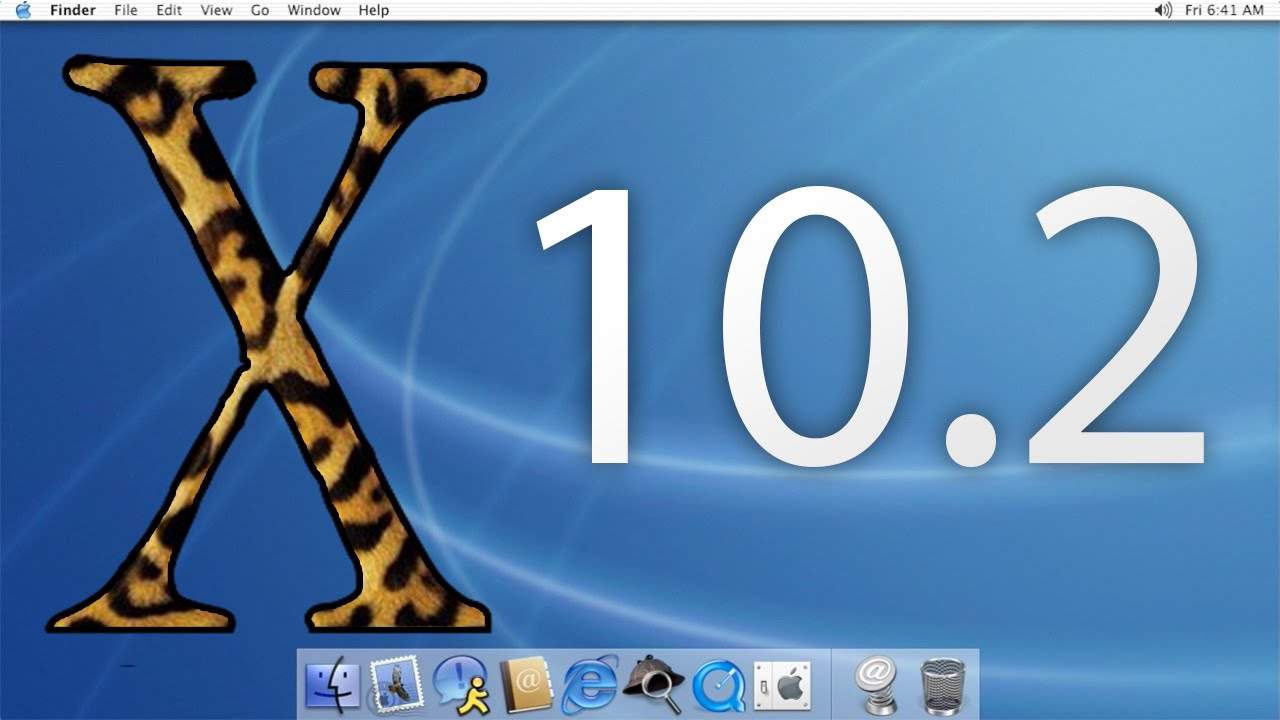
 August 23, 2002: Apple ships Mac OS X Jaguar, the third major release of OS X and the first to publicly adopt the cat-themed code name it had been known by inside the company.