Patent troll Lodsys — the company who threatened to sue multiple iOS indie devs on Friday for using Apple’s own in-app purchasing mechanism — has responded to the widespread furor over their actions in a series of Q&A posts. And guess what? It turns out we were all wrong about them being dicks. In fact, they’re the real victims here! Boo hoo!
After indie dev James Thomson was threatened with a lawsuit earlier today by a patent troll called Lodsys for using Apple’s in-app purchase mechanism in his pCalc iOS app, his first instinct was to play things cautious and not release the update scheduled for today.
Several hours later, though, and Thomson is feeling bolder: he’s decided to release the update to pCalc anyway. But will the other devs hit with shakedowns today be so plucky and defiant?
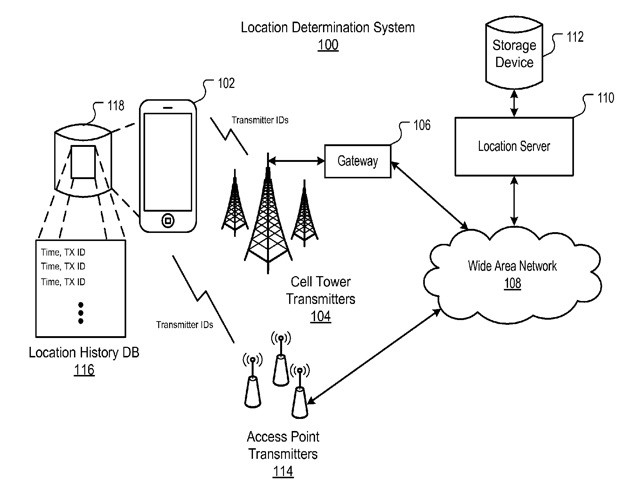
Apple applied for a broad patent on location tracking services back in September 2009 — the kind of location tracking that is now causing a storm of controversy.
The patent application, entitled “Location Histories for Location Aware Devices,” throws some light on the iPhone tracking issue, which is soon to be the subject of a Senate hearing.
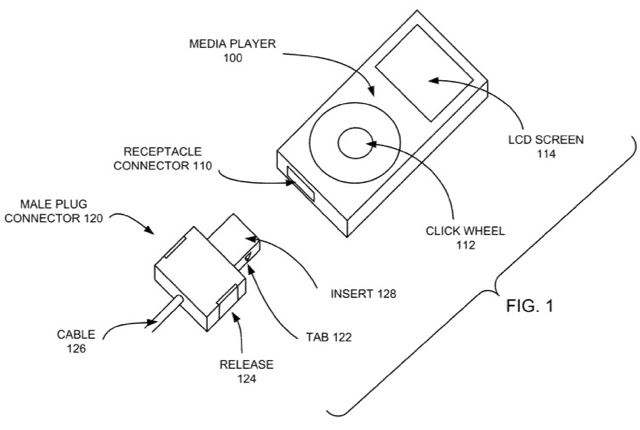
You’d think this is something Apple would already have locked down already, but the guy who just mindlessly rubber stamps all patent applications at the USPTO apparently lost this one behind some filing cabinets for a few years. No bother, because he found it, and now Cupertino owns a patent for the veritable iPod click wheel… just in time for Apple to eliminate it entirely with the next generation of all touchscreen iPods! Great timing!
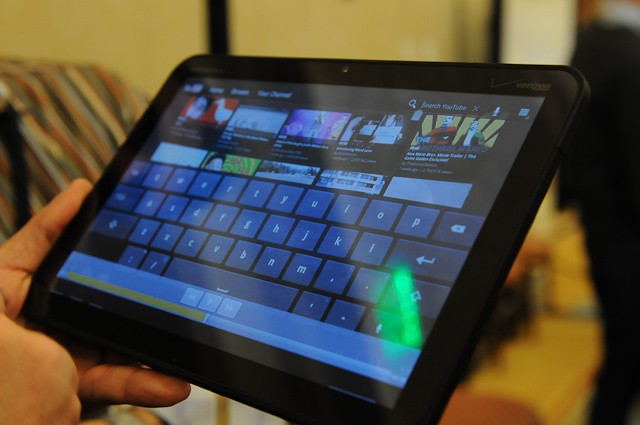
Motorola’s Xoom, powered by Google’s Android 3.0 ‘Honeycomb’ OS fine-tuned for tablets, was supposed to be Apple’s worst nightmare and a reawakening for the venerable handset manufacturer. Instead, one Wall Street analyst estimates Motorola Mobility has sold between 25,000 and 120,000 Xooms, recalling Microsoft’s jab at Apple as ‘just a rounding error.’ What’s the solution for Motorola?
Sue ’em. Global Equities analyst Trip Chowdry thinks Motorola Mobility would earn more by suing Google for what he termed the “dead on arrival” Honeycomb tablet software.
Since February, consumers who have wanted to buy an iPhone 4 have had a bit more choice when it comes to carriers than they once did, but even so, there’s still a healthy demand for the ability to unlock an iPhone to wirelessly handshake with any compatible carrier. International travelers, for example, might prefer to be able to easily slap a cheap foreign SIM card into their iPhones when traveling abroad as opposed to paying exorbitant roaming rates, while regular consumers who have run out their contract might like to be able to take their iPhones to another network.
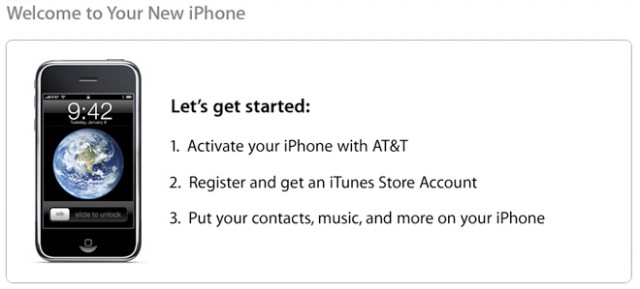
Unfortunately, right now, the only way to accomplish this is either to convince AT&T to unlock your iPhone (good luck with that) or to unlock your device through a jailbreak. Apple could be preparing to make switching your iPhone from one carrier to another easier though, as a recent patent awarded to them details a method in which Apple could wirelessly and remotely reprogram iPhones to work on different carriers.
Not that I think we’ll see that system ever come into play, but wouldn’t that be nice: some mechanism to invoke the ability to actually use the phone you paid for on whatever network you want? Perchance to dream.
Although a ruling on Apple’s patent-infringement complaints against HTC and Nokia won’t be announced until August, we already know the Washington, DC-based U.S. International Trade Commission staff is recommended coming down on the side of the two handset makers. The non-binding staff opinion became public at the start of the ITC trial.
Apple’s dispute with HTC and Nokia would be the first patent court battle involving Android-based handsets, prompting greater interest. In opening comments comments before ITC Administrative Law Judge Carl Charneski, Apple charged its not what you see, “but what’s under the hood” that makes the Cupertino, Calif. company’s products so successful.
Apple is working on a new dock connector for its devices that will boast high-speed connections including USB 3.0 and Thunderbolt, according to a new patent published by the U.S. Patent and Trademark Office on Tuesday. Entitled “Reduced Size Multi-Pin Male Plug Connector,” the patent reveals a smaller 30-pin dock connector that will also feature a dual-lane DisplayPort.
A lawsuit filed by Mirror Worlds LLC related to patents which they claim Apple infringes in Cover Flow has been successfully appealed. On Monday a federal judge overturned a jury’s verdict and ruled that Apple was not guilty of patent infringement, which could have cost the Cupertino company $625.5 million.
U.S District Judge Leonard Davis said that the evidence wasn’t enough to support the damage award:
“Mirror Worlds may have painted an appealing picture for the jury, but it failed to lay a solid foundation sufficient to support important elements it was required to establish under the law. The evidentiary record is insufficient to support the jury’s damage awards.”
3D is the newest craze in gadgetdom — or, at the very least, a lot of gadget makers would like it to be — and it looks like even Cupertino is interested in getting in on it. a new patent says that Apple has been exploring a multi-camera system for 3D picture taking, hinting at a future iPhone 3D.