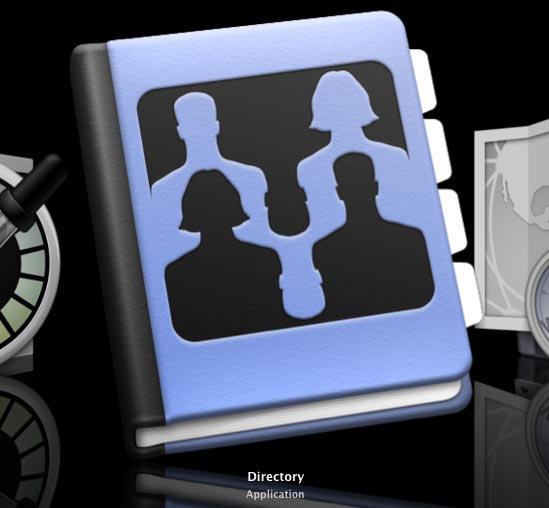
In case we had all lost track of the Macintosh with such fascinating news popping in the world of iTunes, the iPhone and the iPod, ThinkSecret emerges to remind us that Leopard, the next major update to Mac OS X is dropping in less than a month, on Oct. 7. The gallery has some more of the gorgeous icons Apple is unleashing for the OS, as well as screenshots of some details that haven’t previously been available.
A couple of things that didn’t quite fit into my analysis of Amazon’s new MP3 service that I find interesting and/or ironic.
Amazon’s No. 1 download in its first day? Feist’s “1234,” which Apple has made a hit as the theme song for the video iPod nano commercials. The tune ranks third on the iTunes Store.
Radiohead’s entire catalog is available on AmazonMP3 for $8.99 per album. The band (which is my favorite) pulled out of iTunes because Apple refused to sell the group’s music as entire albums, insisting on track-by-track downloads.
Number of songs in iTunes Top 10 available on Amazon MP3 on Day One: 7
Number of those songs available without DRM on iTunes Plus: Zero (0)
Number of those songs on Amazon available for 89 cents each: 7
Number of top 10 albums on iTunes available on Amazon: 5
Number of those albums available DRM-free on iTunes Plus: One.
Number of songs written and performed by the Beatles available on either service: Zero
If you follow Apple for long enough, you’ll see a million toothless iTunes and iPod killers, overhyped services and products destined for obscurity or the remainder table. But though Amazon’s new mp3 downloading service seems like another in this chain, I firmly believe this time is different. Amazon can actually deliver a superior digital music experience. Apple has its first legitimate challenger since the iTunes Store first launched. To hear why, click through.
NBC has struck the most recent blow in the on-going, extremely catty break-up between the media giant and Apple, announcing it in November it would enable consumers to download “many of its most popular programs” for free. Provided they watch embedded ads that can’t be removed. On their computers. Within seven days of the air-date. When they self-destruct. No, I’m not kidding. As BuzzSugar puts it:
The video will only work for a week after the episodes are broadcast.
Only a limited number of shows will be available at the start, but at least they’re generally good ones: “Heroes,” “The Office,” “Life,” “Bionic Woman,” “30 Rock,” “Friday Night Lights,” “Late Night with Conan O’Brien” and “The Tonight Show with Jay Leno.”
The content won’t be available to Mac users (um, take that, Apple?)
Now that’s got to have Apple quaking in its boots — the return of the original DiVX technology plan! Best of all, it’s Windows-only! So great! NBC does claim that its downloads will soon be compatible with iPods and Macs, and that it will eventually offer ad-free downloads that will be transferrable to other devices, but not until mid-2008.
Still, this is a fascinating twist. I can’t wait to see what comes next. The video download market is nowhere near as locked up as music is.
“Partnerships take a lot of work – you want to go out on a few dates before you get married. Yes, we dated a few people but didn’t get married… and so there were a few unhappy girlfriends out there.”
O iPhoneless brethren, I feel your pain. None of us can afford the glorious device, despite our love for Apple. Fortunately, Paul Waite has created an amazing DIY music-playing PDA for the rest of us. All you need is a stack of index cards and an iPod shuffle. He calls it the Hipster PDA Shuffle, and the video introducing it is amazing. AMAZING.
Interesting Apple analysis in the Sunday Times this week from the always-provocative Randall Stross. His thesis: That Apple has an unprecedented opportunity to gain on Windows while Vista is stinking up the joint — and they’re blowing it.
If you’re the owner of a Windows PC who is looking for a replacement computer, the choices are grim. You can step into the world of hurt that is Vista, the latest version of Microsoft Windows that was released in January. Or you can seek out a new machine that still comes loaded with the comparatively ancient Windows XP.
Maybe, you might say, the moment has arrived to take a look at the Mac. You can easily order one online, of course. But if you’d like to take a test-drive before you commit, odds are that you’ll have to look far and wide for a store that sells it. The Mac’s presence in the retail world remains limited, a shame given the rare opportunity for Apple to gain market share that opened up when Vista arrived.
In a lot of ways, this is a golden era to be a Mac owner and for Apple. With 185 fantastic retail stores worldwide, we can just walk in the door and see every product and service for Mac, iPod and iPhone in one place. But on the other hand, if you walk into any computer store in America, you’re way more likely to see HP, Sony, Toshiba, Lenovo and Acer machines on displays than anything from Apple other than the iPod. Mac sales are up right now — considerably so — but Macs are still niche and seem poised to remain there. It’s a terribly tricky problem, though. Part of Apple’s problems in the mid-’90s happened because of the company’s prominent place in mainstream stores — and thoroughly mediocre product and sales methods to match.
Is there an answer here that makes the Mac mainstream? I can’t see it. What say you?
UPDATE: Another online back-up solution to consider is Mozy, which gives out 2 gigs for free and charges for any additional storage. You can check them out here.
Backup remains the most elusive and under-appreciated form of computer technology. Though everyone knows we should, no one actually backs up other than the most diligent among us. I have a huge external hard drive, but I manage to put things on it maybe once every few months, if that. Good thing I did that at all, of course, as my hard drive just died on my Powerbook.
Anyway, until Apple unleashes Time Machine in Leopard to change back up forever, there are other things to try. One such as Carbonite, an online backup service that’s got some decent buzz on the PC side and now has a Mac client in beta. I haven’t given it a shot myself yet (will report back soon), but hey, free software!
If you’d like to get in on the beta, send a note over to [email protected] and mention Cult of Mac. The old high school friend who tipped me off claims that’s all there is to it. Let me know how it goes — he’ll hear about it if there are any troubles.
Though Apple’s big iPod announcements last week promise to make video playback the new status quo in digital media players, one minor detail got lost amid the excitement. Though the new video nanos, iPod classics, iPod Touches and iPhones are capable of 480p output via a new Component video connection kit, they won’t be capable of working with third-party video accessories released over the last two years, such as those cool portable DVD player lookalikes that were all the rage a few months ago.
According to b, the new iPods’ TV-out feature requires an authentication chip found almost exclusively in Apple accessories, such as the (now-dead) iPod HiFi and the Universal Dock. Otherwise, the menu item is locked out. There is no apparent technical reason for this, just a monetary one. Pretty skeevy of Apple. anyone feeling burned right now?
(Non-Variety translation: Rumor has it that Apple wants to change the price of iTunes TV downloads to 99 cents.)
I’ve been thinking and talking a lot about why Apple would want to force the networks to make less money per download on TV shows, and the best answer I’ve heard comes from my fiancee: Apple believes cheaper downloads will lead to more sampling, and therefore greater popularity for newer shows.
Think about it. You’ve heard great things about “How I Met Your Mother,” but you don’t want to spend the time or money to get the first DVD on NetFlix. The whole series isn’t available through On-Demand cable, and you’re definitely not sold enough to buy the box. With a full iTunes archive, you could try out the pilot for a buck. At $2, it feels too much like you’re over-paying for a set you might want later, as sets average out to about $2 per episode. At a dollar, it’s a product sample. For $2, you’ve already invested.
The real competition for iTunes downloads isn’t DVD box sets — it’s cable On Demand service. That’s what hasn’t clicked until now. The TV networks, because many of them also own record companies, can only view their product compared to song prices. But it’s an artificial comparison. Which will you play more times: A hot song you love or an hour-long episode of Heroes? If anything, songs should cost more than TV shows.
For myself, I would buy a lot more shows on iTunes if the price goes down — especially for series I don’t watch or from channels I don’t subscribe to. The more I think about it, the more I like it. It’s incredibly consumer-focused, but also focused on growing the audiences of series with niche followings. It means more revenue than On-Demand for the networks, as well as possible boosts for DVD season box sets.
What do you think, how would your iTunes habits change if the TV prices drop?