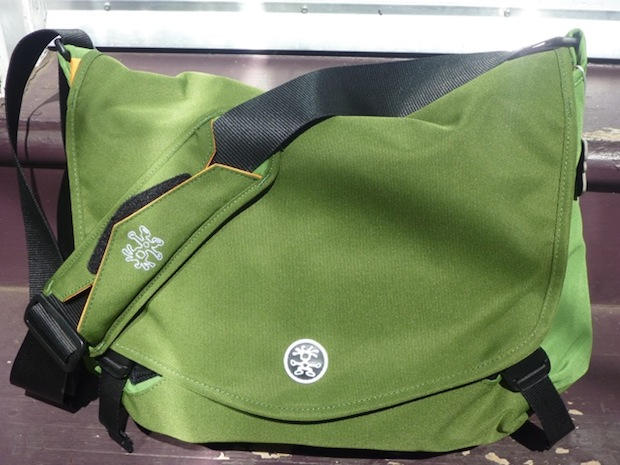
Is Crumpler’s oddly-named Considerable Embarrassment messenger/laptop bag an embarrassment? Hardly.
The bag has a quirky name — as do all of Crumpler’s products. I won’t even try to understand what it means. What I do know is that looks are deceiving. Meaning that it can hold a ton of stuff, despite it’s slim profile. It doesn’t look like it should.
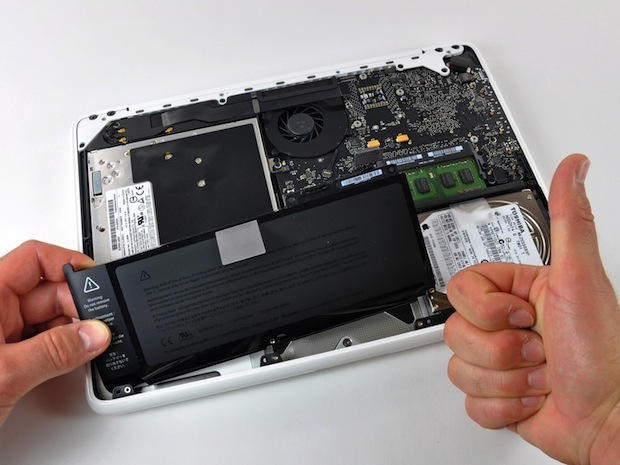
Apple has added a faster processor, a bright LED display, a big new built-in battery that adds two hours of extra life (Apple claims) and an improved Bluetooth antenna that promises to improve reception. The MacBook also has a space-age heat sink to cool the faster chip.
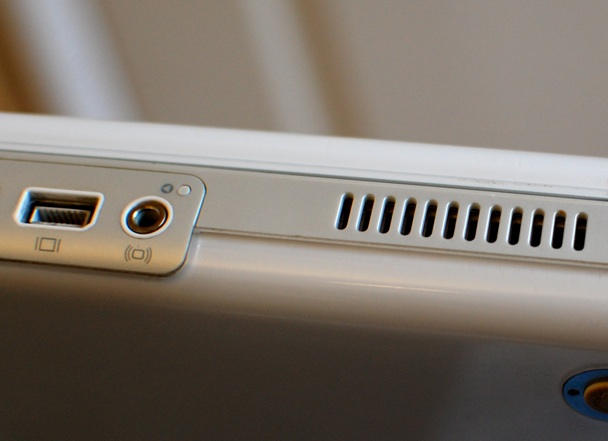
But Apple giveth, and Apple taketh away. Gone is the FirWire port and IR sensor, making it the only shipping Mac portable with no remote control.
Gone also are the two fake screws on the left side of the old MacBook that Steve Jobs insisted on to make the machine look symmetrical.
Announced today, the new MacBook costs $999, the same as the machine it replaces.
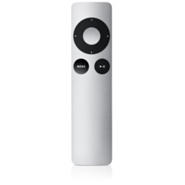
Apple isn’t done yet. The company also quietly put up for sale a brand new Apple Remote, the first revision since Fall 2005. It’s longer and aluminum, and now features good control of docked iPods and iPhones.
Though it looks like it has a scroll wheel, it doesn’t appear to. Still, nice industrial design.
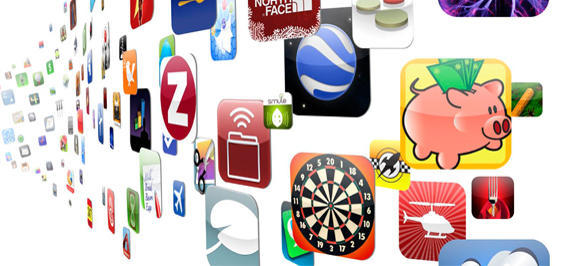
When Apple’s recently reported in-app feature was unveiled, it was largely taken as a way to head-off piracy. However the ability to let users of free apps easily upgrade to paid versions may instead by seen as a way for Apple to keep developers in an increasingly competitive arena.
Unlike in the past, developers can permit owners of a free iPhone app to upgrade to a paid version within the application. Previously, upgrading to a paid version required a second trip to the App Store, another download and more hassles for iPhone developers.
We start the week with an Apple Store deal on MacBook Pro laptops. This price cut comes as a $200 Amazon discount on Mac Pro desktops is being reported and talk of an imminent hardware refresh remains in the air. Also on tap: a deal for on-the-go iPod touch owners with a deluxe armband, plus in-car bluetooth that gets its energy from the Sun.
As always, for details on these and other bargains (like App Store freebies), check out CoM’s “Daily Deals” page after the jump.
We end this week with a motley of Mac items, including a number of MacBooks starting at $620. For the music lover, our top trio is rounded-out with a deal on 30GB iPod videos for $99 and the Philips iPod Docking system. Along the way, we also highlight more speakers, keyboards and accessories suited to the Mac cultists.
For details on these and other bargains (such as the diNova wireless keyboard for Macs), check out CoM’s “Daily Deals” page after the jump.
The first was something I called “Supermarket Spotlight”, and it was described thus:
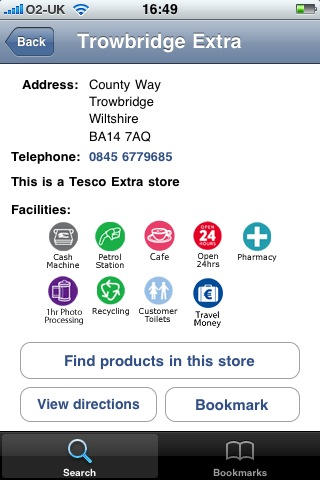
“Like Spotlight on your Mac, but for supermarkets in meatspace. You tell it that you’re in Tesco in Trowbridge, then start typing in the product you’re after. It tells you: ‘Aisle 12, section 2, top shelf, on the right if you’ve got your back to the cash tills.’ Either that, or it simply does the augmented reality thing and takes you there, beeping louder as you get closer, like a geiger counter.”
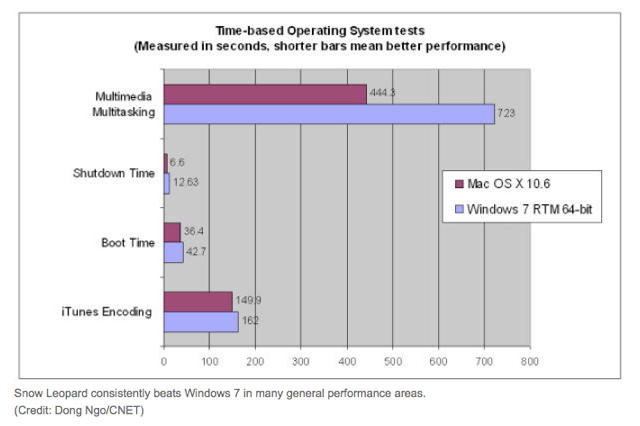
Leopard “consistently outdid” Microsoft’s soon-to-be released Windows 7 operating system, according to to a head-to-head time test. Apple’s latest OS X operating system outpaced Windows in both boot-up and shutdown, according to a review conducted by CNet.
Leopard needed 36.4 seconds to boot up versus 42.7 seconds for Windows 7. The gap was even more significant in the time needed to shut down the 2008 MacBook Pro. While Snow Leopard required 6.6 seconds to shut down, Windows 7 took 12.6 seconds, the study found.
Apple sales grew 6.8 percent in the third quarter of 2009, causing its U.S. marketshare to reach 8.8 percent in the third quarter of 2009, a slight improvement over the 8.6 percent posted during the same period in 2008, a report on global PC sales shows. The numbers came amid signs consumers purchasing mobile computers drove sales during the period. Some 17.8 million PCs were sold overall in the U.S. during the third quarter, a 3.9 percent increase from 2008.
The Cupertino, Calif. company shipped 1.5 million computers during the third quarter of 2009. By contrast, Apple shipped 1.4 million in the same quarter last year. Many of those sales were part of back-to-school sales, a critical part of the U.S. growth, according to Gartner.