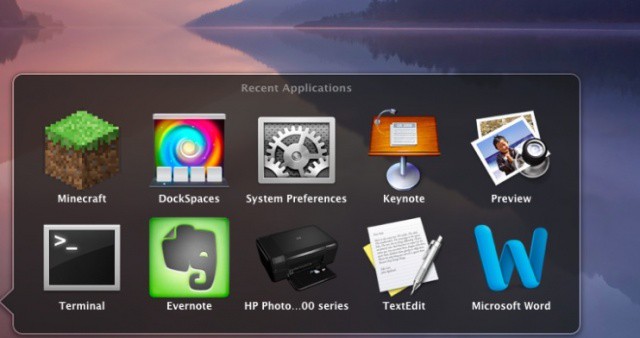
Here’s a fun trick with stacks, OS X’s answer to the original rainbow Apple menu functionality, which used to feature recent documents and the ability to place folders in it for quick and easy access to them. This was replaced in Mac OS X with stacks, a visual way to do a similar thing, but from the Dock. Today, we’ll use Terminal to make a Stack that shows the recent items from your Mac. Fun!
The new iPad's record breaking launch means more iPads in the workplace
Even though the iPad has been around for two years at this point and has proven itself in a vast array of business settings, there are companies that haven’t yet needed to consider how to support or even officially allow iPads on their networks.
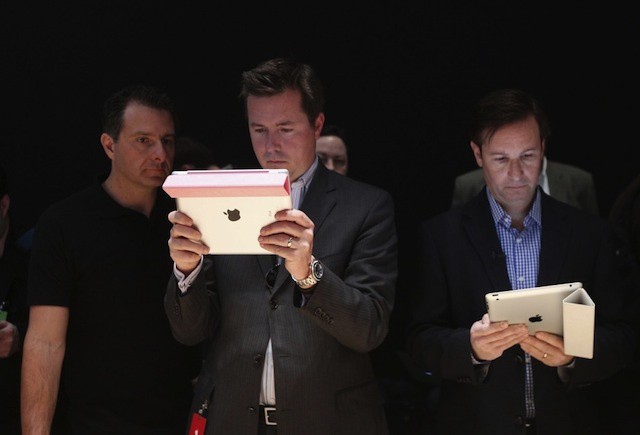
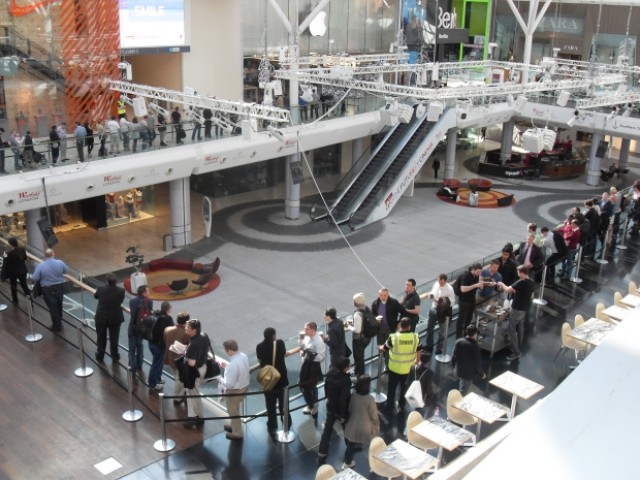
If you’re a IT professional at one of those companies, it’s pretty likely that you’ll eventually need to formulate a strategy – and after last week’s record breaking launch of the newest iPad, you’ll most likely need to come up with a plan sooner rather than later. You may already have new iPad owners lining up outside your office wanting to use their new latest and greatest iPad at work.
It can be a daunting prospect to figure out to integrate the new iPad (or even the original iPad or iPad 2) into your environment, especially if you’re under the gun to get the iPad into service as quickly as possible. Breaking that integration down into immediate needs and eventual goals is the best way to get started and it often starts with these five questions.
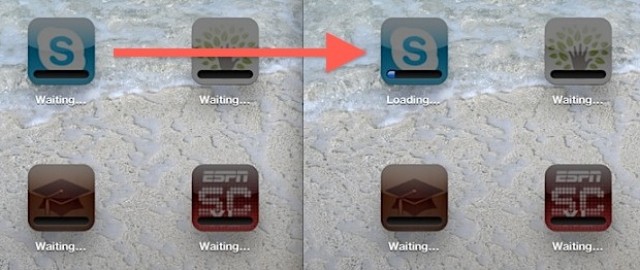
Over the past few days, a large number of iOS users have been reporting that their App Store downloads are becoming stuck on the “Waiting” status when they attempt to install or update a number of apps at once. It is thought that the influx of Retina updates for the new iPad is causing an App Store overload.
Fortunately, there is a simple workaround. Here’s how to fix that frustrating “Waiting” freeze.
Mike Daisey performing his one-man show, "The Agony and the Ecstasy of Steve Jobs"
Mike Daisey, the man behind the hugely popular show that highlights Apple’s manufacturing environment at Foxconn, has received heavy media criticism since This American Life revealed that he had lied and given inaccurate information about his trip to China. Daisey continues to perform his show at theaters in the United States, and he says he still stands by his work.
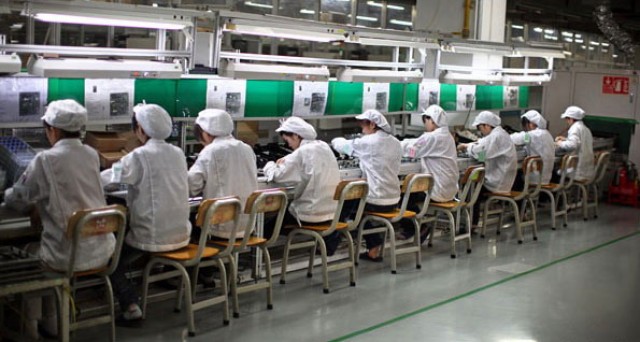
Underage workers, health hazards and debilitating overtime are findings echoed by sociologist Dr. Boy Lüthje, who has spent the last decade researching labor conditions at China’s contract manufacturers where U.S. tech giants including Apple, Dell and HP make the electronic devices that populate our homes.
(You can read Cult of Mac’s exclusive interview with him here.)
Along with a team of researchers, he’s the author of a forthcoming academic work titled From Silicon Valley to Shenzen. The data here, Lüthje notes, is from late 2009 (before the wave of suicides hit Foxconn) but the general conditions remain largely unaltered. When it hits shelves, the book will include updated comments on Foxconn and Apple, he says.
Publisher Rowman & Littlefield granted Cult of Mac permission to publish an excerpt from Chapter 4, which similarities between electronics assembly plants in Mexico, China and Eastern Europe.
Adapted from CC-licensed photo by Mrbill on Flicker.
If you own an iPhone, laptop, Kindle, Android device, electric toothbrush, baby monitor or GPS navigator, it was probably put together by a worker in a Chinese factory.
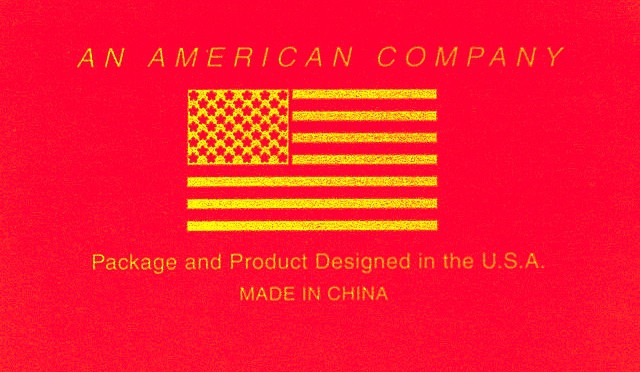
Although Apple is currently juggling the PR hot-potato over working conditions at Foxconn plants in China, a situation made more murky by the factual takedown of Mike Daisey’s monologue, dozens of other global companies make their must-have electronics there.
For a wider perspective, Cult of Mac tracked down one of the world’s leading experts on modern labor in Asia.
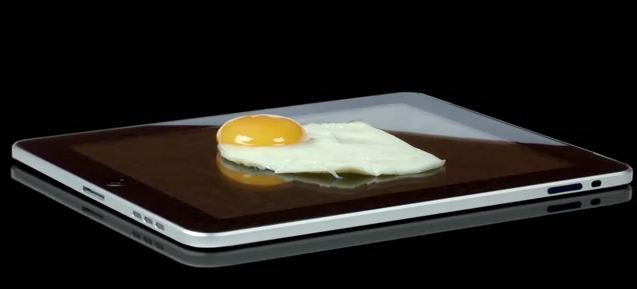
Apple’s new iPad packs a number of new features that the Cupertino company has been quick to boast about since its unveiling, but there is one that it’s yet to mention: Take the tablet to bed on a cold winter’s night and after half an hour’s reading you’ve got yourself a nice warm slab of aluminum to cuddle up to you.
Unlike its predecessor, the new iPad seems to be suffering from some overheating issues during prolonged periods of use. And it’s causing a number of early adopters to become pretty concerned.
The China Labor Bulletin (CLB) has spoken out after an episode of This American Life, which highlights the poor working conditions at one Chinese factory, was retracted last week, making it clear that this does not clear Foxconn’s name. “The press and stock investors will continue to watch how Foxconn treats its workers,” the CLB made clear.
Old computers never really die, they just get passed on to grandkids and collectors. Likewise old computer users never die, they just don’t get out as much as they used to. The internet is an unfriendly place for 8 bit processors and dialup modems.
To help relive old memories and make new ones, several festivals dedicated to computers with no commercial value make the rounds each year. This year for our vintage geek pleasures: the perennial Apple II bash called KansasFest, and the Vintage Computer Festival East.
Apple wasn’t willing to go on record with the new iPad’s initial launch figures just yet, but when quizzed about it during the Q&A session of today’s announcement of an official dividend and stock repurchase plan, Tim Cook did let slip a bit about how well the new iPad had done.