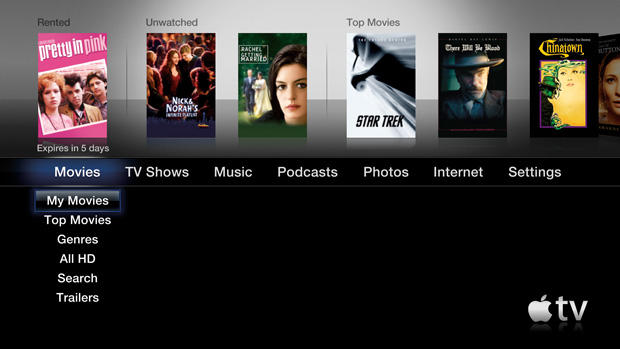
Despite Apple CEO Steve Jobs’ 2008 statement that “no one has succeeded” in combining the internet, movies and tv into one living-room gadget, the Cupertino, Calif. company reportedly is revamping its AppleTV software and hiring broadcast design experts for what could be a new product based on the iOS operating system running the iPhone, iPad and iPod touch.
According to the New York Times, much of the new work is being done outside the Apple TV area and in a new design group, a move that “could signal an entirely new product.”
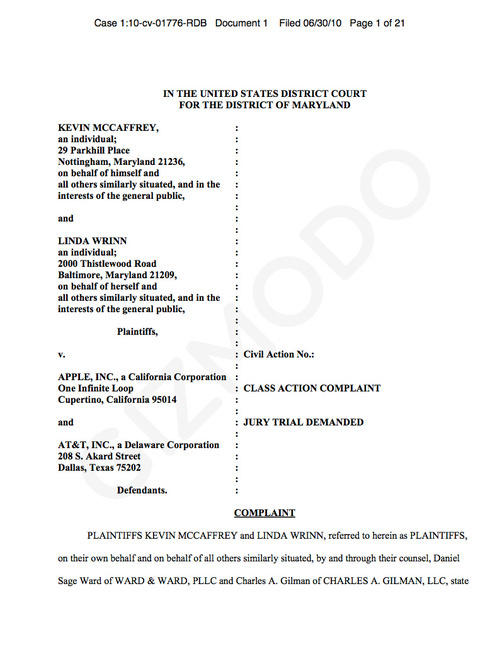
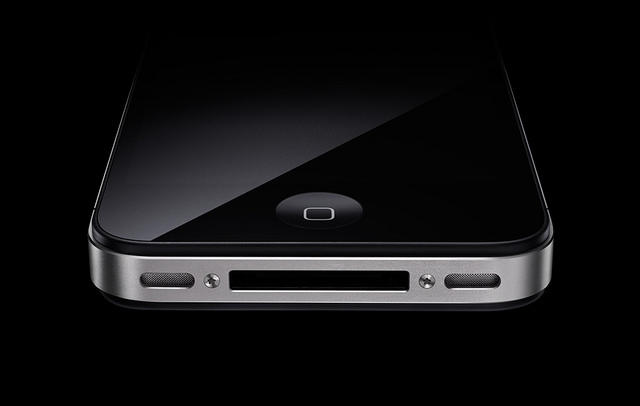
The iPhone 4’s widely reported reception problems is the carcass, and the buzzards have been circling for awhile, but the first just dropped down for the feast: the first class action lawsuit against Apple and AT&T has just been filed in the U.S. District Court for the District of Maryland, and predictably, it focuses on the iPhone 4’s antenna.
The claims are that Apple and AT&T were guilty of general negligence when it comes to the iPhone 4’s reception issues, with Apple specifically guilty when it comes to a defect in the design, manufacture and assembly of the iPhone 4. Additionally, Apple is cited for a breach of warranty, while AT&T and Apple both are accused of deceptive trade practices, intentional and negligent misrepresentation and fraud by concealment.
The lawsuit was filed by Ward & Ward, PLLC and Charles A. Gilman, LLC. on behalf of Kevin McCaffrey, Linda Wrinn and a number of other iPhone 4 users… and it’s not likely to be the last one filed, since the same firm that sued Facebook and Zynga is said to be looking into their own suit.
This is one design decision that is turning into a major headache for Apple, whether the iPhone 4 has a design flaw or no.
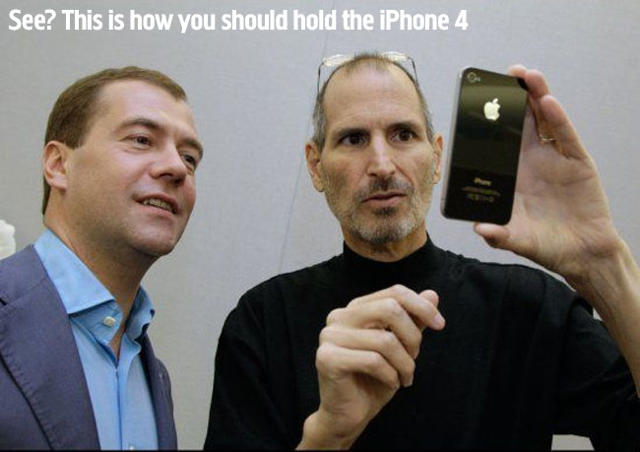
If you’re hoping to get some sort of solution for your iPhone 4 antenna woes by calling up tech support, think again: Apple’s internal procedures when it comes to the iPhone 4’s reception have been leaked, and officially, there’s no problem with the iPhone 4 antenna unless there’s signal problems when you aren’t holding it.
As Apple CEO Steve Jobs furiously sent emails trying to knock down reports of antenna problems with the iPhone 4, the Cupertino, Calif. company apparently was busy looking for antenna experts. And little wonder the sense of urgency: the iPhone 4 could comprise half of the iPhones the company sells this year, according to a Wednesday report.
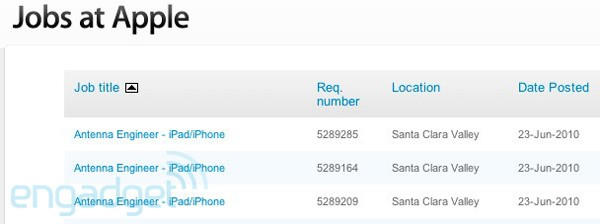
A day before the YouTube videos appeared of dropped calls due to holding the iPhone a certain way, Apple posted job notices seeking iPad and iPhone antenna engineers with at least 10 years experience. The engineers’ job is to “optimize the radiation performance for mobile devices,” according to the posting.
The iPhone 4 was selling like the proverbial hotcakes during the first days the iconic handset was available to consumers, one analyst told investors Monday. Indeed, on June 24, when the new phone went on sale, 60 percent of Apple Stores and all participating retailers had no stock left by the end of the day.
“We believe initial weekend volumes were 1 million plus,” Deutsche Bank analyst Chris Whitmore wrote Monday. “But shipments could have been dramatically higher if there was more supply,” he added. Apple announced Monday it sold more than 1.7 million iPhone 3 units between Thursday and the end of Saturday, June 26.
As they are wont to do, the guys over at iSuppli have ripped apart their pretty new iPhone 4s, done some math and figured out how much it cost to make.
What’s the damage to Apple? The 16GB iPhone 4 costs $187.51 to put together in hardware costs alone, with the fancy new Retina Display costing $28.50 per unit, the A4 CPU costing $10.75 and the new gyroscope only coming in at around $2.60./
Needless to say, there’s a lot more money spent on every iPhone 4, including marketing, design and manufacturing, so this isn’t a complete view of how much profit Apple is looking at per device, but I still always find this stuff fascinating, like taking my dental records down to a pawn shop and seeing how much I could get for my fillings.
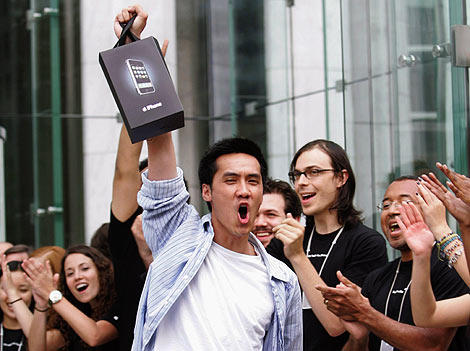
More than 1.7 million iPhone 4s were sold from Thursday, June 24 through Saturday, June 26, Apple announced Monday. CEO Steve Jobs called the new iPhone “the most successful product launch in Apple’s history.”
Jobs also apologized for the long lines some people encountered while waiting to purchase the device. “We apologize to those customers who were turned away because we did not have enough supply,” he said by statement.
Having problems with your iPhone 4 reception when you touch the bottom of your device? According to antenna expert Spencer Webb, don’t blame Apple… blame the FCC.
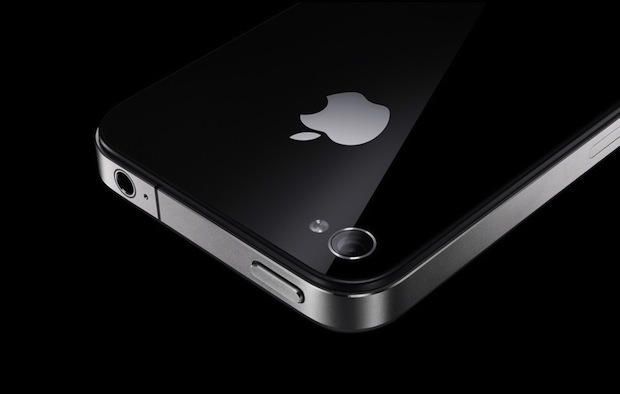
Just about every cell phone in current production has the antenna located at the bottom. This insures that the radiating portion of the antenna is furthest from the head. Apple was not the first to locate the antenna on the bottom, and certainly won’t be the last. The problem is that humans have their hands below their ears, so the most natural position for the hand is covering the antenna. This can’t be a good design decision, can it? How can we be stuck with this conundrum? It’s the FCC’s fault.
You see, when the FCC tests are run, the head is required to be in the vicinity of the phone. But the hand is not!
Basically, because phones have gravitated away from clamshell or extendable antenna designs, and because the FCC has rigid guidelines on how much radiation a cellphone is allowed to pump directly into your skull, Apple had to put the antenna at the bottom of the phone… right where most people will grab onto it.
In a break with past product launches, Apple has announced it will begin shipping the iPhone 4 on June 23, a day earlier than planned. Monday, customers who had pre-ordered the new handset were told by email to expect a Wednesday delivery.
“This email is to confirm that your delivery will occur on June 23rd,” reads the note addressed to Apple Store customers. “Although Apple and FedEx tracking information may currently indicate a later date, you can check the FedEx website the morning of the June 23rd to track your package to your doorstep.”