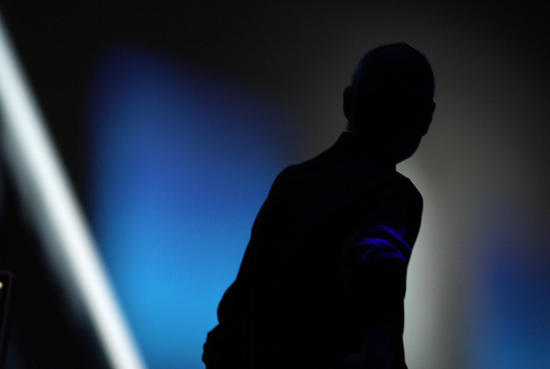
Photo: James Merithew/Wired.com
While I was researching Inside Steve’s Brain, I read everything I could lay my hands on about Steve Jobs, including just about every book and magazine article published in the last couple of decades. One of the most striking things was how many times Jobs mentioned death as the driving force in his life.
Over and over Jobs said he was driven to make an impact before his time ran out.
It was such a recurrent theme, I thought of devoting an entire chapter to the subject in the book. Jobs had an obsession with death to rival Emily Dickinson’s.
Even in his twenties, Jobs obsessed about death. He told former Apple CEO John Sculley he was convinced he would live a very short life and urgently needed to have an impact before he died. Sculley thought this was why he was so driven and ambitious, according to Sculley’s autobiography. Of course, Jobs lived much longer than he suspected.
Best known perhaps, are Jobs comments during his 2005 commencement speech at Stanford:
“Remembering that I’ll be dead soon is the most important tool I’ve ever encountered to help me make the big choices in life,” he said. “Because almost everything all external expectations, all pride, all fear of embarrassment or failure – these things just fall away in the face of death, leaving only what is truly important.”
It’s comments like this that makes me pessimistic about today’s news that Jobs is stepping aside, even if he claims it is only temporary.
For the last four decades, since Jobs cofounded Apple in his bedroom, he’s worked like a horse — rising early, taking short vacations, avoiding parties and sacrificing holidays to prepare for Macworld.
Work and family — that’s all he does.
I think he’s now focusing on his family.
I hope it’s not the case, but I suspect Jobs will not return to Apple.
Today’s announcement makes me think he’s focusing on “what’s truly important” — his family.

Leander Kahney is the editor and publisher of Cult of Mac. Leander is a longtime technology reporter and the author of six acclaimed books about Apple, including two New York Times bestsellers: Jony Ive: The Genius Behind Apple’s Greatest Products and Inside Steve’s Brain, a biography of Steve Jobs.
Leander has written for Wired magazine, Scientific American, The Guardian, The Observer, The San Francisco Chronicle, MacWeek and many other publications.