Mobile menu toggle

Android - page 78

Android’s Shortcomings Proves Brilliance of iPhone

By

cult_logo_featured_image_missing_default1920x1080
Google phone

Today, the finest minds from Google, HTC, and T-Mobile on hand to launch the Android platform proved, beyond a shadow of a doubt, that the iPhone's monomaniacal whole-widget development model is the only way to claim genuinely new territory in a market.


Today, the finest minds from Google, HTC, and T-Mobile on hand to launch the Android platform proved, beyond a shadow of a doubt, that the iPhone’s monomaniacal “whole widget” development model is the only way to claim genuinely new territory in a market. The T-Mobile G1 comes up tragically short in the race to launch a widespread, modern mobile OS to prevent the proliferation of Windows Mobile. As Steve Jobs has learned, if you want to do something right, you have to do it yourself. In fact, the Android Troika is making the same assumptions that have ensured that Linux will always be a marginal desktop OS in developed markets. Here are the top three reasons why:

3. Presuming that Someone Else Will Fix Your Problems

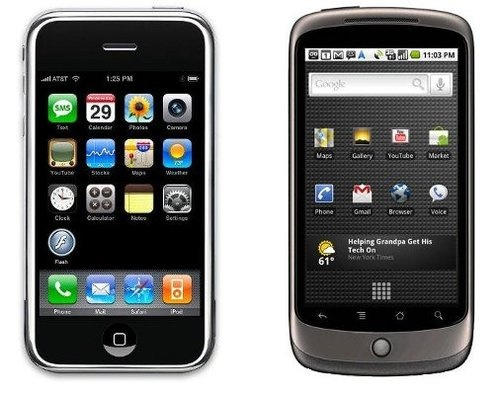
Google has left a lot undone with Android: no built-in Exchange support; no desktop syncing; no video playback; a comically variable UI. But it’s OK, Google says: third-party developers will definitely come up with solutions. While that’s probably true, it also means that standards won’t get established for these features, which means that new features will always lag behind more tightly controlled platforms like the iPhone. Worse, the Exchange omission ensures that this will never play with corporate IT environments that are looking to replace a fleet of aging Treos right now. That means the only credible alternative to Windows Mobile and BlackBerry? iPhone. I never thought I would see the day when Apple was more corporate friendly than the open alternative.

The gPhone is dead. Long Live the gPhones.

By

post-1442-image-8b3bcc08300286e1463dbbc871c3f91c-jpg

As assumed, Google announced yesterday that they have no interest in entering the mobile hardware game. There is no gPhone. Instead, the company took the wraps off of the Open Handset Alliance, a 30+ company coalition featuring software companies, handset makers, network operators, and web companies that claim to be committed to a genuinely open mobile phone platform.

That platform is Android, a linux-based operating system and software stack originally developed by a start-up of the same name that Google absorbed in 2005. Basically, if you license Android, you can power a cell phone. It’s everything except the phone itself.

It’s exactly what I hoped for. T-Mobile, Samsung, HTC, Motorola and others are on board, and this time next year, there could be dozens of Android phones on the market, each set up for total openness of software and all other features. It could be the iPhone without Steve Jobs trying to control everything about it. It could be high-end, low-end, mid-end, side-end.

On the other hand, this is a year off. We’ll see the SDK next Monday. Then it will move from vaporware to reality. Can’t wait.