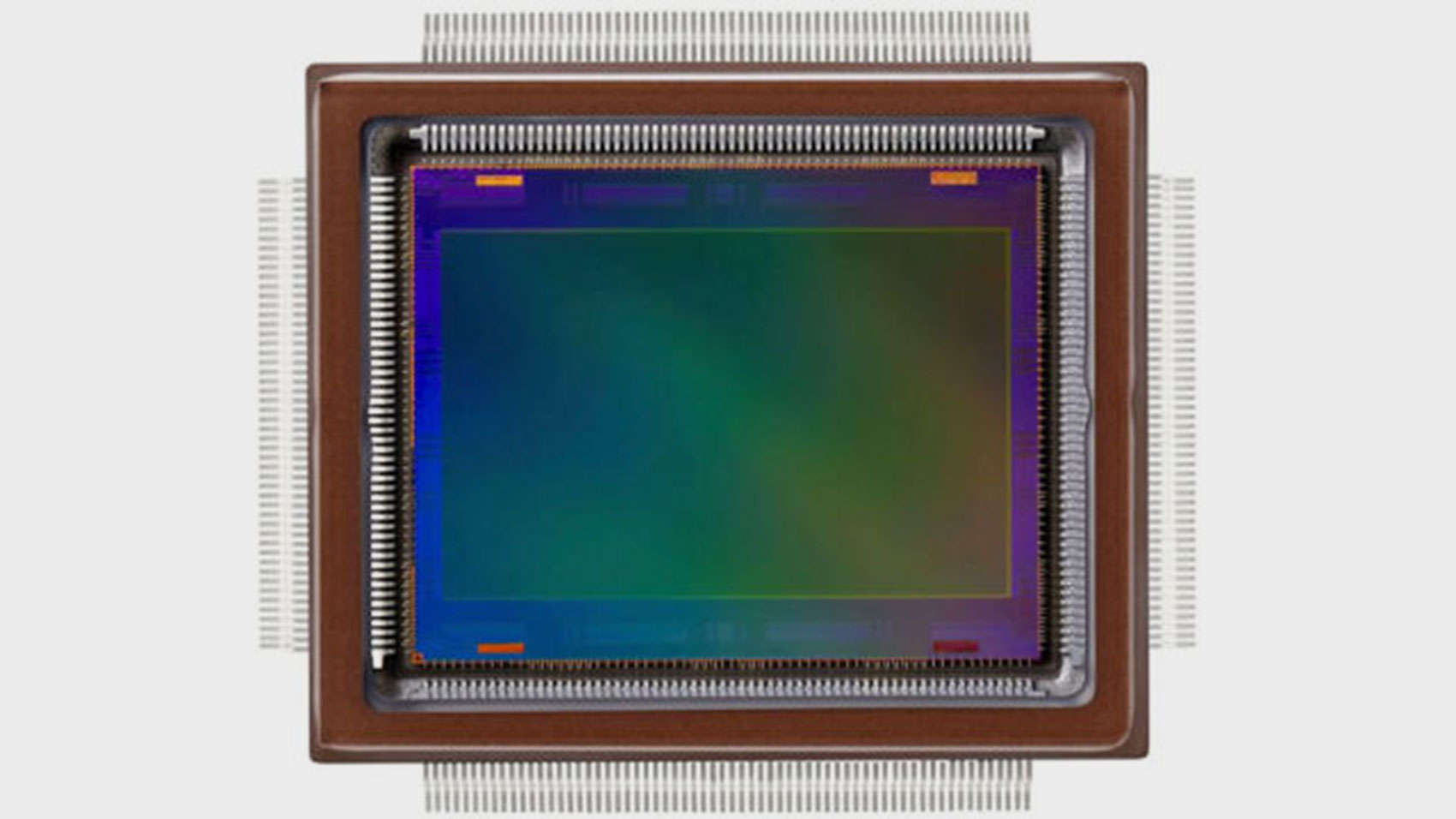
Canon has developed a CMOS camera sensor that records a 250-megapixel image. Not that this should kill your excitement about the 12 megapixels you’re going to get with the camera on the new iPhone 6s, but take a moment to consider the number.
How do we even fathom 250 megapixels? Canon, in its press release boasting of the pixel count (19,580 x 12,600), said engineers zoomed in on a photo taken of an airplane from 11 miles away and could distinguish the lettering on the side of the plane.
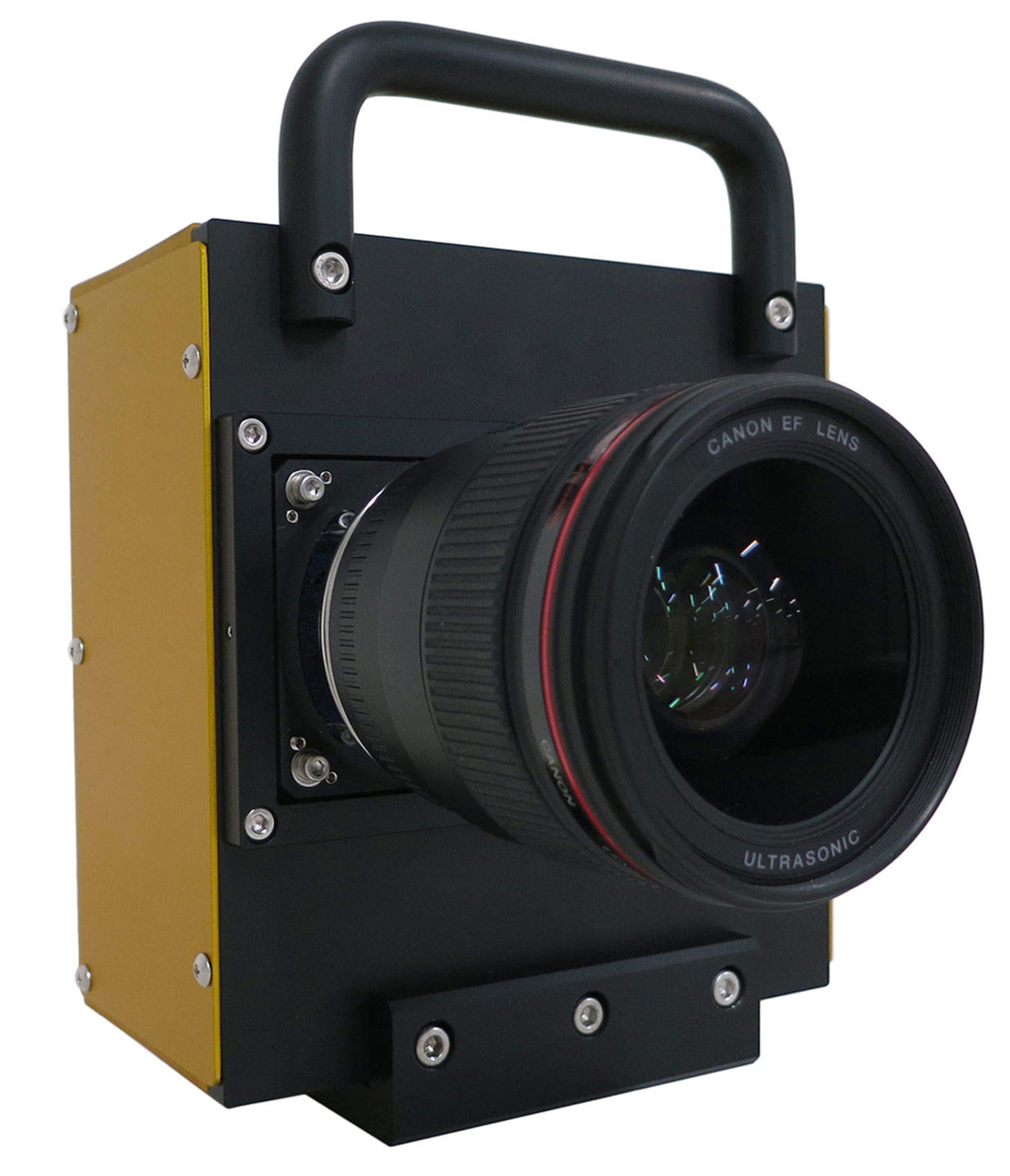
Photo: Canon
It might be a while before we see such detail from a camera sensor. In the meantime, we can continue to debate how many megapixels a person actually needs to make a nice picture.
More megapixels means you can enlarge your photo and make a gorgeous giant print. But considering we mostly leave our pictures on our smartphones and in our Instagram feeds, you will be well-served by even the measly 8 megapixels on the soon-to-be obsolete iPhone 6 (Apple is expected to reveal a 12-MP iPhone 6s Wednesday during its annual fall new product rollout).
Canon, which introduced a 50-megapixel sensor in the Canon 5DS earlier this year, does not say they will pack this sensor in a consumer DSLR. The news release said Canon is considering it for specialized surveillance and crime prevention and various industrial applications.
Canon did not provide sample images from the sensor. Canon did, however, release pictures of the actual sensor and the crude prototype camera, equipped with a standard 35 mm, f1.4 lens. According to the news release, the resolution on the video 125 times great than Full HD.
Source: Arstechnica

David Pierini is a former newspaper writer and long-time photographer. Considered a luddite by most of his friends, they did not believe him when he broke the news that he would be writing for a technology website. He is fascinated by human nature and would love to cultivate stories about the people driving the tech bus. Reach out to him at [email protected].


10 responses to “Canon just dropped a nuke in the megapixel war”
Meh…. NCIS already uses it…
Every article argues with the point of ‘print’, why? In this digital age, its not dpi(dots-per-inch) but ppi(pixels-per-inch). Even magazine subscription are digitalised, a conservative company like Apple even has an UHD displays, so why the argument on the same point called ‘print’ when u r moving to QUHD, virtual-reality, holograms etc..
Reminds of the drone company that just parses together thousands of cell phone cameras to create an equivalent high res image for real time tracking and recording of entire cities.
I’m already imagining taking a picture of sky from my phone and then zooming in to the airplane to see who is flying it. Lol
It might be overkill for regular digital cameras, but it’s just what’s needed for images from light field cameras to exhibit an apparent resolution that matches regular digital camera resolutions..
More useless megapixels. Consumers don’t need even 8mp. Print and display technology is so far behind. At this point it’s a useless metric that feeds the “mine has more X than yours” complex people have.
Nonsense. Being able to crop and still get great images is a huge benefit.
You lose quality by cropping. Also, all things equal, the pixel quality at each photo site is diminished greatly by increased sampling. So the quality deteriorates further. Cropping is a poor substitute for lenses (zoom or otherwise) or moving closer to the subject.
Imagine how little light there was for the photos of the dark side of Pluto that NASA took.
Wow, your dick pics look great!