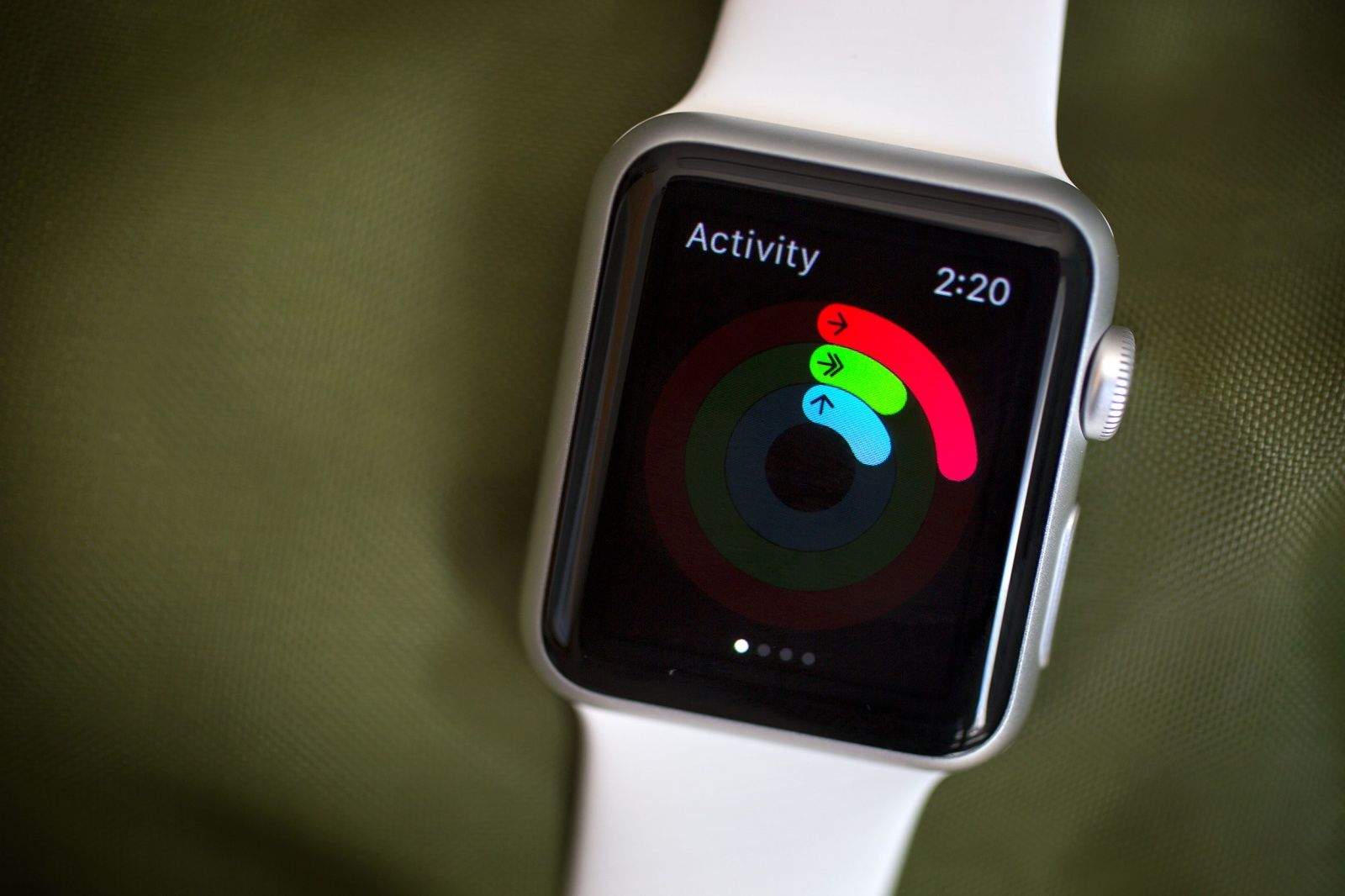
Many people say they want to get fit, but what does this actually mean? Fit for what?
The websites of leading fitness trackers, like Apple Watch, Fitbit, Microsoft Band and Jawbone Up don’t shed much light on this question. They talk a lot about the things that their devices measure, and even suggest changes in how we go about our day, but they rarely explain why this matters or what the actual benefits are.
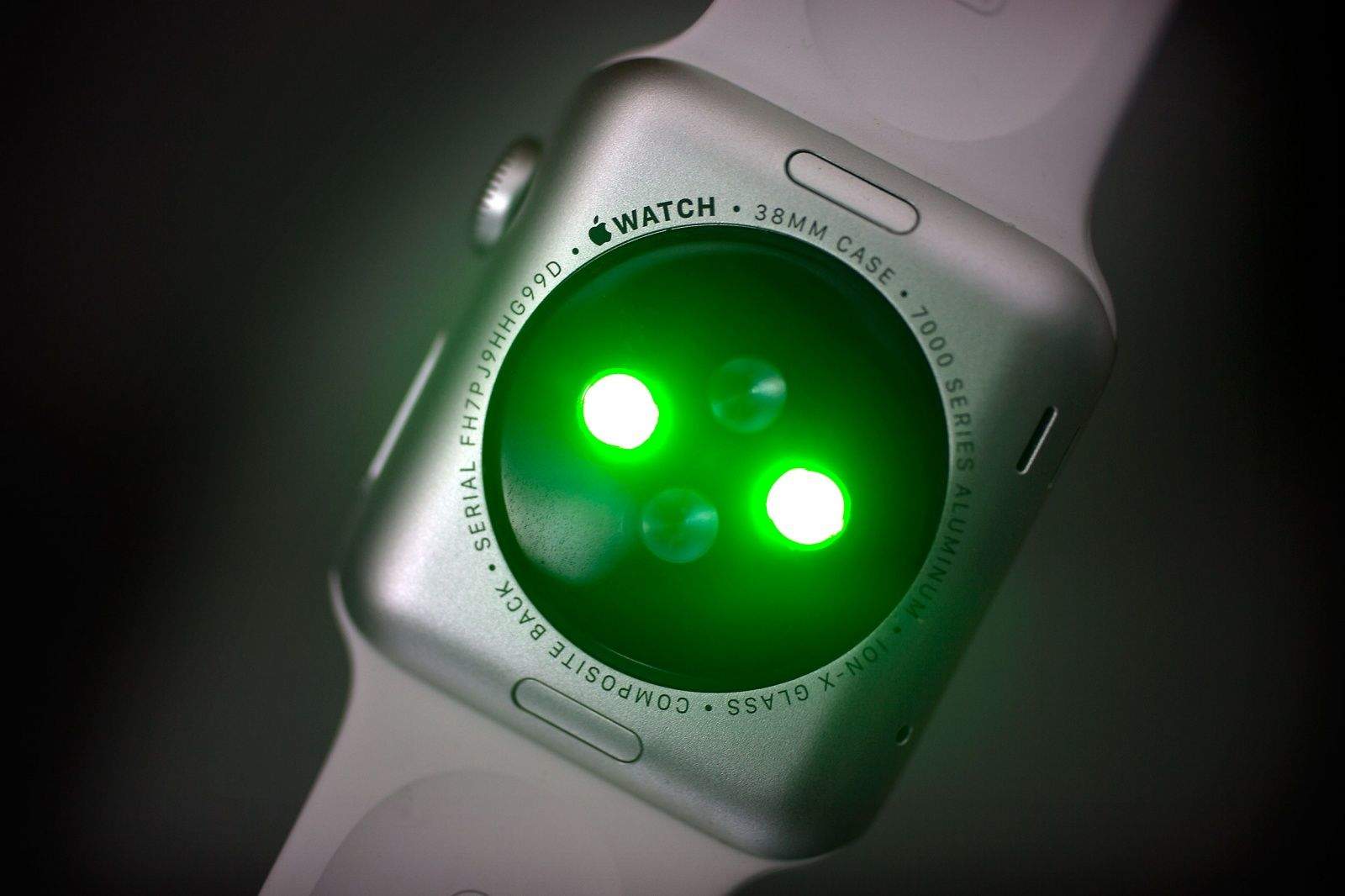
Photo: Jim Merithew / Cult of Mac
If anyone who knows what fitness is, please stand up
Apple’s website says that fitness is “about being active throughout the day”. Fitbit argues that “fitness is the sum of your life”. Jawbone Up talks about “a better version of you,” while the Microsoft band claims to offer “improved wellness.”
In each case, there’s a lot of talk about “fitness,” “health” or “wellness” but there isn’t much in terms of specifics of exactly how your fitness or health will be improved if you follow their advice.
I’m not questioning whether there are benefits to these products. It seems reasonable to suppose that in general, being more active is a good thing. But isn’t it incumbent on fitness wearable manufacturers who are making recommendations about how we should live our lives to explain exactly how we might benefit, and to provide scientific evidence to support these claims?
Rather than buying the latest wearable, you may be better off with a bathroom scale and a simple tape measure.
Fitness means different things to different people
If you think it is so obvious what fitness means that it doesn’t require a definition, then consider this question: who are the fittest players in professional football?
The wide receivers who can sprint downfield with a burst of speed to get open for a long pass? The offensive linemen who fearlessly block their opponents at the line of scrimmage? Or the place kickers who attempt field goals over long distances with absolute precision?
Offensive linemen are big and strong, often weighing in at over 300 pounds, whereas wide receivers and kickers are lean and powerful, weighing around 200 pounds. Despite their differences, all pro players are at the peak of physical fitness, but each has a different body type and different training regime tailored to their specific role in the game. In other words, they are all fit, but in different ways.
And this principle doesn’t just apply to professional athletes. It’s the same for us mere mortals too. We each have different body types and different fitness goals.
Some of us want to lose weight, some to gain muscle. Others may want to improve their personal best for a marathon. And then there are those who are following their doctor’s health advice.
So there is no one single definition of fitness. You always have to qualify it with the question: “fit for what?”
The difference between workouts and every day activity
Most fitness trackers perform two distinct functions: logging workouts and monitoring everyday activity.
When you’re logging an actual workout, the meaning of fitness is pretty clear. On a run, for example, your wearable is tracking your running fitness: how far, how fast and possibly your heart rate zone.
But with daily activity monitoring, which typically tracks movement, standing, climbing stairs and sleeping, it is less clear exactly what kind of fitness is being tracked, or how this will benefit the user.
The problem here is that the term “fitness” is a nebulous concept meaning different things to different people.
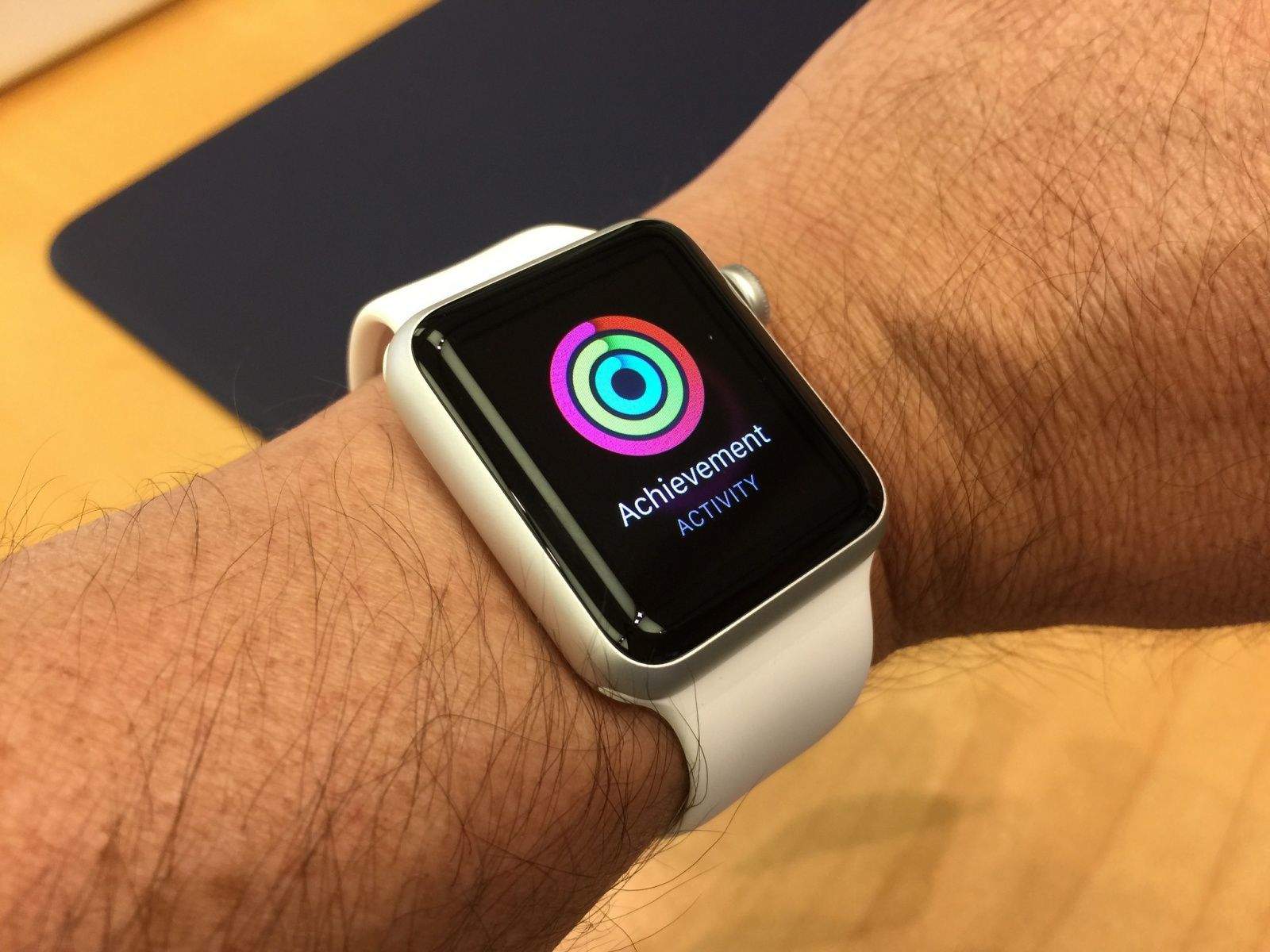
Deciding what fitness means to you
This is important not just because fitness means different things to different people, but because, depending on what your individual body type and goals are, then the training you need to do will vary.
Today’s wearable fitness trackers only measure what they can. Not necessarily what they should. They are limited by the sensor technologies that can be installed on someone’s wrist.
For example, if your fitness goal is to lose weight, then metrics like body weight, BMI, body fat and waist to hip ratio are more relevant indicators to track than how much you move or stand. The reason that today’s wearables don’t track these metrics is not because they are not important, but simply because it’s not currently possible or practical for a wrist-mounted device to measure these things.
Rather than buying the latest wearable, you may be better off with a bathroom scale and a simple tape measure.
So if you are serious about improving your fitness, then before you purchase a fancy fitness tracker, you first need to identify how you want to get fitter. Do you want to bulk up like a power lifter, get lean and wiry like a marathon runner, or just lose a little fat and get a bit more definition? Then do some research or get some professional advice to identify what changes you need to make in order to achieve your goals.
When you know what you’re trying to achieve, you can identify the metrics that you need to track – and then you can find out which gadgets might help you towards your goal.

Graham Bower is a designer, writer, fitness geek, and long-time Apple user. He is the co-host of Apple Core, a podcast about the history of Apple, and the developer of Reps & Sets, a fitness app for iPhone, iPad, and Apple Watch. Connect with Graham on Bluesky or at www.grahambower.com.

9 responses to “What does ‘fitness’ mean and why does it matter?”
“The offensive linemen who fearlessly tackle their opponents at the line of scrimmage?”
Pretty sure that would be holding.
Thanks Doc_Sportello. That’s now corrected. Give me a five yard penalty.
Holding is a 10 yard penalty.
Finding definition of fitness this way was much easier than reading your article
Nutrition is the other big piece. I’ve found it very useful to use a calorie/nutrition tracker like MyFitnessPal. It really puts into perspective the “price” you pay for putting various foods in your mouth.
Like fitness, it’s probably insufficient to just say “I’m gonn eat better”. For a lot of people, you need objective numbers, on record, for you to get perspective.
what a load of BS…. fitness isn’t just “about being active throughout the day” … fitness isn’t just going to the gym once a week and proclaiming that you “exercise”… It’s about selecting a nice diet and exercise plan, and sticking to it religiously for as long as it takes even if you don’t see results in the beginning. it’s really a test of your willpower.
this is a great article. thanks for writing it.
although there have been and are other “fitness” or “activity tracking” bands, devices, and gadgets, it is apple’s device that finally is brining such great conversations such as this one to our awareness.
apple obviously put years of thought into its watch, to get enough battery length, to get enough tracking data available, to get enough of it right in total that, along with its marketing strength, is able to create compelling reasons for us to be use this as a part of the way we become and stay motivated to become or stay “fit”.
for me, it is less what “fit” means (as it is clear that it is different for each person) that what it allows us to become.
what the watch allows us to is to measure results and see in real time what the consequences of our action or inaction are.
this measurement is what it is about. and it is what gives us the results.
without the ability to measure there is no improvement.
FBI-BET.COM
PREDIKSI VALENCIA VS CELTA DE VIGO
http://198.50.183.108/~fbi/prediksi-bola/prediksi-pertandingan-valencia-vs-celta-de-vigo-18-mei-2015/
“all pro players are at the peak of physical fitness”… Not true.
Fitness. As a fitness coach for 20+ years, I’ve seen the perspective of the subject through many athletes and endless fads. Some things became more important to elites, necessary even; Strength, cardiovascular and aerobic conditioning, all increased in top sports.
However, don’t confuse being an elite athlete with good health. 300lb NFL offensive linemen are not healthy just because they won a coveted spot. They’re conditioned for a job and no one should train like them unless they’re trying to get that job. Guys in those jobs live with health complications with an avg mortality age around 54.
Everyday fitness for everyday people (that’s you and 99,99% of population) begins with diet and activity management. Keyword, “begins”. Most people never get beyond that. This is where wearable sensors and accompanying apps and services can help.
Good fitness improves productivity, lowers healthcare costs and extends quality of life. Apple Watch is a great beginning.