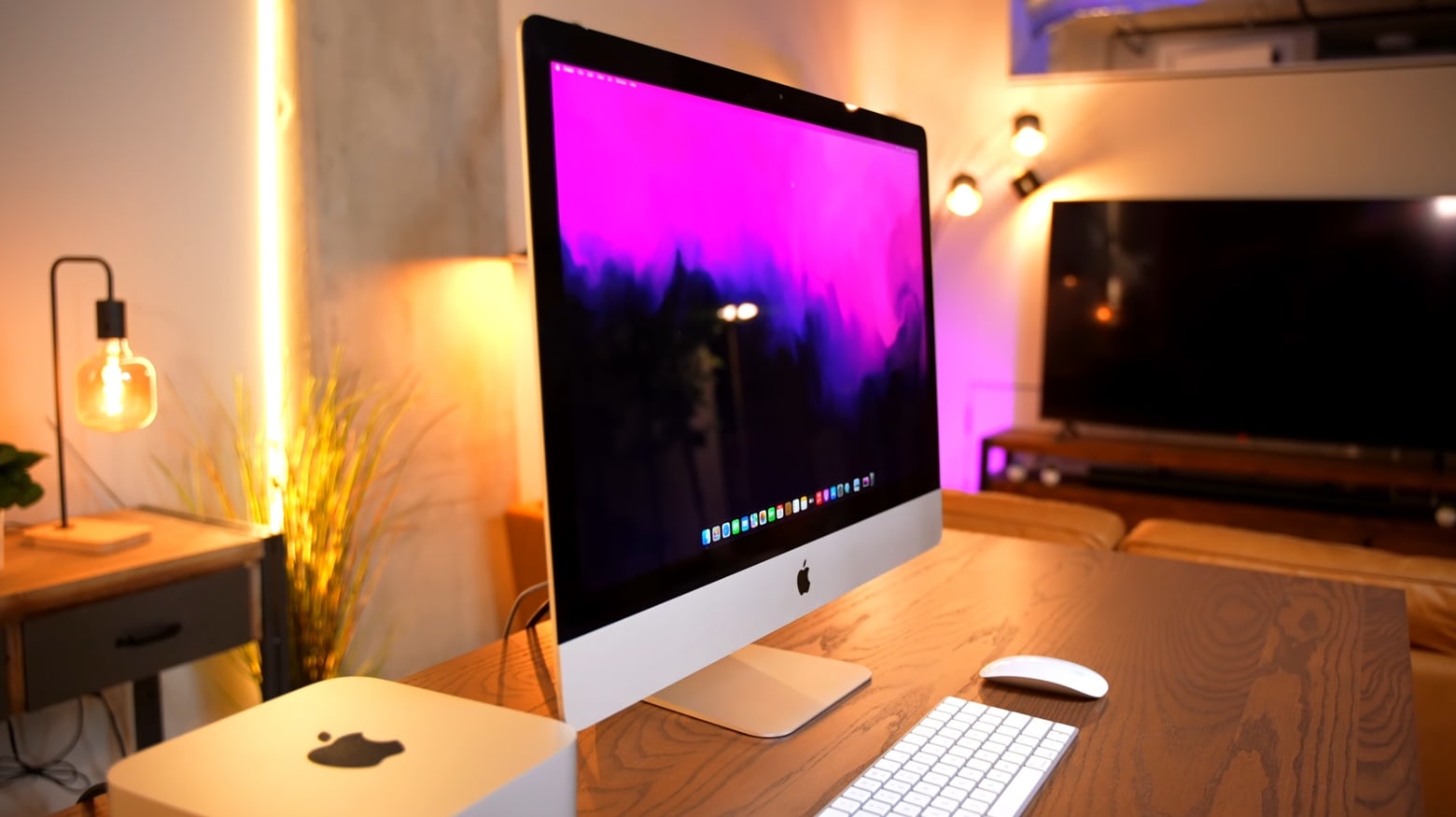
Here's a 2014 iMac made into an external display almost a beautiful as a Studio Display. Photo: Luke Miani
An intrepid Apple expert set out to convert an iMac on its last legs into a useful external monitor with the same general design and functionality as a new Studio Display. The inspiration comes from Apple’s recently released monitor using a 27-inch 5K LCD, as do all the iMacs made for many years.
Watch a video of this DYI project to see if this is something you’d like to do with that old iMac you have gathering dust.
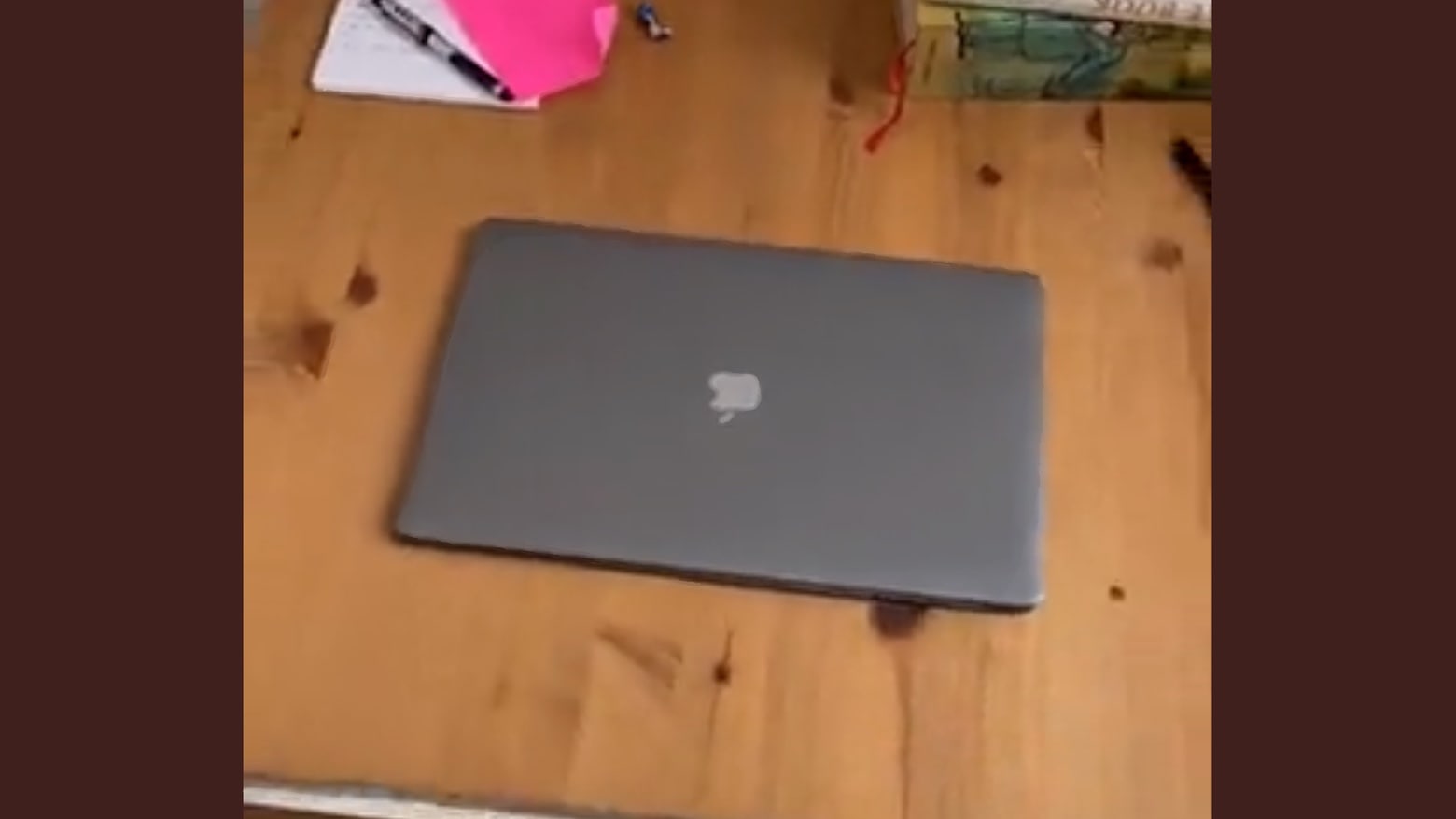
This is not what you think it is. At all. Photo: by Pablo Rochat
A clever DIY project found a brilliant way to reuse on old MacBook. At first glance, it just seems like an Apple notebook sitting on a desk. Open it up and…
We’re not going to ruin it for you. Just watch the video on Twitter.
If someone in 1985 imaginged a Mac made in 2022, it might look like SystemSix. Photo: John Calhoun
Imagine a 1980s-era Macintosh merged with today’s iMac. The result probably looks a lot like SystemSix. The creator calls it “a kind of love-letter to my first Macintosh.”
This hand-made device was assembled from an eInk display, an acrylic stand, a Raspberry Pi 3 and code written in Python.
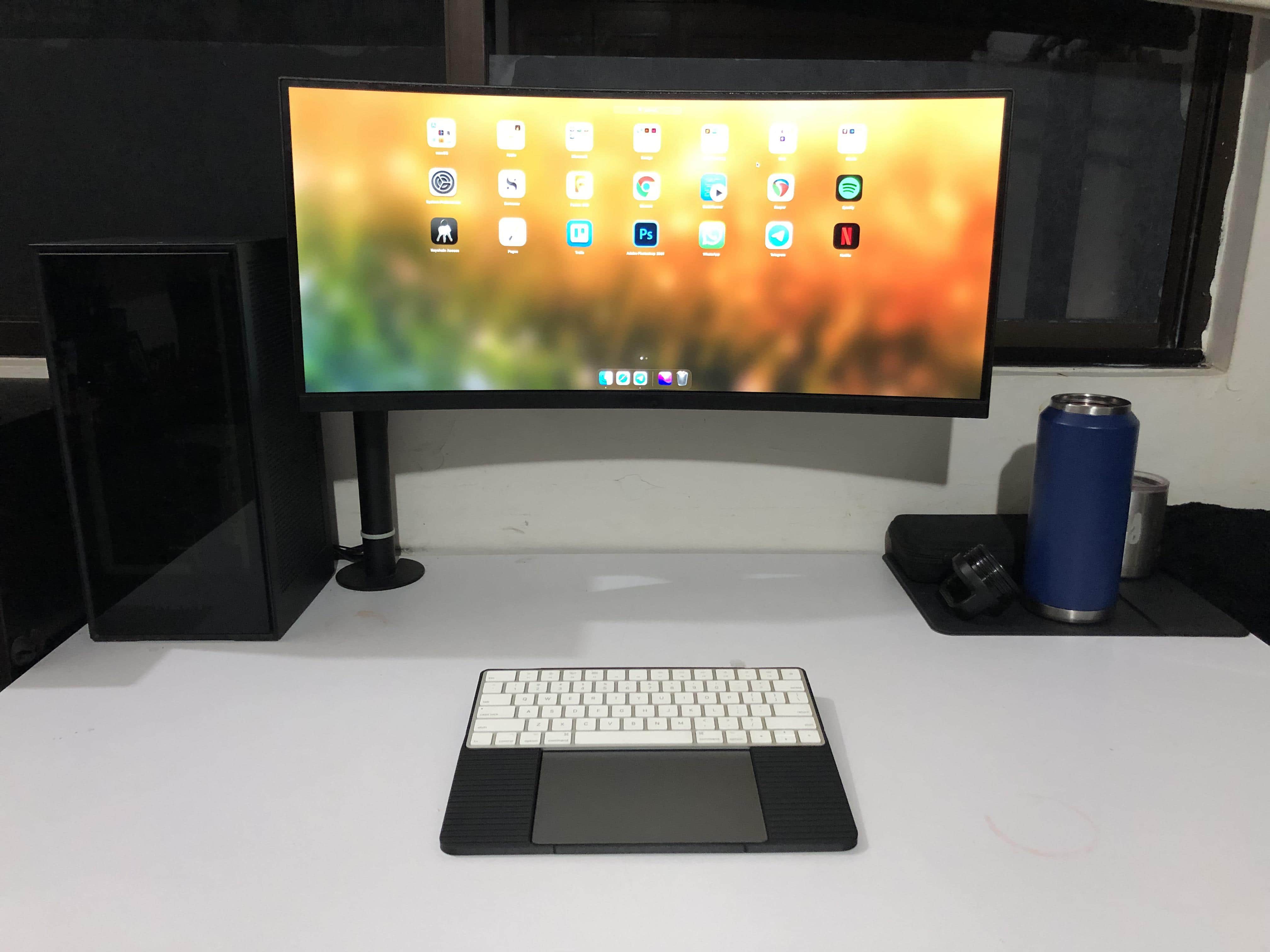
The 3D-printed tray for Magic Keyboard and Magic Trackpad has generated a lot of interest. Photo: [email protected]
When a Reddit post draws big interest, it typically gets dozens of comments in a few days. Such is the case with leroy_pylant’s post about 3D printing his own Magic Tray for Magic Keyboard and Magic Trackpad. It generated 76 comments over five days, with a lot of inquiries about how to get the thing.
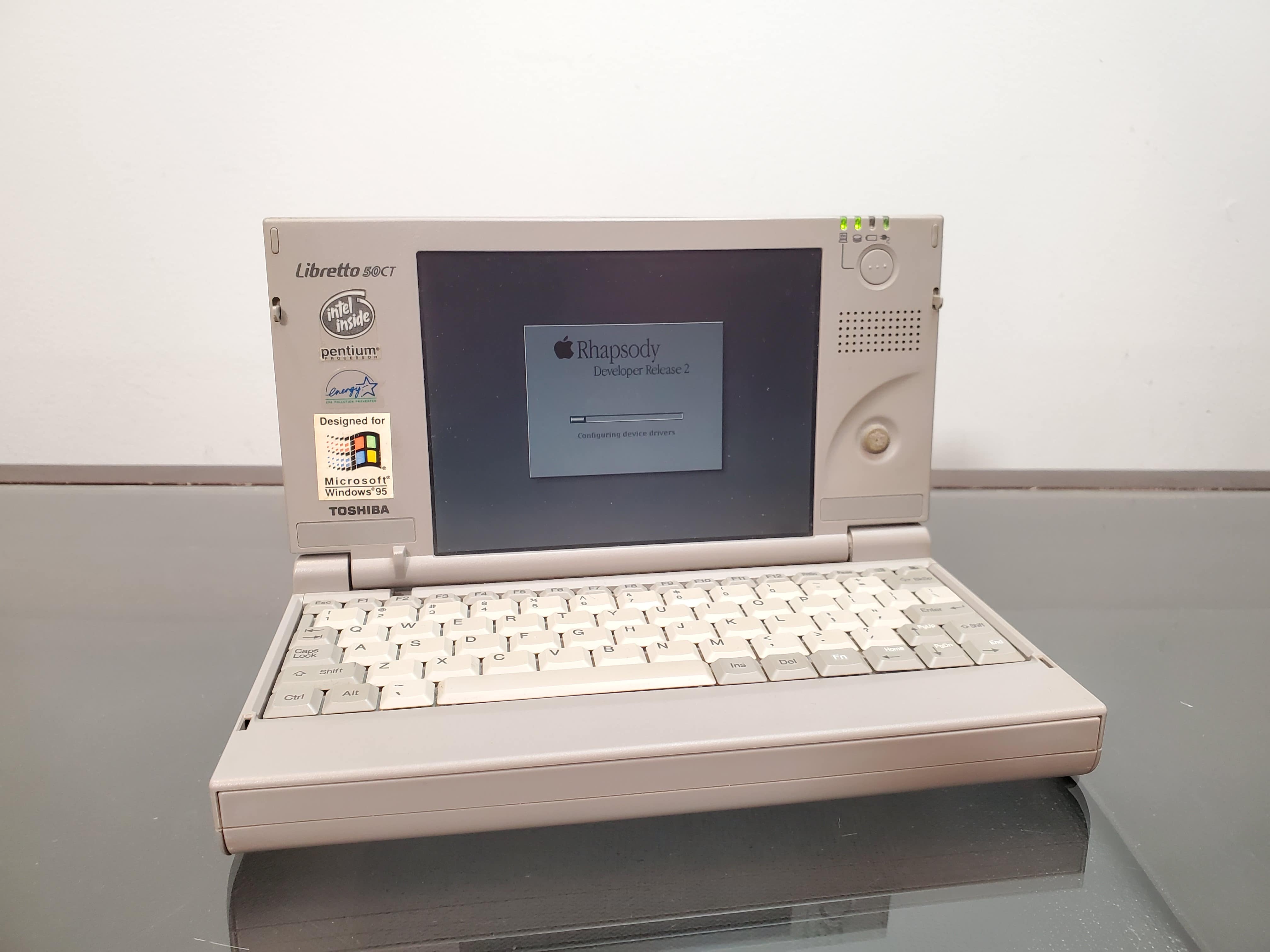
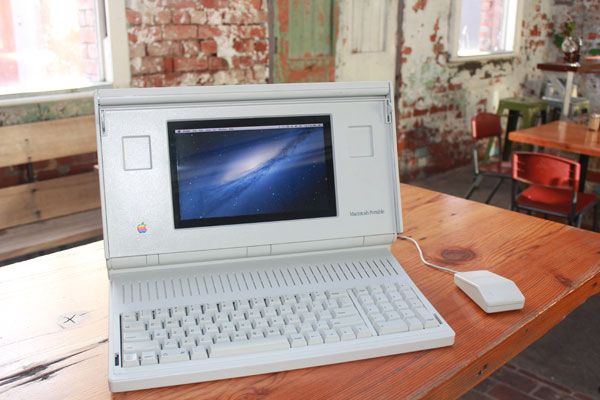
The Apple portable that never was. Photo: Action Retro
Long before we all started carrying around powerful computers in our pockets, there was the tiny Toshiba Libretto. A game-changing device when it arrived in the 1990s, the Libretto downsized the entire Windows PC experience into a subnotebook the size of a paperback.
As the world’s smallest commercially available Windows PC, it certainly proved revolutionary. The only problem is the Libretto was … well, a Windows PC.
YouTuber Action Retro recently set out to right that wrong with an awesome Hackintosh project. After transforming the diminutive Libretto into a miniature Mac, he spoke with Cult of Mac about the experience (and his love of vintage Macs).
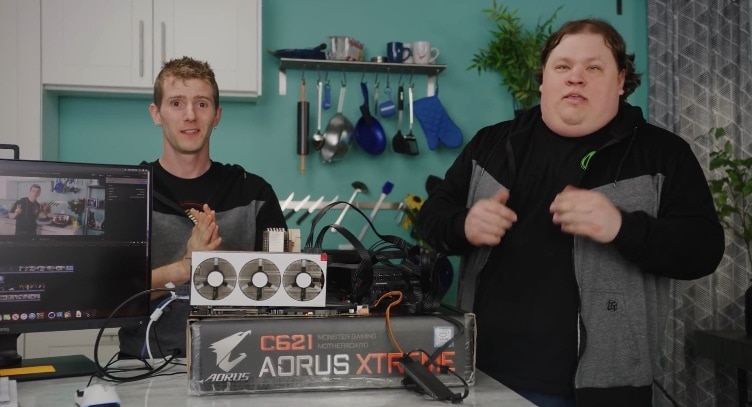
Break out the tools everyone! Photo: Linus Tech Tips
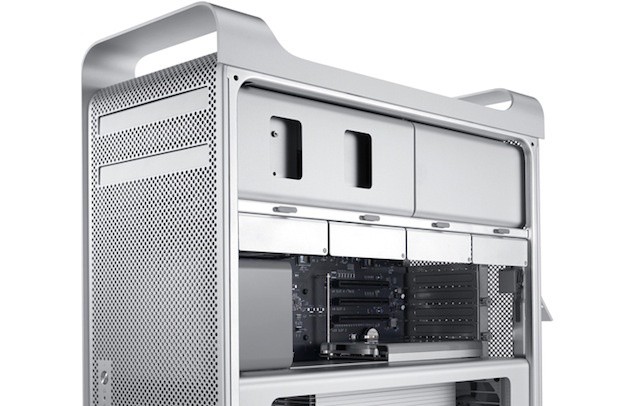
Apple’s upcoming “cheese grater” Mac Pro promises to max out at 28 CPU cores. However, all that power comes at a jaw-dropping price, especially at the top end.
For that reason, the folks at YouTube channel Linus Tech Tips set about trying to build a “hackintosh” that can achieve the same specs — before Apple releases the Mac Pro.
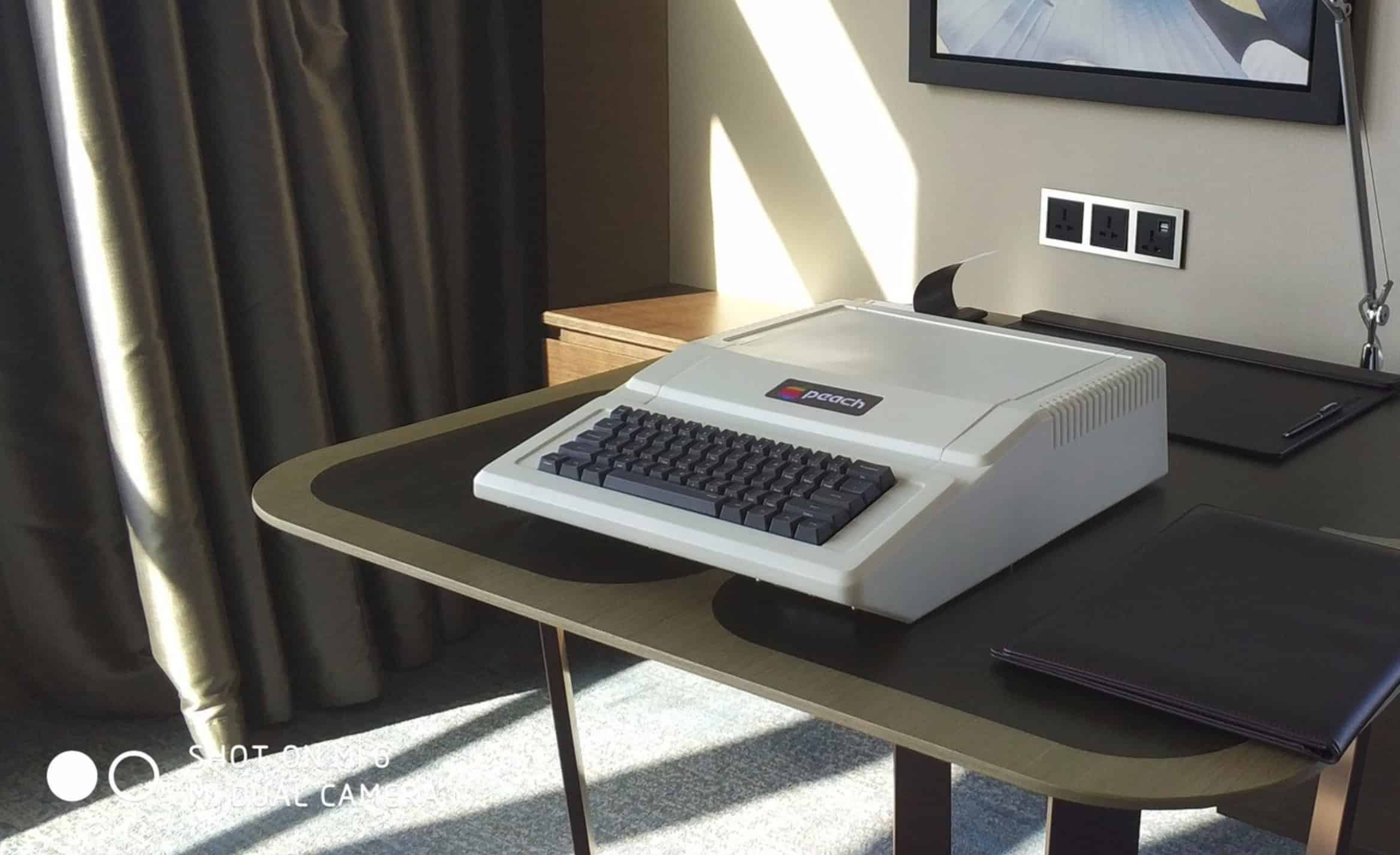
Raadition is a dream for long-time Apple fans. Photo: Zhuofei Wang
If you want to give your Hackintosh a genuine Apple feel, you have to checkout this awesome PC case. Raadition is designed to look exactly like the iconic Apple II, but it has space for the latest PC components, including an ATX motherboard and a full-size graphics card.
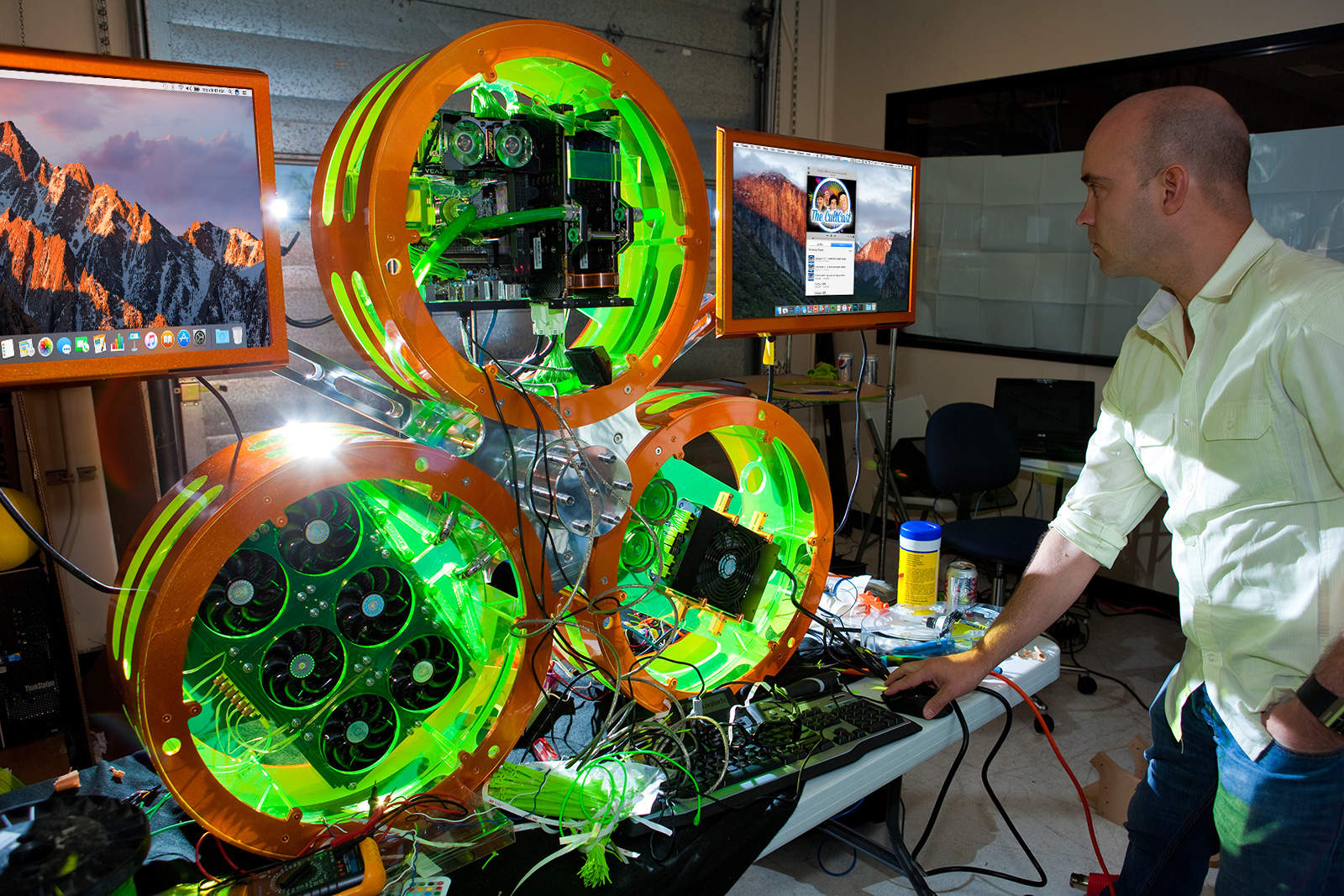
This week on The CultCast: Why building a Hackintosh can get you the monster Mac you’ve always wanted. Plus: Apple analyst Ming-Chi Kuo reveals iPhone 8’s marquee feature; AirPods ship date is finally revealed; and stick around for our top Apple AirPort router replacement picks!
Our thanks to Casper for supporting this episode. Casper’s American-made mattresses have just the right amount of memory foam and latex, and people everywhere love them. Learn why and save $50 off your order at casper.com/cultcast.
Wouldn't you like a powerful PC running macOS? Photo: Ste Smith/Cult of Mac
Apple has finished unveiling its product lineup for 2016, and yet again it appears to have forgotten about the Mac Pro. The high-end desktop will be three years old next month, and although it might look pretty on the outside, it’s way past its best on the inside.
Apple won’t tell us why the Mac Pro isn’t a priority anymore, but its focus is clearly elsewhere. This is a problem for creative professionals who rely on the extra power the machine provides. For some, the iMac just isn’t beefy enough.
Some believe Apple should license macOS to third-party computer makers that are willing to cater to the pros Apple is ignoring. It’s a move Apple would never make, but is it a good idea?
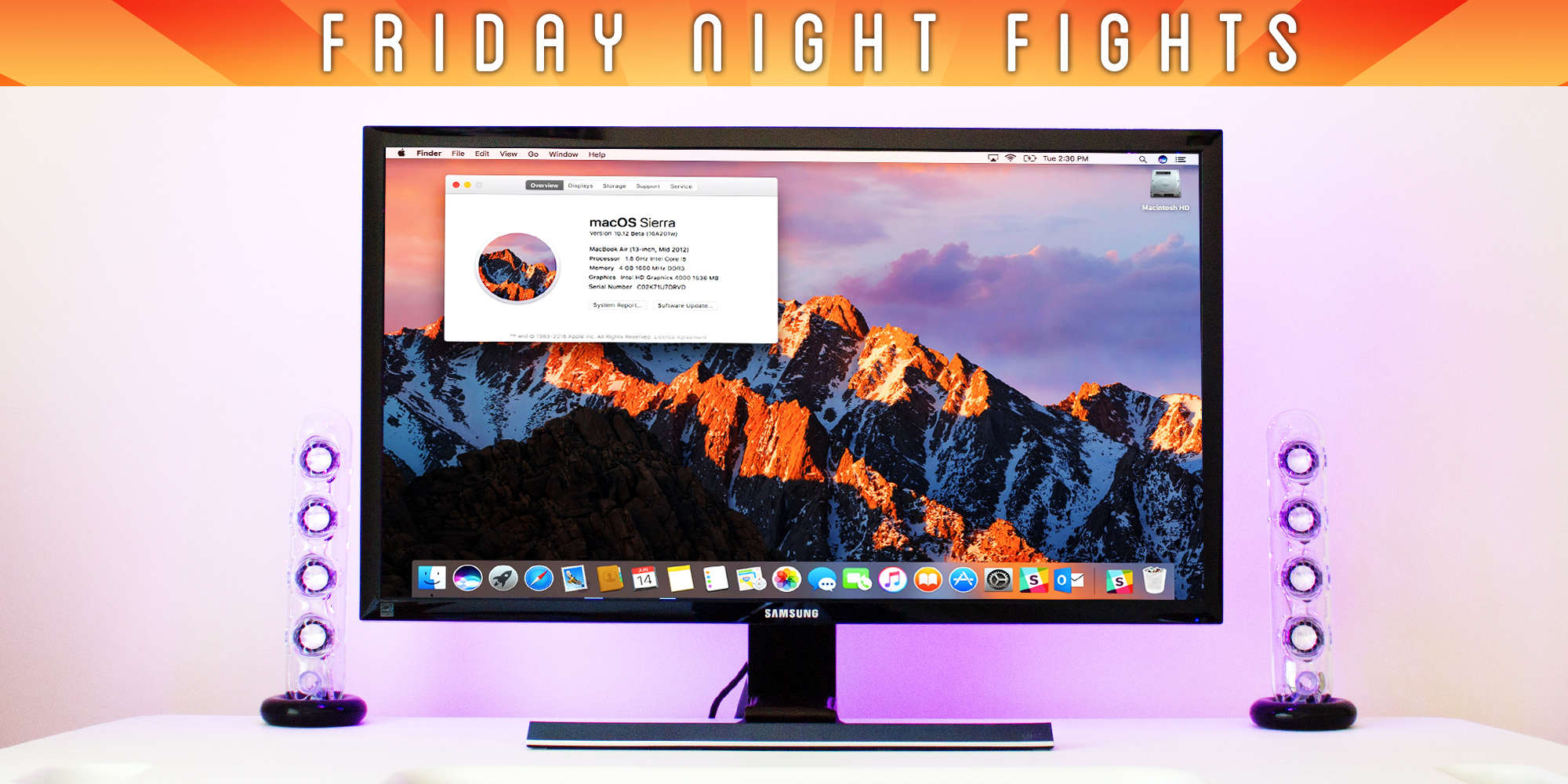
Join us in this week’s Friday Night Fight as we battle it out over whether Apple should let rival PC vendors build macOS machines!
Newegg's $1,000 gift card giveaway is your last chance to build the machine of your dreams. Photo: Cult of Mac Deals
If you’re coming up against the hardware limitations of your Mac, or just can’t afford one that performs at the level you need, you could always just build the machine you need. Spend a little bit of time on Newegg, and you’ll see that there’s basically no component they don’t carry, and no machine you can imagine that can’t be built. Getting the best parts for your personal computer can be costly, but with the Newegg $1000 Gift Card Giveaway even the highest-performing machine suddenly seems within reach.
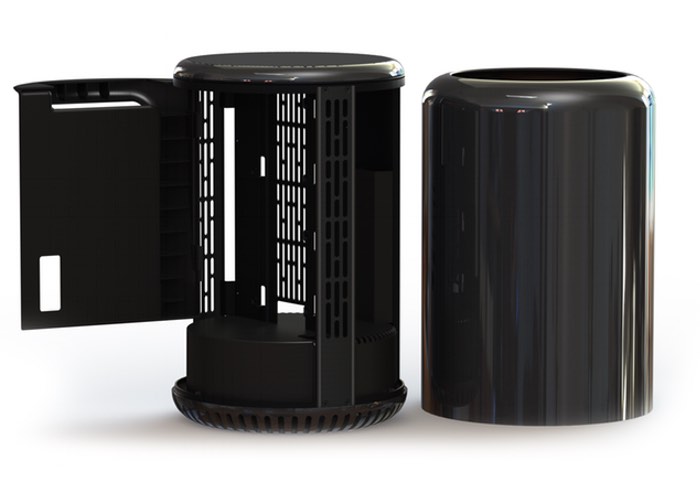
If you want a Mac that looks like the trashcan Mac Pro, but don’t actually want to spend the several thousand dollars it costs to buy a Mac Pro, the Dune Case might be for you: it’s a Mac Pro-inspired PC case for any hackintosh you care to throw into it.
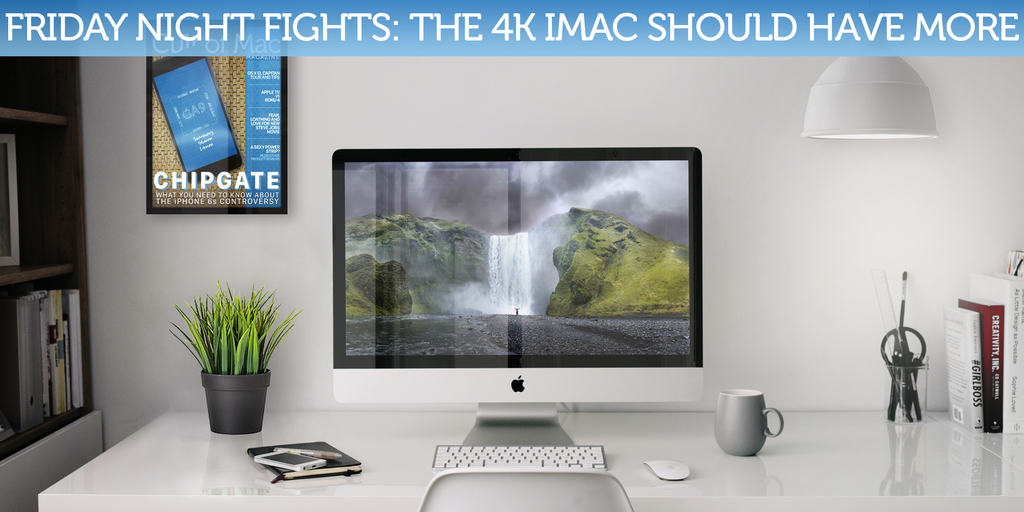
The 4K iMac is pretty, but you can get a lot more for your cash. Photo: Ste Smith/Cult of Mac
Apple delivered the 4K iMac many fans have been waiting for this week, but it’s not quite the all-in-one powerhouse some were expecting. Look past its beautiful design and you’ll find a lot of drawbacks you probably wouldn’t (and shouldn’t) expect to get with a $1,500 computer.
The upside is, this gives another great topic for a slanging match.
So join us in this week’s Friday Night Fight between Cult of Android and Cult of Mac as we go head to head over one question: Is the 4K iMac a total ripoff?
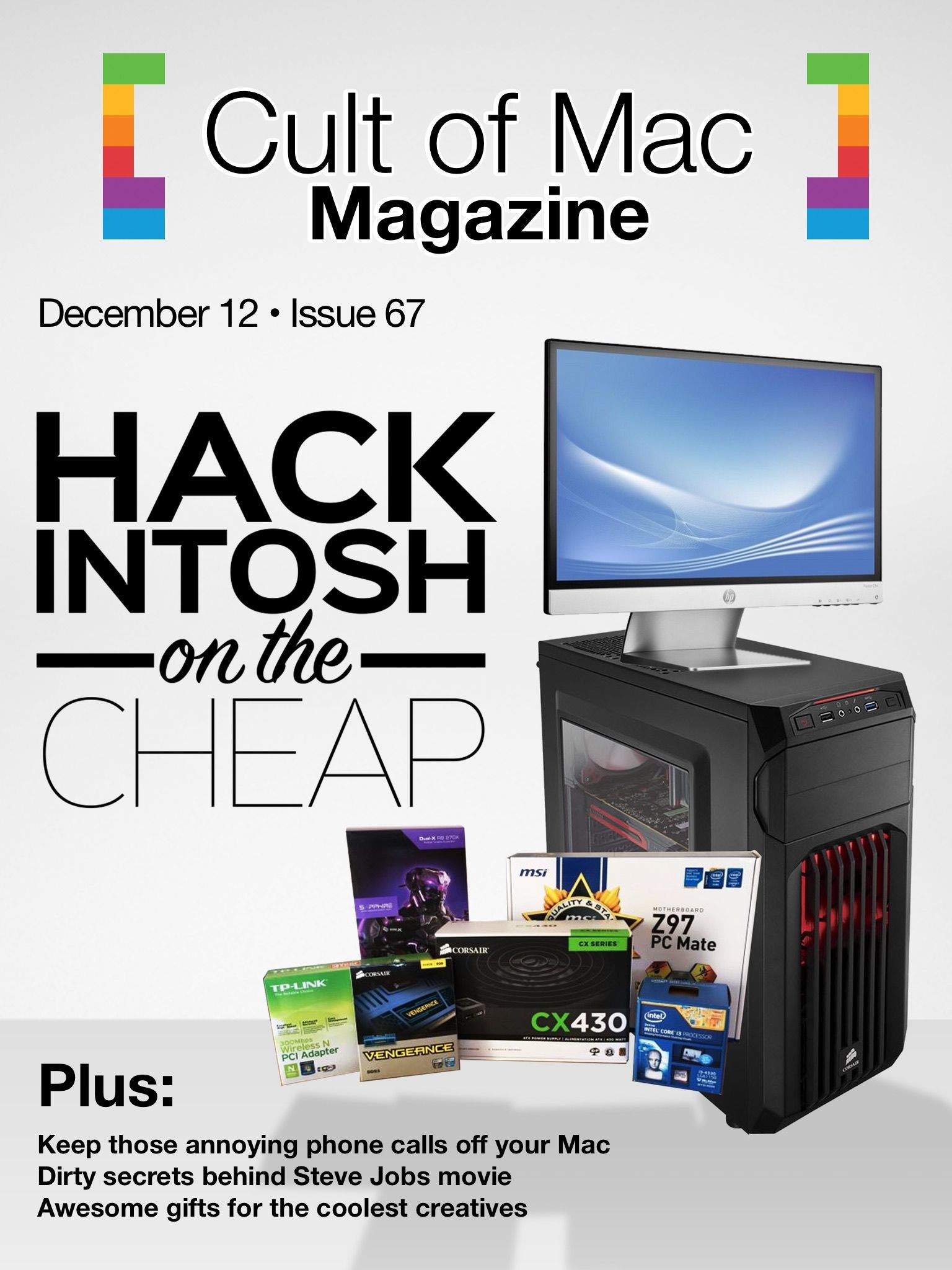
Let's make us a hot gaming rig for super cheap. Cover design: Stephen Smith
This week, we’ve got an amazing bunch of content for you, all cleverly bundled together into one fantastic high-quality digital magazine. It’s like all the best Cult of Mac stuff you might have missed crammed into a delicious metaphorical pastry that’s just brimming with sweet goodness.
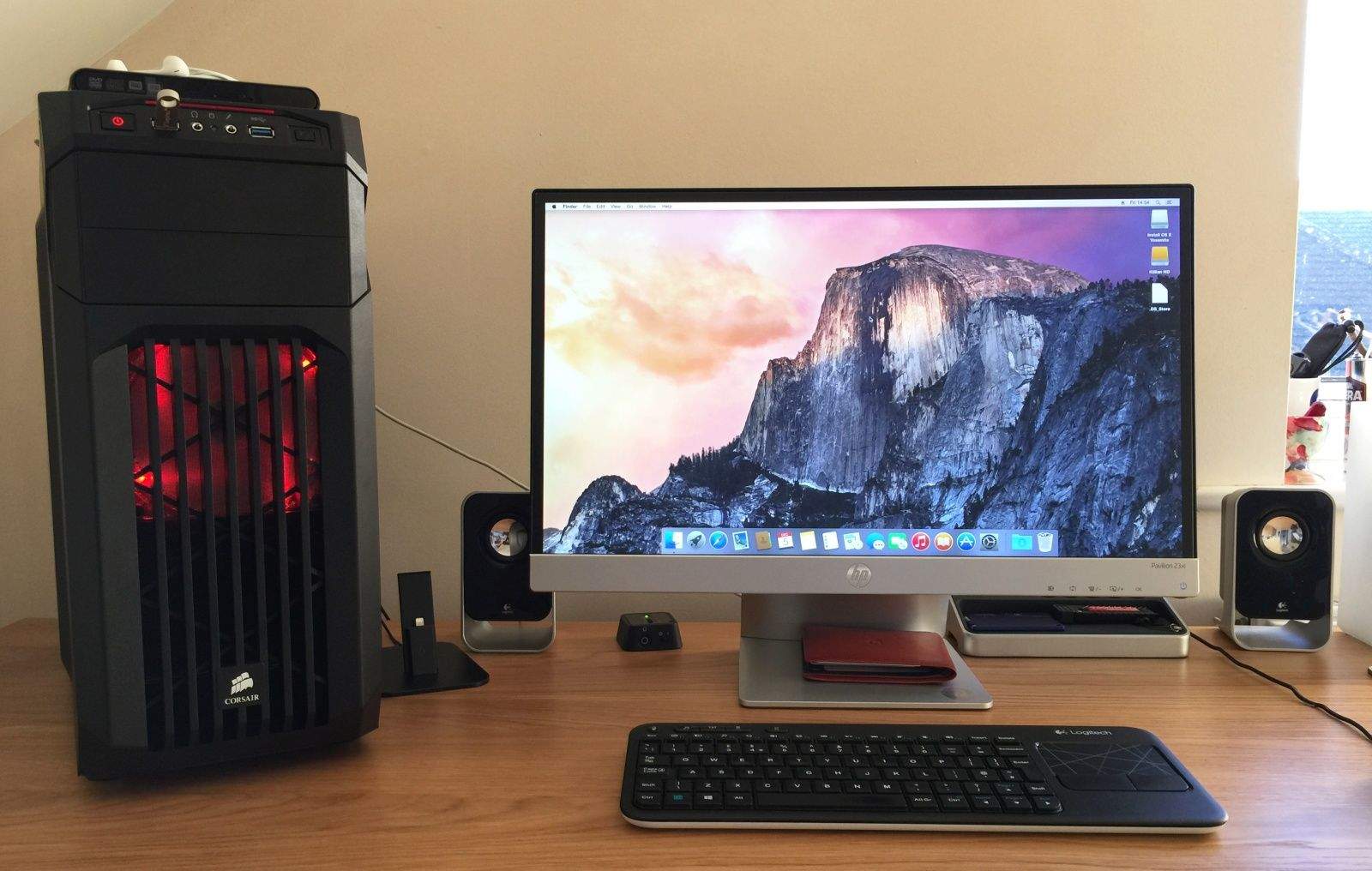
Want more power for your money? Build a Hackintosh. Photo: Killian Bell/Cult of Mac
I recently decided it was time to get a proper desktop computer. I needed it predominantly for work, but I wanted it to be powerful enough to play the latest games in 1080p without worrying about stuttering or terrible frame rates.
The new Mac lineup didn’t offer a perfect fit — the Retina 5K iMac was too expensive, and the new Mac mini simply wasn’t powerful enough — so I set myself a goal: To build a gaming machine with a dedicated video card, capable of running OS X, for around the price of a Mac mini.
I set a budget of $650 for my build. That’s $150 more than the base model Mac mini, but $50 less than the midrange model. In this piece, I’ll take you through the components I purchased and why I chose them, and how I put them all together. Next week, I’ll show you how I installed OS X to turn my DIY gaming rig into a Hackintosh.
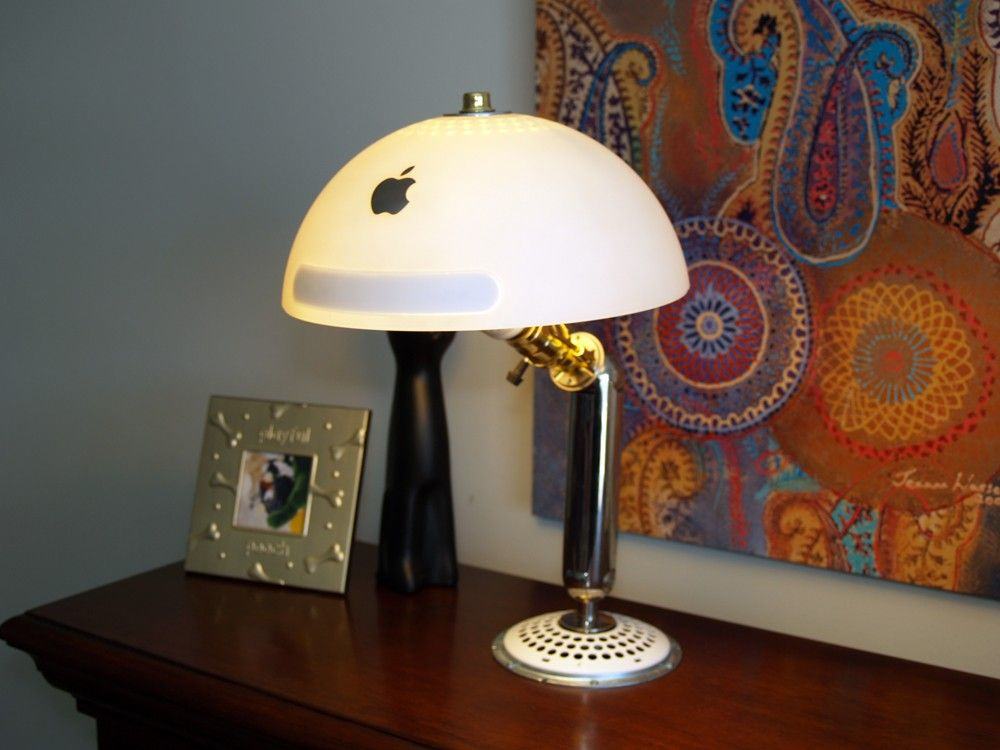
If you've got an old iMac G4 knocking around, turning it into a stunning desk lamp is actually easier than it looks. This particular model was sold on Etsy, but there are lots of guides to making your own.
Photo: SewWhatSherlock, Etsy
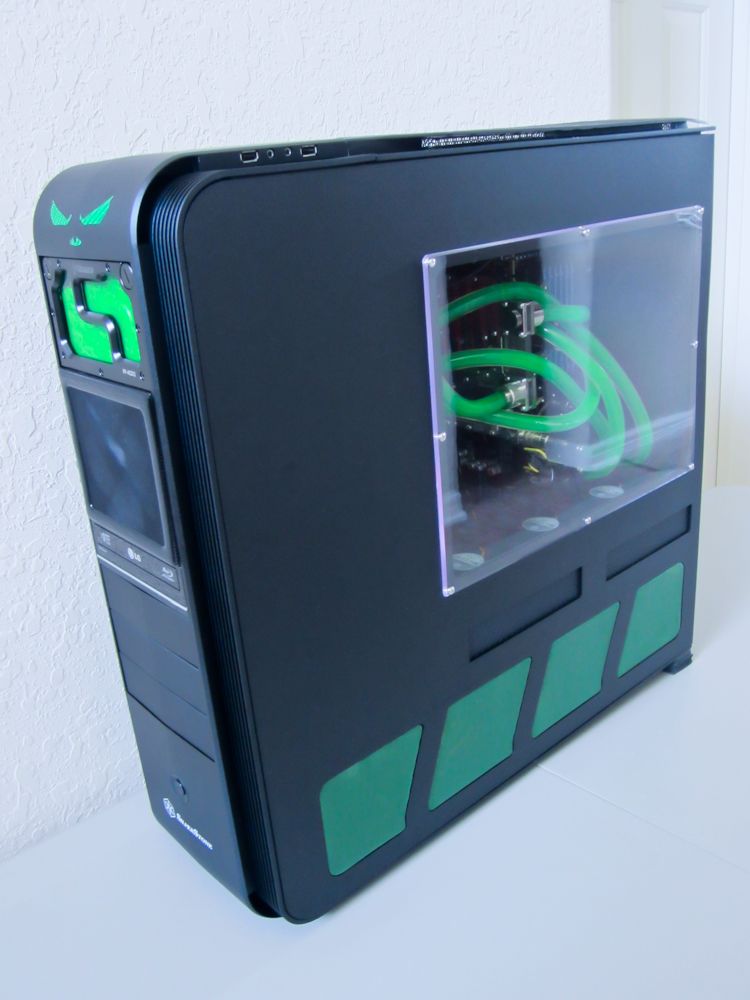
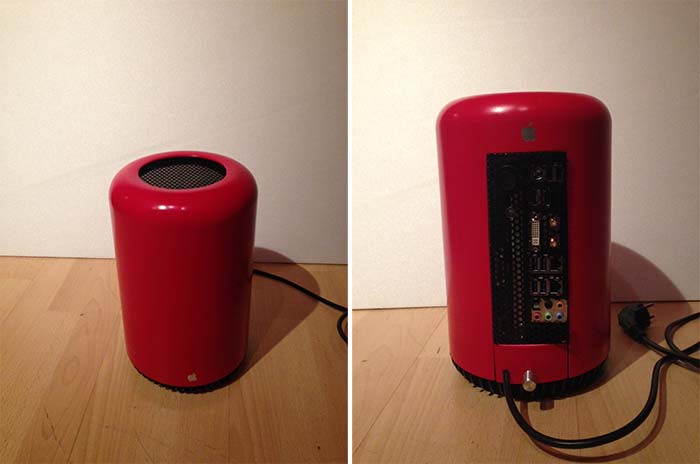
These are the computers Apple never built, and never will — a water-cooled Cube; a teeny-tiny G5; a faux Mac Pro in a trash can.
Oh wait. Apple did the trash can, but not a genuine rubbish bin with a matching toilet brush, like the purple beauty in the Hackintosh gallery above.
These homemade Macs, built from non-Apple hardware, come in a thousand different shapes and sizes, built by legions of dedicated, ingenious hackers. In the nine years since Apple switched to Intel processors, a DIY subculture dedicated to building alternative Mac hardware has steadily grown. It’s not a strictly legal endeavor — Apple’s EULA forbids OS X from running on non-Apple hardware — but Cupertino turns a blind eye to hobbyists.
“You know what? We’ve never gotten anything from Apple other than a few anonymous employees asking for help :),” said Tony, who runs Hackintosh website tonymacx86.com, in an email to Cult of Mac. “It’s clear that tonymacx86.com doesn’t sell hardware. I would think that they’d understand that we are promoting the purchase of OS X and Apple peripherals and laptops, and have zero tolerance for piracy.”
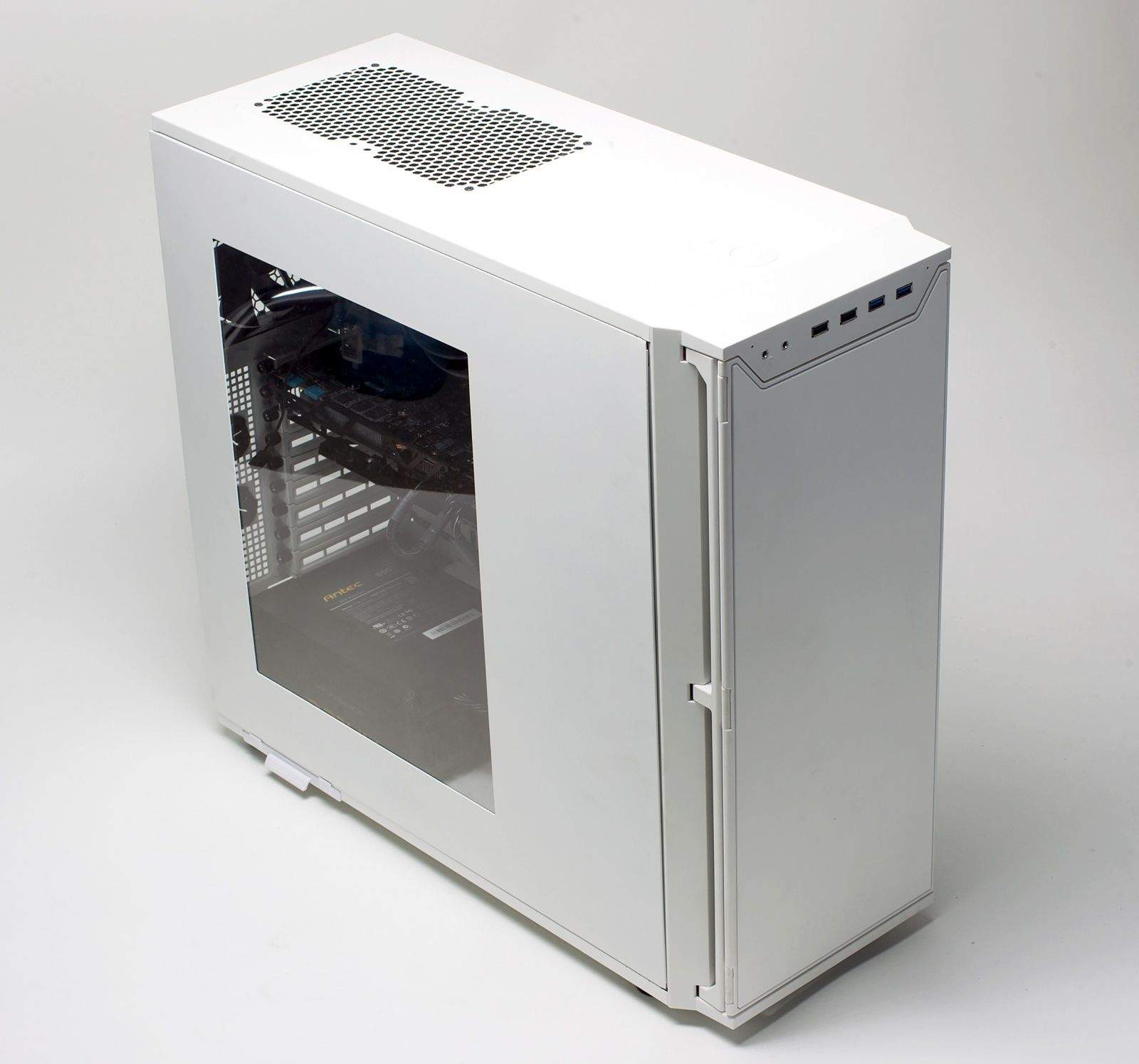
This P280 Hackintosh screams like a Mac Pro. Photo: Jim Merithew/Cult of Mac
Although it looks like a vanilla PC in a boxy case, the machine pictured above is a high-performance, custom-built Hackintosh.
This thing is hot! Known as the P280, after its Antec case, this Hackintosh is equivalent in performance to Apple’s latest Mac Pro workstation, but costs significantly less.
Roughly comparable to a Mac Pro costing $3,500, the P280 was assembled from off-the-shelf PC parts costing just over $2,000, including a water-cooling system to chill its chips. The Hackintosh runs Apple’s OS X Mavericks and, according to its builder, bests a similarly configured Pro on many benchmarks.
It has none of Jony Ive’s industrial design magic, of course, but that’s not the point. This is a DIY rig that’s as badass as it gets.
That got one German thinking. If the Mac Pro looks so much like a trash can, why not build a Hackintosh out of a trash can. Which is exactly what he did, crafting his Mac Pro out of an Authentics Lunar bathroom trash can that comes with matching toilet brush. And while the replica isn’t anywhere near as powerful as the real thing, it certainly looks the part. Check out more images below.
Apple makes some really great software and hardware. We love it. But sometimes there are certain little things you want out of your computer that Apple can’t or won’t provide. That’s why we have jailbreaking and modding.
We love it when someone takes an Apple product and morphs it into something completely different. There have been a lot of Apple hardware mods that have crossed our desks over the last few years. Some have been simple, while others have required over a hundred hours of work. Here are the five greatest Apple hardware mods we’ve ever seen.
OS X is designed to run seamlessly on Mac hardware, but did you know that you can actually install Apple’s desktop operating system on a Windows PC and make what’s called a “Hackintosh?” Apple released OS X Mountain Lion in the Mac App Store last week, and it has already been downloaded 3 million times. But if you’re stuck with a PC, you can’t taste the forbidden fruits… until now. UniBeast, the tool used for creating a Hackintosh, has been updated with support for Mountain Lion.
Hackintoshing is not for the faint of heart, but if you’re up to the challenge, it’s possible to get Mountain Lion up and running on your PC.
The Mac Pro is the most PC-like Mac, but it serves niches that other Macs and PCs can't.
Apple quietly updated its Mac Pro line last week. The update was an important move even though the actual changes were so minor as to be barely noteworthy. The minor refresh gave high computing customers a sense of confidence that Apple wasn’t going to abandon the Mac Pro line anytime soon. That sense of confidence got a boost from New York Times columnist David Pogue, who was assured more substantive Mac Pro upgrades were in the works for 2013.
The Mac Pro is something of a relic when it comes to Apple’s current strategy. It’s the only Mac that features significant expansion options using industry standard hardware – a point made by Lifehacker columnist Adam Dachis, who compared the Mac Pro’s specs and costs to three hackintosh options. Looking at the Mac Pro as simply a series of specs, performance, and cost is appropriate for most users – but not for some important niche markets.
It just got a whole lot easier to install Lion on your hackintosh, thanks to Tonymacx86’s new “UniBeast” bootable USB drive utility. In case you didn’t know, a hackintosh is basically a PC that’s been modified to run OS X, and some people create pretty sweet hackintosh setups for half the price of an Apple-branded equivalent.
UniBeast is a new tool that makes it easy to install Apple’s newest desktop OS, Lion, on your hackintosh. Not only does UniBeast get rid of the need for an iBoot CD, but it also creates a bootable Lion USB flash drive.
Here, have a barf. Watch this guy assemble a random assemblage of PC parts, cram them into a tablet chassis, install Windows XP on the resulting mess and then have the sheer audacity to emblazon it with an Apple logo and call it the iPad 3… all to a soundtrack of nu-metal-for-fratties band Linkin Park, as apparently broadcast by AM radio to a receiver made out of a tin can.
Short of an official announcement from Apple, it’s anyone’s guess whether or not Apple’s next-generation desktops and notebooks will use Intel’s recently unveiled Sandy Bridge architecture… but even if Cupertino defies expectations and sits this CPU gen out, don’t sweat it: you’ll at least be able to put yourself together a Sandy Bridge Hackintosh.
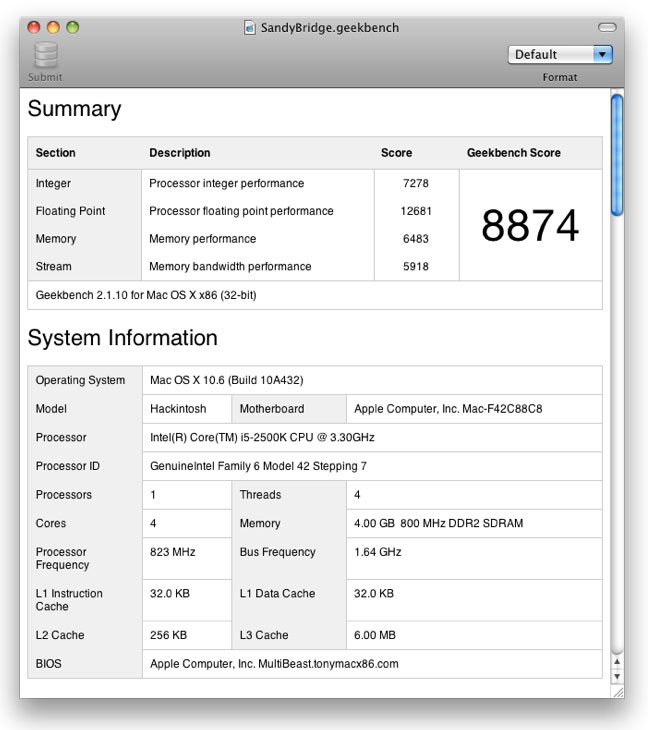
With remarkable alacrity, hackers with early access to Sandy Bridge wasted little time upon the lapse of Intel’s non-disclosure agreement to install Mac OS X on a Sandy Bridge processor, pushing Snow Leopard onto a machine running the new Intel Core i5-2500K CPU running at 3.30GHz.
How’d it run? Not as well as it will once OS X officially supports Sandy Bridge: a Geekbench score of 8874 and an Xbench score of 282.40. As it is, the hackers needed to patch the kernel to even get Snow Leopard to boot. Still, if there was any doubt, the benchmark scores do make it pretty clear that when Snow Leopard starts supporting Sandy Bridge, we’ll all be looking at the fastest Macs yet.