In an official post at the Google Reader blog and the Google blog, the search giant has announced today that it will retire Google Reader, a fantastic RSS service in its own right, shutting it down on July 1, 2013.
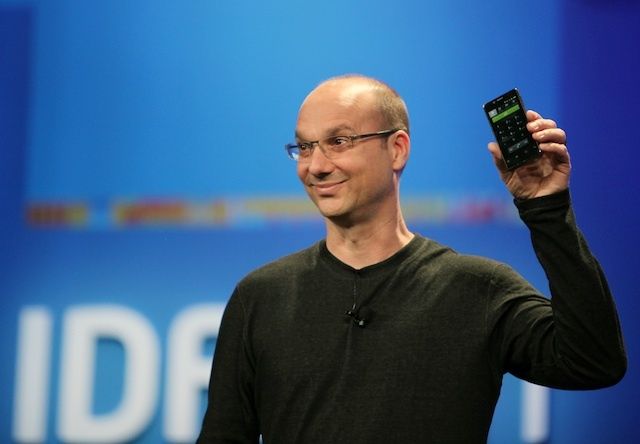
Google CEO, Larry Page, just announced that the godfather or Android, Andy Rubin, has decided to step away from Android and pursue other projects.
Rubin was a co-founder of Android Inc., which was eventually purchased by Google in 2005. As the Senior Vice President of Mobile and Digital Content at Google, Rubin has been responsible for turning Android into the most widely used mobile operating systems today.
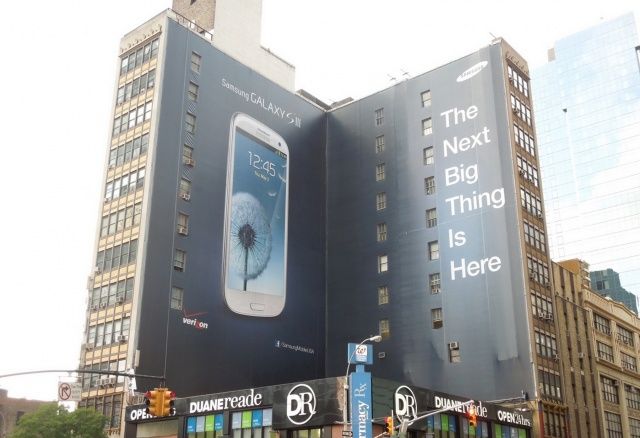
It seems you can’t go anywhere these days without seeing an advert for the iPhone. They’re on billboards in the street, they’re there when you switch on the TV, and you’ll also find them in newspapers and magazines. But believe it or not, there’s one company that spends more — a lot more! — on advertising its smartphones than Apple does.
That company is Samsung. In 2012, Samsung outspent Apple by more than three to one in smartphone advertising, with a number of large campaigns on TV, in print, and on the Internet. In total, the Korean company spent $401 million advertising its phones.
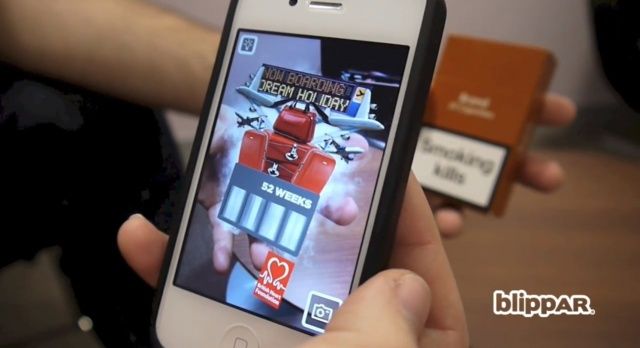
A new smartphone service launched today by the British Heart Foundation uses augmented reality to transform a packet of cigarettes into luxury items in an effort to help you quit smoking.
Using the Blippar app for Android and iOS, the service encourages you to “swap fags for swag” (“fag” is a British term for cigarette) by virtually transforming your cigarettes into other items you could afford if you didn’t spend your cash on smokes.
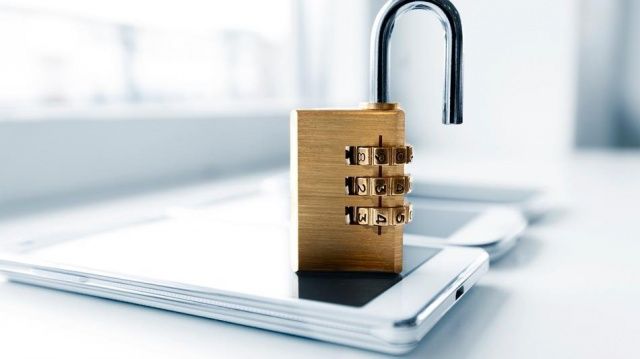
A group of U.S. Senators have introduced a new bill that will allow cellphone owners to legally unlock their devices again after their contract has expired.
Called the Unlocking Consumer Choice and Wireless Competition Act, and backed by Al Franken and members of the Senate Judiciary Committee, the bill would reverse a Library of Congress ruling from October 2012 that deemed cellphone unlocking illegal unless the process was performed by a carrier.
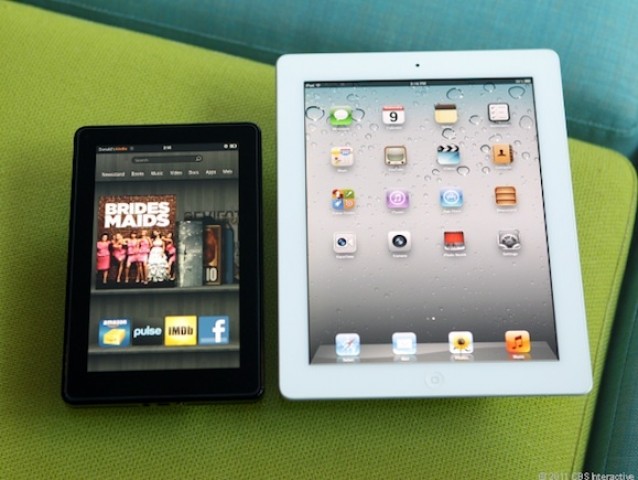
Cheaper Android tablets are stealing the iPad's market share.
There’s good news and bad news for both iOS and Android fans in the latest report from research firm IDC.
The good news (for Android) is that by the end of this year, Android will account for most of the tablets in the world, with a 48.8% marketshare to Apple’s 46 percent.
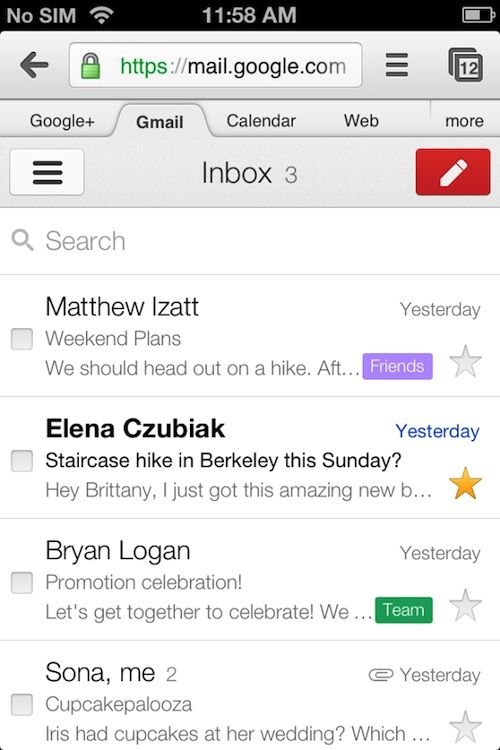
After updating the Gmail app for iOS, Google has decided to bring many of the redesigned UI improvements over to its web and offline apps.
The Gmail web app for Android, iOS, Blackberry, and Kindle Fire was updated today with a redesigned UI to make it look more like the iOS app, after many Gmail users requested Google make the change.
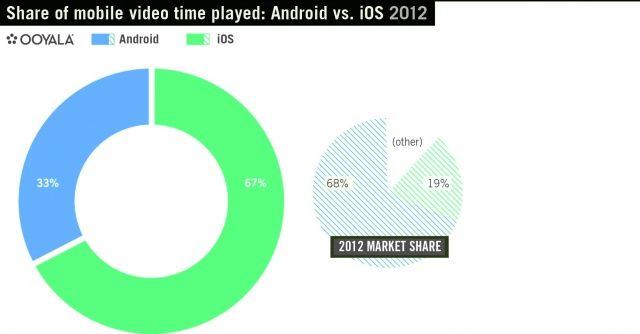
If you love to watch videos on your smartphone to kill time, odds are, you own an iPhone. For some reason Android users don’t watch nearly as much video on their smartphones as iOS users, even though Android has more marketshare.
Samsung smartphones outsold those from rivals Apple, Nokia, and Lenovo in China throughout 2012, allowing the Korean company to claim the biggest share of the Chinese smartphone market, according to the latest report from Strategy Analytics.
Nokia had claimed the top spot in 2011, but the Finnish firm has struggled to compete with Samsung’s Galaxy devices this time around, and couldn’t even make its way into the top five.
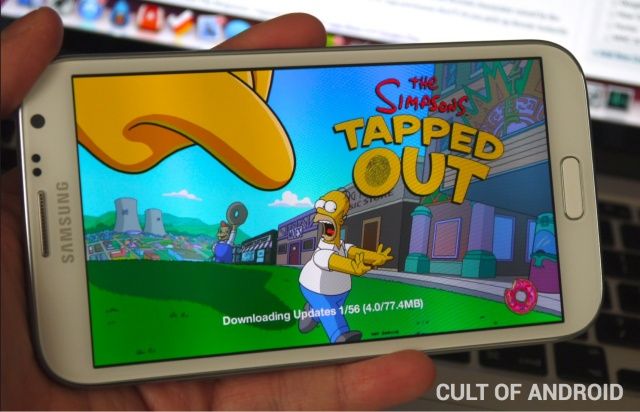
EA has updated The Simpsons: Tapped Out to celebrate St. Patrick’s Day on Sunday, March 17. Available on both Android and iOS, the update brings a new storyline, new characters, and new buildings that deliver a taste of Ireland to Springfield.
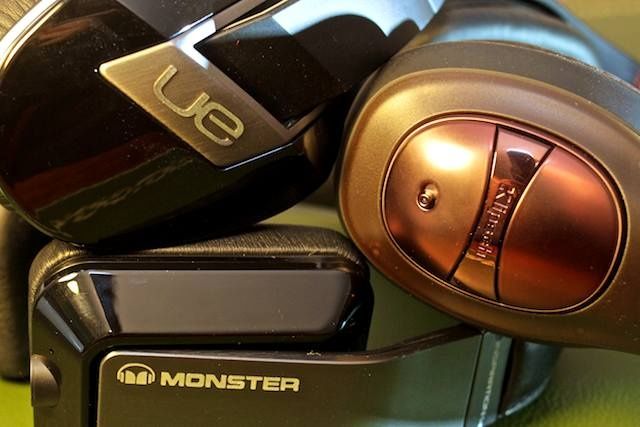
Noise-cancelling headphones are suddenly all the rage. It certainly seems as if every big player in the audio game has at least one model that features active noise-canceling, usually accompanied by other luxury features — and with a corresponding luxury pricetag. Even manufacturers who’ve only recently begun making cans, like Logitech UE and Klipsch, prominently feature active noise-canceling in their model lineups.
It may even seem as if the technology has been added to some models simply because it’s become the feature du jour — an impression strengthened by the fact that not all noise canceling is the same. Not even remotely.
None of the headphones in our showdown — the Klipsch Mode M40 ($350), the Logitech UE 6000 ($200) or the Monster Inspiration ANC ($300), the noise-canceling version of the regular, passive Inspiration model we reviewed last year — exhibits the powerful noise-canceling ability that can almost completely drown out noise, like that of the Bose QuietComfort 15. Nor do they sit on the next level down, with NC performance similar to, say, Audio Technica’s ATH-ANC7b (although one here comes close).
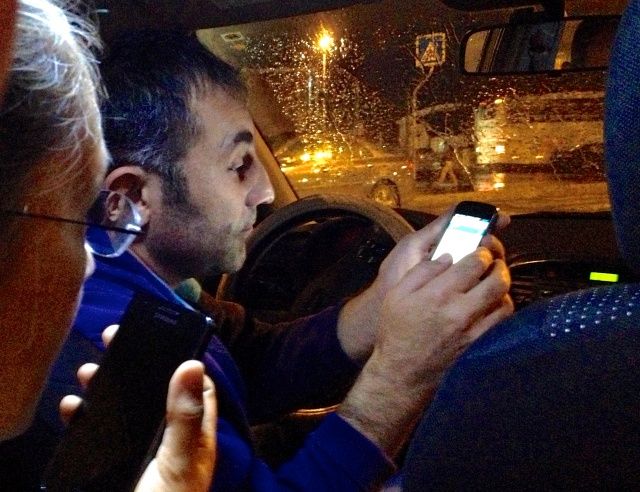
We simply couldn't get a Turkish SIM card to work on my Nexus. While trying to make it across Istanbul during a storm, we had to ask our taxi driver to use his phone to get directions. It would have been nice to just use Google Maps on my own Android phone.
An unpleasant phone call with AT&T yesterday highlighted for me what I consider to be the biggest unsolved problem in mobility: using a smartphone in a foreign country.
Phone calls are expensive. Mobile broadband is either expensive, hard to find or both. And even WiFi can suck.
I’m a digital nomad and I live abroad. In the past nine months, I’ve lived in Greece, Turkey, Kenya and Spain. Believe me: Getting connected abroad is harder, more expensive and less satisfying than it should be.
In case you’ve missed it, there are currently two cases being heard by US District Judge Lucy Koh in the Apple v Samsung patent legal struggle. The first one, Apple won a $1.05 billion verdict last fall against Samsung, which Judge Koh pulled about $450 million off of, and then ordered a new damages trial. She also rejected Apple’s request for a permanent sales ban. Apple appealed, but we’re waiting for a ruling till September, most likely.
There’s been a lot of noise lately surrounding smartphone unlocking. On October 28, 2012, the Library of Congress said it was going to be illegal to unlock your smartphone starting on January 26, 2013.
Since then, Obama has stepped in and said that’s totally not fair. And then a few legislators have brought up bills to make sure people can unlock their smartphones without facing criminal charges. Now AT&T says it wants to be perfectly clear that they don’t really want you to go to jail for unlocking your smartphone.
While the Google Glass may look slightly ridiculous hanging off your face, it’s hard to deny it has some pretty nifty uses. The ability to navigate your way around a new city with directions in the corner of your eye, or record things like concerts and sporting events from your own perspective is pretty cool.
And there’s another feature that could prove incredibly useful. According to New Scientist, Google Glass has the ability to find your friends in a crowded place, such as a shopping mall or a busy bar, based on the clothes they wear.
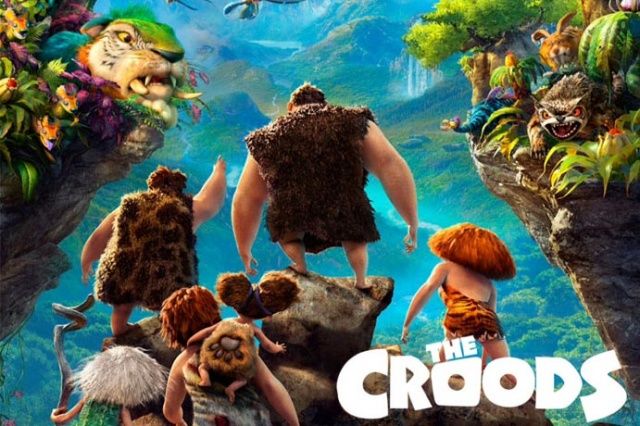
Rovio has taken some time away from Angry Birds and Bad Piggies to focus on its next project, the official game for the upcoming DreamWorks movie The Croods. Believe it or not, it’s not a physics-based puzzle game, and Rovio has released the game’s first trailer to prove it.
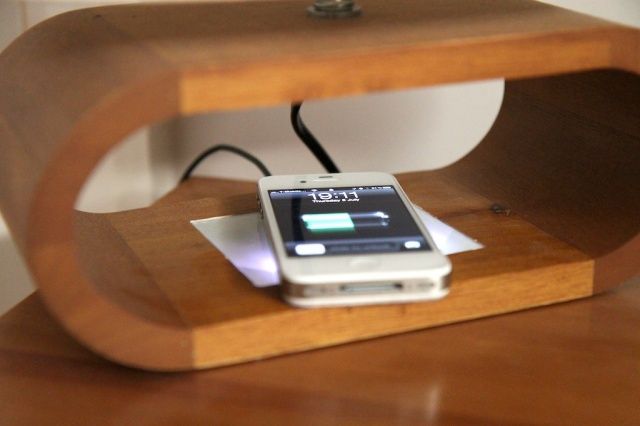
Apple and Samsung are both looking to bring wireless charging to their smartphones this year, following in the footsteps of rivals like Nokia, LG, and HTC. The feature will come to flagship devices, such as the upcoming Galaxy S IV, according to industry sources who have been speaking to DigiTimes.
Samsung has today lost its High Court battle against Apple in the United Kingdom after a judge deemed that the patents the Korean company was using in its case should have never been granted.
Apple has now fended off 24 patent-infringement claims from Samsung, and Samsung’s bid to secure a 2.4% royalty on every 3G-equipped device the Cupertino company sells is looking increasingly unlikely.
Nokia has sided with Apple in an effort to help the Cupertino company in its fight against Samsung. The Finnish firm filed an amicus brief on behalf of Apple in the U.S. Court of Appeals for the Federal Circuit on Monday, asking the court to permit permanent injunctions on the sale of Samsung smartphones that were found guilty of infringing Apple’s patents.
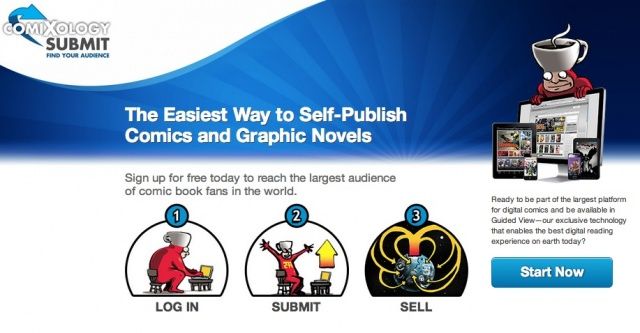
Leading mobile comics app developer, Comixology, has finally opened up the program they teased last fall: Comixology Submit, a new publishing idea that may help independent comics creators find their audience.
Basically, it allows comics creators the ability to submit their comics to the program and potentially be distributed on one of the biggest platforms for digital comics today, right next to the likes of Spiderman, Superman, and other professionally produced books. Users on iOS, Android, Windows 8, and the web can then find and download these indie gems, and creators split the profits down the middle with Comixology.
Sharp has this morning announced a ¥10.4 billion ($112 million) investment from Samsung that will provide the latter with a 3% stake in the company. It makes Samsung the biggest individual shareholder in the Japanese display maker, and secures its access to Sharp’s LCD panel supplies.
The investment comes at a time when Sharp has been struggling. The company received a $4.4 billion bailout from the banks in October 2012, and its iPad display orders from Apple were recently cut as consumer demand shifted to the smaller iPad mini, which Sharp is not involved with.
If you’re an Apple fanboy that reads a lot of tech websites, you may have come across the name Andy Ihnatko before. Andy’s been a hardcore Apple fanboy for years. He’s got a column at the Chicago Sun Times and Macworld, and he’s on a popular Apple podcast almost weekly.
Sadly, Andy’s decided that his love for the iPhone 4S has died. He’s switched to Android. The two of them are happy. But Andy wants you to know why he’s switched to Android, so he’s published a monster story to give you all the details.
Google is preparing to take on companies like Spotify and Rdio with a new YouTube music streaming service, according to sources in the record industry, who have been speaking to Fortune. The service, which is expected to launch later this year, could be available for free, but there will be subscription options for those who don’t like to see advertisements.
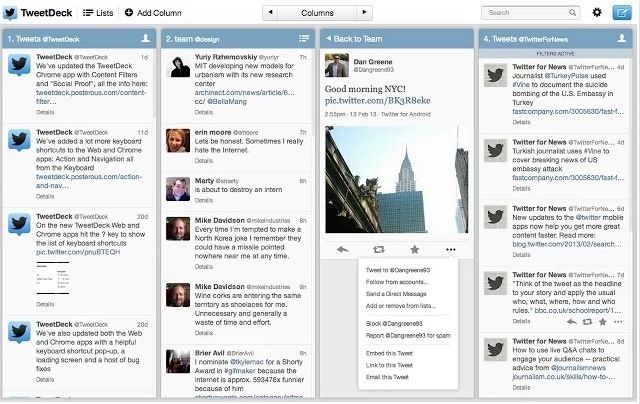
Twitter, the social networking company, purchased TweetDeck, the Twitter application company, back in May of 2011. Today, the Twitter-owned TweetDeck announced that it was discontinuing support for the venerable stand-alone Twitter clients on Android, iOS, and desktop computers via Adobe AIR, ostensibly to concentrate on the TweetDeck web experience.
While many current users of the clients may disagree, Twitter feels that its user base is both better served on the web, and that the decision mirrors the real-time activity of those very same TweetDeck customers.
“Over the past few years,” says the TweetDeck posterous website, “we’ve seen a steady trend towards people using TweetDeck on their computers and Twitter on their mobile devices. This trend coincides with an increased investment in Twitter for iPhone and Twitter for Android –– adding photo filters and other editing capabilities, revamping user profiles and enhancing search.”
In essence, then, TweetDeck, offering such things as customizable, filtered columns and some other user interface innovations, will no longer be accessible via TweetDeck AIR, TweetDeck for Android, or TweetDeck for iPhone. Instead, users will need to head over to the TweetDeck web client, or use a newly released Chrome app. For users who want Twitter on their Android or iPhone smartphone, they’ll need to use the official Twitter app, or another third-party app like Tweetbot.
The Mac and PC stand-alone apps, as opposed to the AIR apps, will not go away, but will no longer get new features first.