Ok, so if you’ve been paying attention to the gaming space today, you’ll know that Microsoft unveiled its new gaming console, the Xbox One. This next generation console is going to play video games, control your TV (sort of), and act as a DVD/Blue-Ray player. It’s got a Kinect motion sensor box on top, which can not be disconnected, and the console won’t play Xbox 360 discs.
This is all well and good, and represents a step forward in Microsoft’s quest to own the living room, even though a lot of us don’t have the time, space, or extra cash to spend on a huge entertainment hub these days, anyway. That’s really not what bothers me, though.
The Xbox One is just uglier than anything I could have imagined.
Heck, my ten year-old son, not a maven of design in any way, saw pictures of the new Xbox, and chuckled. “Why is it bigger than the Xbox 360?” he asked. “It looks the same, just more square.”
The eBook publishing price-fixing scandal raised its fugly head again this week when the US Justice Department filed documents in advance of the June 3 trial in New York.
Among those documents was a series of emails and documents in which eBook pricing strategy and tactics are discussed.
An email from late founder and CEO Steve Jobs to News Corporation’s James Murdoch got all the attention. (The email itself was harmless but parts of it printed out of context sounded vaguely conspiratorial and old-boys clubbish.)
To me, the scandal is buried in those emails and testimony records. We learned that Apple used its control over app approvals to exert pressure on companies for reasons totally unrelated to the apps.
Listen, you tech-savvy, trend-resisting cynic you. I want you to stop dismissing wearable computing as a pointless, narcissistic fad.
Wearable computing is not for people too lazy to look at their phones. It’s not a trendy toy for wealthy yuppies. And it’s not about joining Robert Scoble in the shower.
What you need to know is this: Wearable computing is the next evolution of consumer electronics. And it changes everything for everyone and not just the people actually wearing the computing.
Apple haters, Android geeks and misinformed Wall Street analysts will tell you that Apple’s iPhone is falling behind because Apple can’t innovate anymore.
But iPhones are still lacking some of the best innovations out there. This isn’t because Apple can’t innovate. It’s because Apple can’t share. Apple can’t play nice with others. Apple wants to control the user experience, even at the expense of the user.
Apple isn’t open.
This quality used to be a benefit because it prevented the platform from becoming an ugly, confusing, fragmented mess.
But in the past month, Apple’s lack of openness has become a serious problem.
The “i” in the next iPhone will stand for “identity.”
When people hear rumors and read about Apple’s patents for NFC, they think: “Oh, good, the iPhone will be a digital wallet.”
When they hear rumors about fingerprint scanning and remember that Apple bought the leading maker of such scanners, they think: “Oh, good, the iPhone will be more secure.”
But nobody is thinking different about this combination. Everybody is thinking way too small.
I believe Apple sees the NFC chip and fingerprint scanner as part of a Grand Strategy: To use the iPhone as the solution to the digital identity problem.
NFC plus biometric security plus bullet-proof encryption deployed at iPhone-scale adds up to the death of passwords, credit cards, security badges, identity theft and waiting in line.
There’s an argument in the platform wars, and also on Wall Street, that goes something like this: “Apple doesn’t innovate anymore. It moves too slowly, and is being taken over by more nimble, more innovative rivals.”
Any success Apple has is the result of slick marketing, rather than the newest technology. But now, Apple is a laggard and is being overtaken by more nimble companies.
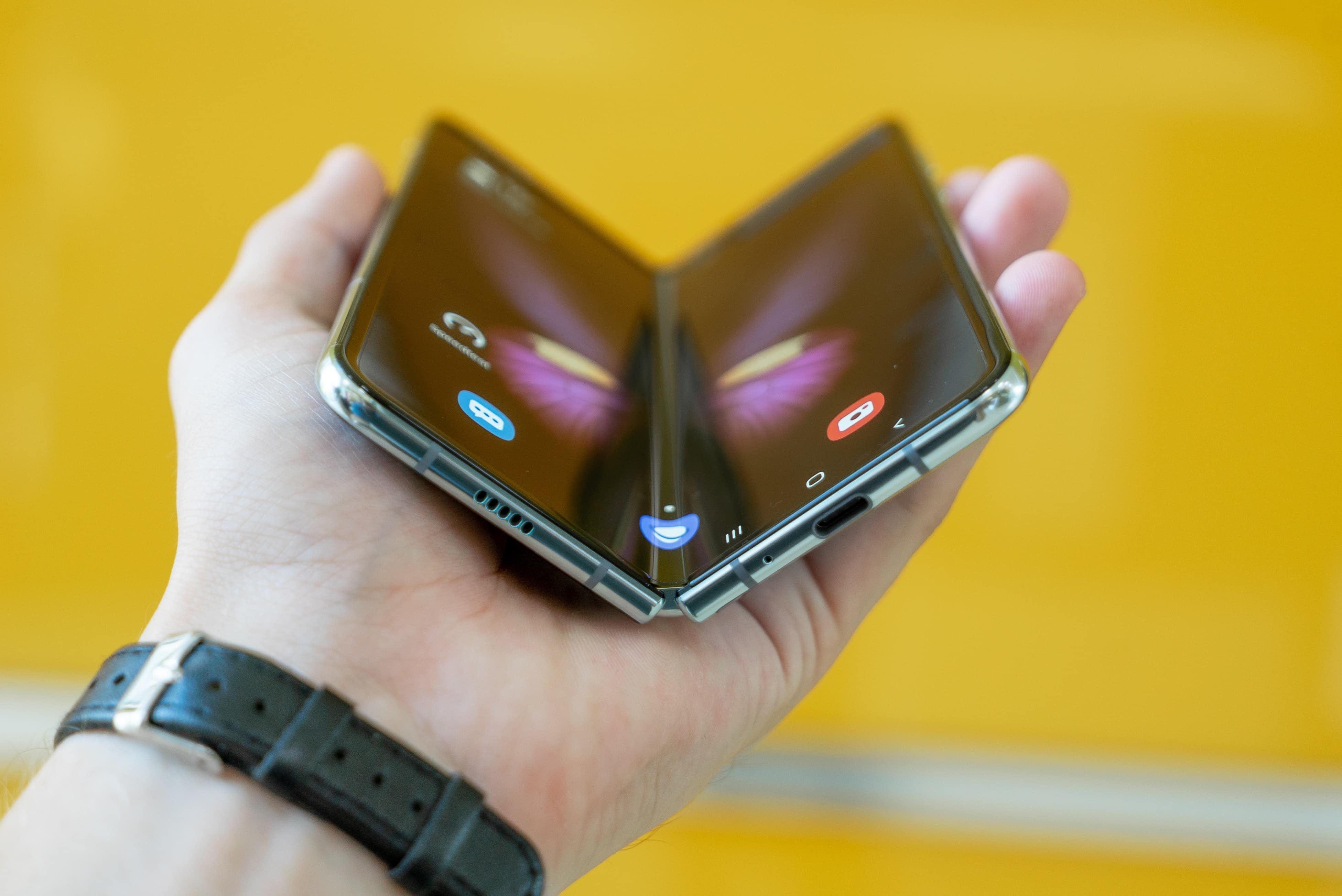
Apple is working on the use of flexible-glass touch displays. Which products will Apple use flexible displays in?
The answer is: all of them.
When people think about flexible displays, they think about small-screen gadgets like iWatches and curved-glass iPhones. What most don’t realize is that flexible displays can bring some amazing benefits to a device, even if the display itself isn’t curved.
And Apple has patents on all of it.
Here’s how Apple might deploy flexible displays to transform every product they make.
First, Apple CEO Tim Cook was forced to grovel and kowtow to the Chinese Communist Party over their obviously false and politically motivated claims about Apple’s warranty.
Now, Apple is being publicly insulted and used by Facebook.
There is no way Steve Jobs would have put up with this kind of humiliating abuse.
The worst thing that could possibly happen to Apple has now happened: The company has run afoul of the authoritarian government of China.
Gatekeepers of the world’s largest and one of the fastest growing markets for every product Apple makes, the Chinese Communist Party-controlled government has decided to stop and reverse Apple’s growth in the country.
We learned this week that Google, Samsung and LG are all planning smartwatches.
Sony, Pebble, Cookoo, I’m Smart, MetaWatch and Martian already have pretty sophisticated smartwatches available, all of which interoperate with the iPhone.
You can be sure that 100 Chinese companies will make inexpensive smartwatches that support either the iPhone or Android or both.
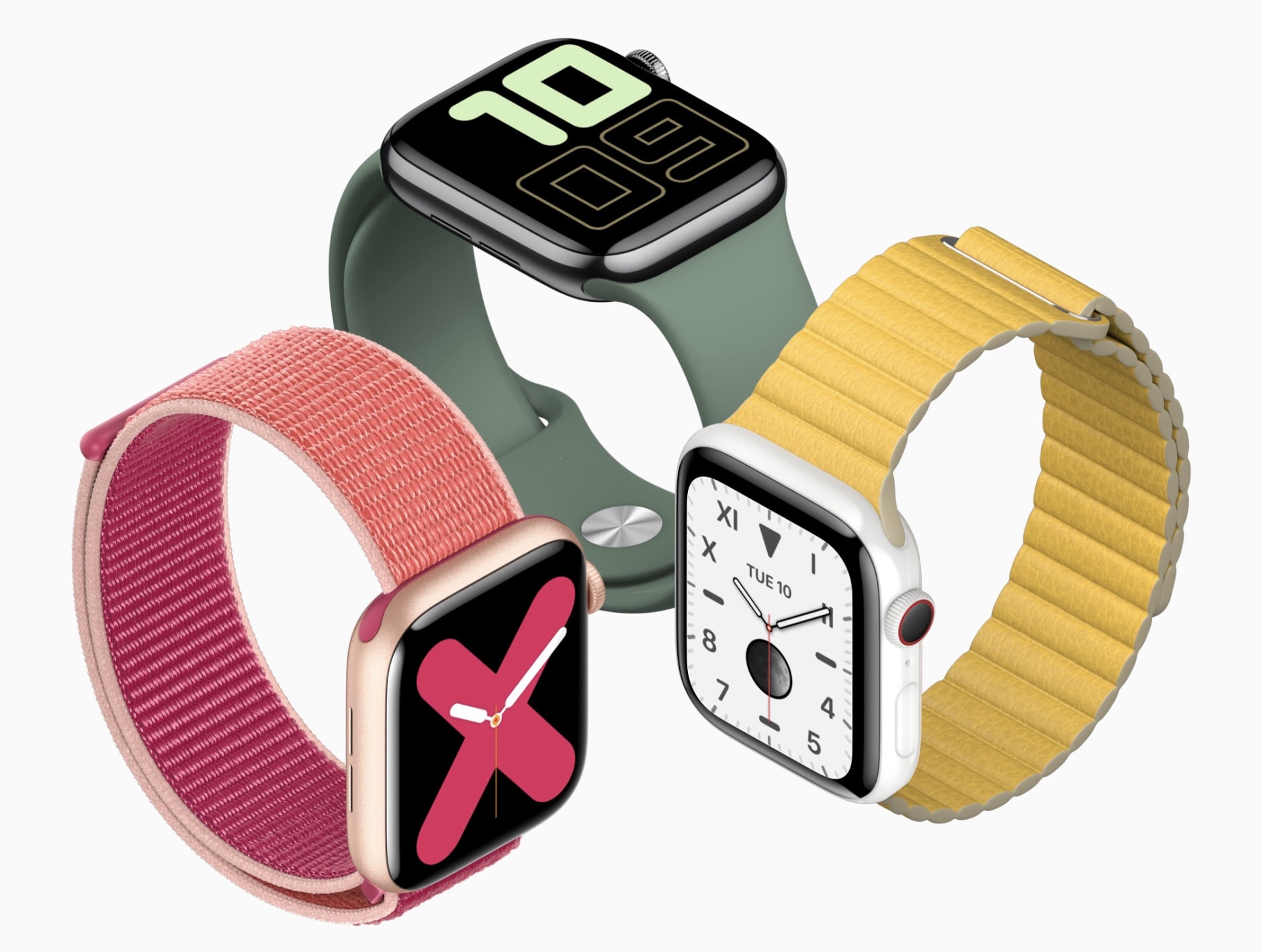
And, of course, Apple is rumored to be working on a curved-glass “iWatch.”
Here’s why I believe Apple’s smartwatch will have a market advantage.