macOS is the operating system that runs on the Mac — the desktop computers and laptops made by Apple. Major updates come every year in September. It’s renowned for being a highly secure, reliable and easy to use compared to Windows.
The original Macintosh system software from 1984 was one of the first to use a mouse and a fully graphical interface. Modern macOS began with Mac OS X, when the operating system was completely rebuilt for the 21st century. Apple new updates it with new features in parity with iOS, iPadOS, visionOS and other Apple software.
The Mac has many of the same apps you can find on the iPhone and iPad. Safari, Mail, Messages, Music, Photos, and productivity apps like Pages and Keynote, run on all the platforms. Using iCloud, your data in each of these apps can sync to their peers on iOS and iPadOS.
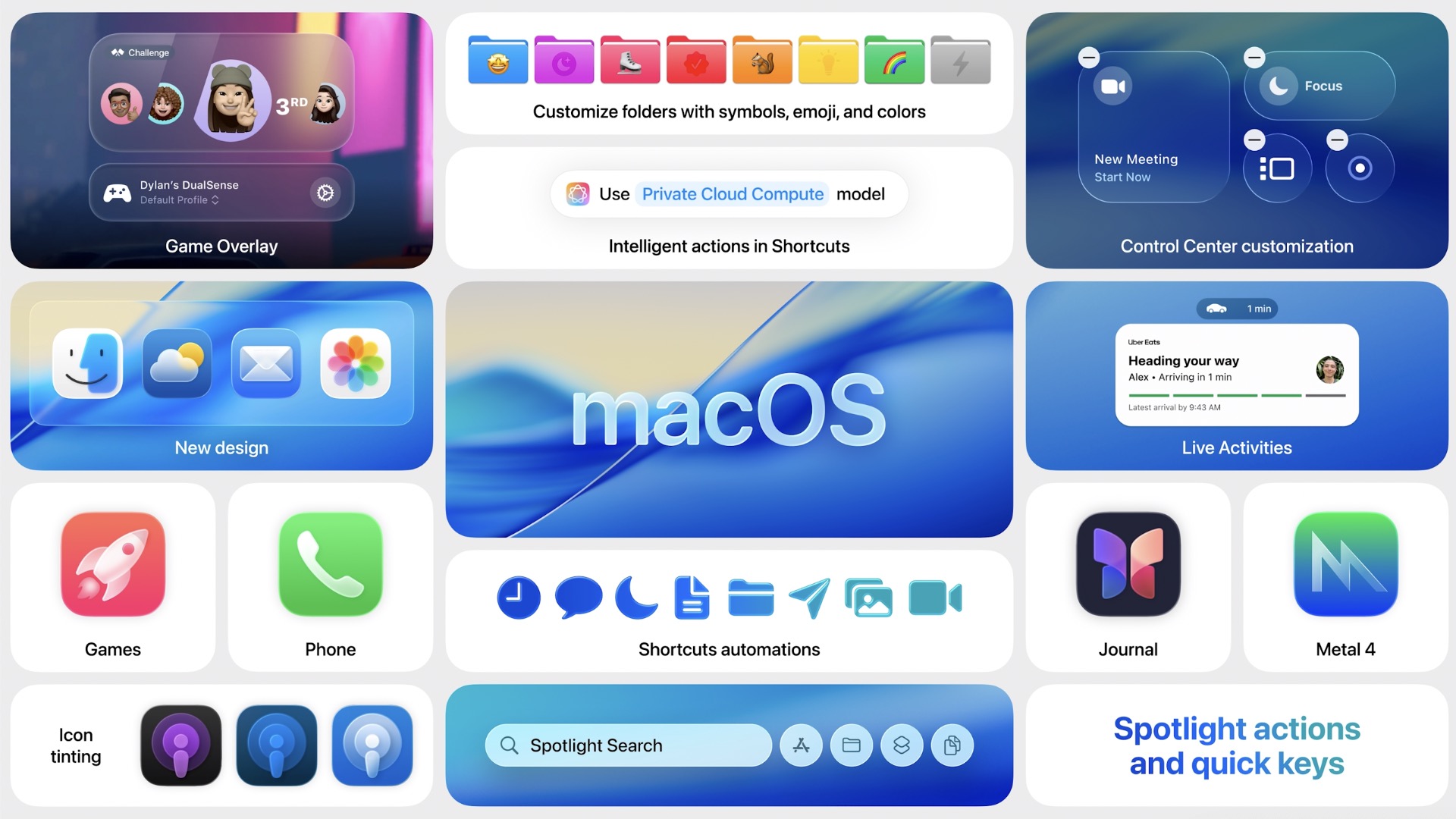
Tahoe is the next major release that is currently in beta testing. It is expected to be arrive for everyone in September 2025. It’s light on new features, but includes a radical new visual look.
Ventura was released on October 24, 2022. It introduced a new desktop windowing mode and several long-standing missing features from iOS.
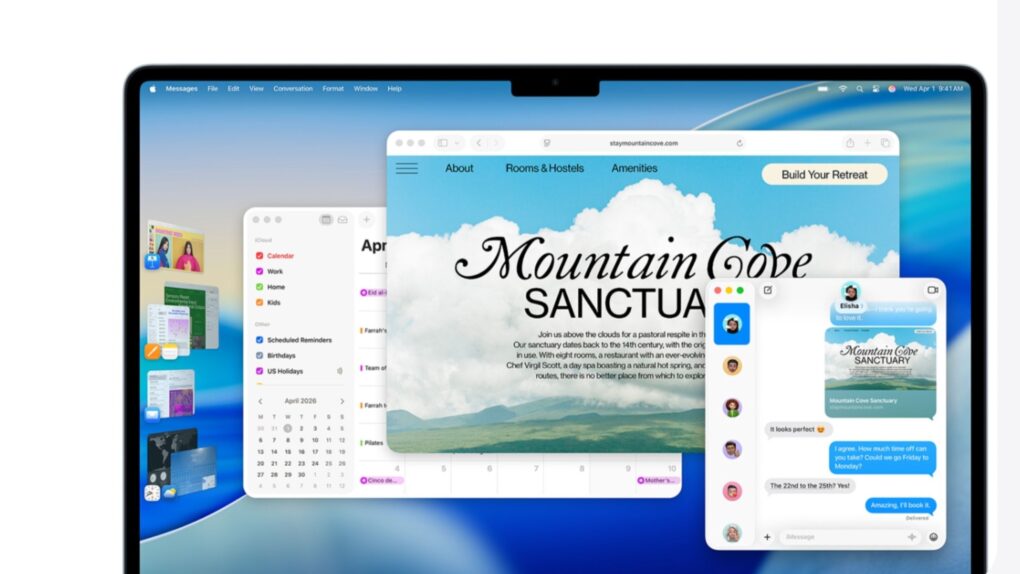
Stage Manager is a feature that lets you group windows together in sets so you can quickly toggle between them. It was also brought to iPadOS at the same time.
Clock and Weather come to the Mac for the first time, in addition to the new collaborative whiteboard appFreeform.
If you’re a long-time PC user who’s recently made the switch, here are some tips on Windows feature equivalents on the Mac.
Snipping Tool for Mac
Snipping Tool is an easy way to take screenshots on Windows PCs since it received a modern redesign in Windows 11.
The Mac has similar functionality in the Screenshot app. Hit Command-Space (⌘␣) to bring up Spotlight, type in Screenshot, then hit Return to launch it. There’s also a shortcut you can use — Shift-Command-5 (⇧⌘5). You’ll see a floating menu appear near the bottom of your screen.
Capture Entire Screen takes a full screenshot of your entire display. By default, it’ll be saved to the Desktop.
Capture Selected Window takes a screenshot of one app specifically. Hold down Option (⌥) if you don’t want it to include the shadow.
Capture Selected Portion lets you drag a marquee over a specific area.
You can also record your screen using the Screenshot app:
Record Entire Screen will capture the entire display.
Record Selected Portion lets you drag a marquee over a specific area.
Under Options, you can choose where your screenshots will go, set a start timer, choose whether or not to include the mouse pointer, choose to include your microphone voiceover in a recording and more. Read more details in our full how-to article.
Force quit Mac apps
Two ways to force quit apps, both basic and advanced.
Control-Alt-Delete is the famous keyboard shortcut that lets you launch the Task Manager to force quit a Windows program. The Mac has two similar features to force quit an app.
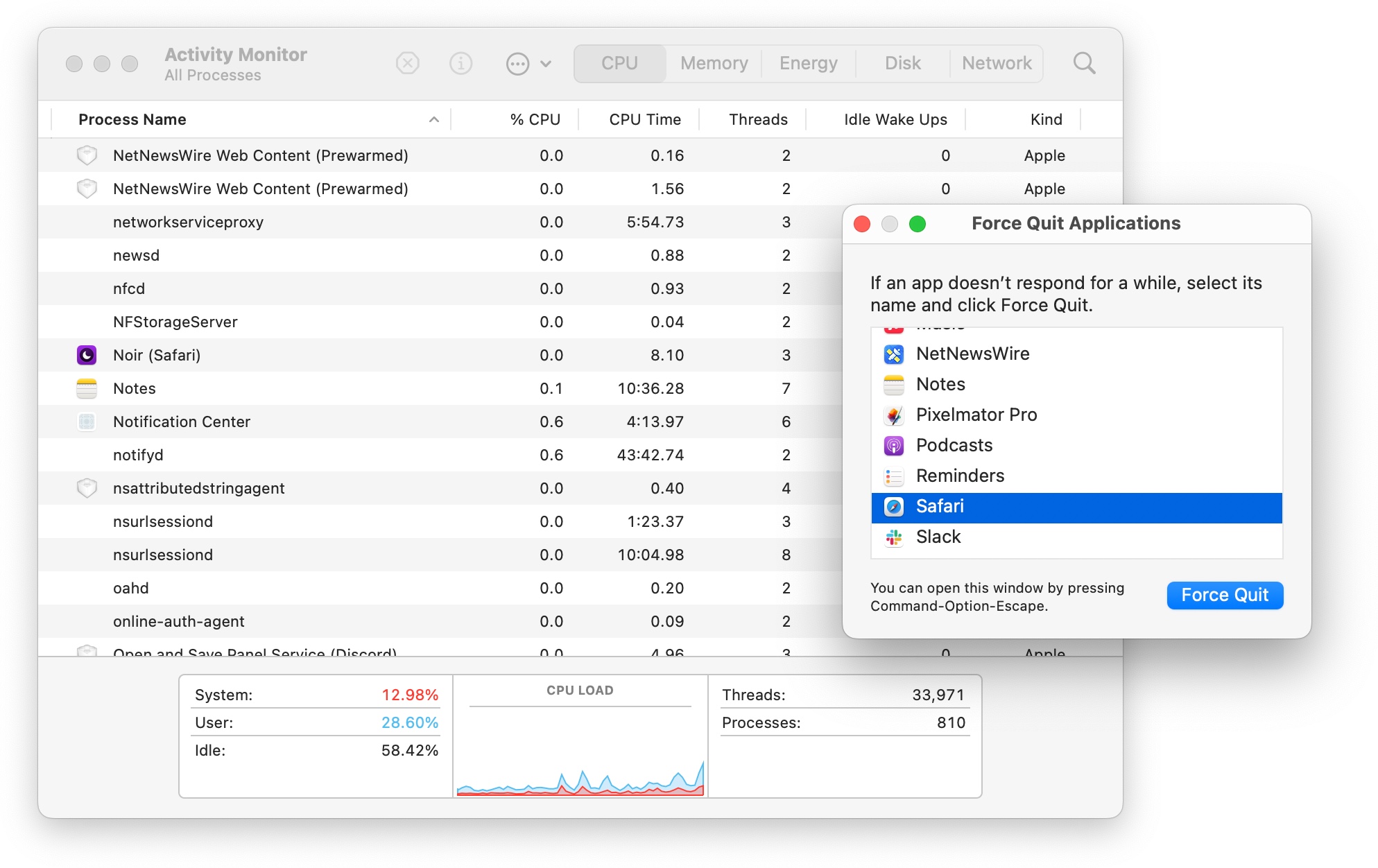
In the upper left corner of the screen, in the menu bar, hit > Force Quit… to bring up a simple menu that lets you quit a running application. You can hit Command-Option-Escape (⌘⌥⎋) as a keyboard shortcut. Select an app in the list and click Force Quit. Close the window when you’re done.
This app only shows you user applications, like apps that are in the Dock or menu bar. For a full list, you can launch Activity Monitor. This is a pro tool that shows you all the running processes on your Mac, a bit like the Windows Task Manager. Using the tabs at the top, you can sort by CPU, memory, energy, disk and network usage. The table in the center of the window can sort processes by name or by other statistics. With a process selected, you can click Stop in the toolbar to end the process. I don’t recommend ending system processes unless you really know what you’re doing.
Parallels Desktop for Mac
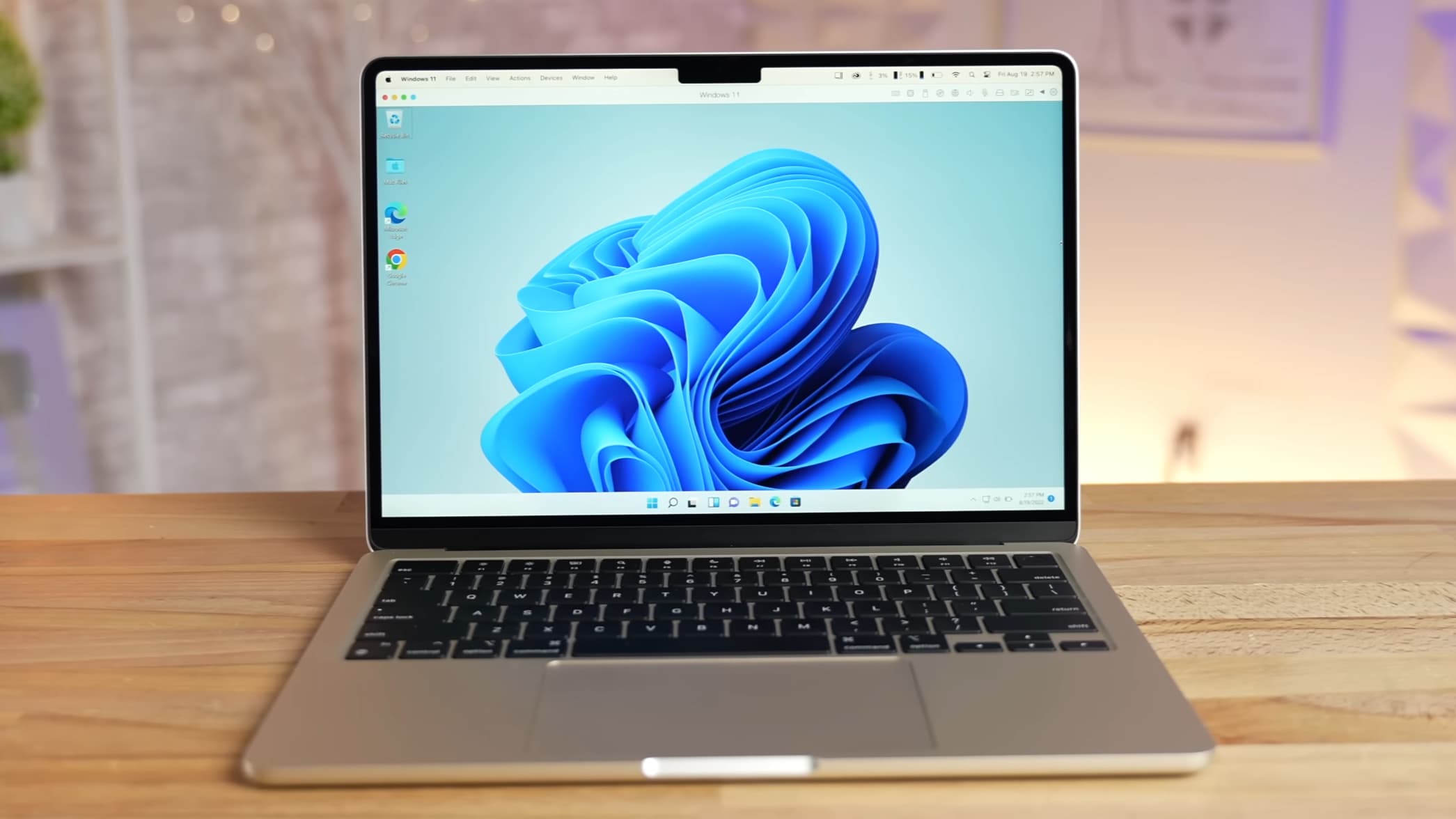
A MacBook Air makes a surprisingly good Windows PC.
Parallels Desktop for Mac is the officially authorized way to run Windows on a Mac. In addition, the software’s Coherence Mode puts your Windows programs side by side with the Mac apps running on your desktop, an advantage exclusive to Parallels.
Virtual machines like Parallels run your copy of Windows on top of macOS. It’s not as fast as booting into Windows directly, but it doesn’t seem like Apple and Microsoft are working toward enabling that on Apple silicon Macs.
NTFS (short for NT file system) is the system Windows uses to store files. The Mac can read the contents of an NTFS drive, such as opening or copying files, but can’t write (or save) files to NTFS. Third-party software can help your Mac bridge the gap.
Apple uses its own file system APFS (Apple File System).
Pro features on macOS
How to update macOS
Updating the software on your Mac is easy. Launch System Settings, then go to General > Software Update. It’ll check if there’s an update available for your Mac. From here, you can install beta software as well.
To update your apps, launch the App Store and click the Updates tab on the left. You should see all your available updates. Click Update All to get all of them at once.
Show hidden files on macOS
Hidden files and folders on the Mac are easy to show. Hidden files are reserved for important system features, so you shouldn’t go rooting through them unless you know what you’re doing. Anywhere in the Finder, hit Shift-Command-Period (⇧⌘.) to toggle between showing and hiding hidden files and folders.
Homebrew on macOS
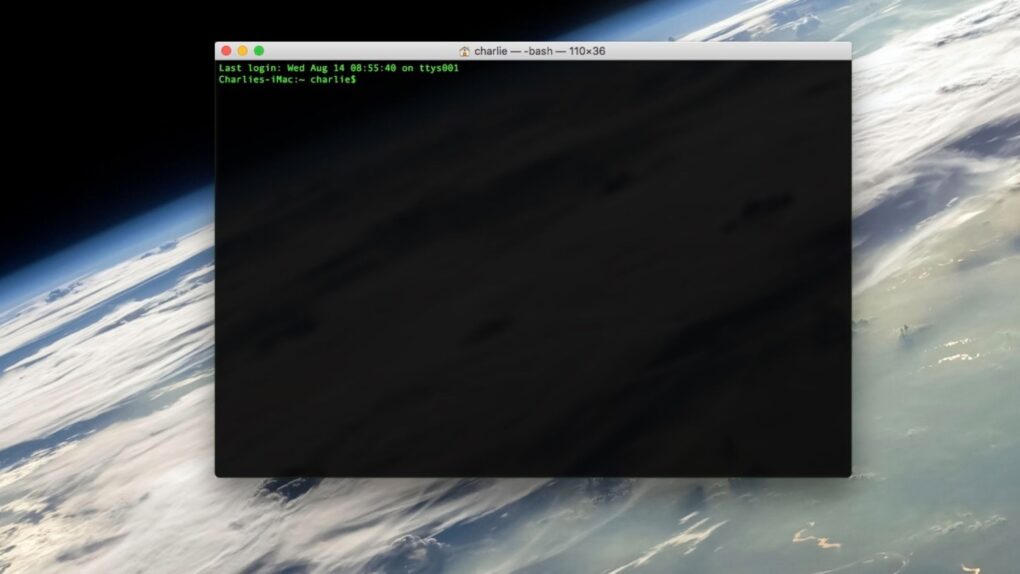
Homebrew is a popular command line utility for the Mac Terminal that makes installing and updating other utilities super easy. It’s used for programming and software development.
There are two methods you can try to install it:
Go to the official release page on GitHub, scroll down to “Assets” and click the .pkg file to download it. Launch the package that’s downloaded and follow the instructions to install.
Copy and paste the following commands into the Terminal: /bin/bash -c "$(curl -fsSL https://raw.githubusercontent.com/Homebrew/install/HEAD/install.sh)"
Once you have Homebrew installed, you can install other packages by just typing in brew install followed by its name.
A fake Zoom installer tells Mac users to click Open Anyway in System Settings. Never do this. Photo: Jamf Threat Labs
A fake Zoom installer dubbed CloudSyncD is coaxing Mac users into switching off Gatekeeper and handing over their admin passwords.
The malware hides itself in the installer window itself, but with unusual instructions. Follow them, and you straight up open a backdoor onto your Mac.
The good news is that you can evade CloudSyncD and any similar malware simply by following one of the most basic security rules when installing applications.
Nvidia PAIR lets an M4 Mac lean on a gaming PC’s GPU for local AI tasks. Photo: Nvidia
Got an M4 or newer Mac and a gaming PC? Nvidia’s new PAIR just gave them a reason to talk. The free, open-source tool pairs Apple Silicon Macs with RTX-equipped PCs into a private AI cluster.
It’s a quick fix for a problem Mac users relying on local AI are starting to hit. AI agents currently split a task into smaller ones, but all of them compete for the same GPU. Nvidia PAIR fixes that by spreading those requests across paired machines instead of your Mac choking on the pileup.
Intel Mac support took another blow this week. Photo: Cottonbro Studio/Pexls
Apple just made it easier to be a Mac developer: This week, the company told Mac App Store developers that they can build applications for Apple silicon only — they can drop Intel Mac support in their software. The change applies to all macOS apps that require macOS 13 or later.
If you’re still running an Intel Mac, that’s the clearest signal from Apple that your machine is in the final stretch. Developers can now flip a single build setting and stop updating Intel-compatible versions. This means fewer updates reaching Intel hardware from now on.
A jailbreak workaround brings macOS on iPhone 14 Pro Max to life inside a virtual machine. Photo: @onejailbreak_/X
Jailbreak developers have found a way to run macOS on the iPhone 14 Pro Max. But it works as a virtual machine, not a full swap of iOS. The trick piggybacks on an existing iPad project that was never built with phones in mind.
The update comes from Virtual Mac, an open-source tool that lets some iPads run full macOS. Version 1.2.1 of the project extends the package to the iPhone 14 Pro and iPhone 14 Pro Max. And, as expected, support is thin, and the trade-offs are real.
A macOS 26.7 slipup from Apple reveals what's coming next. Photo: Ed Hardy/Cult of Mac
Apple rarely lets details about unreleased products slip out ahead of schedule. But every once in a while, the company accidentally spoils its own surprises.
That’s exactly what happened with the macOS 26.7 Release Candidate, which contains references to several unreleased Apple devices, including upcoming iPhones, Macs and smart home products.
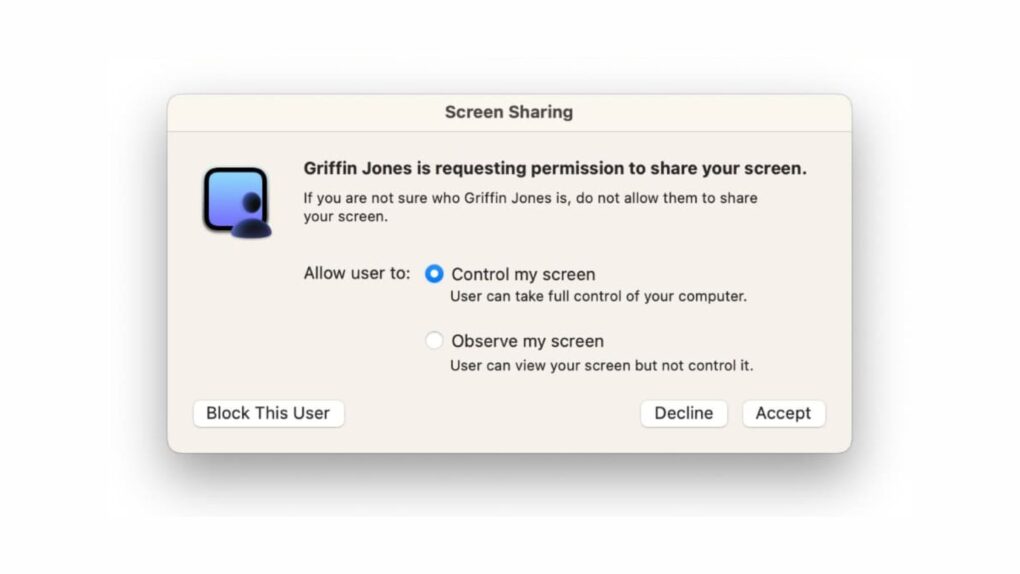
The macOS Screen Sharing vulnerability lets attackers bypass login credentials entirely. Photo: Cult of Mac
A macOS Screen Sharing vulnerability that Apple patched earlier this month is now being actively exploited by hackers. Attackers use the flaw to seize control of Macs and install cryptocurrency miners.
The bug allows attackers to bypass Screen Sharing’s login screen without needing any valid credentials. Once inside, attackers escalate to full root access and install Monero mining software on compromised machines. If you didn’t already update your Mac’s operating system, you should do it as soon as possible.
BetterMouse delivers powerful Logitech mouse customization without the bloat.
Photo: Unsplash
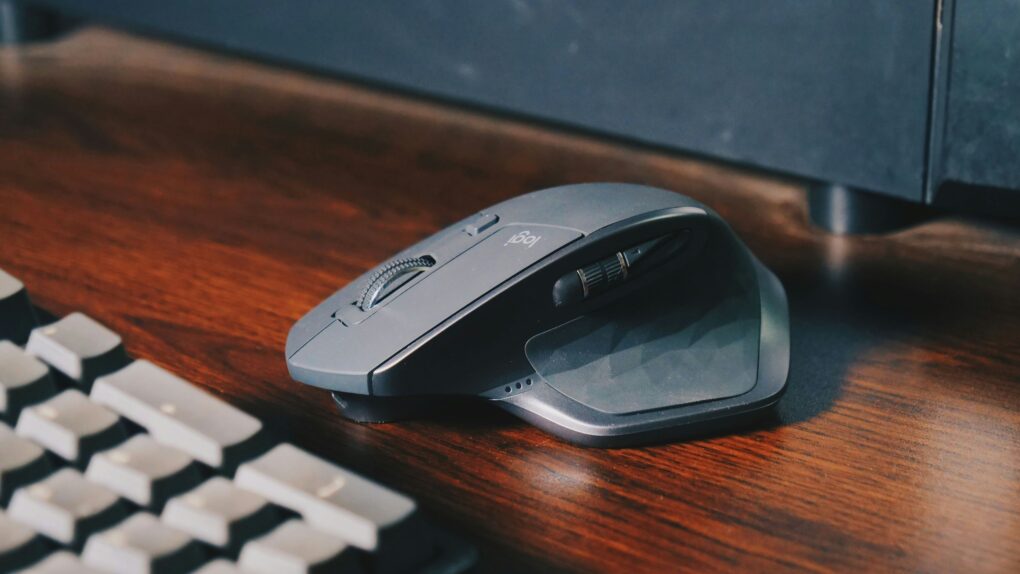
I love my Logitech MX Master 3S and MX Keys S keyboard. They are my go-to devices for my Mac. However, I don’t feel the same way about Logi Options+, Logitech’s companion app for its mice and keyboards.
The software feels unnecessarily bloated for what I need it to do. So, I replaced it with a third-party alternative called BetterMouse that’s lighter and even more feature-rich.
To better automate workflows, ChatGPT's new Computer History feature remembers most of what you do on your machine. Screenshot: OpenAI
OpenAI wants ChatGPT to remember your workday better than you do. The newly introduced Computer History feature, currently rolling out in the ChatGPT desktop app for macOS, turns your clicks, keystrokes, web browsing and more into a searchable timeline.
The idea is to make ChatGPT more of an intelligent assistant. It can help you resume unfinished work, locate relevant files or conversations and automate workflows. If you lose the thread of what you were doing before lunch, ChatGPT can reconstruct it for you. Whether you want an AI logging all that activity is a separate question — one that’s in opposition to Apple’s privacy positioning.
MacPaw is building on-device AI into its Eney assistant with help from Liquid AI. Image: MacPaw
MacPaw is bringing on-device AI to its Mac assistant, Eney. The company partnered with Liquid AI to build a local intelligence stack designed to run on your Mac, not in the cloud.
The partnership pairs Liquid AI’s foundation models with MacPaw’s own inference and memory technology. Eney will be the first product to get the upgrade, and results are expected later this year.
A WebKit privacy leak can expose your iPhone or Mac’s real IP address even when using proxy browsers or iCloud Private Relay. Image: Apple/Cult of Mac
Three recently discovered WebKit privacy leaks expose users’ real IP addresses on iPhone and Mac, even when they use a proxy browser or iCloud Private Relay, according to a new report.
This would mean Apple’s trusted privacy tools aren’t working as advertised. If you’ve relied on proxy browsers for anonymity or iCloud Private Relay for privacy, that protection apparently has some serious gaps.
Turns out there is such a things as too many bug bounty reports going to Apple. Photo: Pexels CC
Apple decided to cap the number of bug bounty reports a researcher can have open at once. The move follows a flood of AI-generated “slop” that overwhelmed Apple’s internal security team this year.
But the cap almost backfired. A small Italian security firm had found a serious macOS flaw using ChatGPT, but they couldn’t report it because their group had already hit its new limit.
Gemini's Mac app gets two new features. AI image: Google/Apple/Gemini/Cult of Mac
Google upgraded the Gemini app for macOS to take on Wispr Flow and other AI-powered dictation apps. The update introduces the Intelligent dictation feature, which transcribes your spoken words into text in real time.
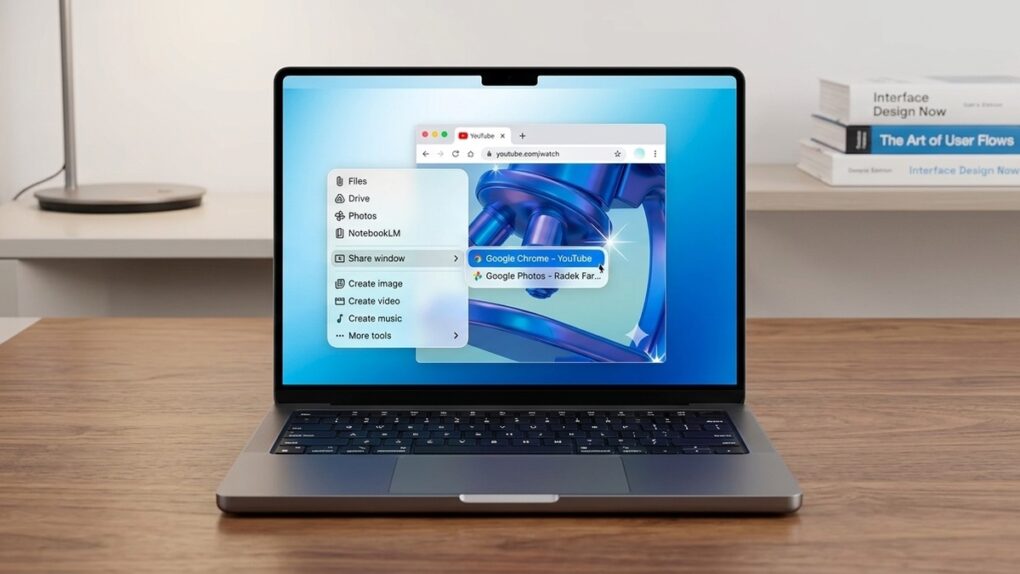
It also adds support for screen-aware reasoning, allowing Gemini to understand what’s on your screen.
Apple keeps backporting fixes to older macOS versions even as macOS 27 Golden Gate nears its public debut. Image: Apple
If your Mac is still running macOS Sonoma or macOS Sequoia, the latest security updates aren’t optional. Apple released macOS Sonoma 14.8.8 and macOS Sequoia 15.7.8 on Monday, and together they patch nearly 140 security vulnerabilities.
Your Mac won’t gain any new features. But these maintenance updates are still important for anyone who has yet to update to macOS Tahoe. Apple fixed several WebKit flaws that could expose your data when browsing the web.
CrashStealer malware mimics Apple’s real crash-reporting tool, right down to the icon and name. Image: Jamf Threat Labs
If you see a file called CrashReporter.dmg in your Mac’s Downloads folder, don’t open it. It’s not from Apple — it’s a new strain of malware called CrashStealer. It’s wearing Apple’s own clothing, right down to the icon, name and a fake password box designed to look like standard macOS.
The malware slips past Apple’s security checks and tricks victims into typing their Mac password before draining everything of value on the machine. Anyone who’s opened an unfamiliar app in the past few weeks should pay close attention.
PamStealer disguises itself as Maccy, a popular Mac clipboard manager to trick users into handing over a verified password. Photo: JAMF Threat Labs/Cult of Mac
The “free” clipboard manager you just downloaded could be doing more than just copying and pasting text. Researchers recently found a new malware called PamStealer disguised as Maccy, a popular clipboard tool, that does something most Mac malware doesn’t bother with — checking your Mac password before sending it off.
The malware hides itself in a lookalike download for Maccy. It doesn’t just grab your password and run — but it checks the password against the same system Apple uses to log you in.
The flaw exploits how macOS apps establish trust with background services. Photo: XM Cyber
Security researchers have disclosed a new macOS flaw that lets attackers shut down your security software after getting onto your machine — no admin password, no kernel exploit, and almost no trace left behind.
The attack takes advantage of how macOS apps earn each other’s trust, and if you use a Mac at work, it is exactly the type of thing your IT needs to know about.
There are unspoken rules and tricks to getting your bug reports fixed. Image: D. Griffin Jones/Cult of Mac
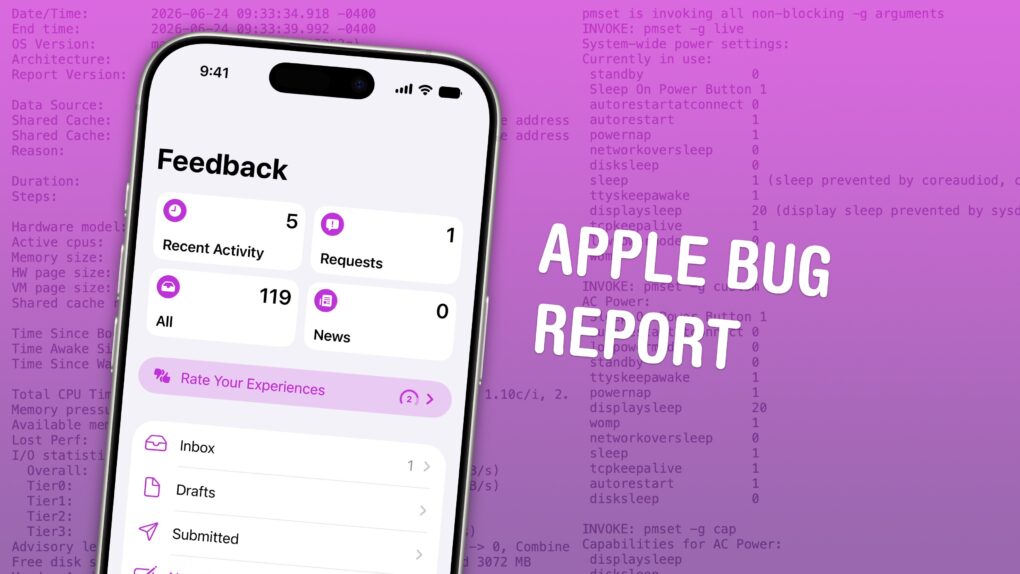
June is the best time of year to give feedback to Apple on betas for iPhone, Mac, iPad and Apple Watch. Just after the company releases the initial betas of its upcoming software updates, this is when Apple engineers have the most time to address bugs and make changes. And that makes this the optimal time to file an Apple bug report.
It won’t be long before Apple engineers’ task lists fill up through the fall, when the new software will be released. After that, teams are rearranged to make the sprint toward the next year’s updates. So if you have any input, you’d best make yourself heard now.
How do you file a bug report or send in feedback to Apple? Apple made a tool called Feedback Assistant that will guide you through the process. It’s available if you’re running a developer or a public beta of iOS, macOS, iPadOS and visionOS. Here’s how.
AirPort Utility, first released more than a decade ago, hasn't been updated since years. Photo: Apple
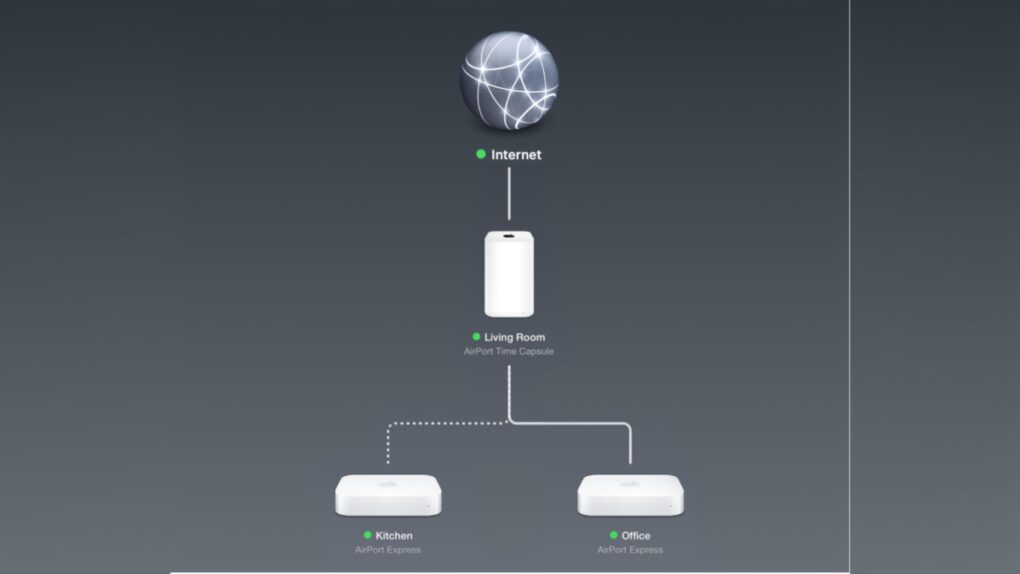
The AirPort Utility app, which has been available for Apple devices since the mid-2000s, is going away. Buried in iOS 27 and macOS 27 beta 2 release notes, Apple says it is removing the app that lets anyone configure an AirPort router from the App Store.
If you are still using an AirPort Extreme, AirPort Express or Time Capsule with your home Wi-Fi, this is your warning. Once the app disappears, new users won’t be able to download it again from the App Store. Even if it’s already on your iPhone, iPad or Mac, Apple says it will stop working the moment you update to iOS 27 or macOS 27 Golden Gate.
The upcoming version of macOS. Image: Apple/D. Griffin Jones/Cult of Mac
macOS 27 comes packed with features that will make your daily life on the Mac all the better. From an enhanced user interface to super-charged search, the new operating system delivers upgrades that should please every Mac user.
While Apple Intelligence and Siri AI dominated Apple’s WWDC26 keynote last week, and much of the fervor focused on improvements coming to iOS 27, the Mac is getting some great new features as well.
Here are the 10 best “hidden” features coming to macOS Golden Gate 27.
Apple's new Terminal alerts intercept pasted malicious commands before they can do damage.
Image: Cult of Mac
If your Mac showed a warning the last time you tried to paste something into Terminal, Apple just explained what’s going on. Turns out, your Mac has been quietly blocking and protecting you from an increasingly common scam.
The feature, which shipped back in March with the macOS Tahoe 26.4 update, blocked pasted Terminal commands without explanation. Apple published an official support document on Monday explaining what those alerts mean — and what to do when one appears.
Siri AI might tell you to take a break if you're getting too gabby. Photo: Apple
Apple’s new Siri AI chatbot might know when you’ve been bending its ear — and encourage you to take a break. A hidden piece of code in iOS 27 reveals that Siri AI could remind you to chill out if a conversation runs too long.
It’s a small detail, but it suggests Apple is clearly thinking about what happens when you don’t stop talking to Siri.
June 8, 2009: Apple introduces OS X Snow Leopard, a version of its Mac operating system that ranks among the company’s finest desktop updates.
Showcased at Apple’s Worldwide Developers Conference in San Francisco, Snow Leopard doesn’t seem as flashy as some other Mac operating system upgrades. In fact, Apple famously includes a slide in its WWDC presentation touting “0 new features.” However, OS X Snow Leopard more than delivers on Apple’s core values, paving a path to a bright future for the Mac.
Old iPhones and Macs will soon be unable to edit and create Microsoft Office files. Photo: Microsoft
If you use an older Mac, iPhone or iPad, Microsoft might be about to break your Office apps. Starting July 13, Word, Excel, PowerPoint, Outlook and OneNote will stop letting you edit, save or create new files unless you meet certain requirements. You’ll still be able to open and print documents, but that’s it.
The move affects more people than you might think. If you’re running anything older than iOS 17 or macOS 11 Big Sur, your Office apps will mostly be defunct. Microsoft calls it “reduced functionality mode,” which is a fancy way of saying your Office apps will lose editing functionality.
Go all-in on a beautiful theme for your Mac. Photo: Apple
If you learn how to personalize your Mac, you can make your computer feel like home. Every MacBook might look like a boring aluminum rectangle out of the box, but you can match any aesthetic with a few tips and tricks.
For starters, you could cover the backside with stickers or a colorful plastic case. But your work doesn’t end there. You can easily give your Mac’s desktop, app icons, desktop folders and theme colors a coordinated look.
Here’s how to customize your Mac to give it that personal touch.
















 June 8, 2009: Apple introduces OS X Snow Leopard, a version of its Mac operating system that ranks among the company’s finest desktop updates.