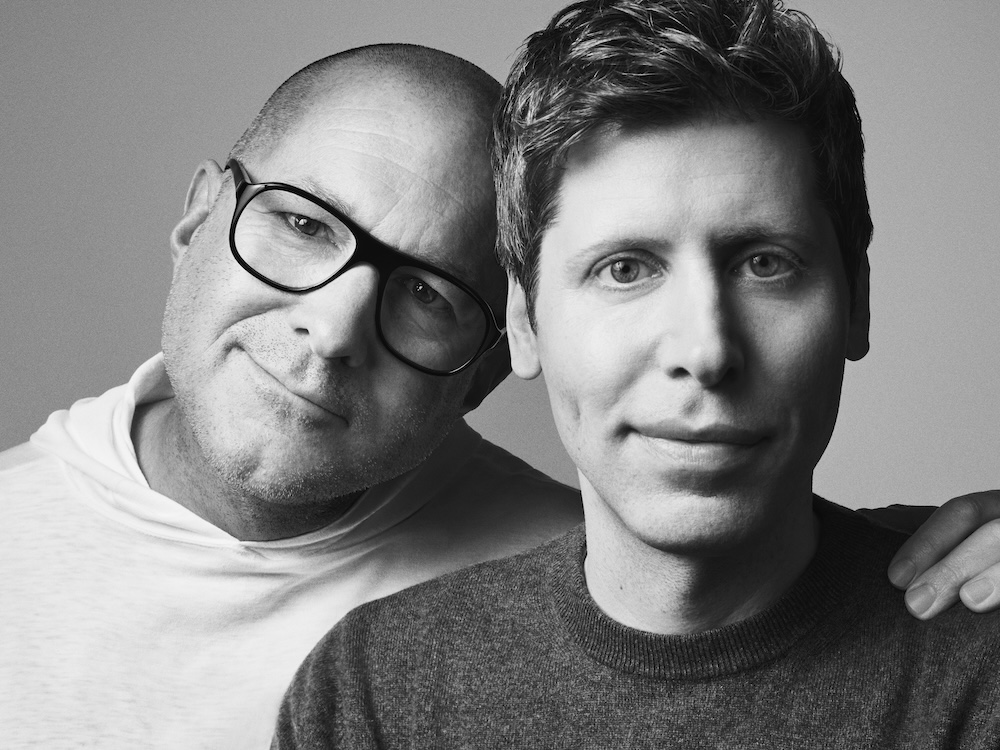
Jony Ive left Apple in 2019 and founded design firm LoveFrom.
Sir Jonathan Paul “Jony” Ive is a renowned British designer who is best known for his work at Apple Inc. He joined Apple in 1992 and played a pivotal role in shaping the design language of Apple products, including the iMac, iPod, iPhone, iPad, MacBook and Apple Watch. His designs are characterized by sleek lines and minimalist aesthetics.
Under Ive’s leadership, Apple’s design team gained international recognition for its innovative and iconic product designs. Ive’s influence extended beyond physical product design to include software interfaces, packaging, and Apple’s retail stores.
In June 2019, Jony Ive announced his departure from Apple to start his own independent design company, LoveFrom. Despite leaving Apple’s full-time employment, Ive continued to collaborate with Apple on certain projects through his new venture. In 2022, the designer’s 30-year partnership with Apple came to an end.
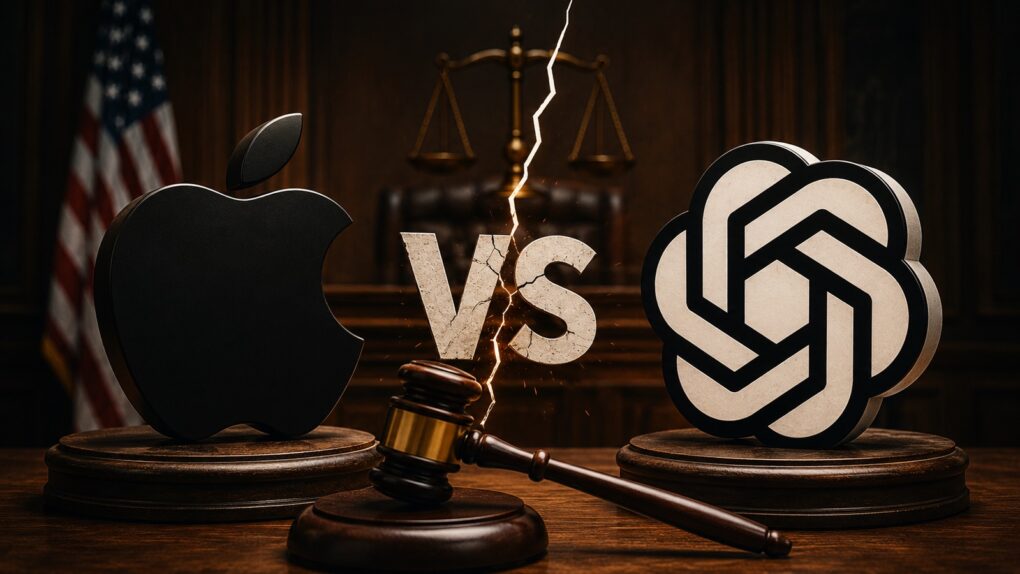
It's no accident that that Jony Ive’s name never appears in Apple’s OpenAI lawsuit. AI illustration: Midjourney/Cult of Mac
Apple’s trade-secret lawsuit against OpenAI names two former employees and Jony Ive’s startup but scrupulously avoids mentioning the former Apple design chief by name.
This isn’t a legal oversight. It comes down to a complicated mix of factors, including Ive’s closeness with Laurene Powell Jobs and the lousy optics of Apple targeting its most famous designer.
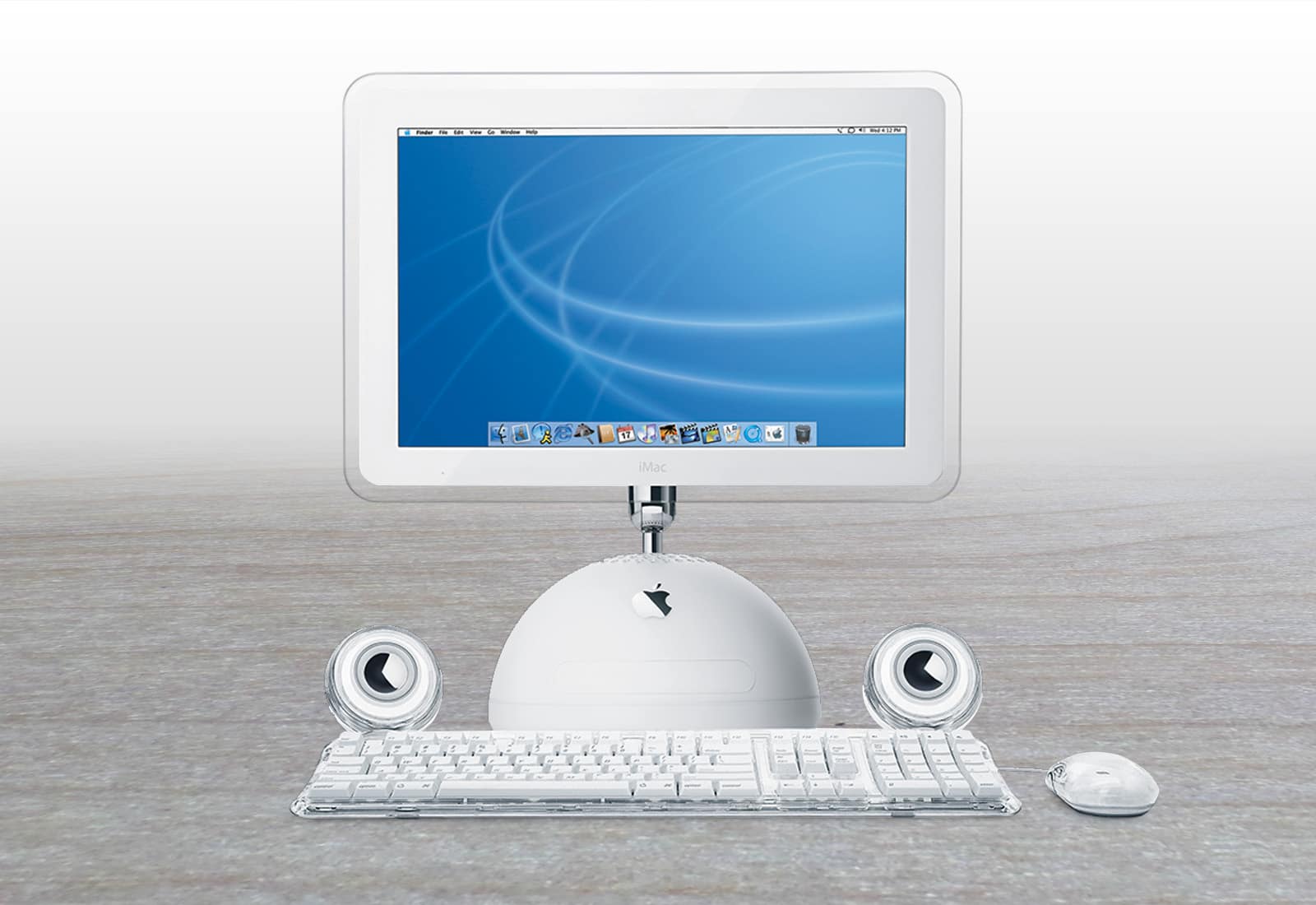
The iMac G4 brings a "breathtaking" giant screen to desktops everywhere. Photo: Apple
July 17, 2002: Apple ships a new super-sized iMac G4 with a 17-inch widescreen LCD display that becomes the envy of many computer users at the time.
“The best consumer desktop just got even better,” says Apple CEO Steve Jobs of the company’s new all-in-one computer in a press release. “Having this gorgeous 17-inch flat screen floating in mid-air right in front of you is simply breathtaking. There’s nothing like it in the PC world.”
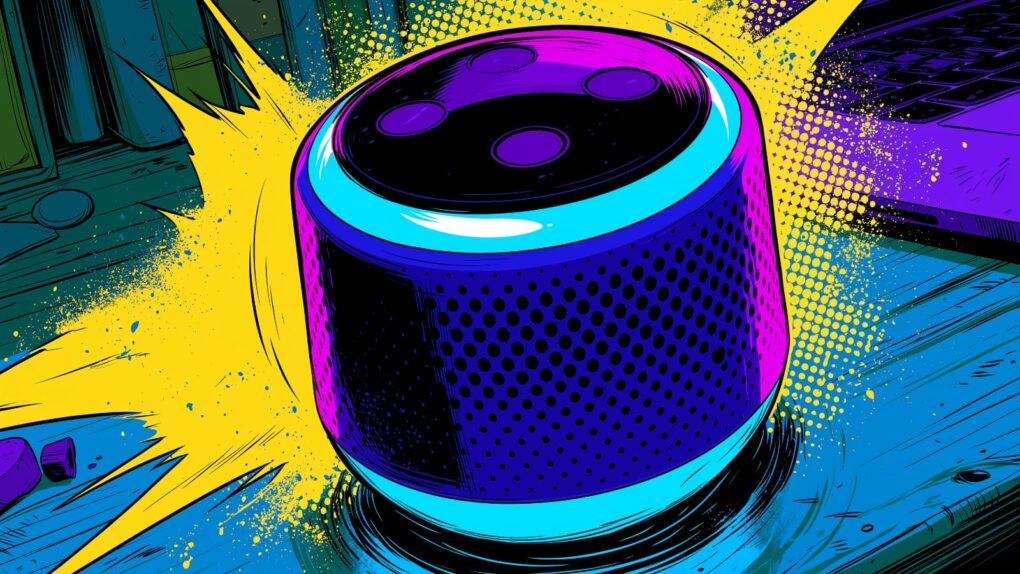
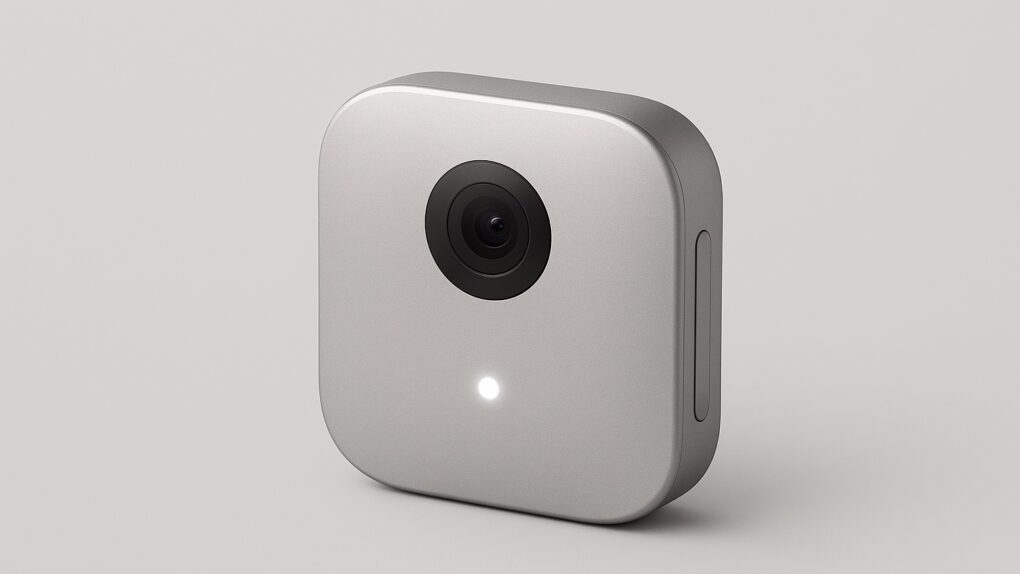
What will OpenAI's super-smart speaker look like? Ask Jony Ive. AI image: Midjourney/Cult of Mac
OpenAI’s probable first device will likely be a portable smart speaker with a winning personality and features that make it seem like a living creature. The company envisions a screenless device that will “serve as a humanlike AI companion that lives in the home,” according to a new report citing anonymous sources.
While previous rumors indicated OpenAI wants to build a device to challenge the iPhone, this sounds like more of a threat to Apple’s HomePod, Amazon’s Alexa devices and other smart speakers.
Oh, and the thing might actually move to make it seem more lifelike. (Let’s hope it doesn’t give off an Existenz game pod vibe.)
The legal battle between Apple and OpenAI could get messy. AI image: Google Gemini/Cult of Mac
Apple seems to have gone to unusual lengths to keep one man out of its trade-secret lawsuit against OpenAI: Jony Ive.
However, the legal battle could end up with Apple’s former design chief taking the stand. And that could rattle Apple’s cordial relationship with Ive, who’s helping OpenAI build AI-powered gadgets that threaten the iPhone’s dominance.
"See you in court" is the message Apple just gave OpenAI. AI image: ChatGPT/Cult of mac
Apple sued OpenAI in federal court on Friday, accusing the ChatGPT maker of orchestrating a broad campaign to obtain Apple’s confidential hardware technology by hiring its former employees.
It relates to an effort by OpenAI to develop its own devices with AI built in — products that might someday replace the iPhone and other smartphones.
OpenAI hasn’t been subtle about its plans to compete with Apple hardware, especially after it began working closely with Jony Ive, Apple’s former design chief.
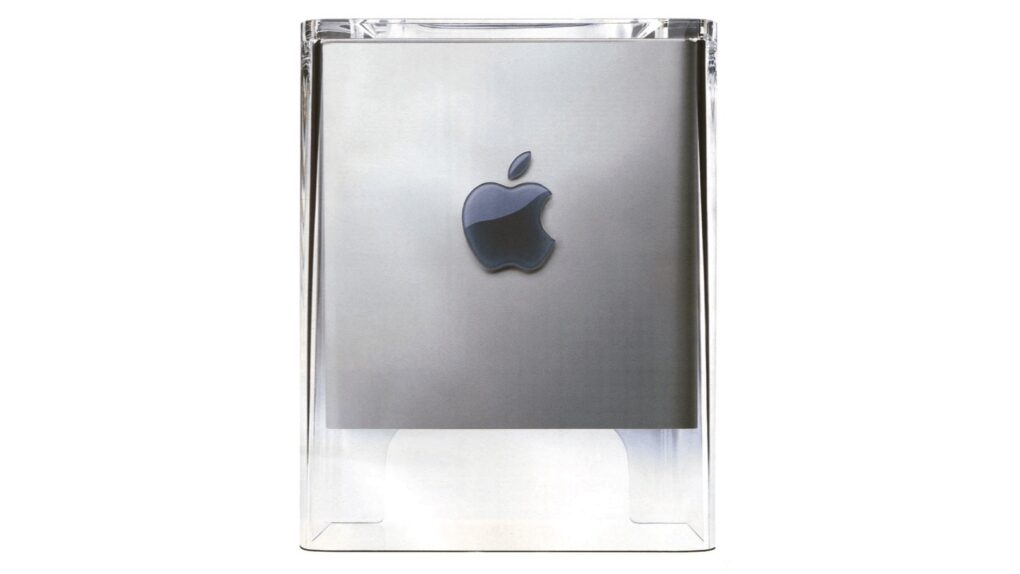
Apple put the Power Mac G4 Cube "on ice" in 2001 after disappointing sales. Photo: Apple
July 3, 2001: Apple suspends production of its Power Mac G4 Cube, one of the most notable busts in Apple history — and the first major flop following Steve Jobs’ glorious return to the company in 1997.
Although Apple leaves the door open to possibly reintroducing the remarkably clear G4 Cube at a later date, this never happens. The stylish computer is superseded by Apple’s upgrade to G5 processors and then to Intel Core-based Macs.
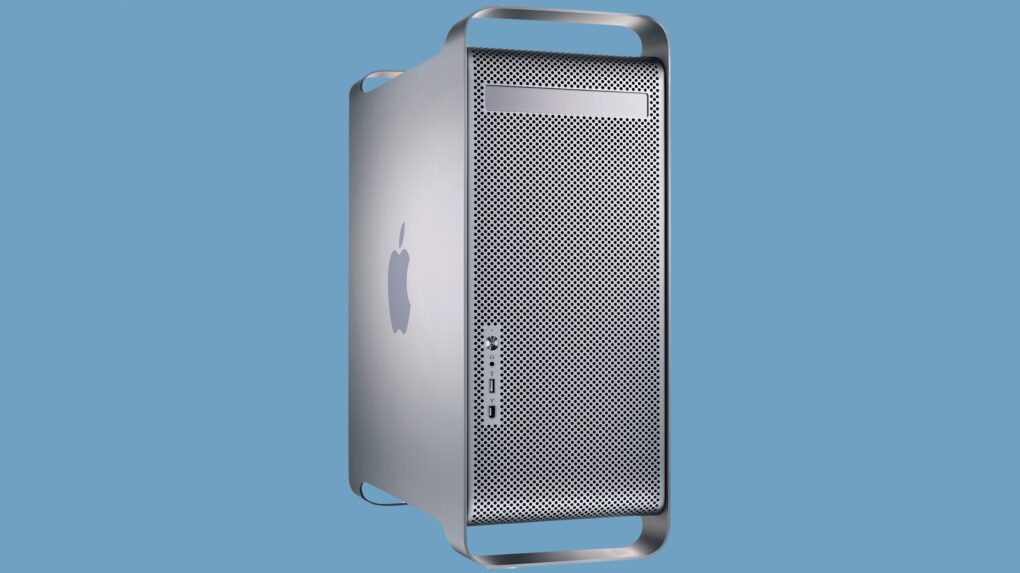
A 64-bit CPU powered Apple's stunning "cheese grater" Power Mac G5. Photo: Bernie Kohl/Wikipedia CC
June 23, 2003: Apple launches its gorgeous Power Mac G5, a powerhouse desktop computer with a perforated aluminum chassis that earns it the affectionate nickname “the cheese grater.”
Starting at an affordable $1,999 (over $3,600 in today’s money, adjusted for inflation), the Power Mac G5 is the world’s first 64-bit personal computer. It’s also Apple’s fastest machine yet.
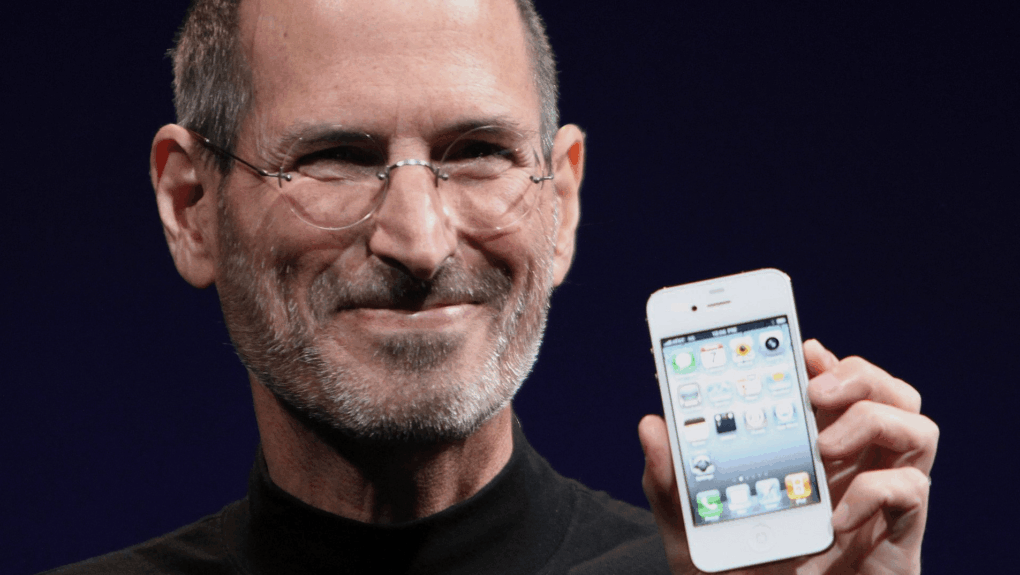
June 16, 2010: Apple reports a massive surge of interest in its latest smartphone, with iPhone 4 preorders racking up 600,000 sales on their first day.
The company calls the number “far higher” than expected. At the time, it’s the most iPhone preorders Apple has ever taken in a single day. AT&T suffers server problems thanks to the demand — with 10 times the usual traffic on its website. It’s proof positive that Apple is onto a winner!
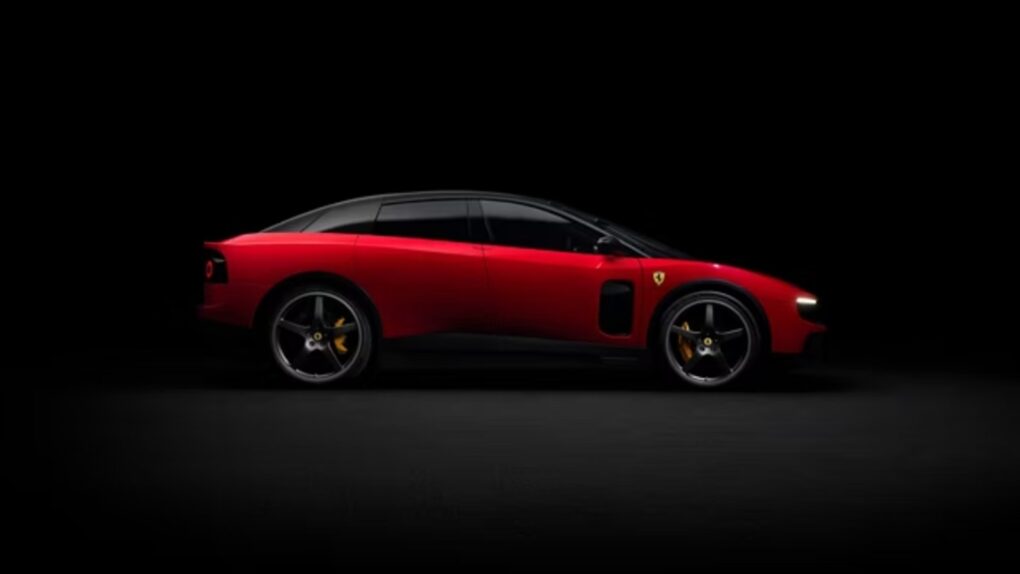
At least the color and prancing horse badge are familiar in this shot from Ferrari. Photo: Ferrari
Ferrari officially pulled the wraps off the Luce, its first-ever all-electric vehicle, on Monday — and for Apple fans, this one’s personal. The car’s exterior and interior took design cues from LoveFrom, the creative collective founded by former Apple design chief Jony Ive and longtime collaborator Marc Newson.
The Ferrari Luce is the highest-profile project the duo has taken on since leaving Cupertino, and it’s already dividing opinions. Plus, it’s the closest we’ll ever get to an Apple car.
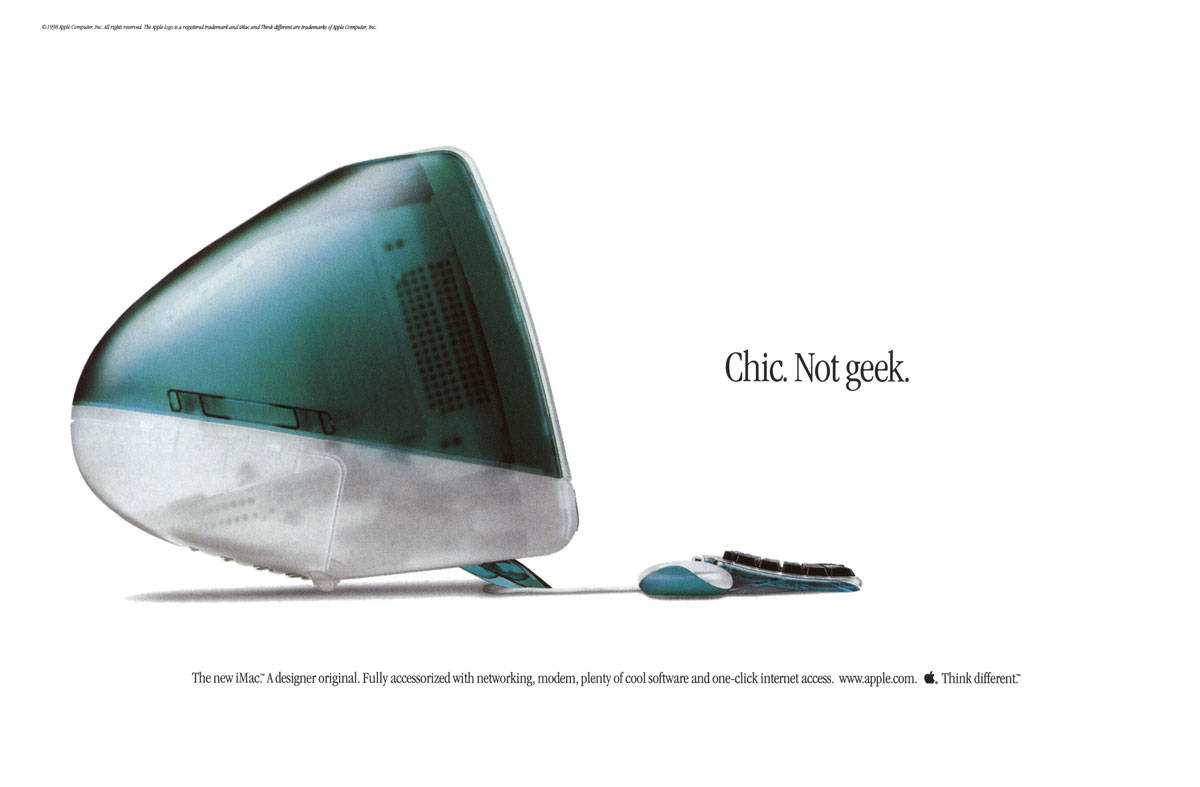
The original iMac looked different from any other computer. Photo: Apple
May 6, 1998: Apple CEO Steve Jobs unveils the original iMac, a brightly colored, translucent computer that will help save the company.
Coming just 10 months after Jobs’ new management team took over the struggling company, the iMac loudly announces that the days of Apple quietly fading into the background are over. The colorful computer marks the start of a very successful run for Cupertino.
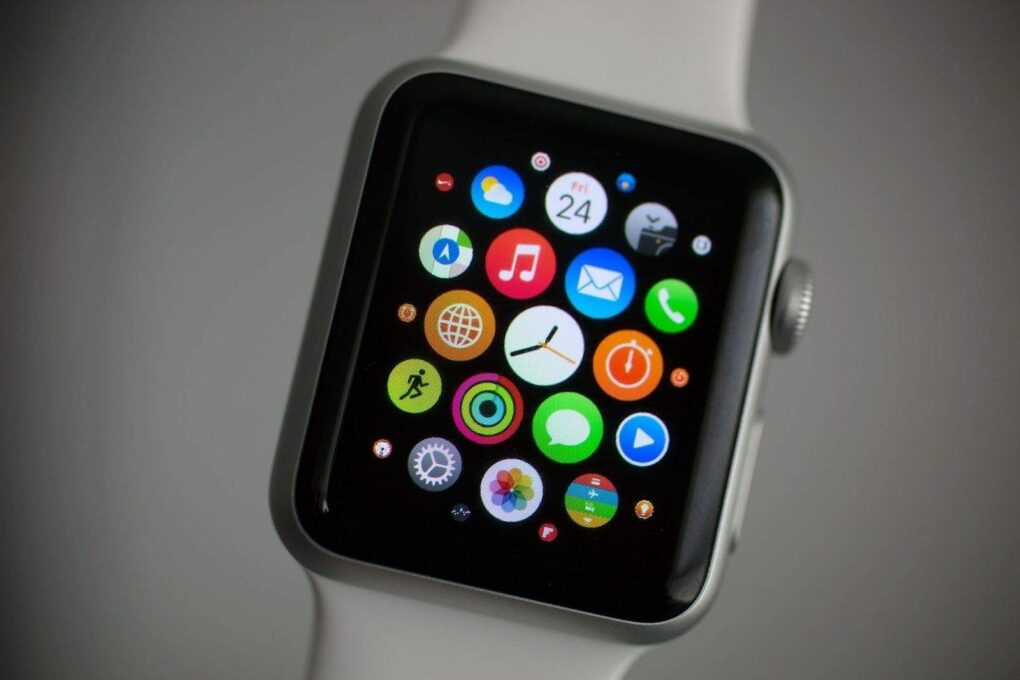
The Apple Watch is the first major new product launch of the post-Steve Jobs era. Photo: Jim Merithew/Cult of Mac
April 24, 2015: The original Apple Watch launch means consumers, who endured a seven-month wait after the device’s unveiling at a keynote the previous September, can finally strap an Apple wearable onto their wrists.
Apple CEO Tim Cook describes the smartwatch as the “next chapter in Apple history.” Behind the scenes, however, the first Apple Watch launch is a moment long in the making.
According to a 2005 rumor, Apple planned to launch a 15-inch tablet. Photo: Ste Smith/Cult of Mac
April 13, 2005: The tech world gets excited when a sketchy rumor suggests Apple is building a tablet computer.
The Chinese-language report claims Quanta will build a 15-inch touchscreen tablet PC with a detachable keyboard. Apple will supposedly ship the device in the first quarter of 2006. Things don’t turn out quite like that, but the rumor offers the first hint about Apple’s secret iPad project.
No, you weren't holding your iPhone wrong. Photo: Apple
March 29, 2012: A settlement ends the “Antennagate” controversy, as Apple gives affected iPhone 4 owners the chance to claim a whopping $15 payout. The settlement covers customers whose phones dropped calls due to its cutting-edge design, but were unable to return their handsets (or didn’t want a free bumper case from Apple to mitigate against the problem).
While it’s arguable whether a $15 payout was worth filing all the paperwork necessary to claim the cash, the Antennagate story — and the resulting class-action lawsuit — generated big headlines at the time.
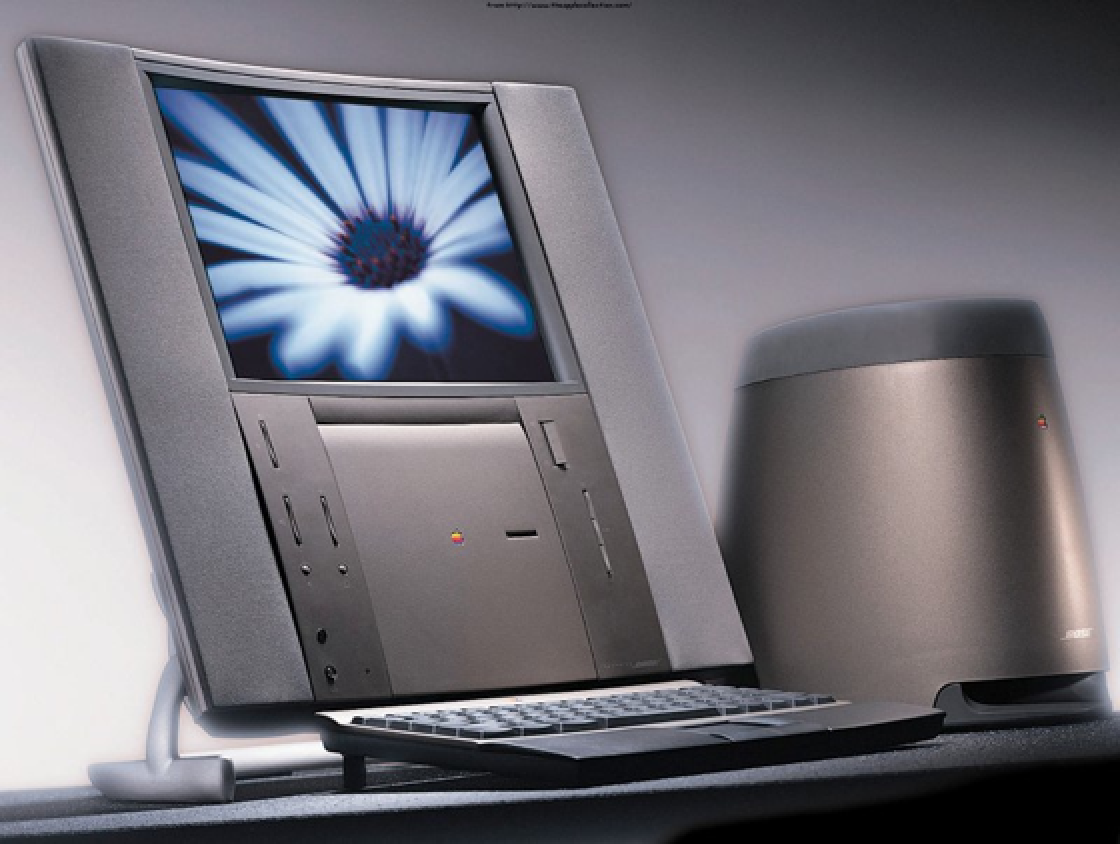
The Twentieth Anniversary Mac offered a glimpse of the future. Photo: Apple
March 20, 1997: Apple launches its Twentieth Anniversary Macintosh, a futuristic, special-edition Mac that’s ahead of its time in every way. Not part of any established Mac line, it brings a look (and a price!) unlike anything else available — and Apple delivers them to buyers in a limo!
And yet the Twentieth Anniversary Macintosh promptly bombs. Today, it’s a collector’s piece.
These were two of the wackier Macs ever. Photo: Apple
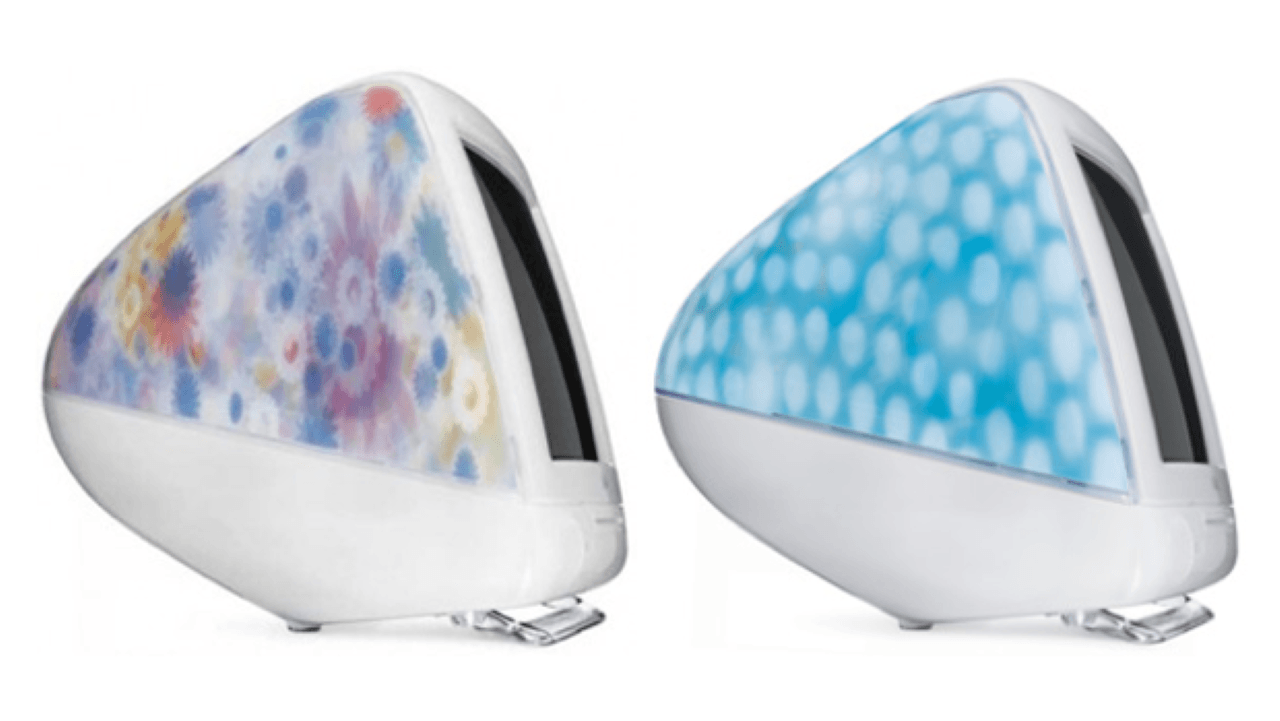
February 22, 2001: The iMac Special Edition, sporting wild designs that would make a hippie happy, puts a wacky face on the colorful computer that saved Apple’s bacon at the turn of the century. The Flower Power iMac and Blue Dalmatian iMac evoke tie-dye shirts and other unconventional ’60s-era imagery.
A far cry from the super-serious, aluminum-heavy industrial design that will come to define Apple in subsequent years, these colorfully patterned iMacs stand out as some of the most irreverent computers Cupertino ever dreamed up. (C’mon, when was a real Dalmatian blue?)
Under the crazy-looking exteriors, a pretty darn great iMac G3 hums along.
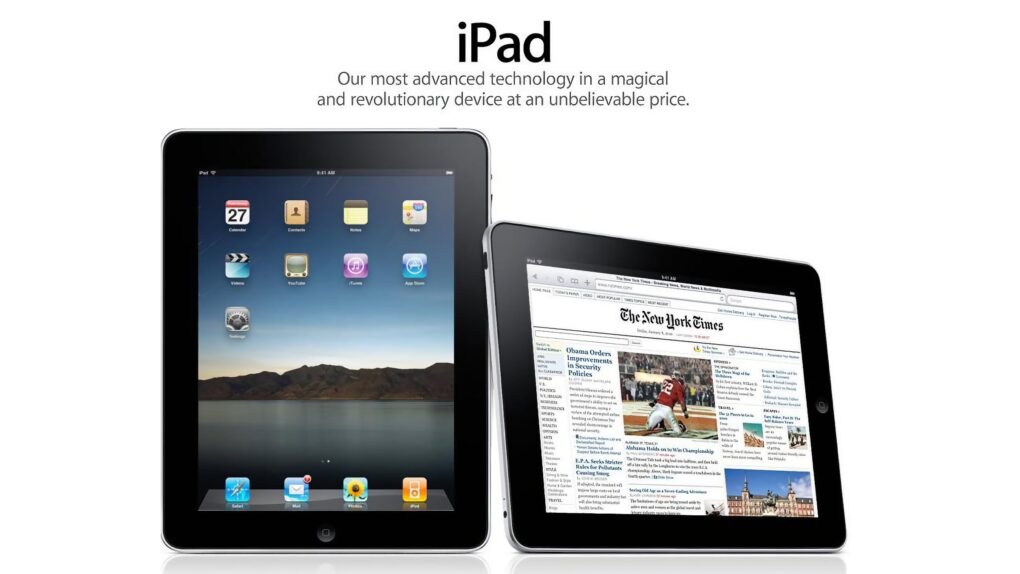
January 27, 2010: After months of rumors and speculation, Apple CEO Steve Jobs publicly shows off the iPad for the first time. Aside from the name, which some people joke sounds like a female sanitary product, the first-generation iPad immediately earns critical acclaim.
“The last time there was this much excitement over a tablet, it had some commandments written on it,” The Wall Street Journal quips.
Apple's 20-inch iMac G4 in all its glory. Photo: Wikipedia CC
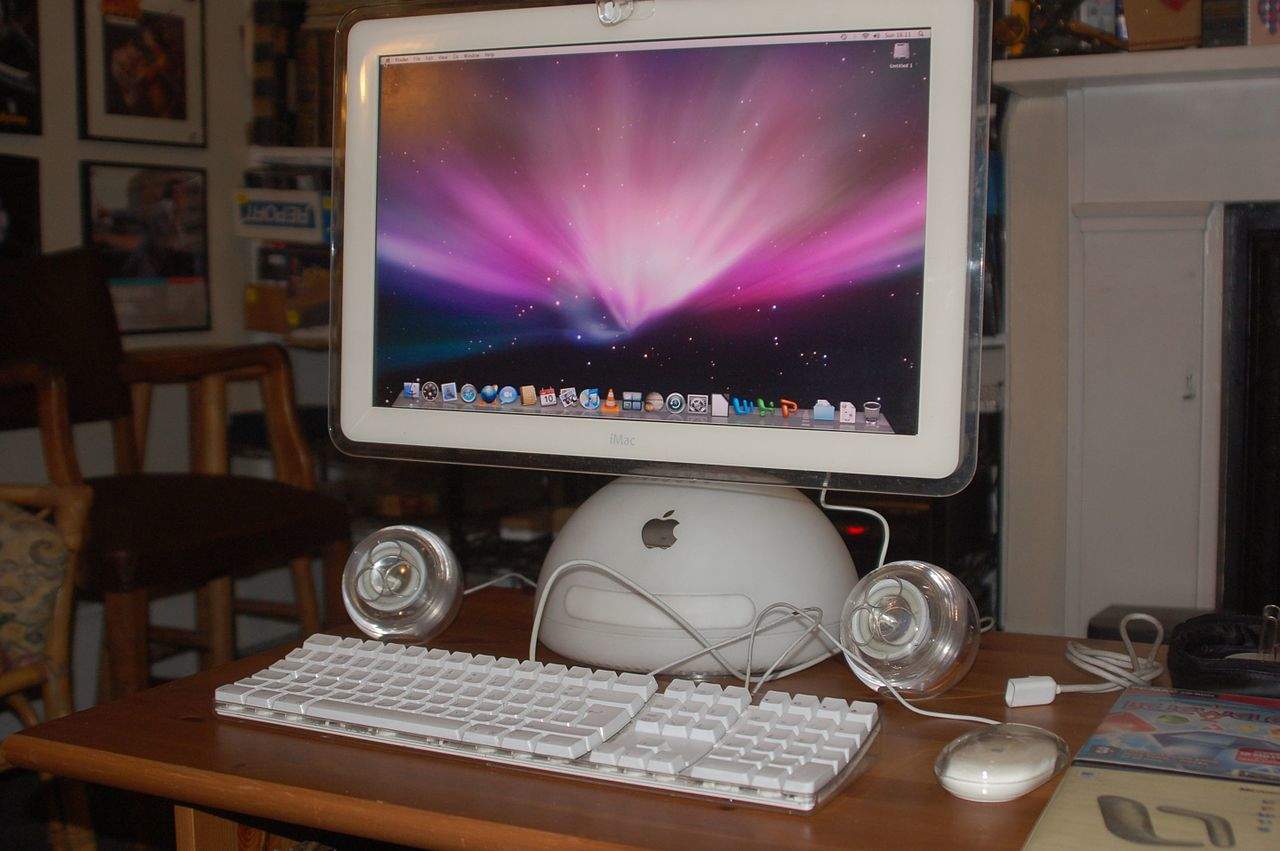
November 18, 2003: Apple debuts a new iMac G4 sporting a 20-inch screen, the company’s biggest flat-panel all-in-one computer ever.
The introduction makes an already superb Mac even better. Somehow, though, the additional screen real estate makes the new Mac weigh twice as much as the 17-inch model.
The disastrous Apple Maps showed Scott Forstall the way out of Cupertino. Photo: Apple
October 29, 2012: Scott Forstall, Apple’s senior vice president of iOS software, is fired from the company after the disastrous Apple Maps launch. After Forstall is ousted, Apple divvies up the roles he previously handled among other high-level execs.
Design chief Jony Ive assumes leadership of the Human Interface team. Craig Federighi becomes head of iOS software. Eddy Cue takes control of Maps and Siri. And Bob Mansfield “unretires” to lead a new technology group.
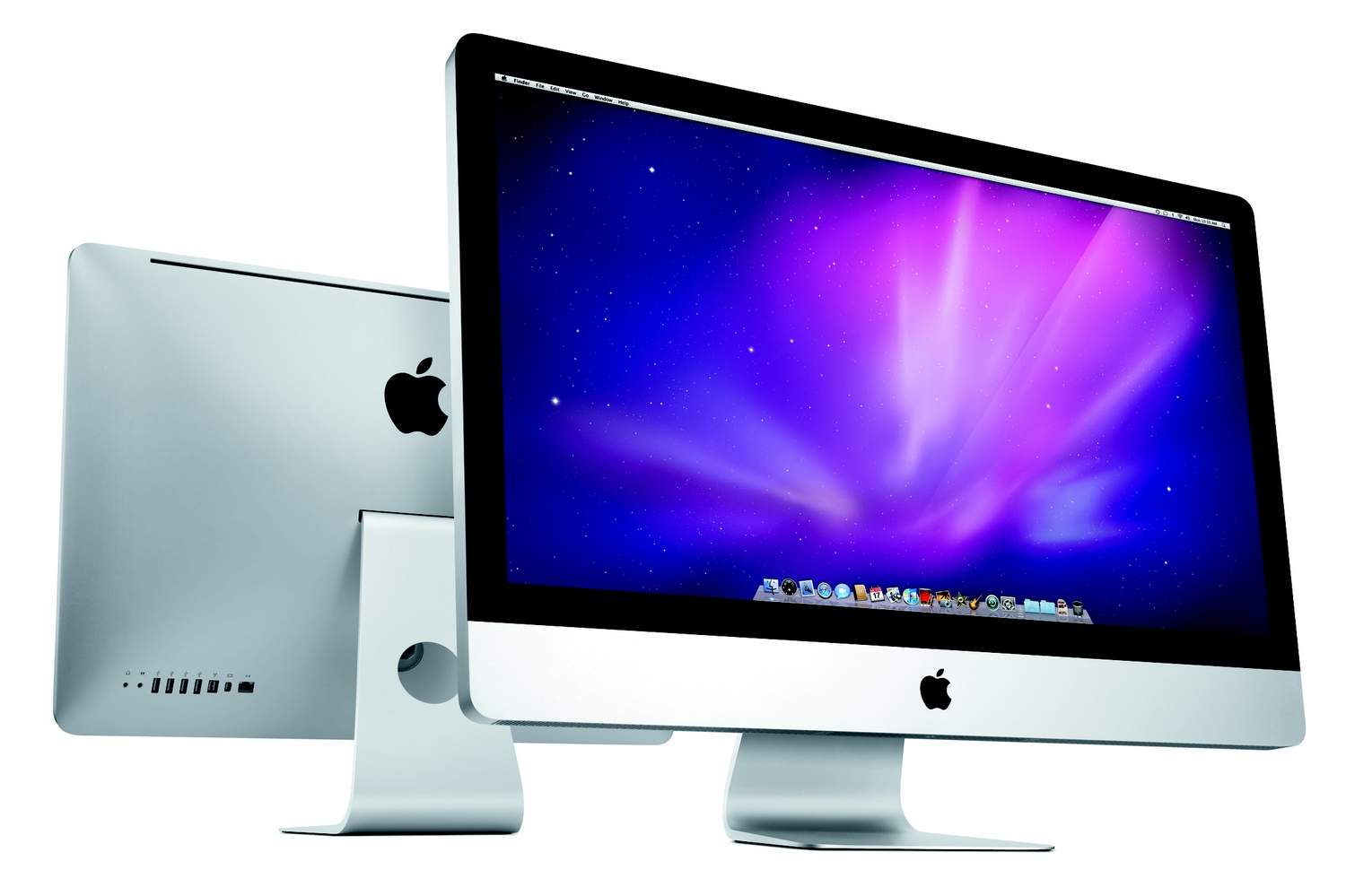
October 20, 2009: Apple goes big with its iMac redesign, introducing the first 27-inch all-in-one Mac. The sleek, sophisticated aluminum unibody design looks so good that the iMac will remain virtually unchanged for years.
As with the first Macintosh with a built-in CD-ROM drive, the iMac’s 27-inch display represents a sea change for tech. The big, beautiful screen signals that larger displays need no longer remain the domain of pampered professionals.
Things are getting weird in AI land. Image: Cult of Mac
This week on Cult of Mac’s podcast: After OpenAI’s Sora app races to the top of the App Store charts, it’s time to consider how fantastic and terrifying it really is.
The iPhone-only app produces startlingly photorealistic videos of wacky things like Pikachu as a World War II soldier and iJustine wrestling an elephant. Will we ever be able to believe our eyes again?
Also on The CultCast:
Former Apple design chief Jony Ive and his new BFFs at OpenAI reportedly run into some serious problems as they work to create an AI device to take on the iPhone.
iOS 26 lets you screen iPhone calls even more efficiently than before. Griffin shows us how it the upgraded features work.
A switcher lands a great deal on a MacBook Air, then goes all in on the Apple ecosystem. Talk about the halo effect!
And finally, the latest iOS 26.1 beta brings some interesting new features — Griffin tells us all about them.
Listen to this week’s episode of The CultCast in the Podcasts app or your favorite podcast app. (Be sure to subscribe and leave us a review if you like it!) Or watch the video version, embedded below.
The AI companion from OpenAI might look something like this concept. AI concept: ChatGPT
OpenAI’s efforts to create and sell an “AI companion” device reportedly have serious obstacles to overcome. These are existential, including how the company can find enough computing resources to enable the artificial intelligence devices to function.
That’s good news for Apple, as there have been predictions that products designed specifically for AI might someday take the place of the iPhone and other smartphones.
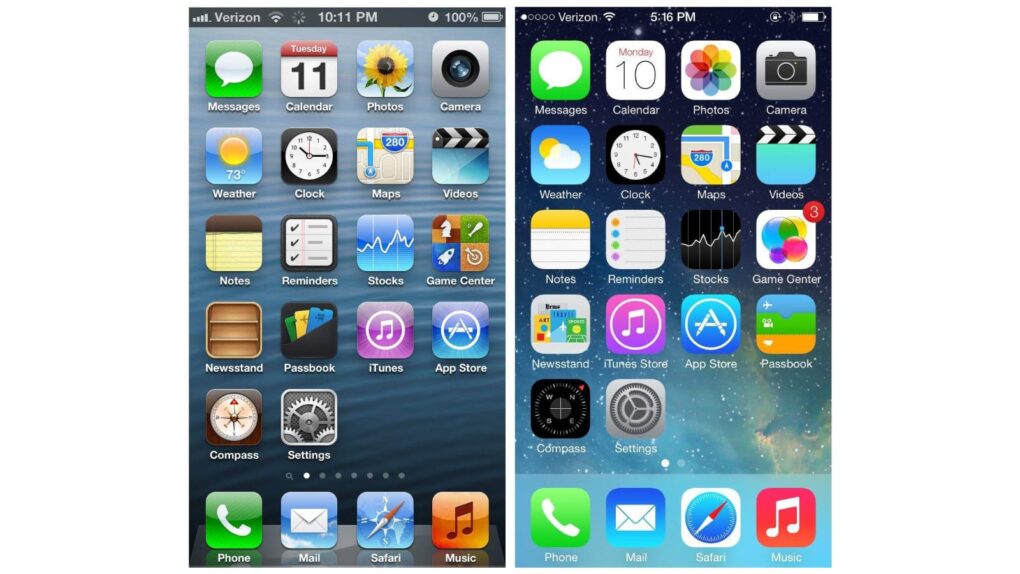
Here's how iOS 7 (right) compared to iOS 6. Images: Apple
September 18, 2013: iOS 7 launches with a radical redesign that divides the tech world. The biggest overhaul Apple’s mobile operating system has seen in years, iOS 7 ditches the skeuomorphic objects, dials and textures of previous iterations.
Instead, it boasts stark patches of white space, simpler icons and more abstract controls for settings. The Jony Ive era of software design is truly underway.

A lawsuit forced OpenAI to take down public details related to its acquisition of Jony Ive's company io. Photo: OpenAI
OpenAI and Jony Ive’s io have removed all public details about the latter’s acquisition. The much-hyped video announcing the acquisition is also no longer live on YouTube. Contrary to rumors, this is not due to the deal between the two companies falling apart.
The issue stems from a trademark dispute over the name “io” used by Ive’s firm.
Ben Geskin posted this image of a possible AI companion device on X.com in response to Ming Chi-Kuo's post. Photo: BenGeskin/X.com
In an OpenAI meeting Wednesday, CEO Sam Altman revealed ambitious plans to develop AI-powered devices in partnership with former Apple design chief Jony Ive, targeting the release of 100 million “AI companion” devices that could reshape how users interact with artificial intelligence, according to a new report.
Altman described it to employees as a “chance to do the biggest thing we’ve ever done as a company.” OpenAI’s acquisition of Ive’s io startup is the company’s boldest hardware venture yet, potentially creating the first major alternative to smartphone and computer dominance.
And on Thursday, TF International Securities analyst Ming-Chi Kuo weighed in with possible details about OpenAI’s wearable device.