If true, the news will likely please many folks in Silicon Valley. Photo: ABC
Good news everyone: The NSA no longer wants to collect your phone calls and text messages. Apparently.
Despite once being all-in on its electronic spying program, the National Security Agency now supposedly wants to abandon its mass data collection practices.
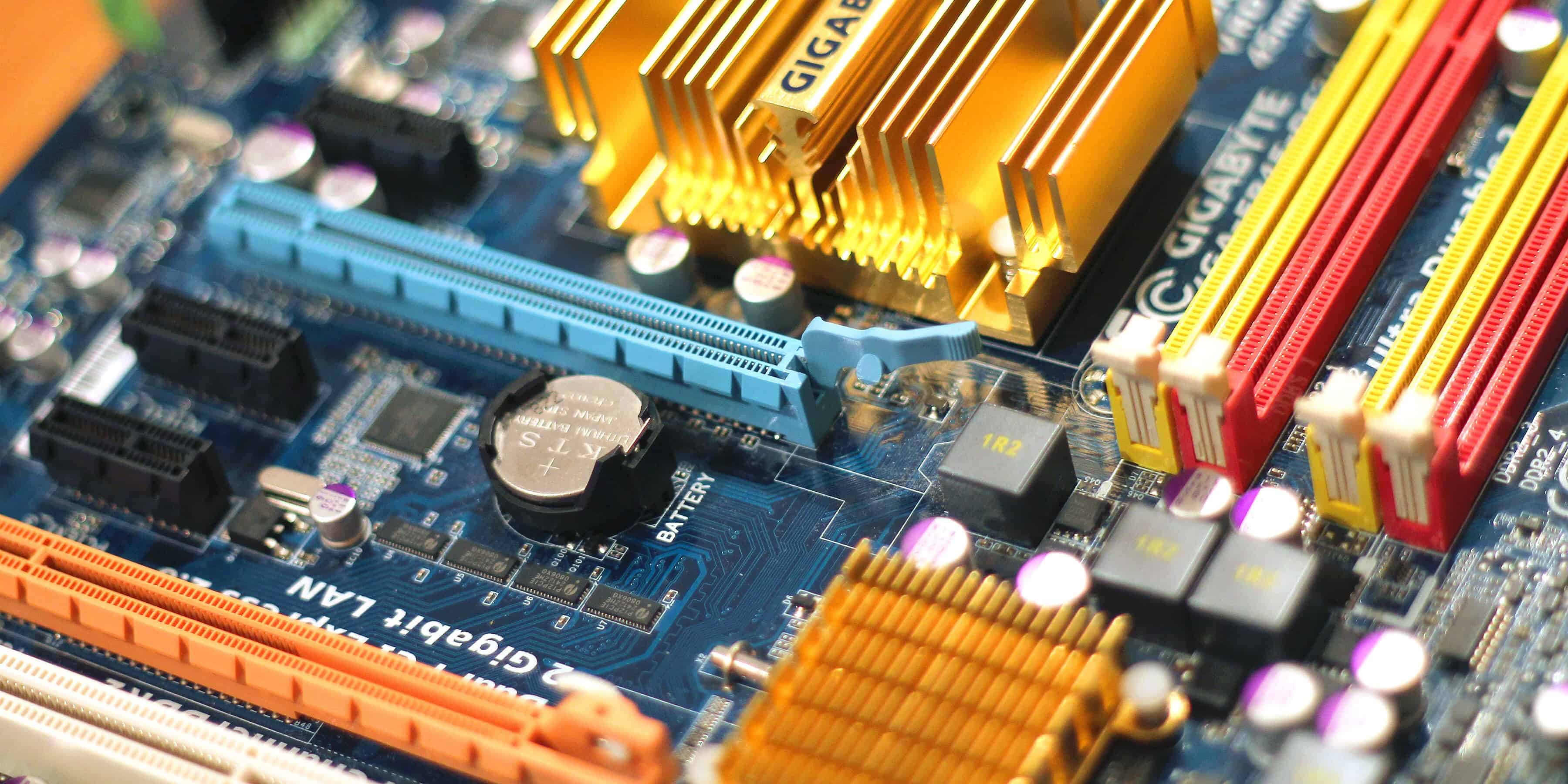
If there are Chinese spy chips concealed on Apple data servers, the NSA can't find them. Photo: JÉSHOOTS/Pexels
The tech world has been rocked by allegations that companies, including Apple and Amazon, were sold data servers compromised by Chinese spies. However, a senior cyber security advisor to the National Security Agency says that no one he knows of has found any sign of this.
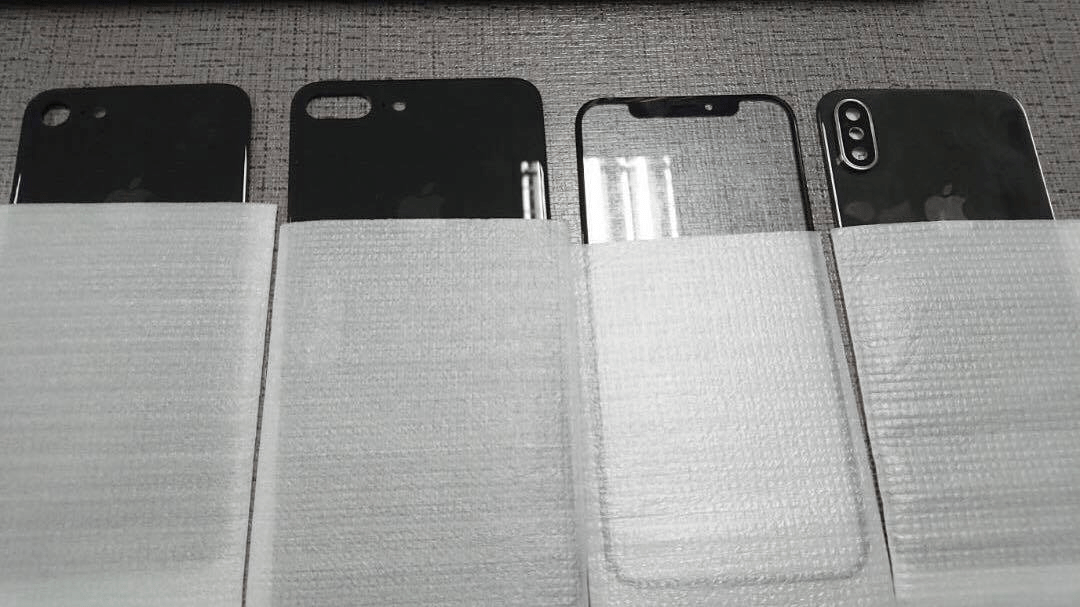
Apple's on a mission to keep iPhone 8 parts like these from leaking. Photo: Reddit
Tim Cook’s mission to double down on secrecy at Apple is producing results that even Steve Jobs would be envious of, based on a new report that details the extreme lengths Apple has gone through to stop leaks.
Ironically, a recording of Apple’s security team discussing leaks has been leaked online, giving all-new details on how Apple prevents employees and factory workers from leaking information and parts to the public.
Wikileaks' "Vault 7" data dump allegedly reveals CIA hacking tools used to compromise iPhones, Android phones and other devices. Image: Gordon Johnson/Pixabay
The Central Intelligence Agency has been using malware to spy on iPhone and Android users, according to the largest-ever publication of confidential documents from WikiLeaks — and the spy tools are now in the hands of others.
As part of a covert hacking program, the CIA created a “malware arsenal” and dozens of “zero day exploits” to infiltrate smartphones, tablets and even smart TVs to extract data and turn them into covert microphones.
But the agency recently lost controls of these tools. Those who have obtained them now have “the entire hacking capacity of the CIA” at their disposal, according to WikiLeaks.
You might want to put tape over your webcam. Photo: Ste Smith/Cult of Mac
Security researchers discovered a new way to hack the Mac’s built-in webcam this week, and the method is undetectable by users.
Apple built a green LED light into every Mac with firmware-level protection that turns on anytime the sensor is tripped by unauthorized access. The security feature has become increasingly difficult for hackers to beat, but former NSA staffer Patrick Wardle found a way to piggyback on outgoing feeds and record them.
The first Snowden trailer reveals how he leaked the NSA's secrets. Photo: Open Road Films
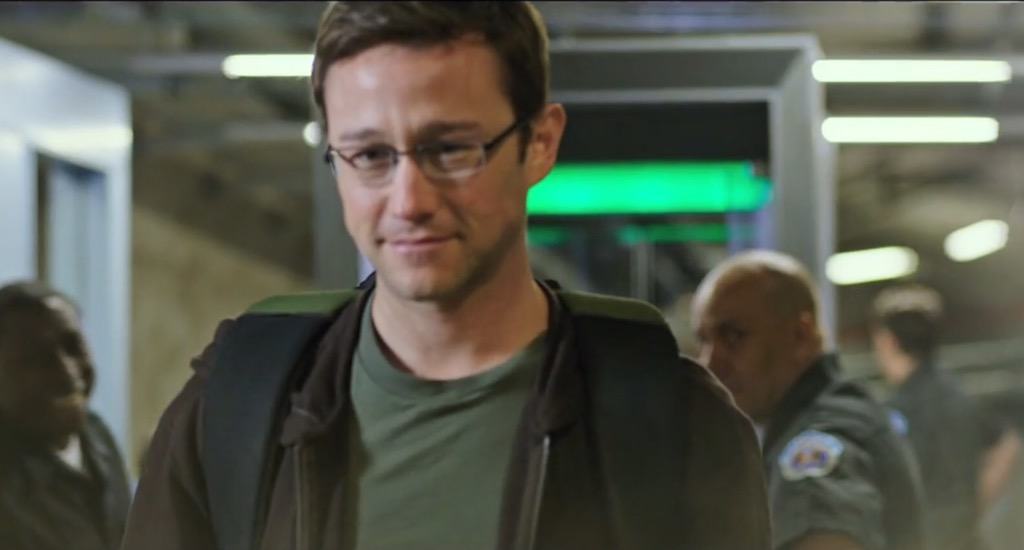
Joseph Gordon-Levitt busts out his best nerd voice in the first trailer for Oliver Stone’s new film, Snowden.
The film is based on the true story of how Edward Snowden went from enlisting in army reserve, to exposing the illegal surveillance activities conducted by the NSA and thus becoming the most wanted man in the world.
The deadline for Zerodium’s iOS 9 bug bounty officially ended last month, and the company announced today that one team managed to claim the million-dollar prize by providing an improbable hack that allows attackers to remotely jailbreak the newest iPhone operating system.
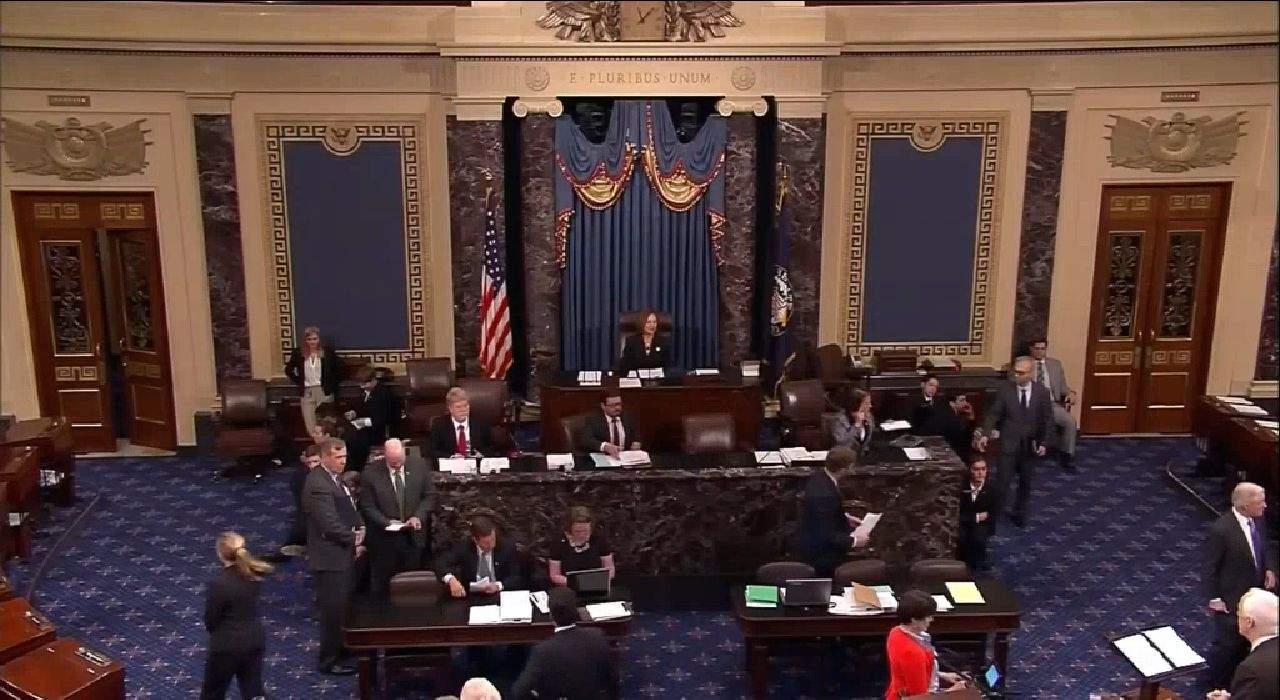
The U.S. Senate is hashing out the USA Freedom Act, which concerns government wiretapping. Screencap: Evan Killham/Cult of Mac
The U.S. Senate has taken one step closer to a final vote on changing the government’s controversial program to freely tap and monitor citizens’ phones.
Senators voted 83-14 to end debate on the “Uniting and Strengthening America by Fulfilling Rights and Ending Eavesdropping, Dragnet-collection and Online Monitoring” (USA Freedom) Act. The bill will extend lapsed provisions of the anti-terrorism Patriot Act and aims to add transparency to the NSA’s activities surrounding wiretapping and data collection.
A final vote could happen as early as this afternoon.
Apple has taken steps to avoid snooping. File photo: Cult of Mac
Apple has put its name to a letter which will be sent today, appealing to the White House to protect individual privacy rights in the face of suggestions that law enforcement should be able to access encrypted smartphone data via a backdoor.
“Strong encryption is the cornerstone of the modern information economy’s security,” argues the letter, which is signed by more than 140 tech companies, technologists, and civil society groups.
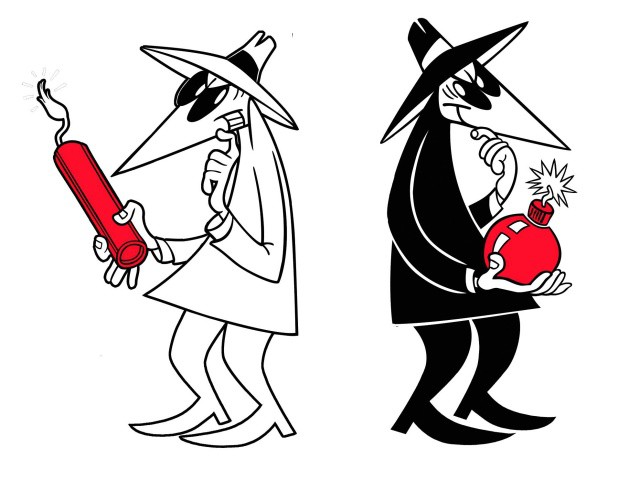
The CIA is gunning for Apple's security. Photo: Spy vs. Spy
The CIA has been been involved in a multi-year effort to crack iOS security, according to new information provided to The Intercept by whistleblower Edward Snowden. The attempts have been the focal point of multiple yearly CIA conferences called “The Jamboree.”
Among the possible solutions proposed include a means of “whacking” Xcode, the software used to create apps for iOS and Macs. Researchers claimed they had discovered a means by which Xcode could be manipulated to allow devices to be infected, so as to allow for the extraction of private data — thereby creating a “remote backdoor” that would disable core security features and allow undetected access to Apple devices.
The Freak bug went unnoticed for over a decade. Photo: Jim Merithew/Cult of Mac
A newly discovered security bug has secretly left Safari users on both iOS and OS X vulnerable to attacks on hundreds of thousands of websites for years.
The ‘FREAK’ security flaw was exposed today by a group of nine researchers who discovered web browsers could be forced to use an intentionally-weakened form of encryption. FREAK effects iPhones, Macs, and Android browsers, but Apple’s spokesman says the company will release a fix next week.
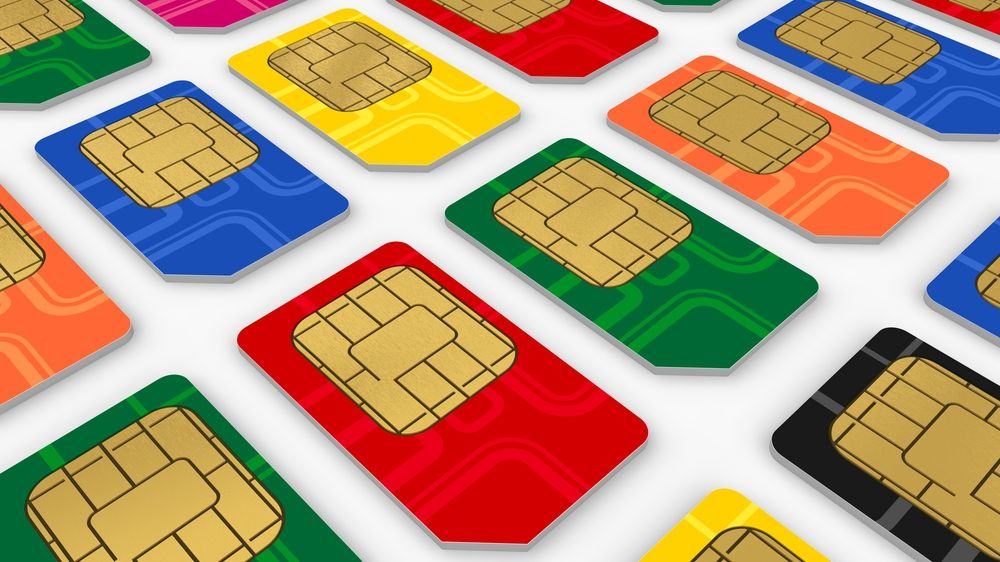
The NSA has just hacked 2 billion SIM cards around the globe, but Gemalto says it isn't that bad. Photo: Wikicommons
Late last week, we reported on the newest leak from Edward Snowden, indicating that the NSA had hacked the SIM cards of pretty much every smartphone on Earth. iPhones included.
It looked bad. The hack allowed the NSA to tap into your phone without a court order. But today, the Dutch company responsible for 2 billion SIM cards released a statement, saying that as far as they can tell, fears of a massive NSA invasion are overblown.
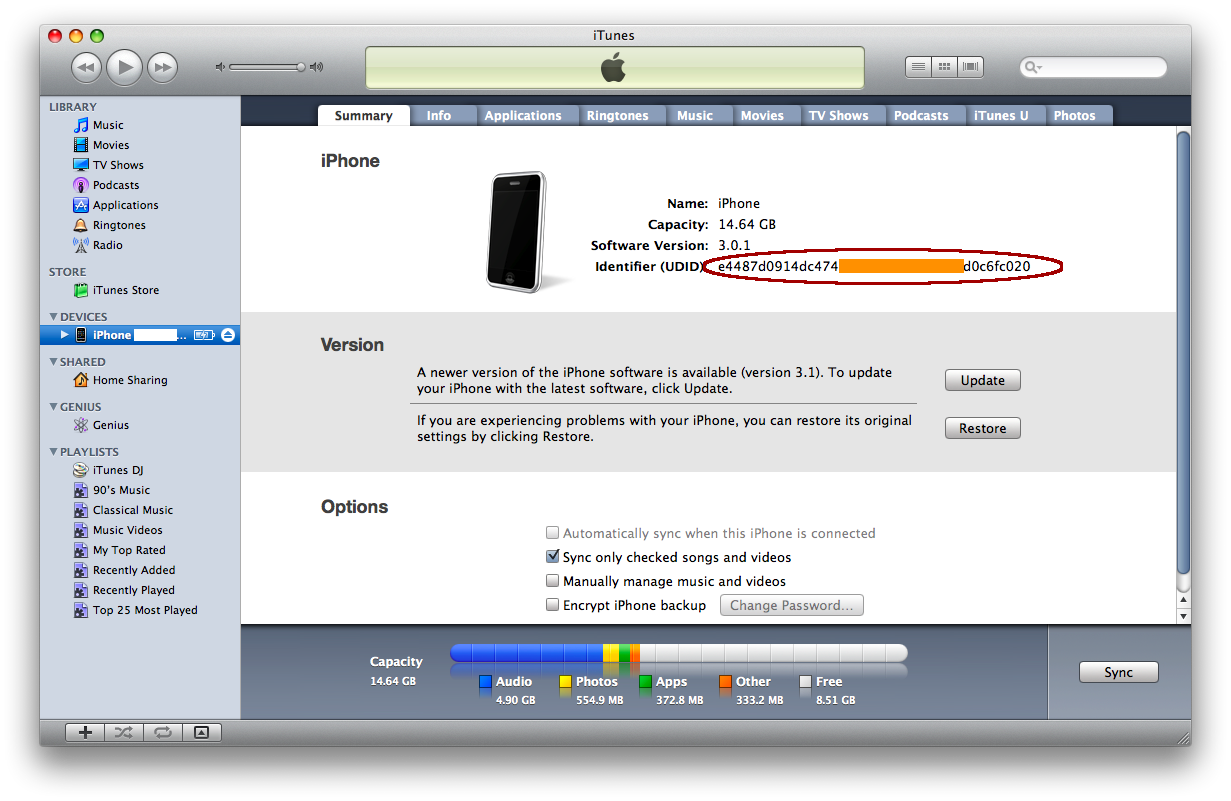
UDID identifiers could be used to link iPhones to their users. Photo: Cult of Mac
Apple has long been outspoken about the measures it goes to to keep your iPhone secure, but new documents leaked by whistleblower Edward Snowden demonstrate how the British spy agency GCHQ was able to carry out “realtime tracking of target iPhones” — by compromising users’ computers.
Rather than directly targeting the iPhones, GCHQ agents focused their attack on the computers with which the iPhones were synchronised, enabling them to access much of the data stored on the handset. The method took advantage of flaws in Apple’s UDID (unique device identifier) system, which issued a unique code for every iPhone, linking it with its owner.
The iPhone tracking report was handed over by Snowden to a group of nine journalists — including Laura Poitras, the filmmaker behind the acclaimed documentary Citizenfour.
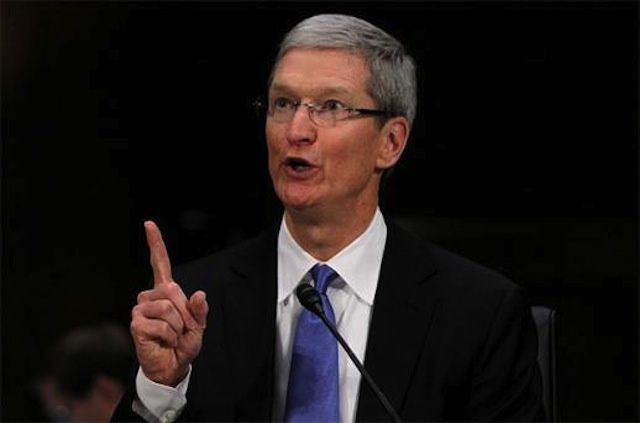
Congress has dropped the ball on surveillance reform, according to Tim Cook and a host of other top tech CEOs throughout the country.
In a full-page ad printed in today’s Washington Times, the tech companies tell the Senate it’s been a year since revelations on the NSA’s over reach were made known to citizens, but Congress has failed to pass a version of the USA Freedom Act that would restore the confidence of internet users.
Apple legend Bill Atkinson, left, and Andrew Stone talk Steve Jobs, drugs and the Internet at AltConf 2014 in San Francisco. Photo: Jim Merithew/Cult of Mac
SAN FRANCISCO — At Apple’s WWDC developer conference, there are talks about interface design, writing code and fixing bugs.
Across the street at indie spinoff AltConf, the talks are concerned with spying on users and making choices between good and evil.
“We have had a hand in creating one of the most dystopian and undesirable societies imaginable,” said Andrew Stone, a veteran programmer who once worked with Steve Jobs, during a talk entitled “What Have We Built Here?”
It’s not the kind of stuff you’d expect to hear at a developer’s conference, but in an age of widespread government spying and cynicism about corporate slogans like “Don’t be evil,” AltConf highlights that programmers are often presented with moral choices. There’s a growing awareness in the coding community that although the activity of programming is benign, what’s created can be used for evil. Take Maciej Cegłowski’s talk last month in Germany, which has been widely discussed on the Web. Cegłowski argues — convincingly — that the utopian ideals of the early internet have been thoroughly corrupted, and the entire industry is “rotten.”
This time on The CultCast: No, those rumored new EarPods won’t measure your pulse. Last week’s biggest Apple rumor was a fake made up by a guy on a toilet! Plus, why you shouldn’t expect new hardware at June’s WWDC; iPhone warns you when the NSA wants you for drug trafficking; Apple’s newest executive gets a HUGE payday; Katie Cotton, Apple’s long time PR lead and Steve Jobs confidant, calls it quits; Cupertino will take on Samsung with more Guerrilla-style marketing; and since you asked, we reveal the jobs we’ve always wanted on an all-new Get To Know Your Cultist.
Have a few LOLs while we catch you up on each week’s best Apple stories! Stream or download new and past episodes of The CultCast now on your Mac or iDevice by subscribing on iTunes, or hit play below and let the audio adventure begin!
Our thanks to Smile Software for supporting this episode! If you haven’t tried TextExpander from Smile software, you’re missing out on one of the most useful apps available for the Mac. With TextExpander, you’ll save time and effort by expanding short abbreviations into frequently-used text and pictures. Try it out yourself for free at smilesoftware.com/cultcast.
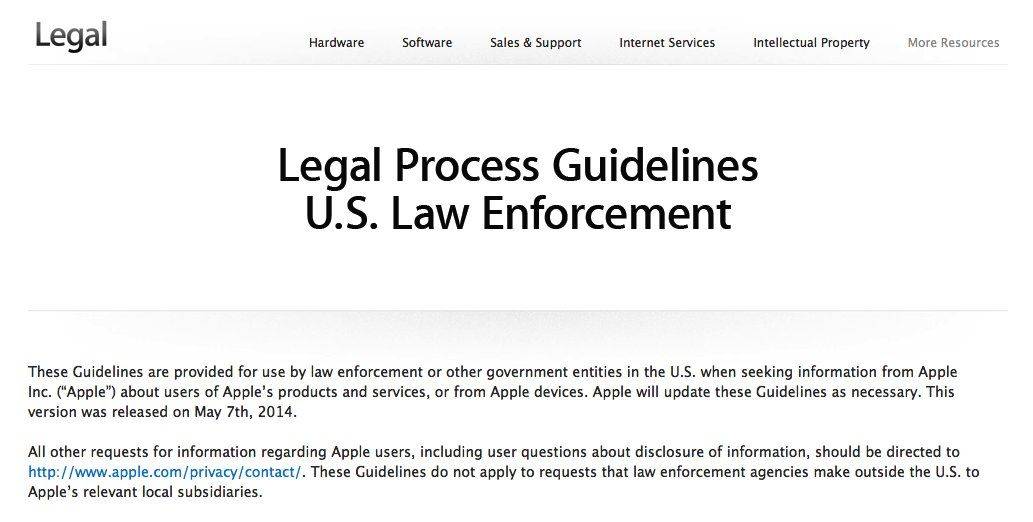
Ever since the Edward Snowden revelations, the question of how companies like Apple respond to law enforcement and government requests for user information has taken on a new level of importance.
In a new document added to its website, called Legal Process Guidelines U.S. Law Enforcement, Apple provides an overview of how it deals with such requests in North America.
iOS 8 is Apple's most privacy-conscious mobile OS yet.
The data-hungry tentacles of the NSA have managed to choke America’s top tech firms into silent submission on data requests, but after months of demanding more transparency, Apple is ready to defy authorities and let you know when the NSA wants your data.
Prosecutors warn that such a move will undermine investigations by tipping off criminals and allowing them to destroy sensitive data, but according to the Washington Post, Apple and others have already changed their policies.
While accusations about NSA backdoors to Apple devices have been doing the rounds for a while now, yesterday’s revelations about spying agencies using so-called “leaky apps” to capture user data has reignited the debate. Below is a Q&A covering everything we’ve learned so far:
Q) What is a leaky app?
A) An app that transmits private user information across the Internet. While apps have come under fire for collecting private user information before, the current outcry follows revelations leaked by Edward Snowden, suggesting that leaky apps have been the focus of spying organizations such as the NSA and its UK counterpart, GCHQ (Government Communications HQ). The NSA has cumulatively spent more than $1 billion in its phone targeting efforts. A 2010 NSA presentation cites poor secured apps as a “golden nugget” for gathering user information — including, but not limited to, address books and friend lists.
Today the U.S. Department of Justice gave permission to companies like Apple, Google, and Microsoft to share previously classified details regarding requests for customer data from the government.
Tim Cook recently said in an interview that Apple has a gag order preventing it from disclosing what exact information it has given over to the NSA. Now Apple and other companies that have fought for greater transparency from the government can share more about what they’ve had to share. Apple has posted a revised list of the information requests it received between January and June of 2013.
Having your phone calls listened to and your text messages read remotely is a genuine concern for many smartphone owners now that we’ve gotten an insight into the activities of the NSA spies. We’ve quickly learned that our seemingly secure devices are like an open book for those who have the knowledge and the power to get into them.
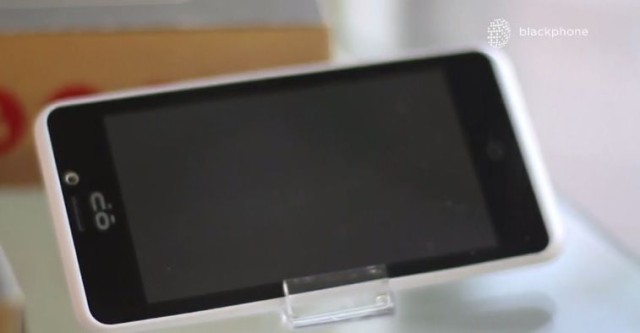
But the Blackphone, an Android-powered smartphone from Silent Circle and Geeksphone, is designed to ensure that your private data remains private, and cannot be obtained by even the snoopiest of snoopers.
Apple denies working with the National Security Agency to create a backdoor into the iPhone and other products that would give the spy agency access to users’ data.
The denial is a response to leaked NSA documents published yesterday from 2008 that detail a backdoor into the iPhone called “DROPOUTJEEP.” The spyware is able to intercept data like the iPhone’s SMS messages, contacts, location, and more after being installed.
The U.S. National Security Agency has spyware designed to grant backdoor access to the iPhone specifically, according to leaked documents shared by high-profile security researcher Jacob Appelbaum and German publication Der Spiegel.
While speaking at the Chaos Communication Congress in Germany, Appelbaum shared his knowledge of “DROPOUTJEEP,” a top-secret NSA program that can intercept an iPhone’s SMS messages, contacts, location, camera, and microphone.
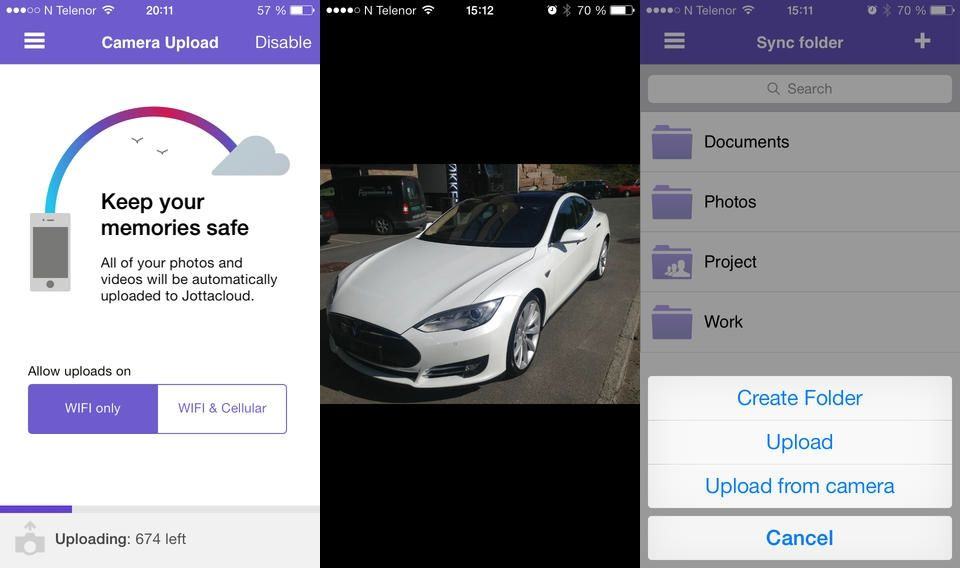
Jottacloud, the “Norwegian Dropbox,” has added automatic photo uploads to its iOS apps. This means that you can not only access your desktop files on the go, but you can also backup and browse your mobile photos, too. Better still, it backs up all you pictures, not just your Camera Roll.