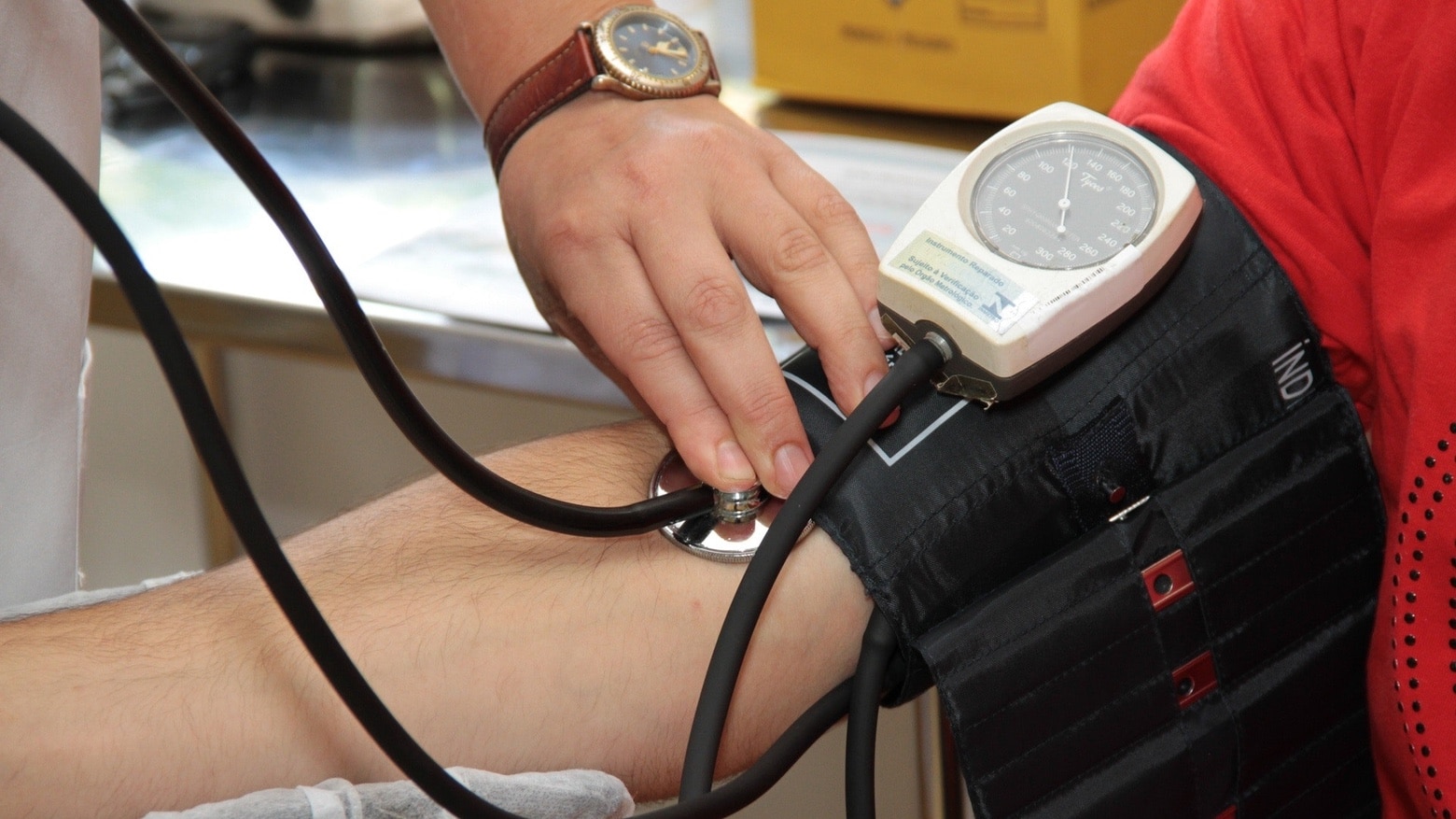
Will Apple devices ever replace traditional blood pressure testing? Photo: Pexels
Researchers built a smartphone app that can check blood pressure by simply recording a short video of someone’s face, then analyzing the blood flow under the skin.
High blood pressure can lead to heart attack or stroke so making an easy at-home test for it could save huge numbers of lives.
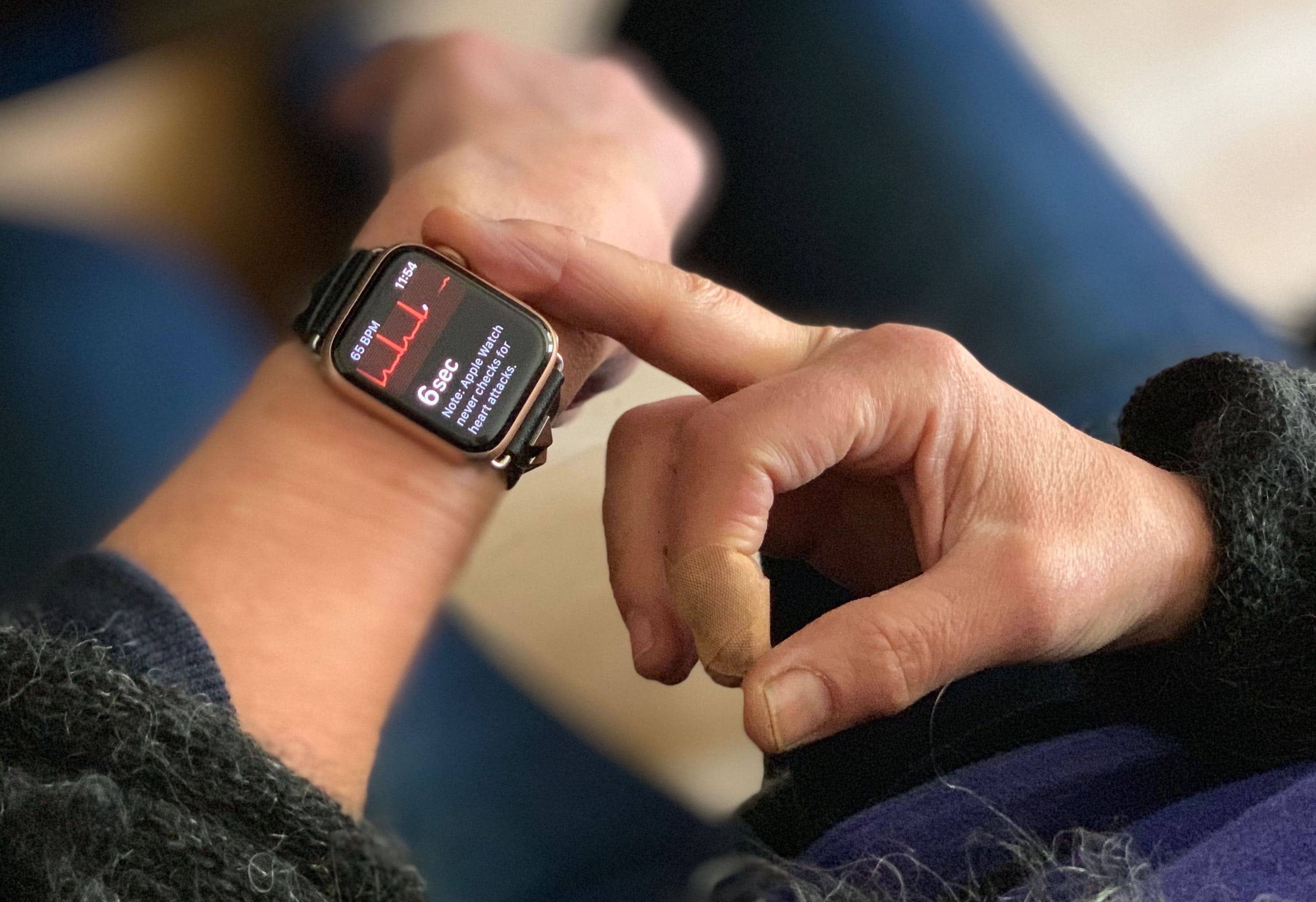
Apple Watch’s ECG is incredible. Photo: Lewis Wallace/Cult of Mac
Apple Watch has proven to be a lifesavermanytimesover for its owners but now it’s also being used to help save people that don’t even own one.
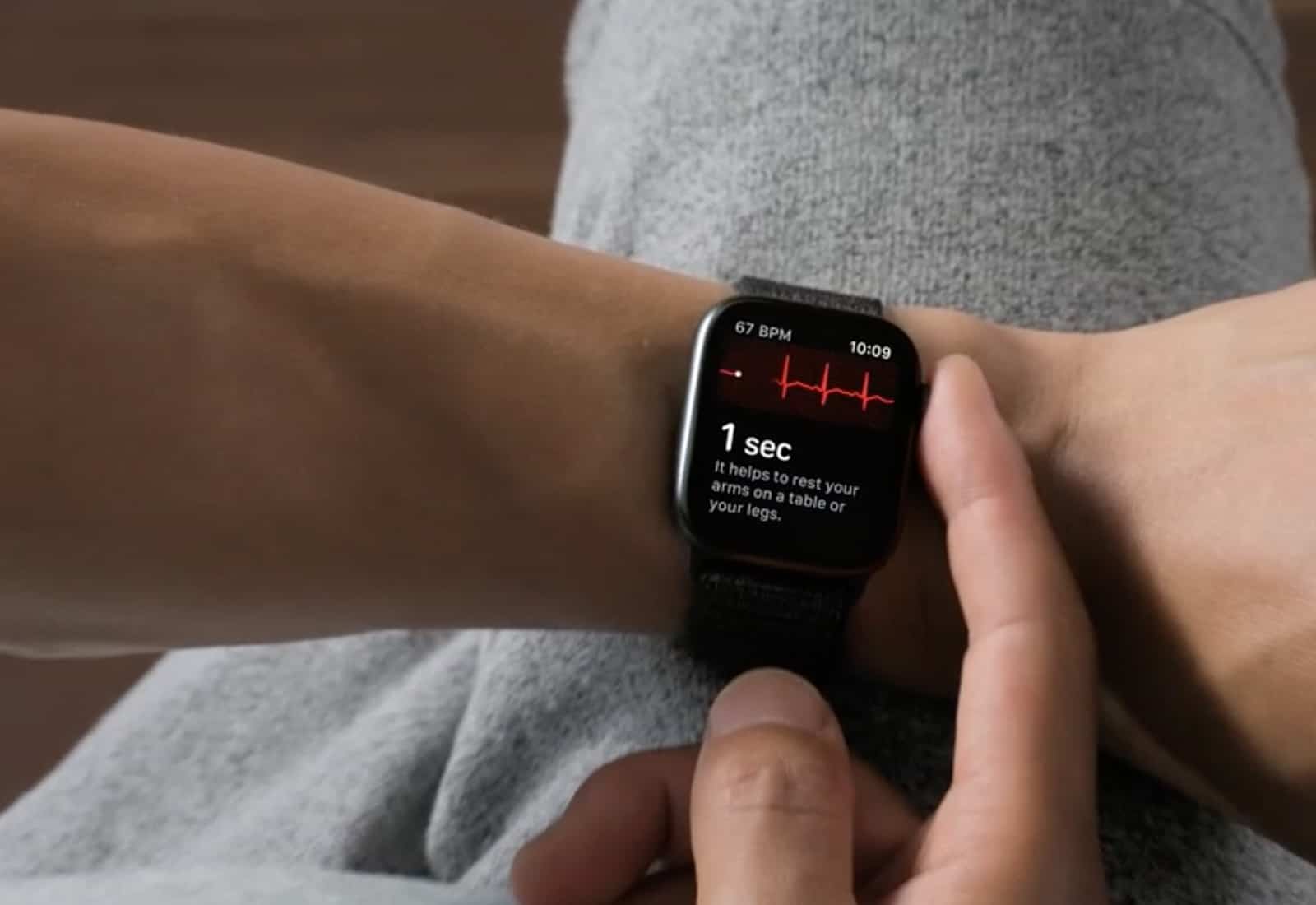
A physician in San Diego recently shared how he used the ECG on his Apple Watch Series 4 to detect atrial fibrillation in someone while chilling at a restaurant. And it probably saved the person’s life.
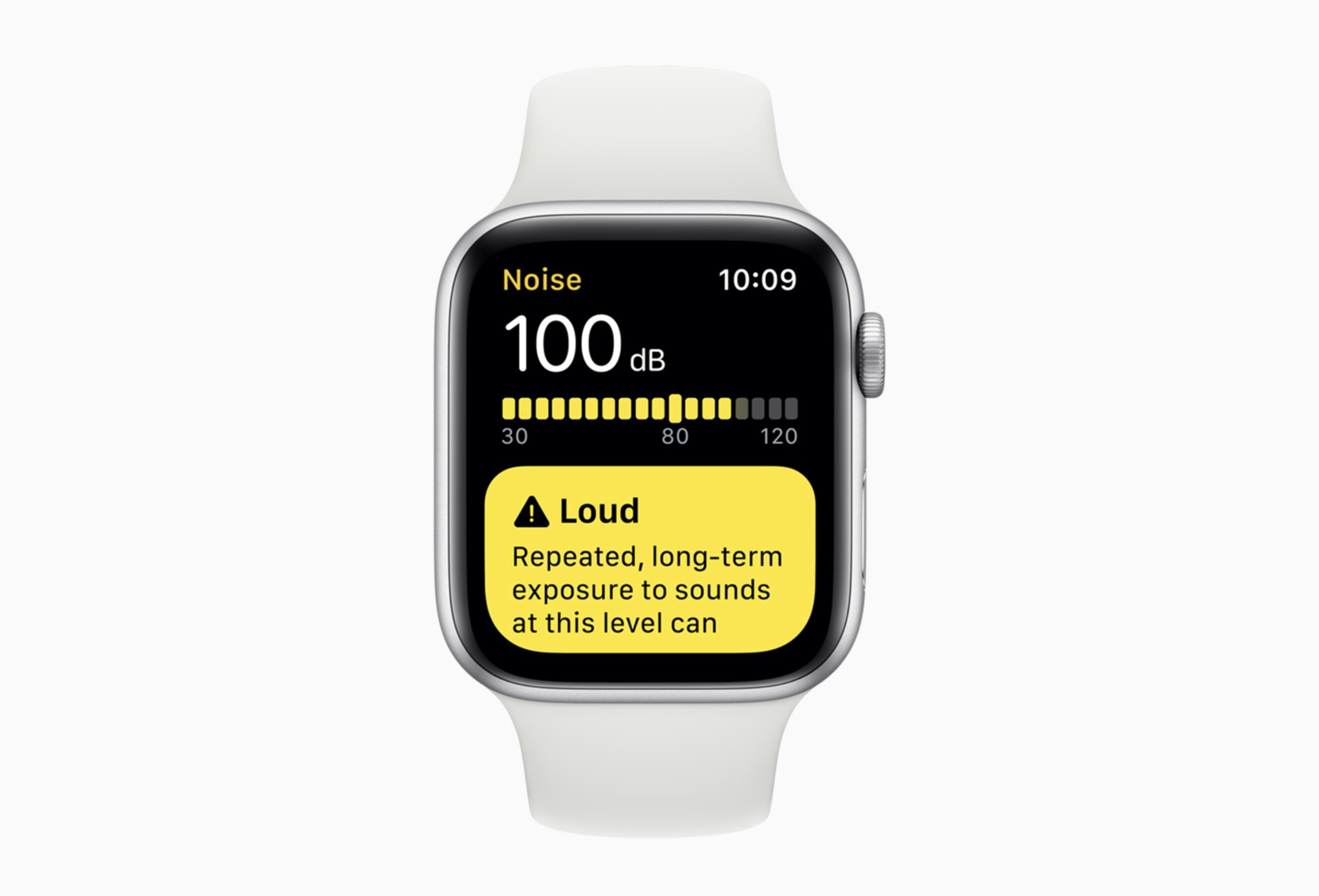
The new Noise app helps you maintain healthy hearing. Photo: Apple
One of the new health features baked into watchOS 6 is a Noise app that will tell you when the environment around you is too loud. But just how accurately can a wearable device with a tiny microphone measure noise?
You’ll be surprised. A comparison with an actual decibel meter proves Apple Watch does an unbelievably good job.
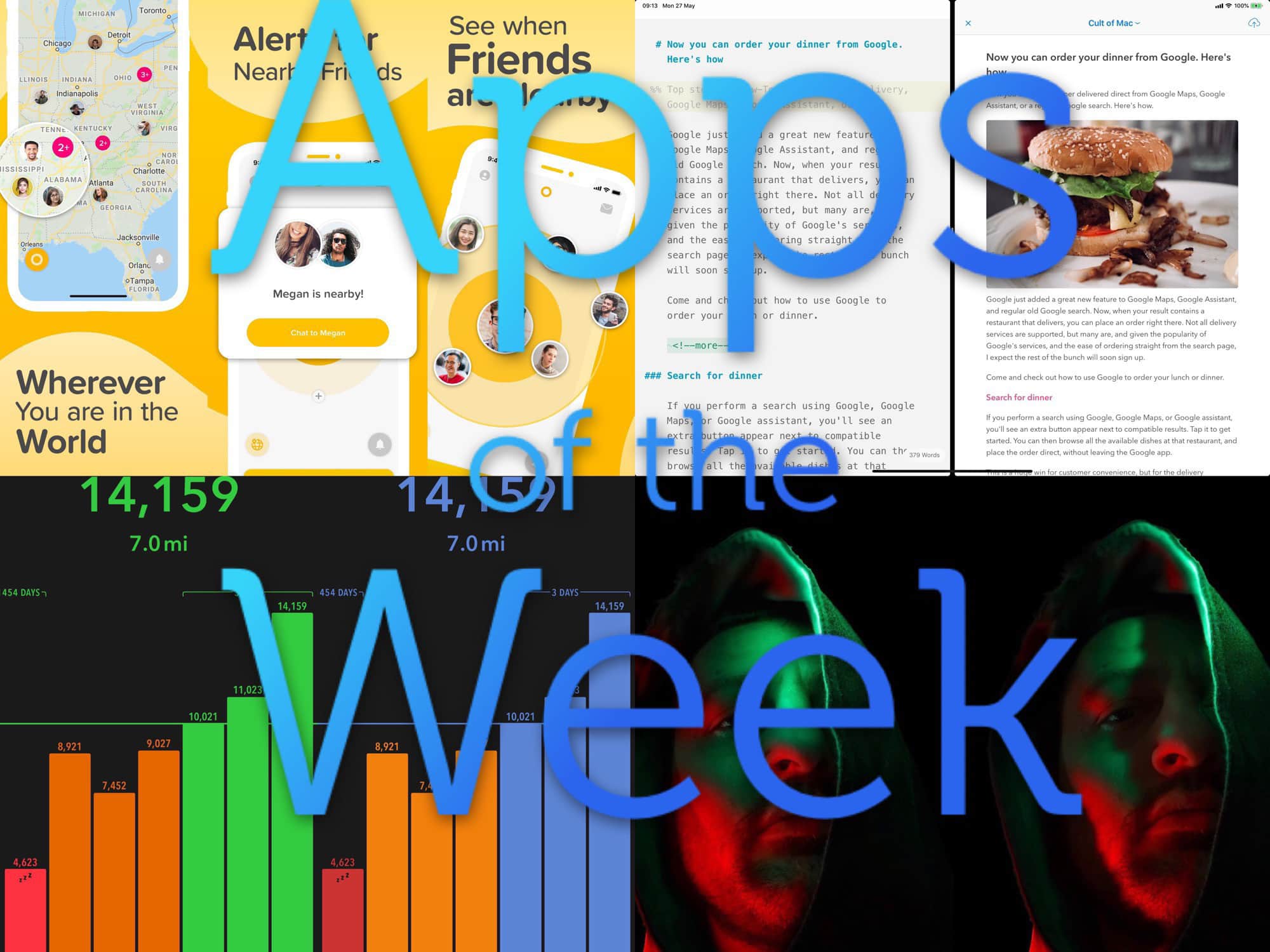
Wait 'til you see the apps we have for you this week! Photo: Cult of Mac
This week we find nearby friends with Yoke, count our steps with Pedometer++, add lights and shadows to our photos with Apollo, and enjoy Ulysses’ superior split view on the iPad.
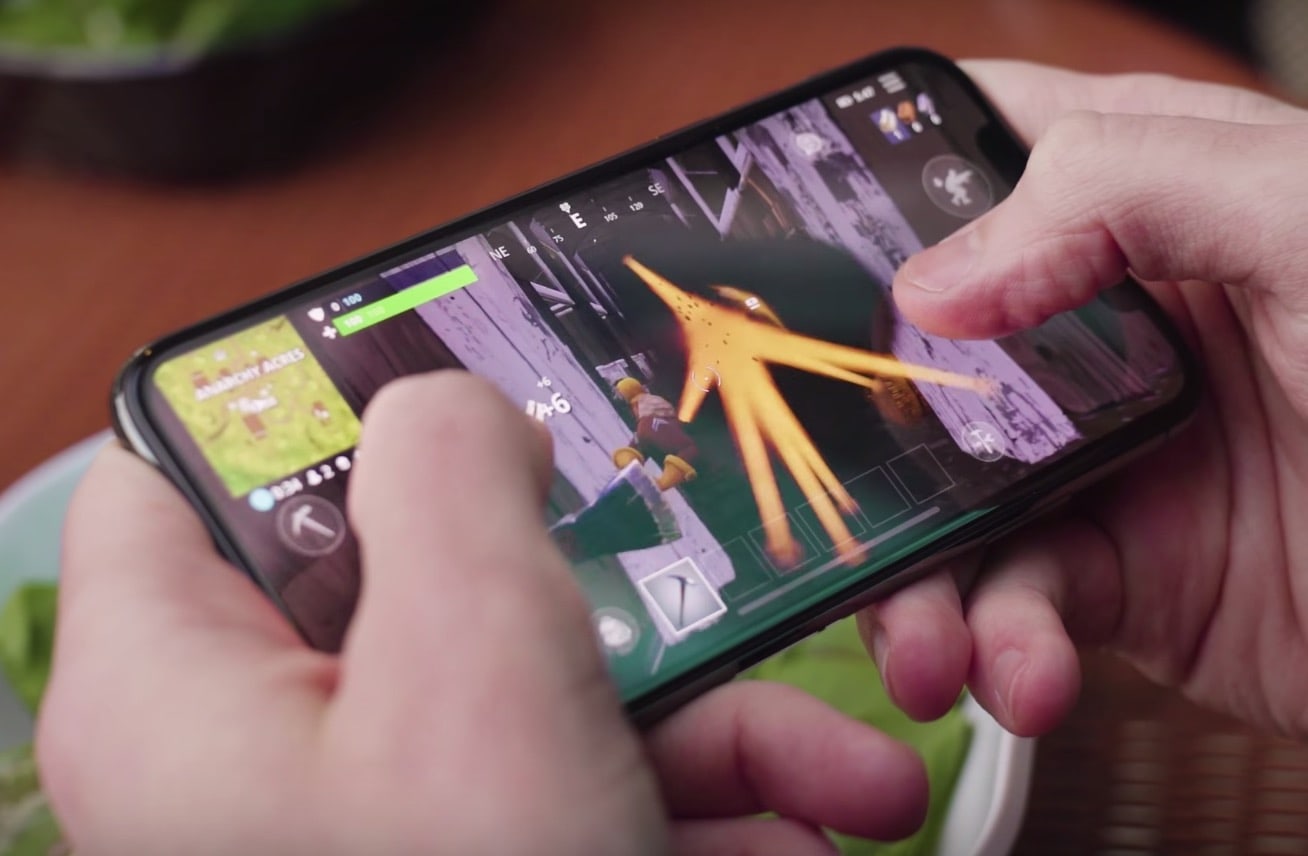
Epic Games has confirmed some of the changes and improvements it has planned for Fortnite following the launch of season nine.
Battle Royale players will soon see tweaks to the in-game health and shield bars that make them easier to read at a glance. It’s also going to become a lot easier to reverse accidental purchases.
I wanted a Galaxy S10, but I'm stuck with iPhone. Photo: Leander Kahney/Cult of Mac
It’s not easy to give up your iPhone. Even if you’ve already decided you want to switch to another handset, it’s going to be incredibly difficult to let go. Apple has you locked in. And for some iPhone owners, there is no way out.
That’s because it’s not just your iPhone that you’d be saying goodbye to. Many other apps and services you use every day — some without even thinking about it — make switching to another platform nearly impossible.
Here are all the ways Apple makes it hard to jump ship and switch to Android.
Apple’s CEO says people know their iPhone can be trusted to securely hold their health records. Photo: Apple
Apple’s CEO is optimistic about his company’s plan to have the iPhone store all our health records, even though it got a black eye recently: turns out some third-party iOS apps leaked health-related data to Facebook.
But Tim Cook says that people trust Apple because the company has a deep commitment to user privacy, and people know that.
Select Apple Stores around the United States are hosting new health events throughout February to celebrate American Heart Month.
The first took place at Apple Union Square in San Francisco on Monday and featured Apple vice president Dr. Sumbul Desai, fitness trainer Jeanette Jenkins, and president of the American Heart Association, Robert Harrington.
It’s a first for the U.S. Department of Veterans Affairs. Photo: Apple
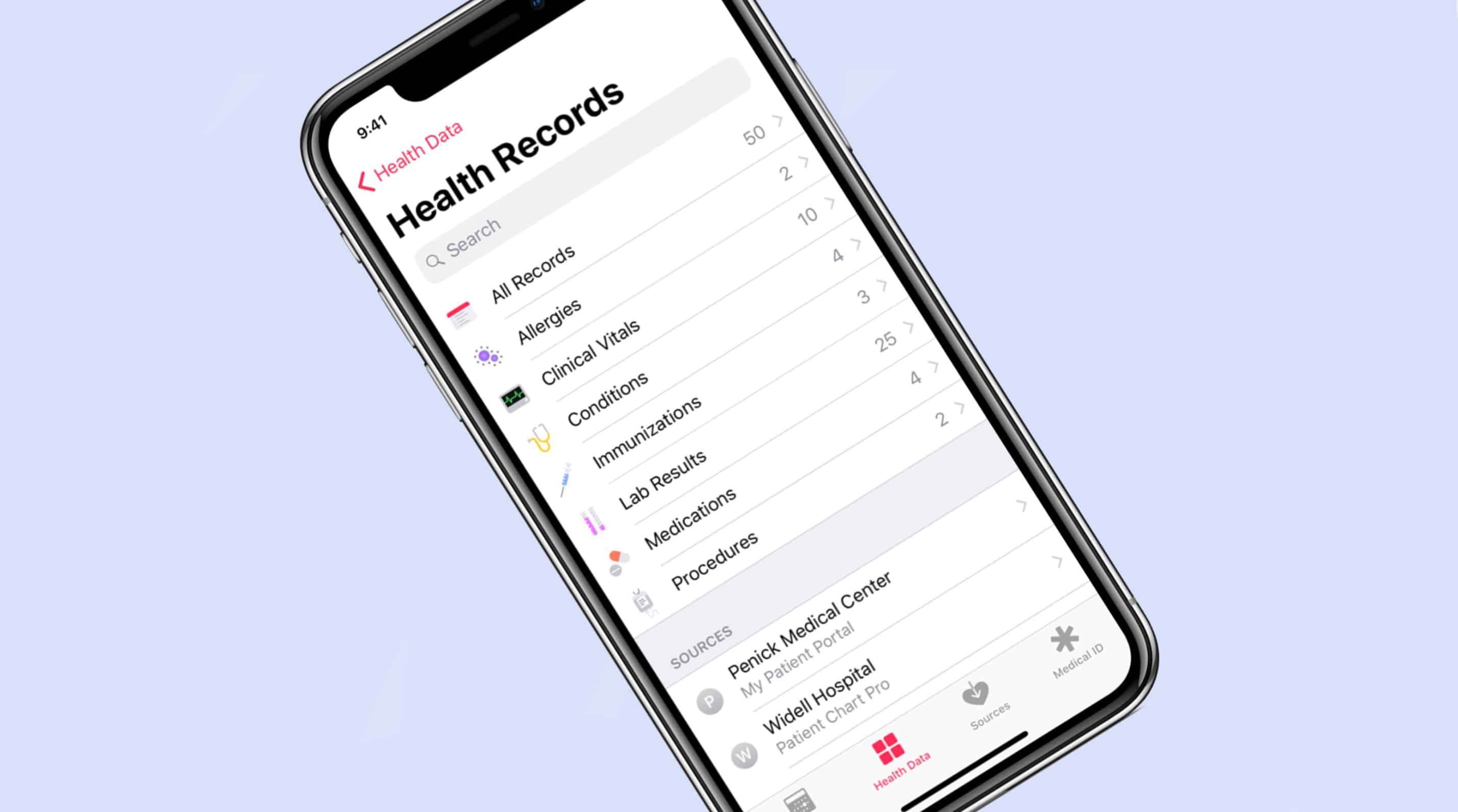
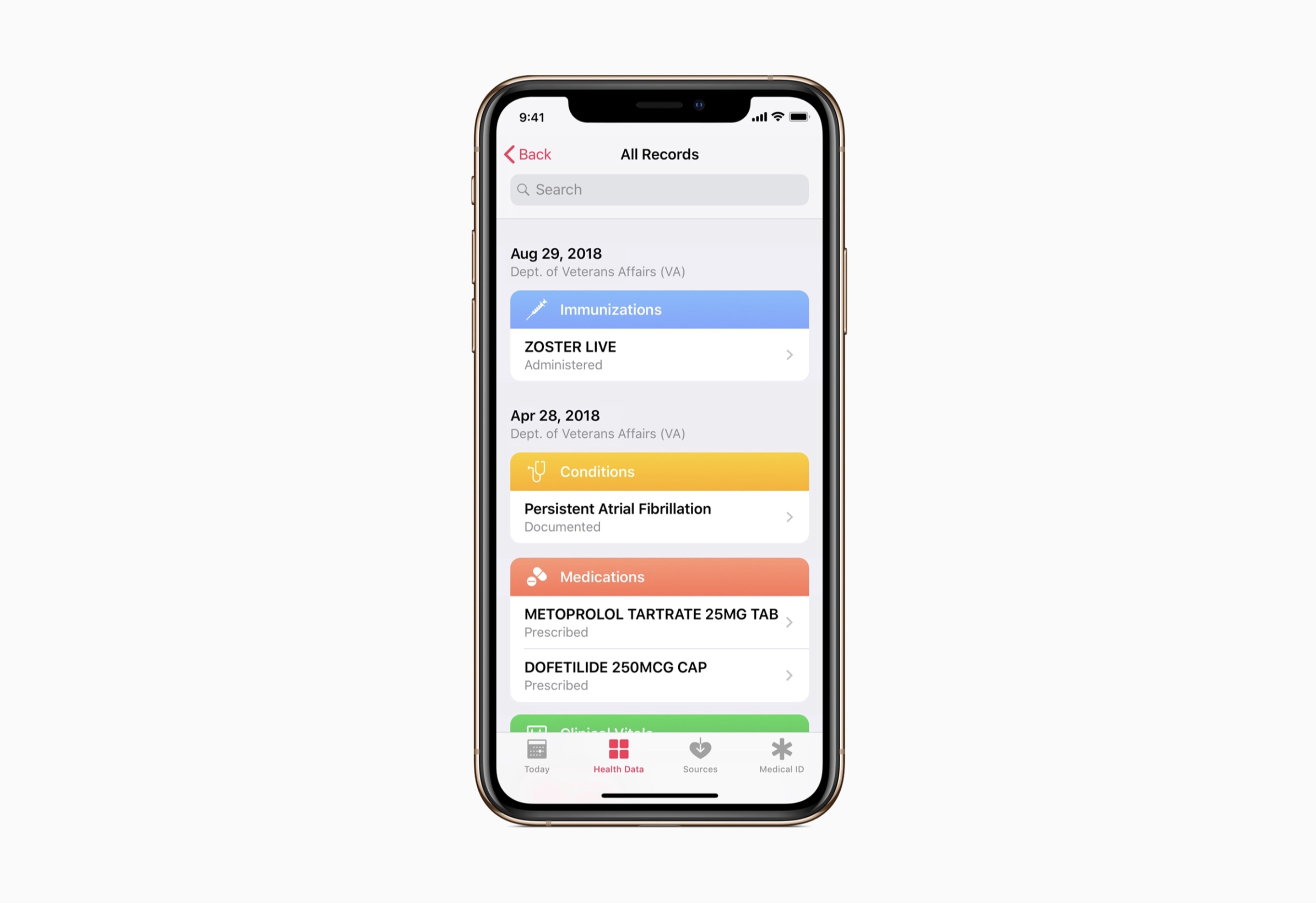
Apple today confirmed that the Health Records feature on iPhone will soon be available to veterans.
The company is working with the U.S. Department of Veterans Affairs (VA) to ensure that, for the first time, U.S. veterans receiving care through the Veterans Health Administration will have access to their health records directly on their iPhone.
Former Apple CEO John Sculley agrees with Tim Cook that healthcare is a great area for Apple to move into. It may even, he suggests, “be the great legacy that [Cook is] talking about.”
Tim Cook recently made the comments about health in an interview with CNBC Mad Money host Jim Cramer. He said that health services may wind up being, “Apple’s greatest contribution to mankind.”
Award-winning smart mug will now tell iOS users how much coffee they’re drinking. Photo: Ember
It’s not every day that a coffee mug becomes one of TIME magazine’s inventions of the year. But that’s exactly what happened with the Ember smart mug, a drink receptacle which uses high tech thermal technology to maintain coffee or tea at its users’ perfect drinking temperature.
Now the mug (and its travel mug variant) has received a new update for iOS-loving coffee drinkers — allowing Apple’s Health app to estimate and make sense of your caffeine intake. That’s without you having to manually enter a whole lot of information manually.
Bedtime tells you when to go to sleep, and when to wake up again. Photo: Charlie Sorrel/Cult of Mac
If you’re still using your iPhone’s alarm clock to wake you up in the mornings, you’re about to be amazed at how awesome waking up can become. Right there inside the Clock app is a Bedtime tab, which will make using olde-timey iPhone alarms seem like carrying a wind-up travel alarm clock with you on a business trip.
Not only does Bedtime wake you up with soothing sounds, it also tracks your sleep. It even reminds you when it’s time for bed! Let’s check out what it does and how to use it.
Tech wants to disrupt the healthcare profession. Photo: Jim Merithew/Cult of Mac
A number of tech companies are excited about the possibility of revolutionizing healthcare. However, a long-time Apple veteran believes that the “fast fail” approach employed by many Silicon Valley startups is fundamentally at odds with the requirements of digital health.
Interestingly, while her critiques certainly apply to a number of companies, they don’t totally apply to Apple. That certainly bodes well for the company’s health ambitions going forward.
Apple's got a gutsy move to make Apple Watch a better health machine. Photo: Graham Bower/Cult of MAc
Custom health chips could be the next big piece of silicon to come out of Apple’s labs.
Apple reportedly has a team of engineers exploring the creation of a customized processor is optimized to make sense of health information from sensors at a faster rate than the S series processors found in the Apple Watch.
Anil Sethi is still listed on LinkedIn as working for Apple. However, according to a new report, Sethi left the company last year to care for his sister, who subsequently passed away as a result of breast cancer. Instead of going back to Apple, Sethi has now started a new company, Citizen, which has since raised $3 million in venture funding.
iOS 12 lets you avoid the temptations of your beautiful screen. Photo: Charlie Sorrel/Cult of Mac
If you’re running the iOS 12 beta, you may have taken a peek at Screen Time, tried to work it out, then given up and gone elsewhere to try out some other of the update’s awesome new features. I know I did. But even in its currently-confusing state, Screen Time — Apple’s new feature for monitoring and limiting how you spend time on your iPhone and iPad — is pretty neat. Today we’ll avoid the tricky parts and take a look at setting limits for individual apps.
Lumen is a breath analyzer that tells if you're burning fat or carbs. Photo: Lumen
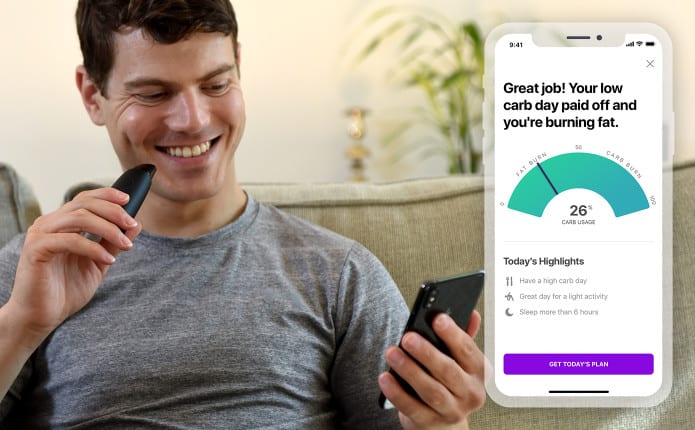
Figuring out the perfect weight-loss diet might soon become as easy as breathing into a tiny breath analyzer.
Lumen, a digital health and wellness company, revealed its debut product that connects a pocket-sized breathalyzer to your iPhone to see measure your metabolism. The app delivers personalized workouts and meal plans to help you drop pounds in a sustainable way.
Time for bed. iOS 12 lets you choose who can disturb you. Photo: Apple
Maybe the most important new feature of iOS 12 is something that helps you to do less with your iPhone, not more.
If any other company had introduced Screen Time, the new system-wide toolset for limiting phone distractions, then it would (rightly) be dismissed as a gimmick, a sop to the increasing worries about phone addiction. But as is typical of Apple, Screen Time looks like it took a lot of work to get just right.
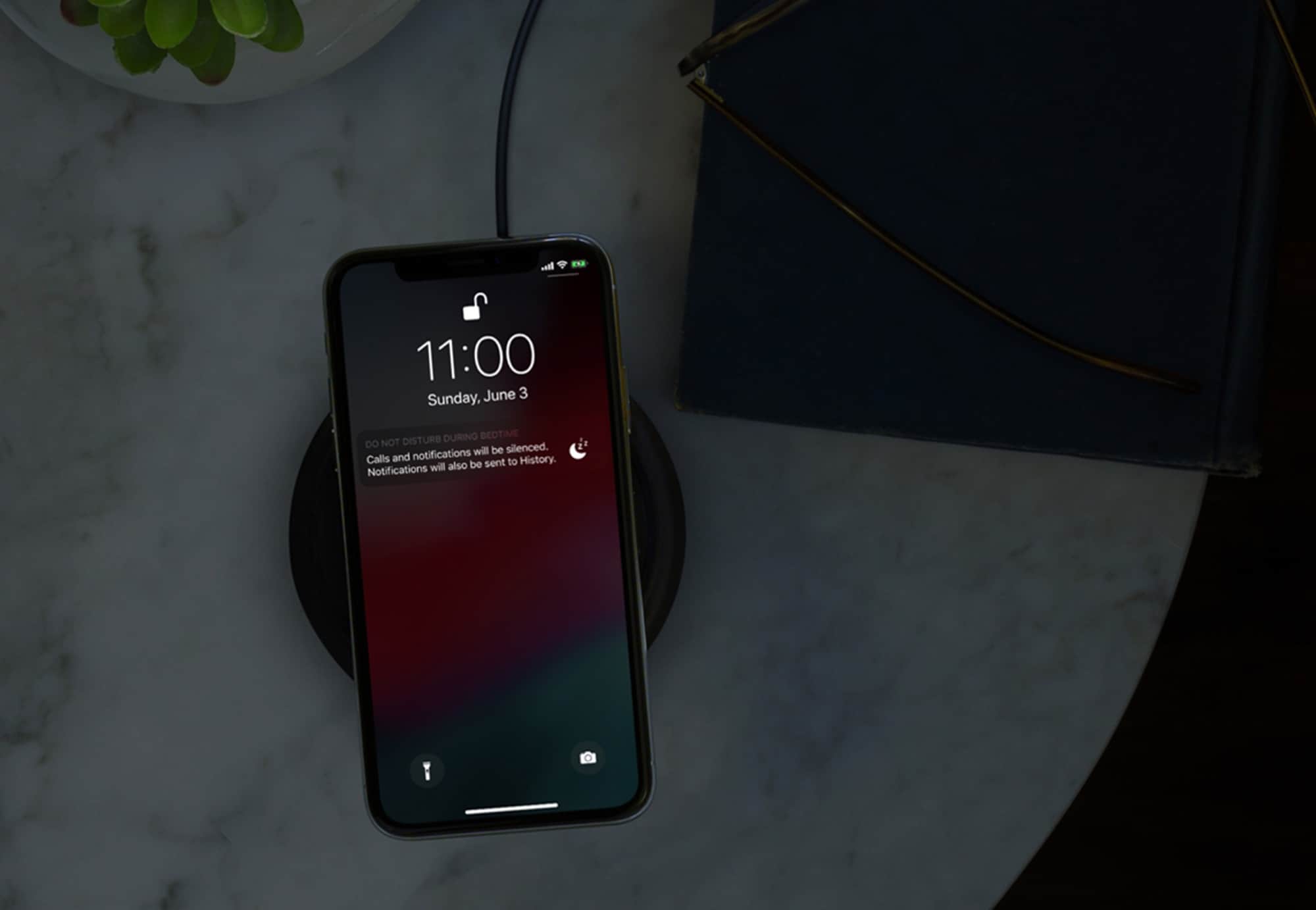
Screen Time may seem to be about combatting app addiction, and reducing the amount of time “wasted” on your iPhone. However, taken together with the new Do Not Disturb settings in iOS 12, it’s more about putting users back in control of their iPhones.
Not this kind of break. Photo: Charlie Sorrel/Cult of Mac
When you’re working on playing at your Mac, it’s too easy to just push through the current task, which — at the time — seems like the most important thing in the world. “It’ll only take five more minutes,” you tell yourself, as your carpal tunnels tighten, your back stiffens, and your upper arms atrophy.
What you need is a break. Just two minutes taken every half hour should do you. The problem is remembering. Luckily, there’s an app for that.
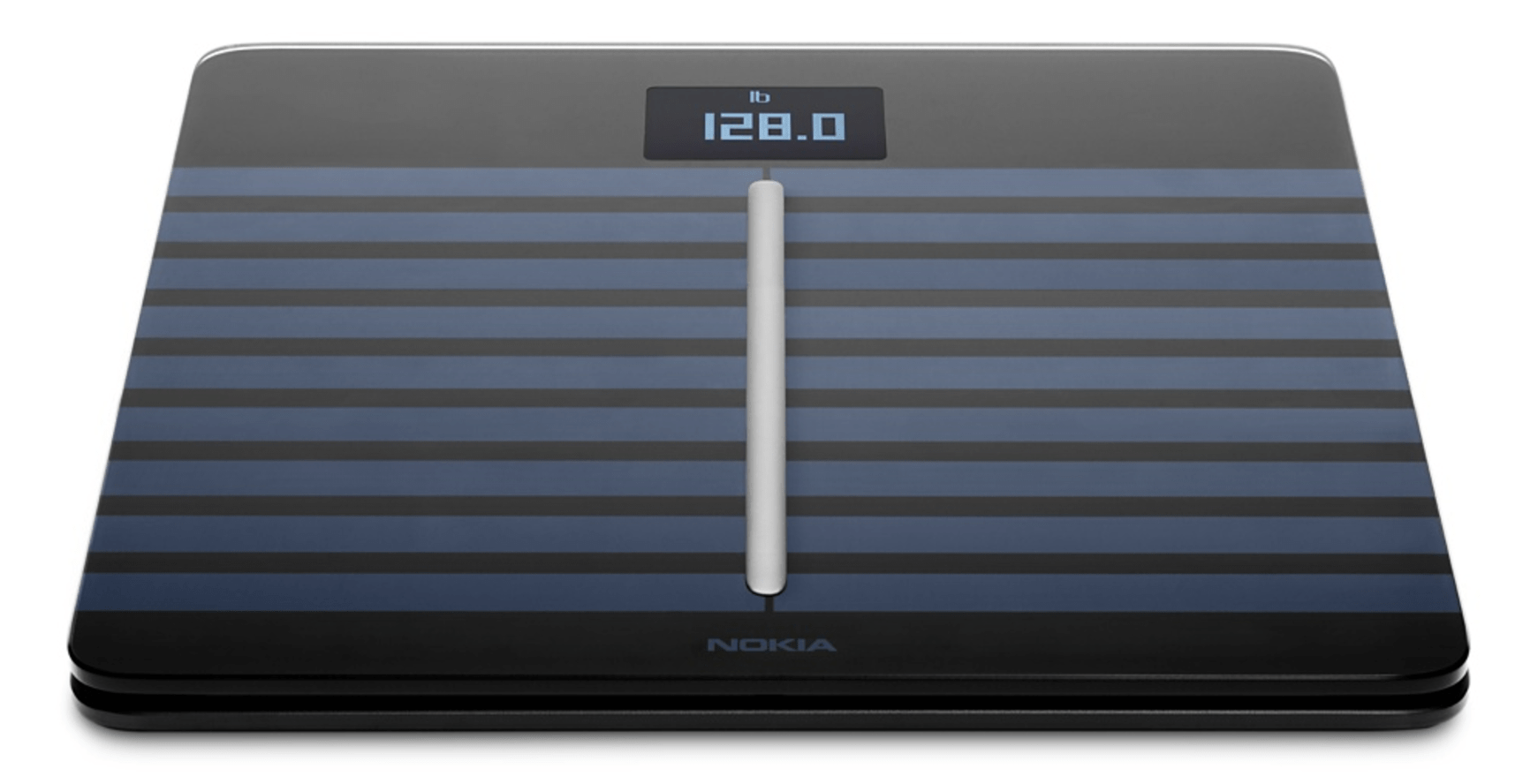
Nokia’s health devices could return to Withings. Photo: Nokia
Nokia is in talks to sell the digital health business it acquired from Withings in 2016.
The Finnish firm paid $191 million for the company as it looked to do battle with the likes of Apple Health; now it looks like it could be returned to its original owner, Withings co-founder Eric Carreel.
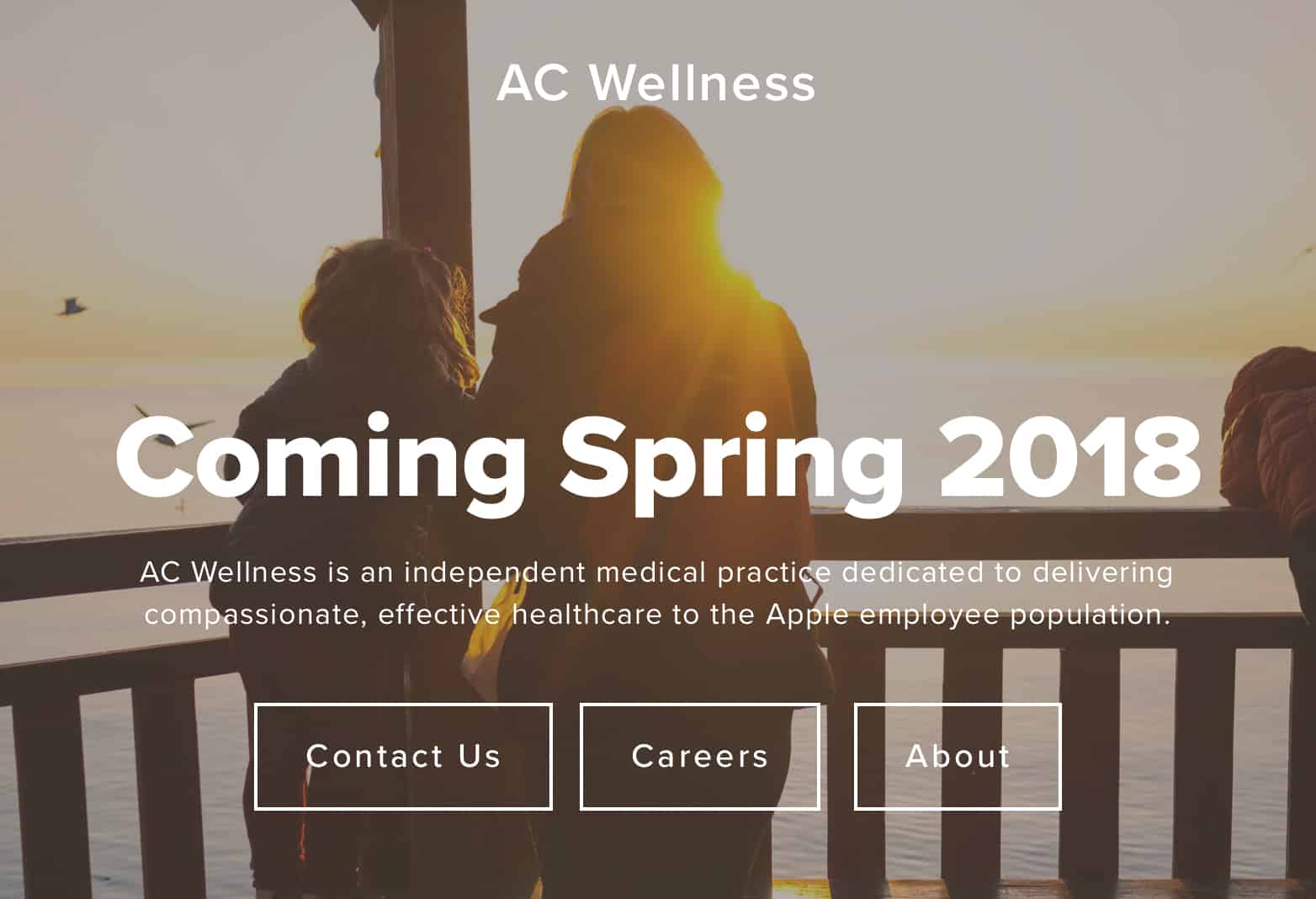
AC Wellness clinics will open in California this spring. Photo: AC Wellness
Apple plans to launch new wellness clinics that will offer employees and their families “the world’s best healthcare.”
AC Wellness will be independently operated, according to its official website — but job listings suggest it is a wholly Apple-owned subsidiary. One of its clinics will be situated inside Apple Park, the Cupertino company’s brand new headquarters.
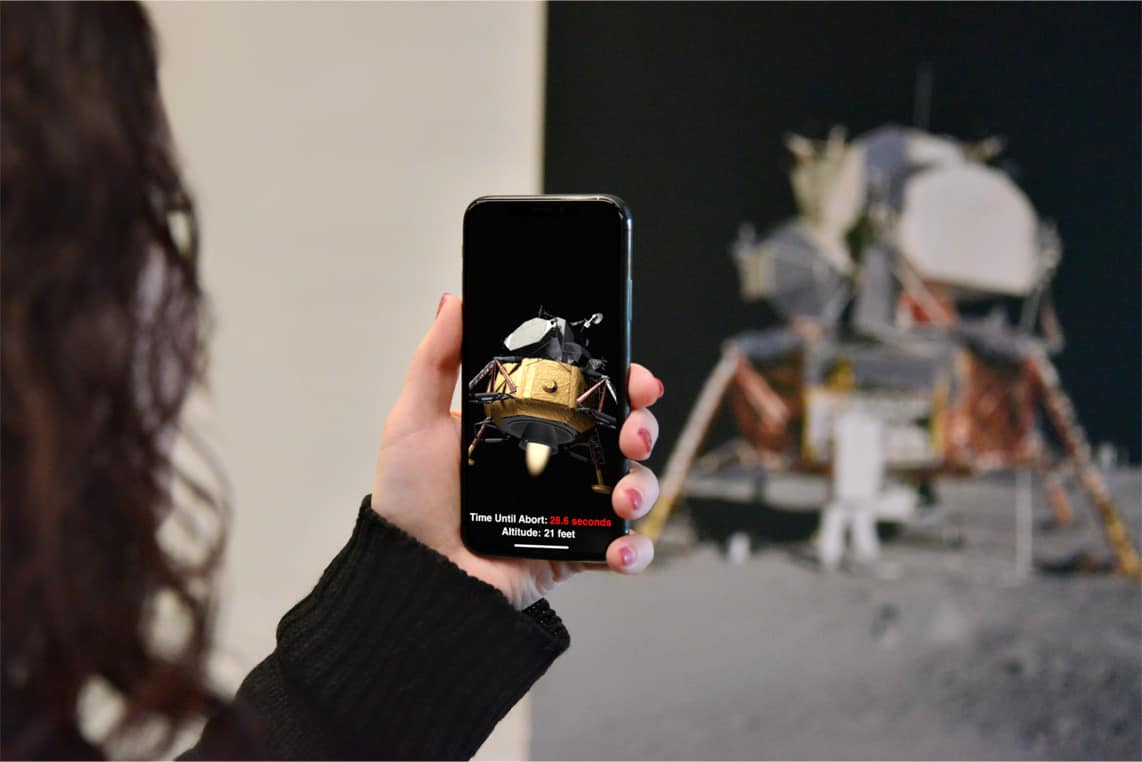
Augmented reality will be even better with glasses. Photo: Apple
Apple today offered fans a preview of a big iOS 11.3 update coming this spring.
Alongside 16 new Animoji characters for iPhone X owners, the update will bring big improvements to ARKit and Messages, the ability to view battery health on all iOS devices, music videos for Apple Music, and lots more.
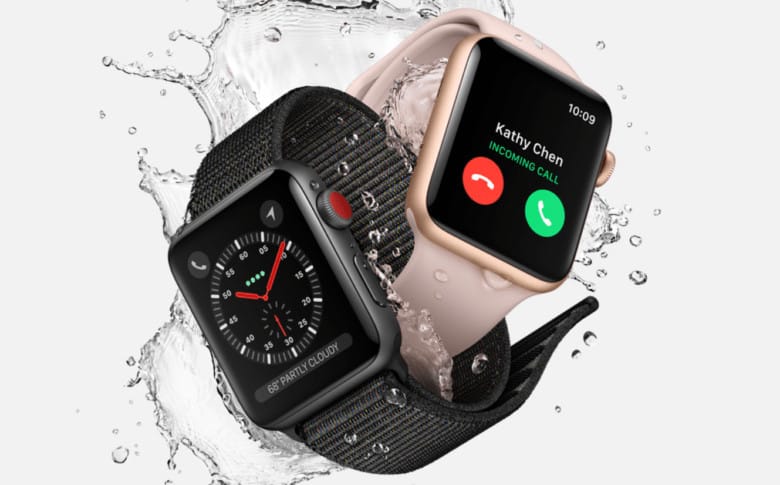
Health companies are embracing Apple Watch Photo: Apple
Signing up for life insurance might just be one of the cheapest ways to get a new Apple Watch Series 3 now.
John Hancock revealed today that it is offering all of its new and existing life insurance customers the opportunity to earn an Apple Watch Series 3 for $25. All you have to do is put in the exercise to work for it.
An Apple store-style health clinic, anyone? Photo: Apple
As part of its push into mobile health, Apple was reportedly in “deep talks” to buy Crossover Health, a health clinic company, which has offered employee healthcare to tech companies including Apple, Facebook, Microsoft, and others.
The acquisition would have put Apple in charge of a string of health clinics, which it could potentially have run like healthcare versions of the Apple store. However, despite stretching on for months, no deal ultimately materialized.