Last year, Apple was ranked 17th in Fortune’s annual list of public U.S. corporations as ranked by their gross revenue. This year? Despite Wall Street skepticism that has seen share prices tumble, Apple is now ranked number 6 in the Fortune 500. Boom.
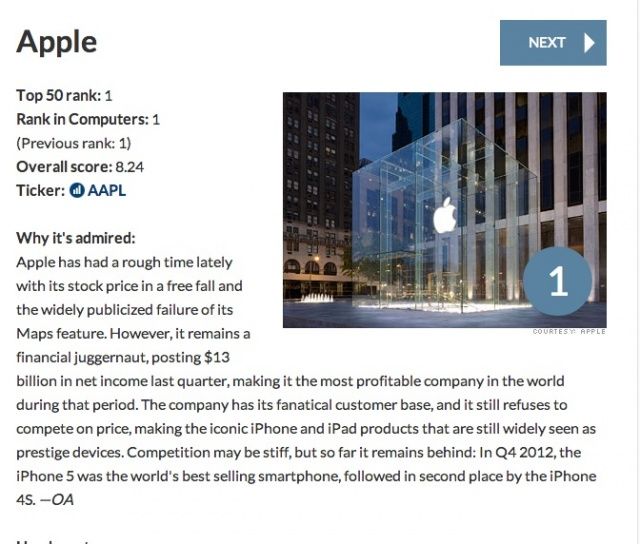
For the sixth year in a row, Apple has topped Fortune’s list of world’s most admired companies, beating out other tech giants to the top spot like Google, Amazon and IBM.
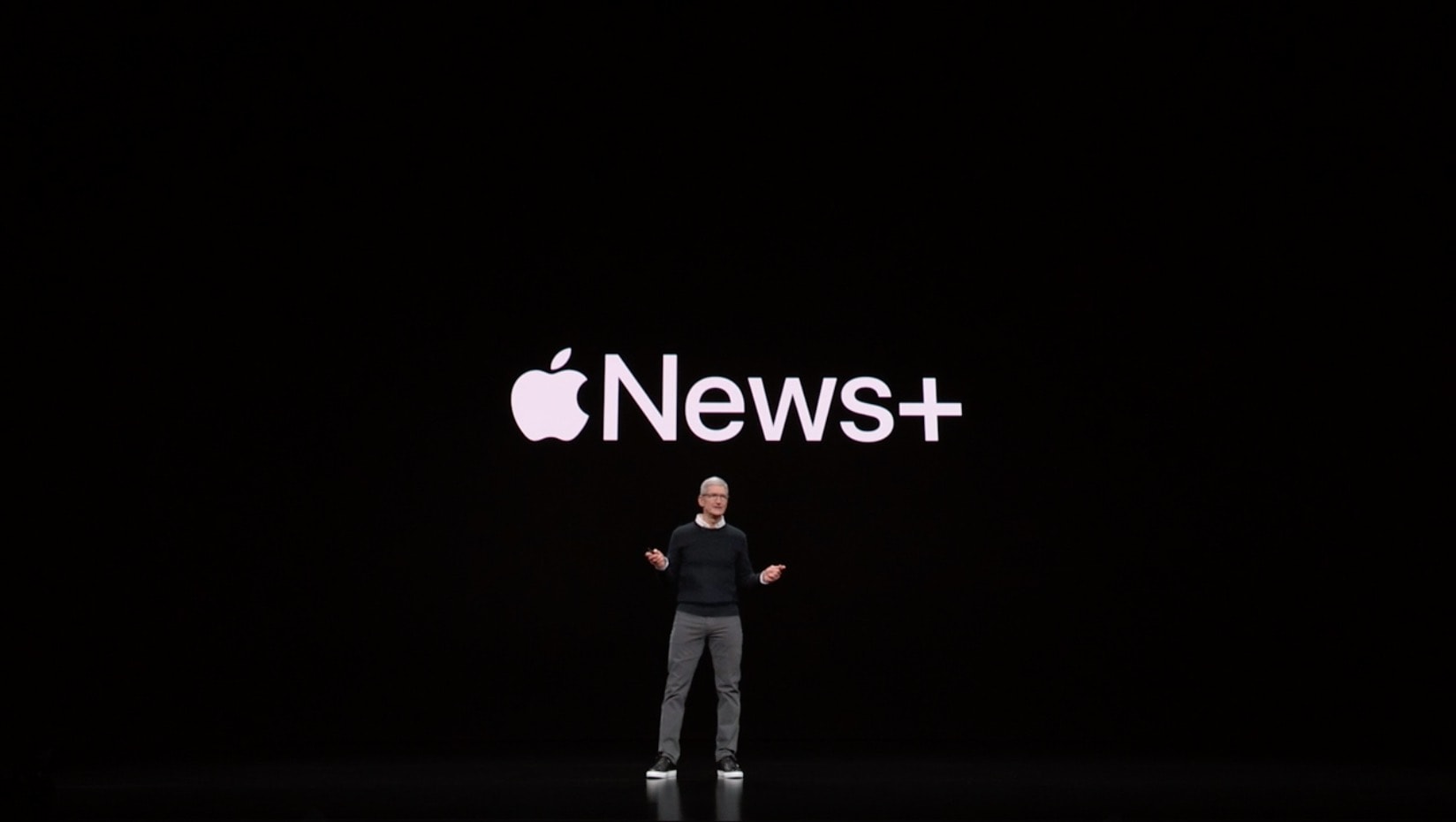
While Tim Cook has been CEO, Apple’s stock price has been soared into the stratosphere. Some believe Apple’s incredible growth is bound to plummet in the near future because, come on, how many more iPhones and iPads can they really sell to their U.S. and European customers?
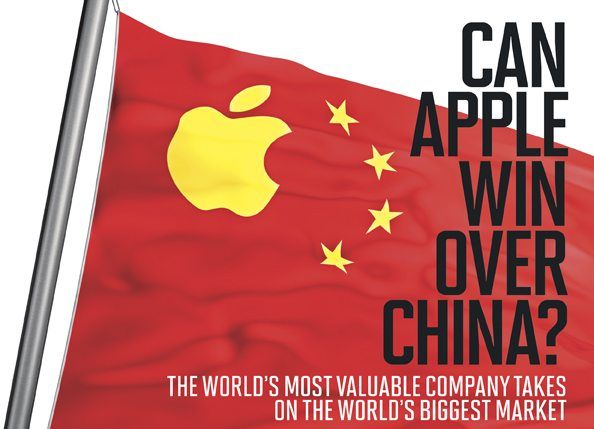
In a new story for Fortune, Bill Powell argues that the sky’s still the limit for Apple, they just have to win in China. But Apple – with all its power and iconic devices that consumers lust for – is actually an underdog in the battle to win the Chinese handset market, and they’re going have to learn some new tricks if they hope to beat Samsung and others.
Apple’s stock price has continued to rise the last couple of weeks making it the most valuable company in the world, and debatably the most valuable company ever. Some might think that Apple can’t sustain those numbers over the long-term, but right now their prospects are looking great.
The scary thing – if you’re an Apple competitor – is that even though Apple is huge right now, it’s still growing. Fortune released their list of the 100 fastest-growing companies in the world today, and Apple came in at #8 while competitors like Google and Samsung didn’t even make the list.
When Ron Johnson left Target to become Apple’s Retail Chief in 2000, people thought he was absolutely nuts. Apple was in danger of going out of business, and other PC manufacturers like Gateway were closing their retail locations. Johnson ignored all the warning signs because he says he saw that Apple was about to be a huge part of the digital revolution. He also recognized that Apple offered consumers something other companies couldn’t – amazing products and an incredible retail experience.
In a recent interview at Fortune Conferences, Johnson explained why customers choose to come to the Apple store to buy their products when they could get them on Amazon or Best Buy for a lot cheaper:
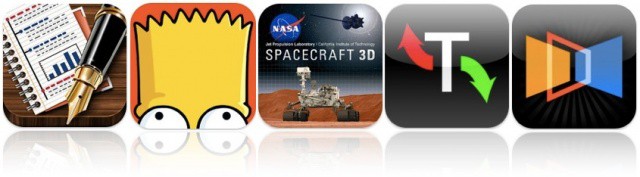
Bongo’s Simpsons Comics make their debut on iOS, NASA teaches us about spacecraft, Apple lets us manage our torrent downloads, and more.
Kicking off this week’s must-have apps roundup is an incredible word processor called UX Write, which makes working with large, complex documents on the go a breeze. You’ll also find Simpsons Comics, the latest app from comiXology that brings Bongo’s Simpsons library to iOS; a wonderful app from NASA that allows you to get up close and personal with the spacecraft used to explore our solar system, and more.
For years businesses across the world have attempted to dissect Steve Jobs’ career to figure out what made him so incredibly brilliant and successful. Not only did he change the way we use technology, but he changed movies, music, retail shopping and more. His entrepreneur skills were some of the best the world has seen, which is why Fortune magazine declared Steve Jobs “The Greatest Entrepreneur of Our Time” in their ranking of the top 12 entrepreneurs of recent memory.
Fortune editor Adam Lashinsky’s book Inside Apple: How America’s Most Admired—and Secretive—Company Really Works will hit the shelves on January 25th, but that hasn’t stopped juicy tidbits of information from leaking out beforehand. An extended excerpt from the book hit the web today, and it reaffirms what we cultists already know: Apple is very, very secretive.
According to Lashinsky, Apple dances on the “link between secrecy and productivity” with excruciating precision. In fact, the only things Apple seems to prize more than its products are its secrets.