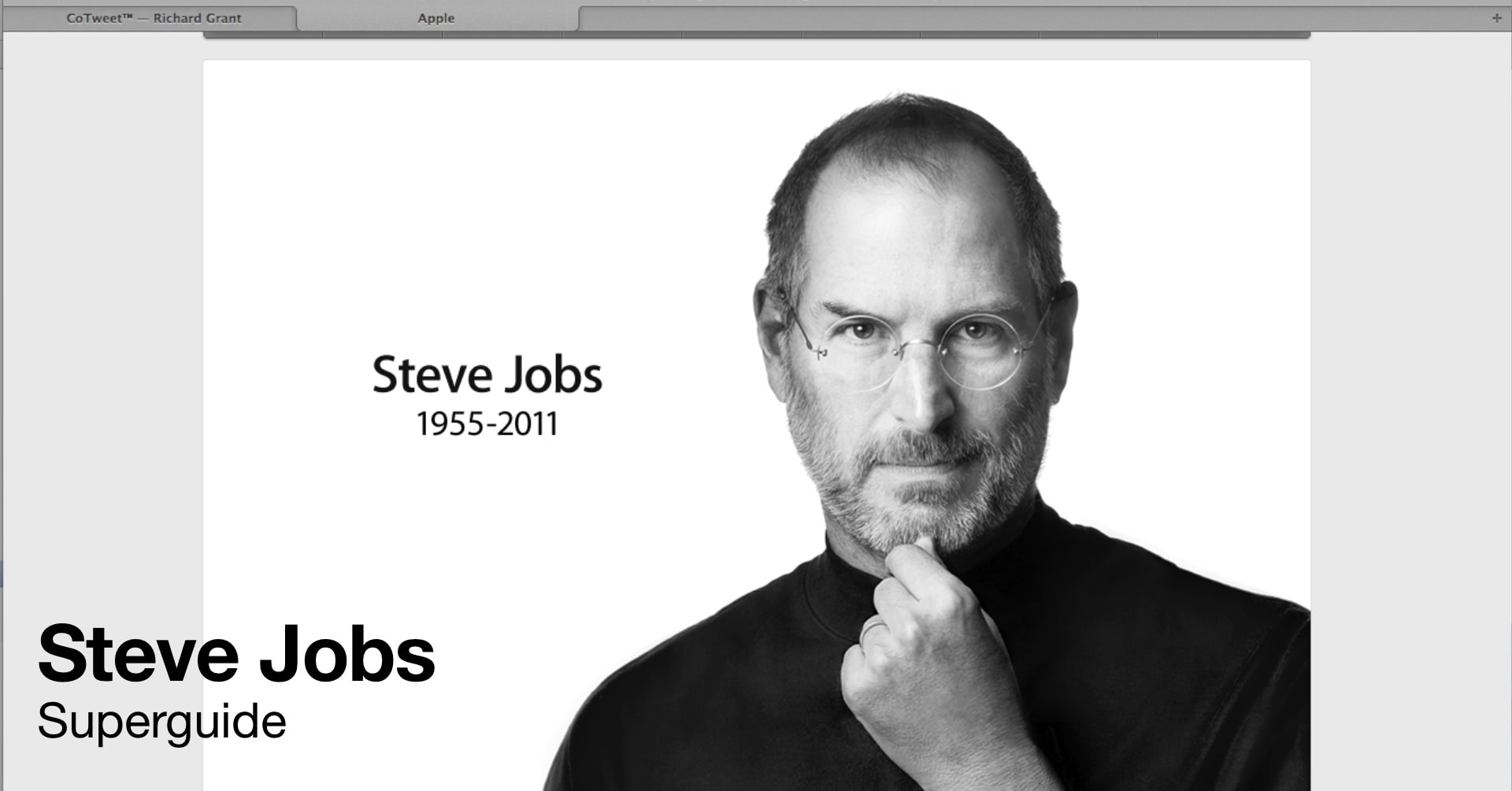

 September 14, 2010: Security workers reportedly stop Apple CEO Steve Jobs at Japan’s Kansai International Airport. The reason? Jobs supposedly tried to bring ninja throwing stars onto his private plane while heading home from vacation. The “Steve Jobs ninja stars” story quickly becomes one of the most bizarre Apple stories ever.
The company, however, quickly spoils the internet’s fun. Cupertino issues a statement describing the reports as “pure fiction” (although Apple acknowledges that Jobs visited Japan over the summer).

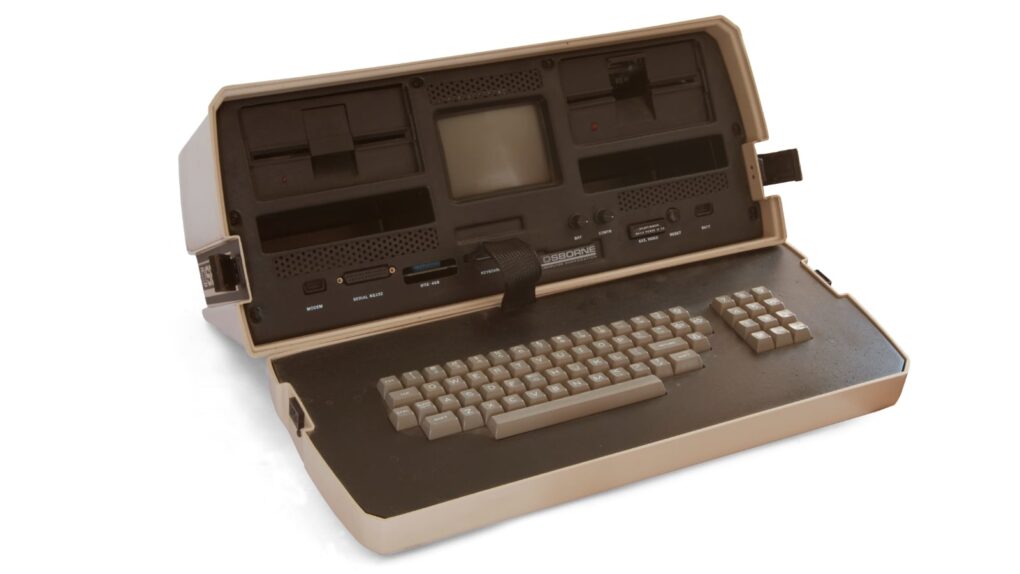
 September 13, 1983: Osborne Computer Corporation, one of Apple’s early rivals, declares bankruptcy. Many considered the company’s Osborne 1 the world’s first truly portable, full-featured computer. It packed everything users needed to set up shop at home or on the road. Alas, it didn’t last!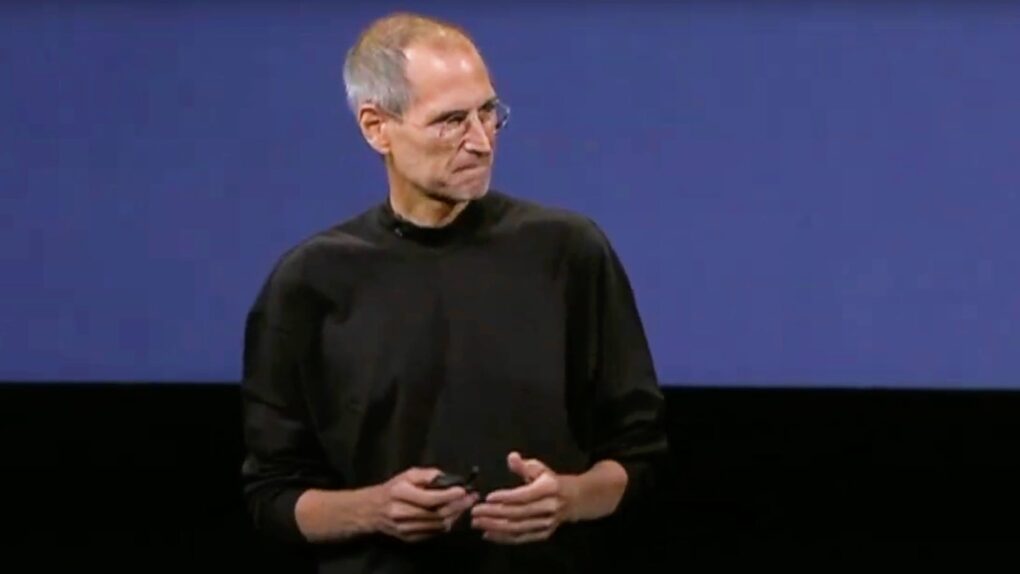
 September 9, 2009: Apple CEO
 September 8, 2003: Apple reveals that the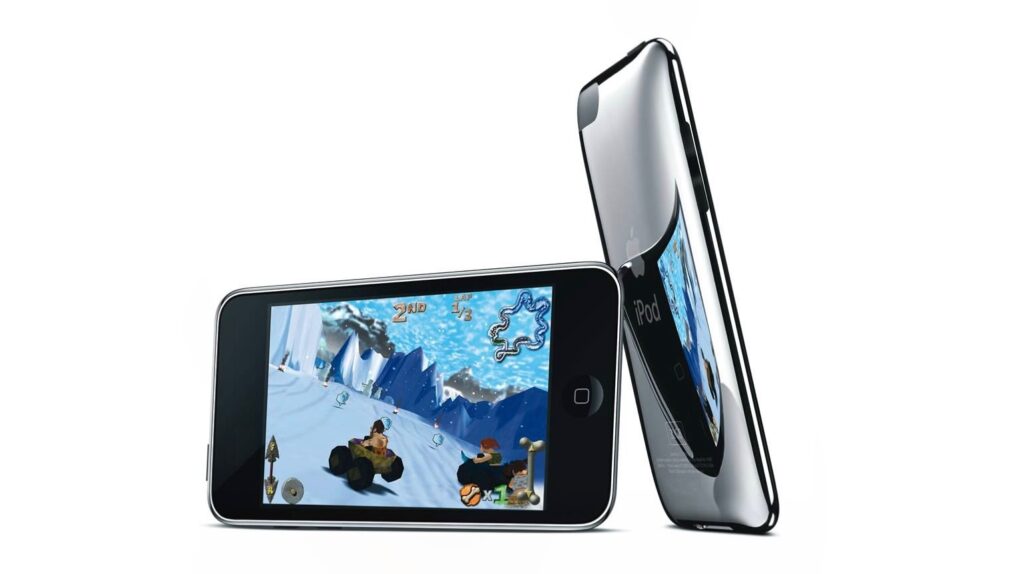
 September 5, 2007: Apple introduces its first new iPods after the release of the iPhone. The lineup includes the third-gen iPod nano, the newly renamed iPod Classic and — most significantly — the debut of the iPod touch.
 September 4, 1997: The writing is on the wall for Apple’s Newton product line as the recently returned Steve Jobs effectively kills the Newton Inc. spinoff.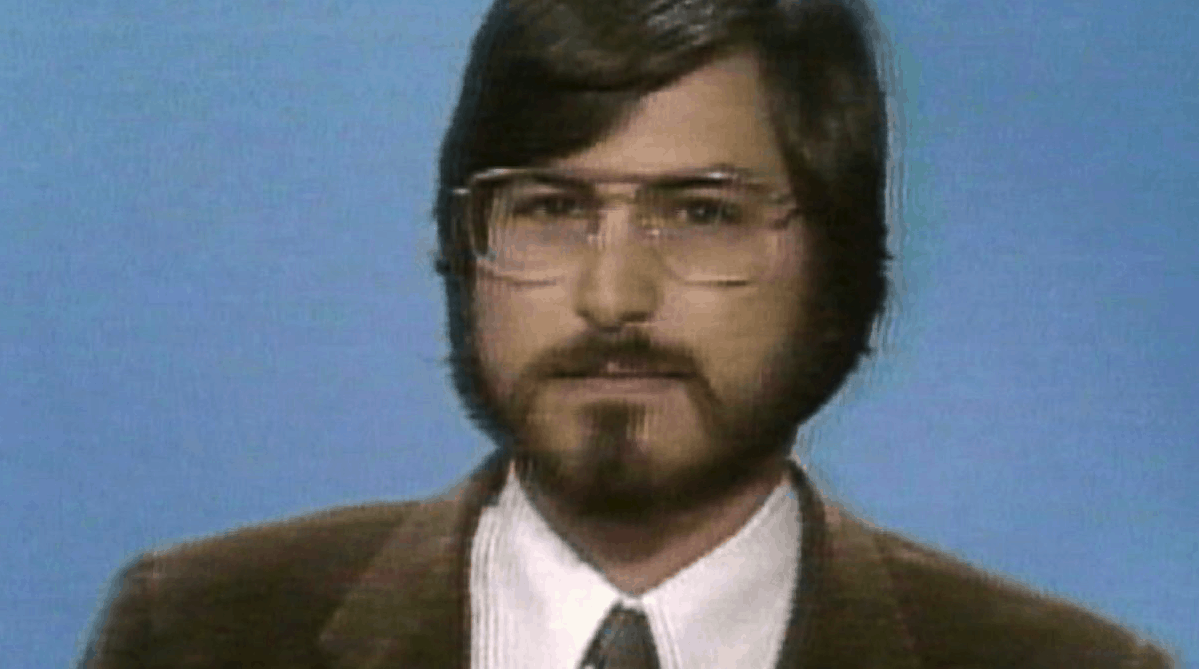
 September 2, 1985: Reports claim Apple co-founder Steve Jobs is on the verge of setting up a new company to compete with Cupertino. The rumors fly after Jobs sells Apple stock holdings worth $21.43 million.
 August 30, 2010: Just two years after
 August 29, 2001: During a meeting, Apple’s board of directors awards CEO
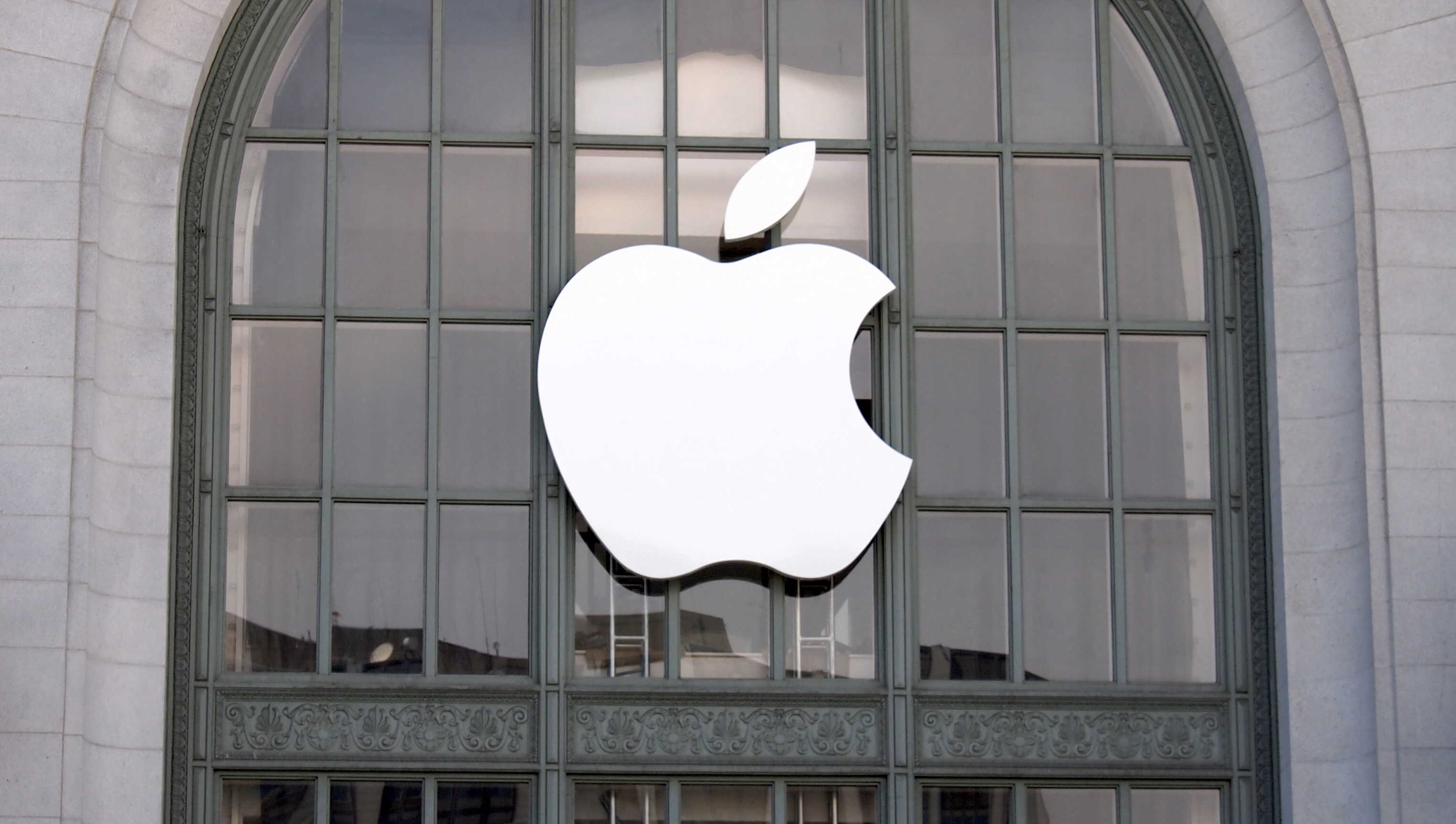
 August 27, 1999: Apple Computer swaps out the striped, multicolored logo the company had used since 1977 for a new single-color version. The evolution of the iconic Apple logo from rainbow to monochrome shocks many longtime fans.
 August 26, 1991: In their first joint interview, Steve Jobs and Bill Gates trade barbs and debate “the future of the PC” in Fortune magazine.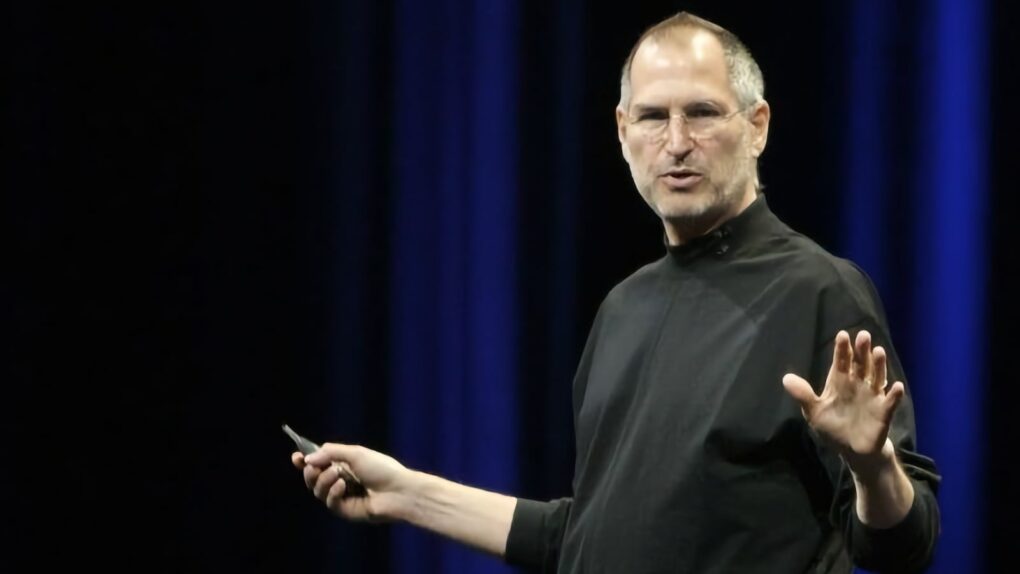
 August 24, 2011: With his health worsening, a cancer-stricken Steve Jobs resigns from his role leading Apple. Tim Cook assumes the role of Apple’s seventh CEO.
 August 22, 2001: Apple takes home a technical Emmy Award for developing FireWire, the high-speed serial port that allows users to transfer data quickly between a Macintosh and another device, such as a digital camera.
 August 17, 2012: Apple CEO Steve Jobs’ stolen iPad winds up in the hands of a clown called Kenny, who performs kids’ shows in the San Francisco Bay Area.
 August 8, 1997: At Macworld Expo, Apple co-founder Steve Jobs introduces the world to the company’s new slogan, “Think different.” The catchy marketing reassures fans that Apple is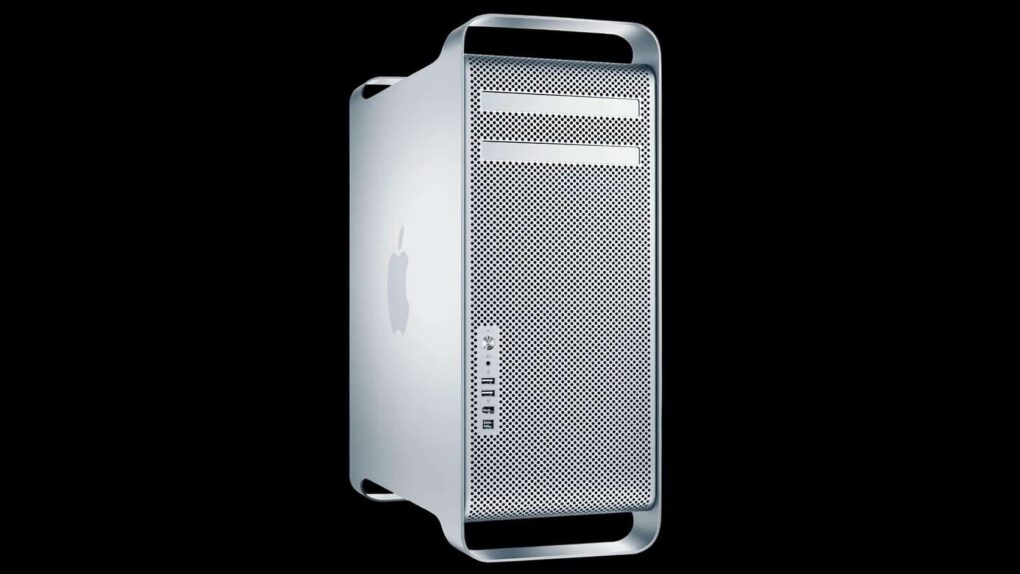
 August 7, 2006: Apple unleashes the first Mac Pro, a high-end desktop computer that completes the company’s transition from PowerPC to Intel processors.
 August 6, 1997: In one of the most famous moments in Apple history, Steve Jobs reveals a $150 million Microsoft investment that saved his company from ruin.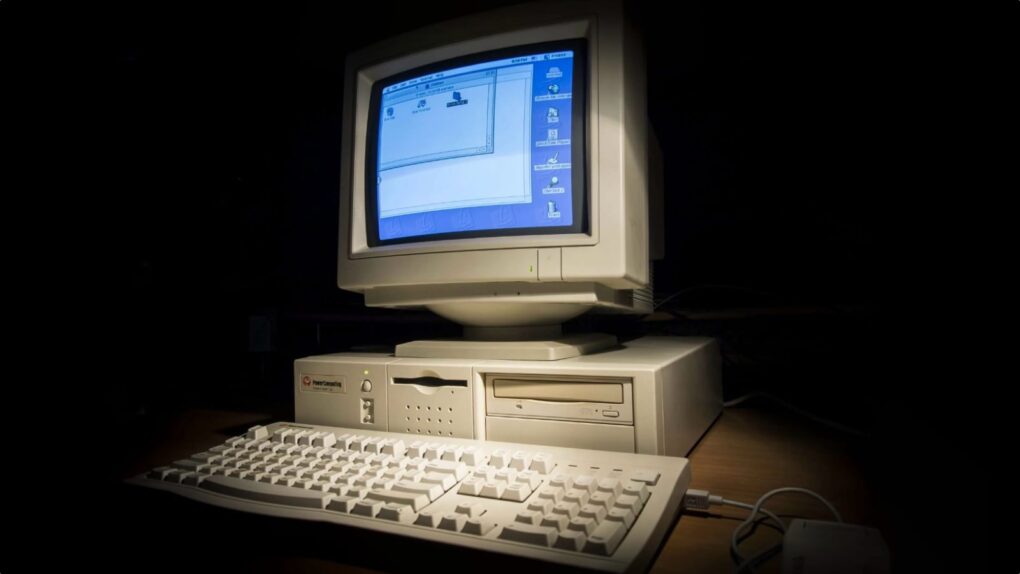
 August 5, 1997: Apple gets into a standoff with Power Computing, a maker of Macintosh clones. A very public clash at the Macworld Expo in Boston marks the beginning of the end for Apple’s mid-1990s strategy of licensing the Mac operating system.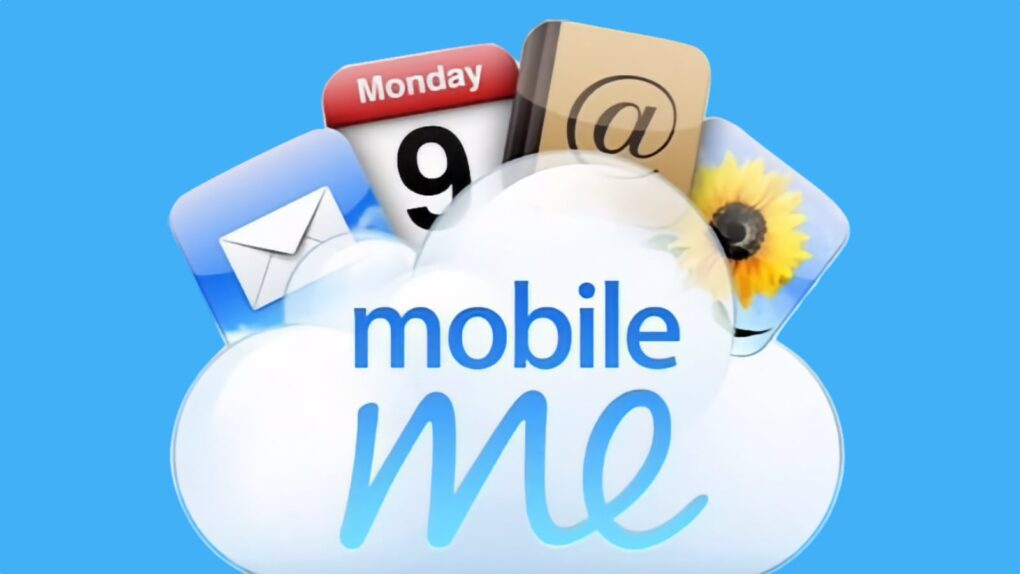
 August 4, 2008: In an internal memo, Apple CEO Steve Jobs owns up to mistakes in launching MobileMe. He spins the company’s bungled cloud service rollout as a learning opportunity.
 August 3, 2009: Google CEO Eric Schmidt resigns from Apple’s board of directors amidst increasing competition between the two companies.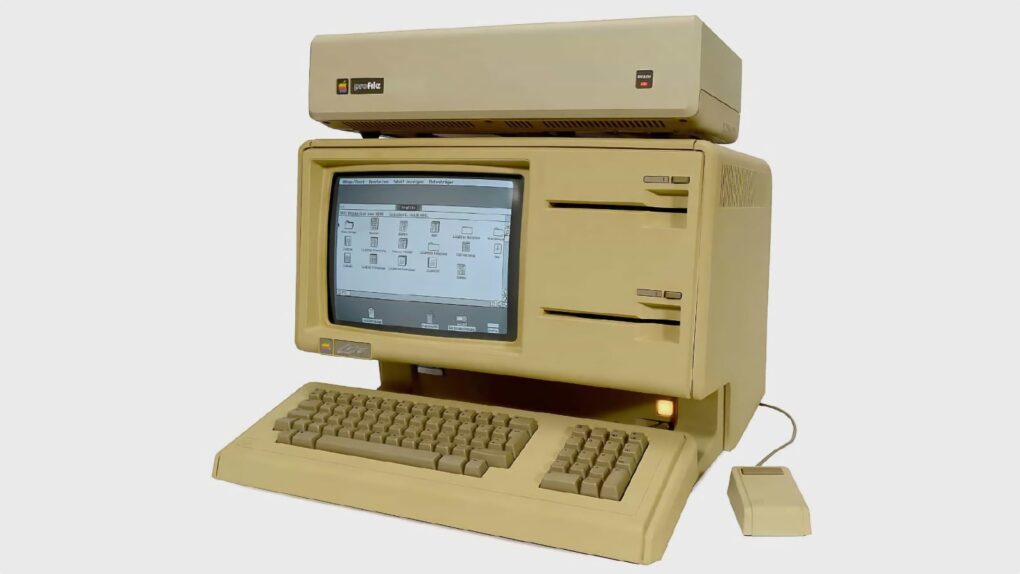
 July 30, 1979: Apple engineers begin work on the Lisa computer, the company’s first machine to come with a graphical user interface and mouse.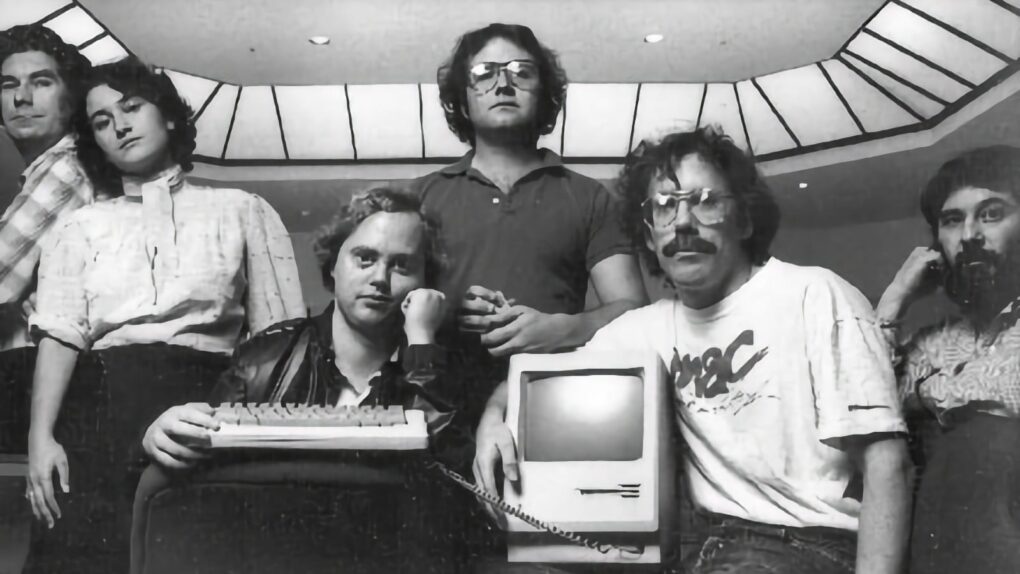
 July 27, 1955: Joanna Hoffman, who will join the original Macintosh and NeXT teams and become Steve Jobs’ first right-hand woman, is born in Poland.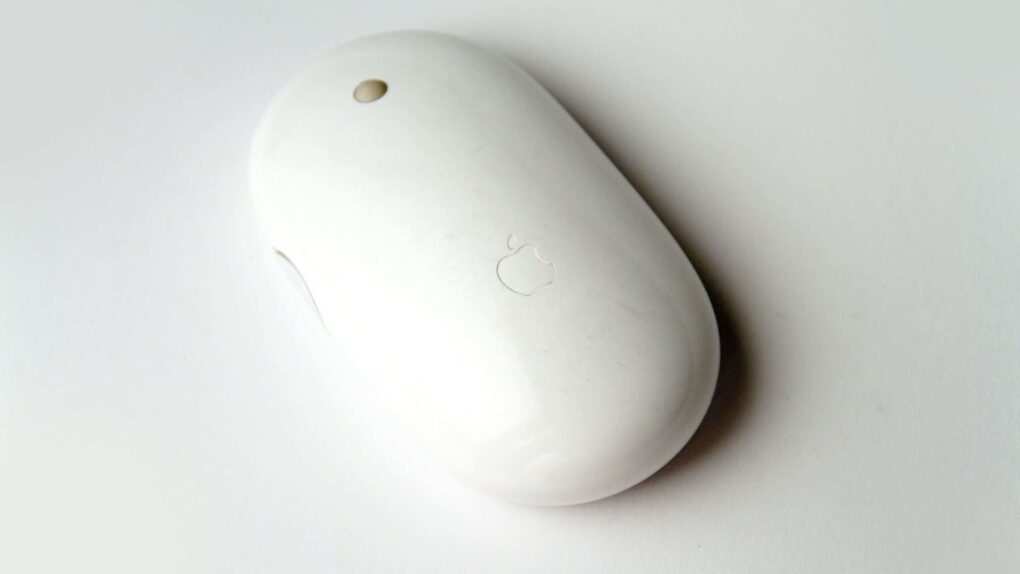
 July 24, 2006: The world gets its first glimpse of Apple’s new wireless Mighty Mouse, a multibutton Bluetooth device with super-accurate laser tracking.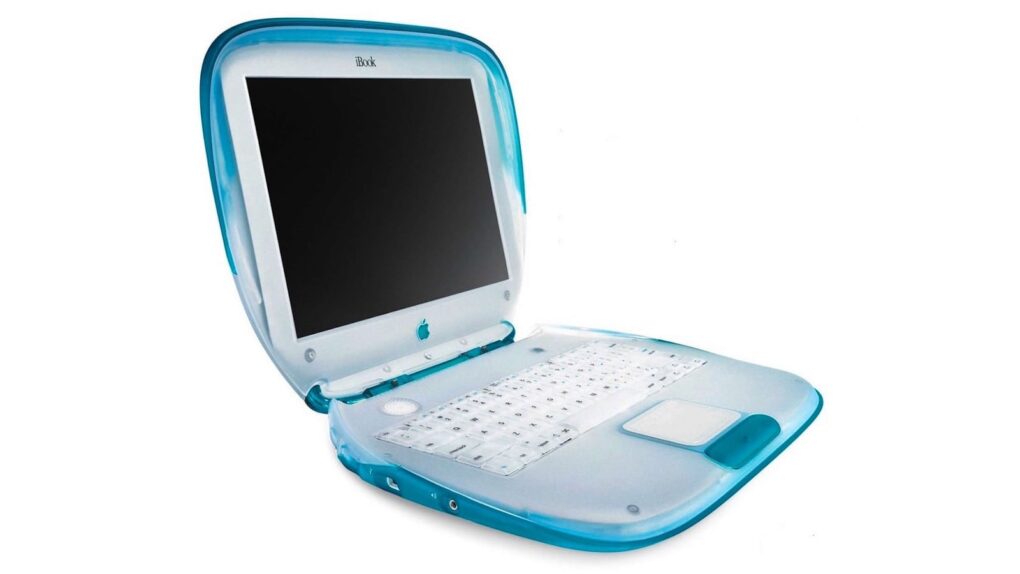
 July 21, 1999: The iBook, Apple’s colorful clamshell laptop that’s a hybrid of the iMac and the PowerBook, arrives and launches a Wi-Fi revolution.