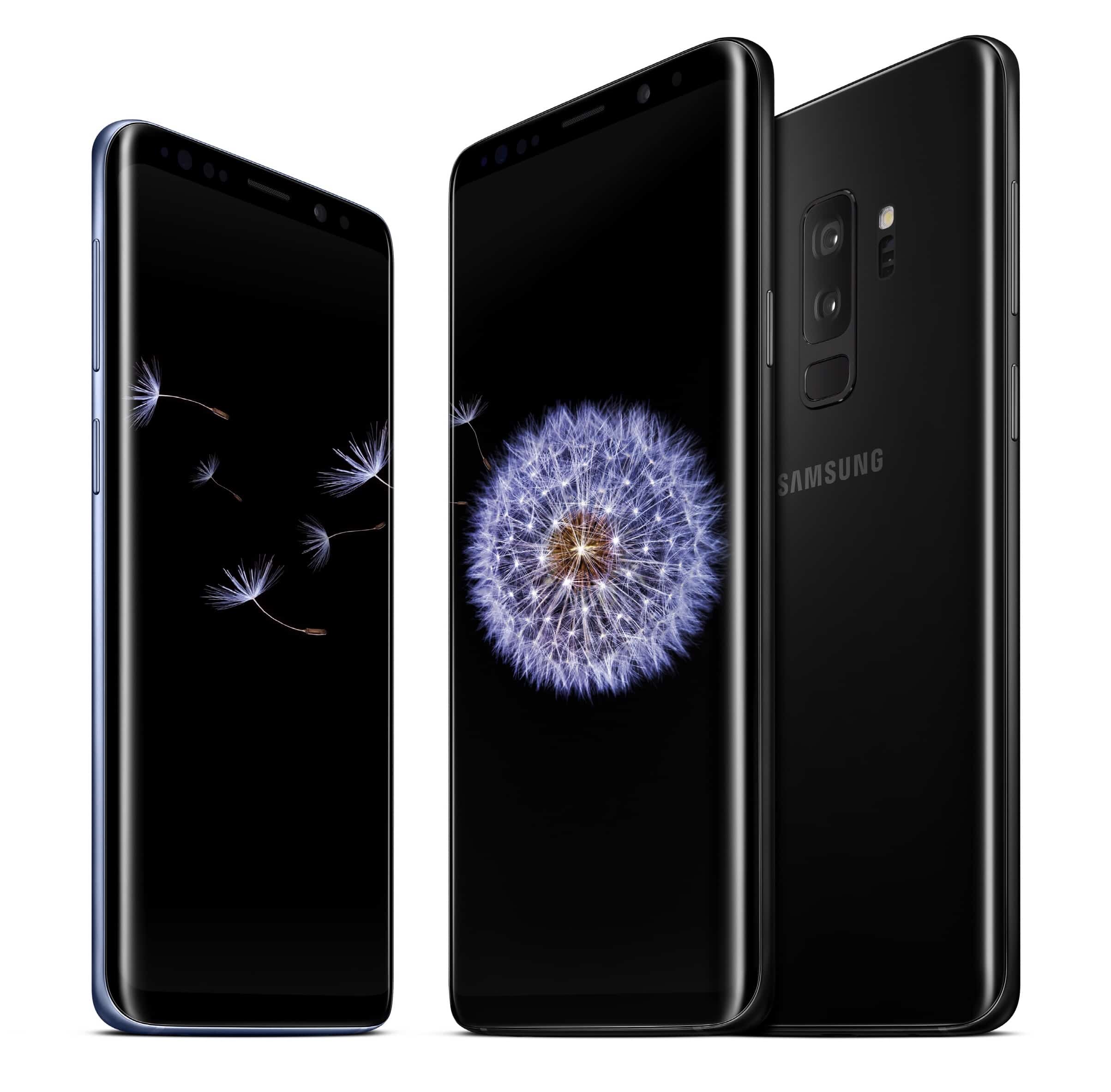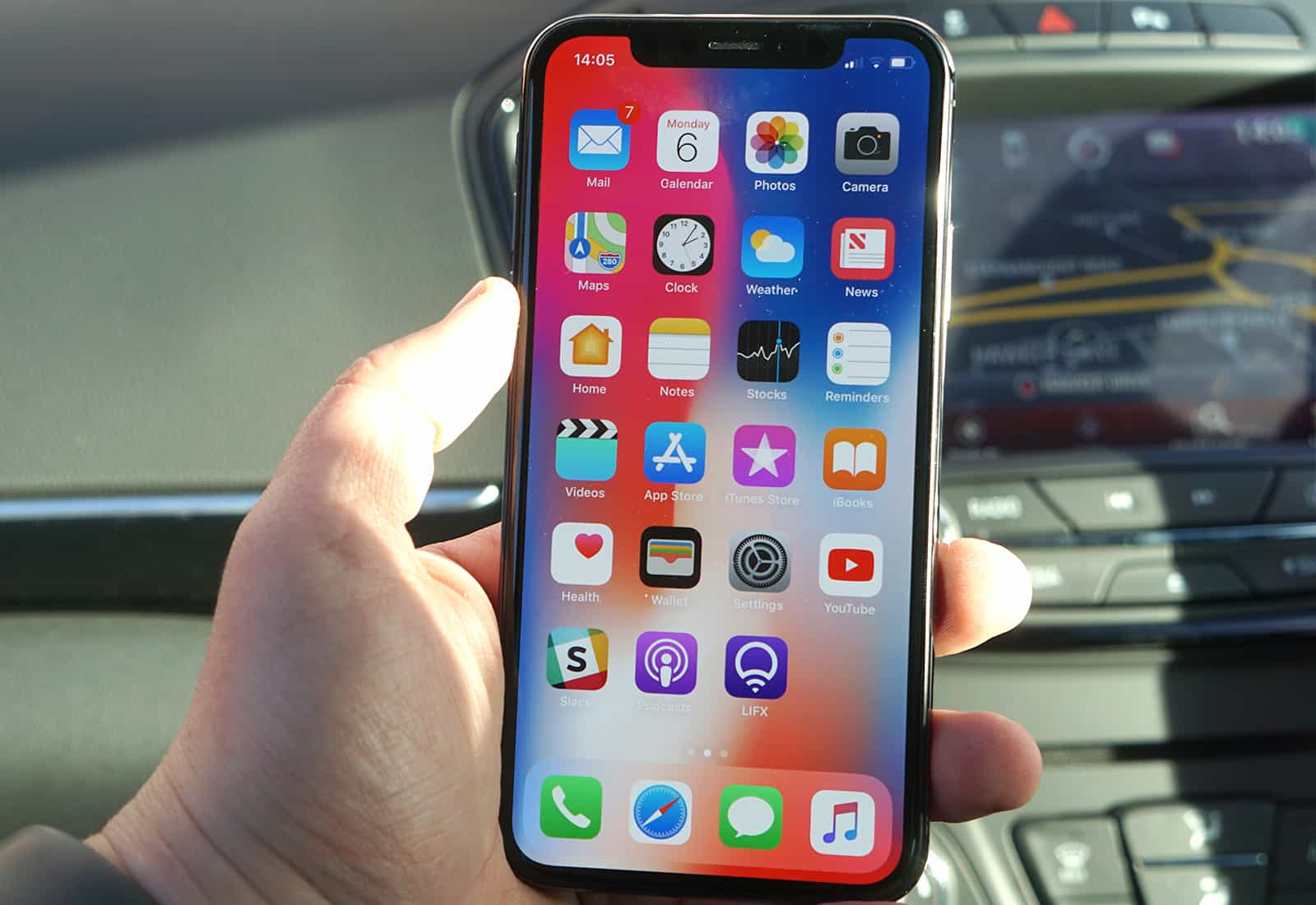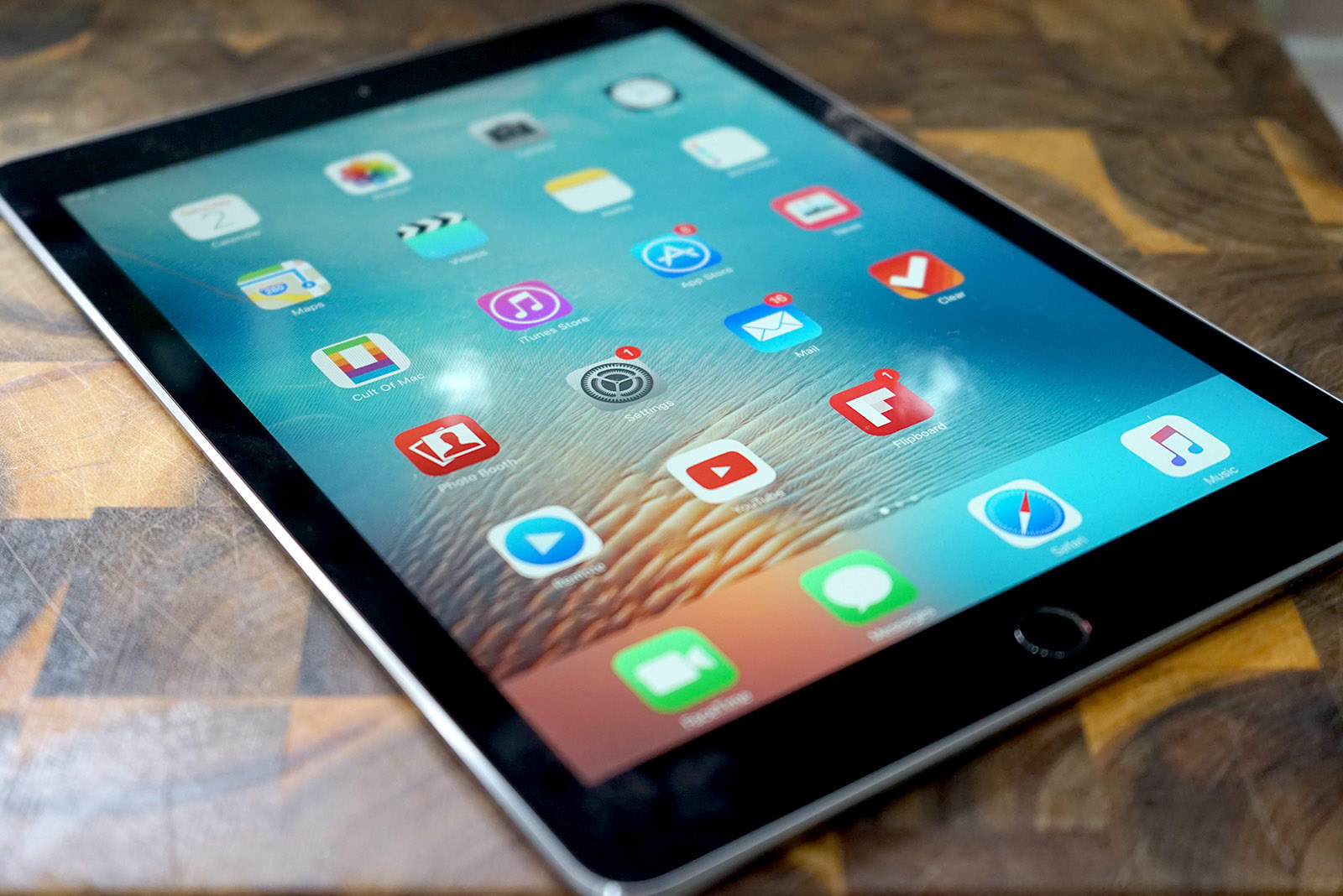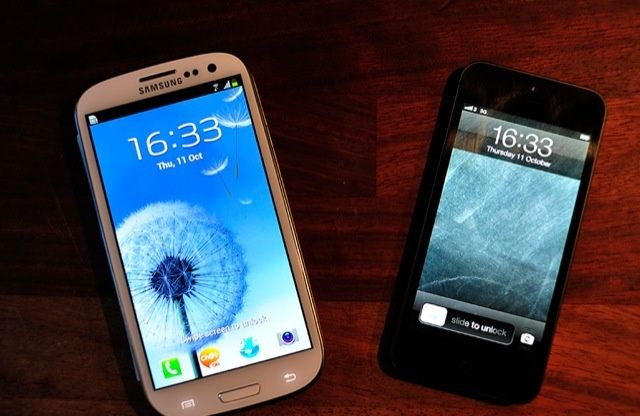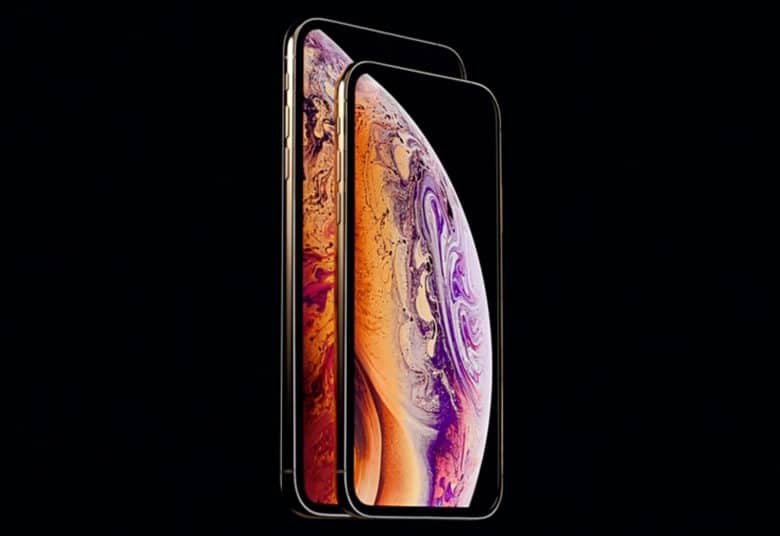
The iPhone 5 vs. the Samsung Galaxy S4. Which screen is “better” is going to be subjective for most consumers, and largely limited to whether you like the S4s bigger display, or prefer a smaller phone like the iPhone 5. You might also prefer the Galaxy S4’s for its tendency to oversaturate reds and oranges (a side-effect of OLED), or the iPhone 5 for a more balanced color gamut.
But which is objectively the best in the eyes of display experts? Everyone’s favorite display guru Dr. Raymond Soneira has done one of his characteristic shoot-outs between the Samsung Galaxy S4 and iPhone 5, and surprise: there’s no clear winner.
We had a feeling Microsoft was a little optimistic about the Surface RT’s display.
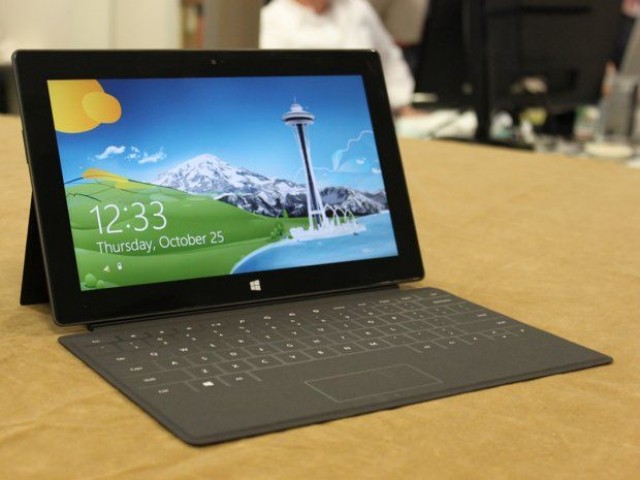
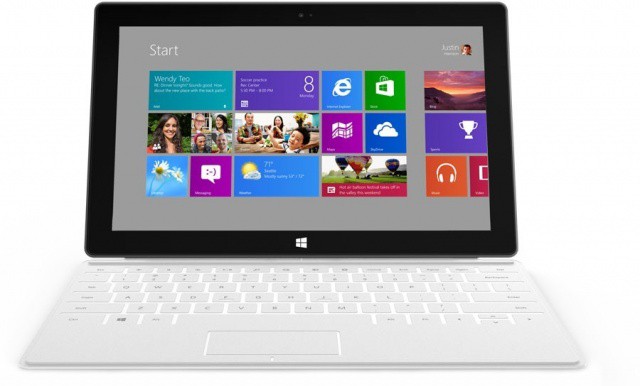
Shortly before Microsoft began shipping the Surface RT tablet, the company claimed its ClearType display was superior to the third-generation iPad’s Retina display. We had our doubts, and now Dr. Raymond Soneira of DisplayMate Technologies has confirmed we were right to dismiss Microsoft’s claims.
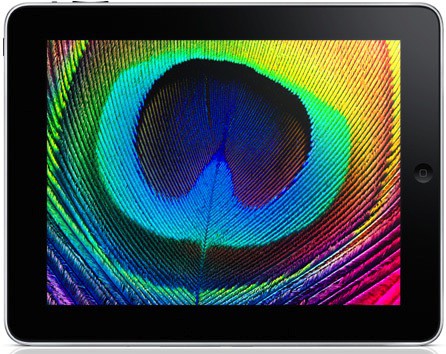
In a display comparison between the third-generation iPad, the Surface RT, and Samsung’s Galaxy Tab 10.1, Soneira found that Apple’s device offers significantly better color saturation and color accuracy, and sharper text.
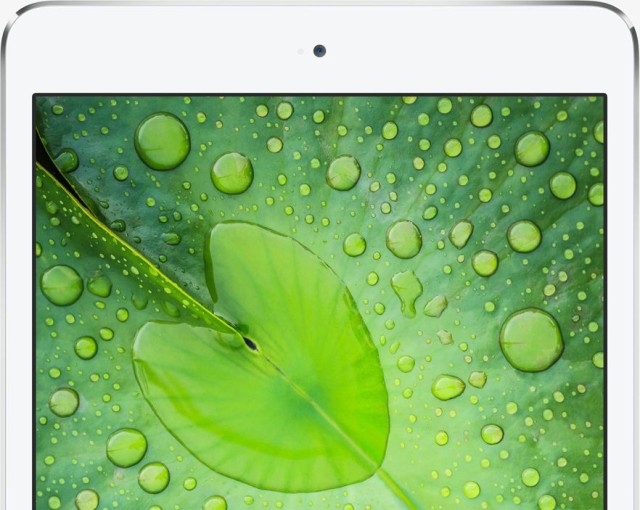
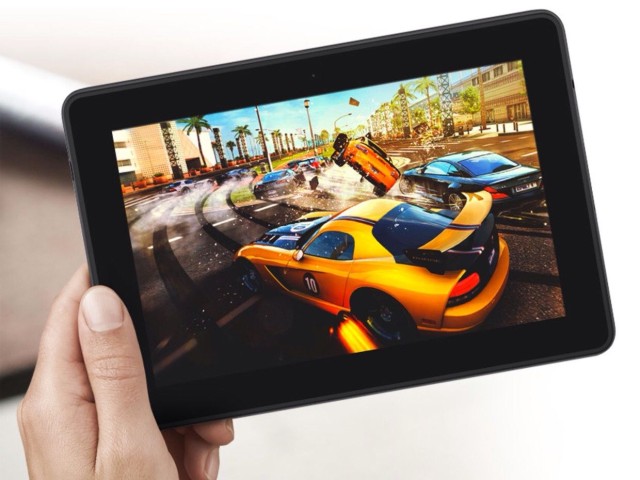
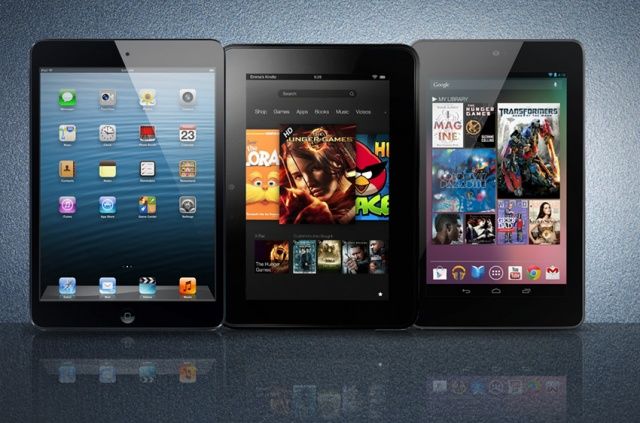
Although the iPad mini is well-reviewed and seems to be something of a hint with early adopters, there is at least one complaint: the display isn’t Retina. In fact, not only is it not Retina, it’s actually decidedly lower resolution than even competing 7-inch tablets like the Nexus 7 and Kindle Fire HD 7.
How does the display of the iPad mini stack up against the Nexus 7 and Kindle Fire HD in objective terms, though? Not well, although there’s something Apple could do to make things better.
Microsoft claims its new Surface RT tablet, which begins shipping later this month, has a display that’s superior to the Retina display in the third-generation iPad. But according to DisplayMate CEO Dr. Raymond M. Soneira, that may not be the case. After some basic comparisons, Soneira found the Surface tablet’s display is “significantly less sharp” than the new iPad’s.
In the run up to the release of the new iPad, there were many rumors that Apple was going to use Sharp IGZO display technology to make a much more bright and vibrant Retina iPad with much better battery efficiency.
That didn’t pan out: Sharp delayed the debut of IGZO, and Apple instead was forced to release a Retina iPad that was thicker than the iPad 2 in order to accomodate a bigger battery necessary to drive the display.
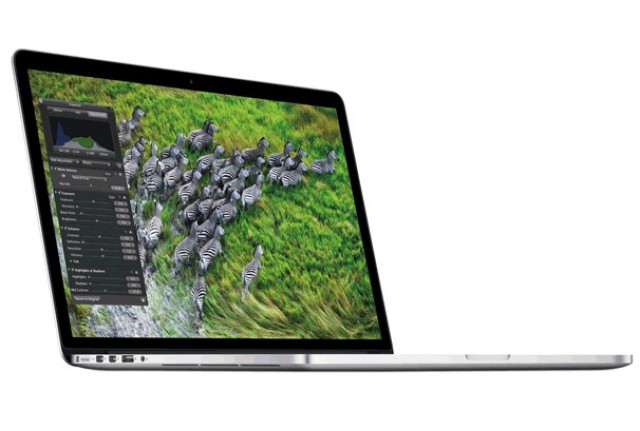
But according to one expert, IGZO may have crept into the new Retina MacBook Pros…
Apparently, this "resolutionary" device was Apple's "Plan B."
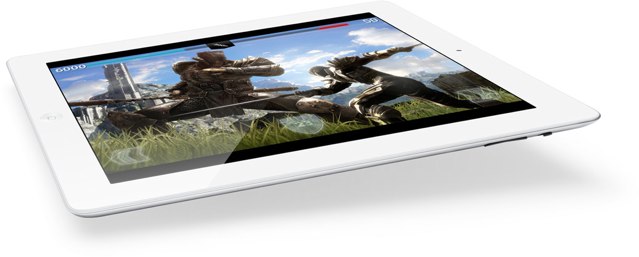
Apple’s new iPad seems to have been a huge success since making its debut last month. Although it doesn’t feature a new form factor and actually measures in a little thicker than its predecessor, that high-resolution Retina display, the 5-megapixel iSight camera, and voice dictation have all made this iPad a crowd pleaser, helping Apple shift 3 million units in its first three days of availability.
However, Raymond Soneira, CEO of DisplayMate Technologies, claims that this isn’t the iPad Apple wanted to release. Soneira says that Tim Cook and co. wanted to make the tablet thinner and introduce a new display with IGZO technology from Sharp. Instead, the company had to resort to “Plan B.”
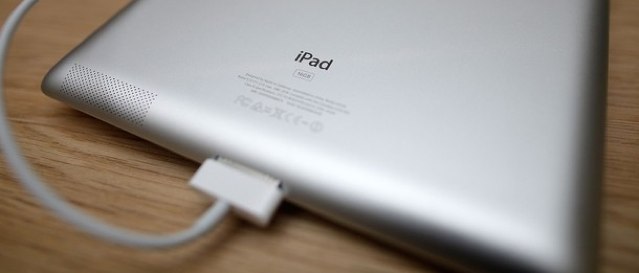
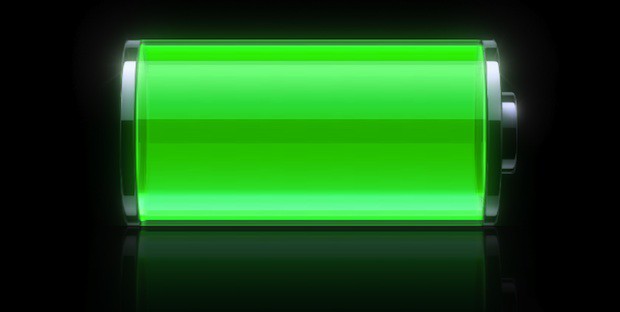
Unplug your iPad just after it reaches 100% and you'll lose up to 1.2 hours of battery life.
Shortly after the new iPad made its debut earlier this month, it was discovered that the way in which the device calculates its battery life is flawed. Despite telling you its charge is at 100%, your device hasn’t actually finished charging.
New data proves that in fact, your device isn’t finished charging until more than two hours after it reaches “100%,” and if you unplug it before then, you could lose around 1.2 hours of battery life. What’s more, it seems all iOS devices misreport their battery life.
It looks like a full battery, but with your new iPad, looks can be deceiving.
It’s a well known fact that the new iPad takes significantly longer to charge than the iPad 2. You can chalk that problem up to the fact that the new iPad has approximately 70% more battery in the same form factor than the iPad 2, requiring almost twice as long to charge. Consequently, the iPad has gone from being something you could charge up in just a few hours to a tablet that needs all night to charge to 100%.
But you shouldn’t stop charging your iPad at 100%. No sirree bob. If you want the most battery life from your new iPad, you should keep the device plugged in for at least an hour after it reports full. Why? The iPad battery gauge lies.
In a shootout to determine which tablet has the best display over at DisplayMate, the iPad 2 came out ahead of the Eee Transformer and the Motorola Xoom. No surprises there.
What might be a bigger surprise is that the display experts over at DisplayMate have seriously approached the idea of whether or not the iPad 3 will get a Retina Display and have concluded that it would be nothing more than a marketing stunt… and would actually lower the quality of the iPad’s display while slowing down the hardware.