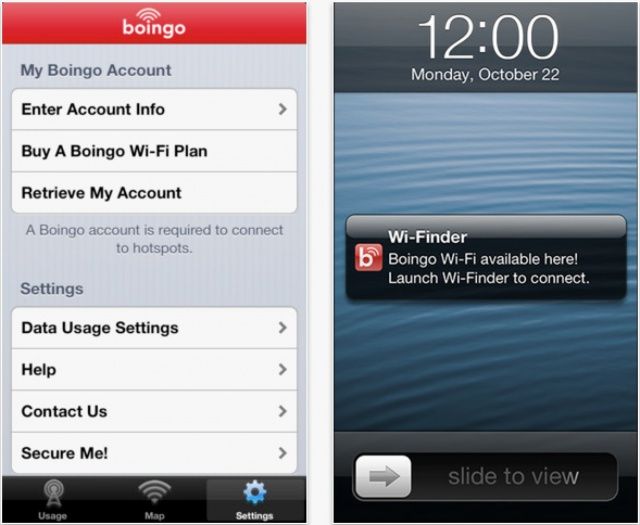
The Boingo app for iOS now allows users to buy Wi-Fi using in-app purchases that are charged to your iTunes account. It makes it quicker and easier to get connected on your iPhone, iPad, or iPod touch, and means you no longer have to navigate Boingo’s website.
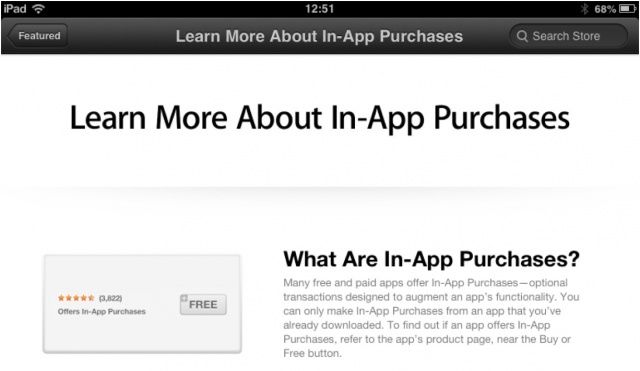
Alongside its weekly App Store refresh this week, Apple introduced a new page that helps App Store users “learn more about in-app purchases.” The guide explains what in-app purchases are, how they work, and most importantly, how to prevent your kids from spending a small fortune on them without your permission.
The U.K.’s Office of Fair Trading is investigating children’s games that charge in-app purchases for additional content and virtual items. The watchdog will look at games on mobile and on the web, and it’s calling for parents to report titles that “aggressively push” in-app purchases to children.
Remember Lodsys, the patent troll that began suing a bunch of indie iOS developers back in 2011 over their use of in-app purchases? Well, it’s back to do more trolling. The company has targeted another ten mobile game makers in its latest complaints, which it has been quietly filing in an East Texas court throughout 2013.
The studios named include Gameloft, Walt Disney, BackFlip Studios, and Gamevil.
Given the success of the original Plants vs. Zombies game, which first landed on iOS almost three years ago, I’m surprised we don’t already have a sequel. But there is one on the way. PopCap has announced that Plants vs. Zombies 2 will be launching early this summer.
Stories about kids who gain access to their parents’ iTunes passwords and run up huge bills on apps and in-app purchases are becoming all too common. The latest, concerning 13-year-old Cameron Crossan from the U.K., has an interesting twist.
When Cameron ran up a £3,700 ($5,620) iTunes bill playing iPad games, his father, policeman Doug Crossan, called Apple to get a refund. Apple refused to give the Crossans their money back, so Doug went down a different route. He reported his son for fraud.
Amazon has today announced that its in-app purchasing service, which is already available on the company’s Kindle Fire tablet and other Android devices, is coming to Mac, PC, and web games. This will allow developers to take advantage of Amazon’s service on those platforms to provide their customers with a new way to purchase additional content using their credit card or virtual Amazon currency.
While Amazon isn’t the first company to offer an in-app purchasing system, its service does come with some advantages that developers may not get from its rivals. One of those advantages is that their content will be available via Amazon.com.
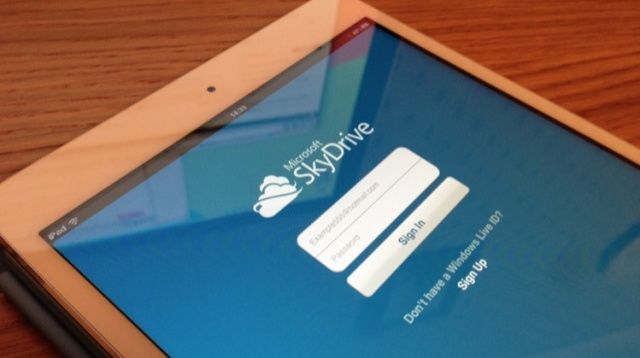
SkyDrive’s official iOS app could disappear if Apple won’t negotiate.
The future of Microsoft’s SkyDrive service on iOS looks bleak today as the company appears to have entered into a fight with Apple over its 30% cut of App Store revenues. Microsoft recently gave iOS users the ability to upgrade their SkyDrive subscriptions from their iPhones and iPads, but until the company agrees to give Apple a 30% cut of the in-app purchases, it won’t get any future updates approved.
A critical bug fix that prevents the app from crashing has now had to be placed on hold. Should Apple’s rules be a little more flexible in certain cases?
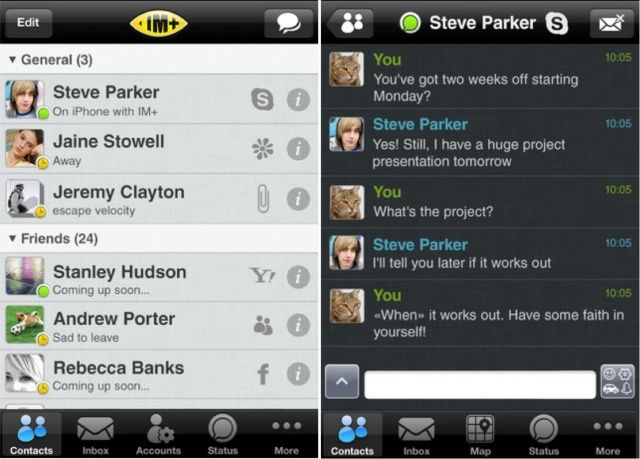
Off-the-Record keeps your message sessions private.
IM+ and IM+ Pro, two hugely popular messaging apps from Shape Services, have been updated today to introduce a new feature dubbed “Off-the-Record” messaging. It’s a $4.99 in-app purchase that allows users to have secret, encrypted conversations with other IM+ users.
Apple takes down the exploit that bypassed in-app purchases like this one.
Apple’s fight against Russian hacker Alex Borodin, who took advantage of an in-app purchasing exploit to provide users with paid content for free, has paid off. The Cupertino company has developed a fix that will make its debut in iOS 6, which is almost impossible to bypass, according to Borodin.