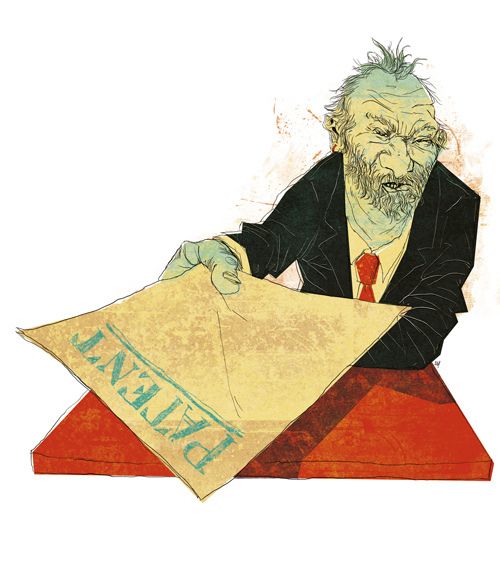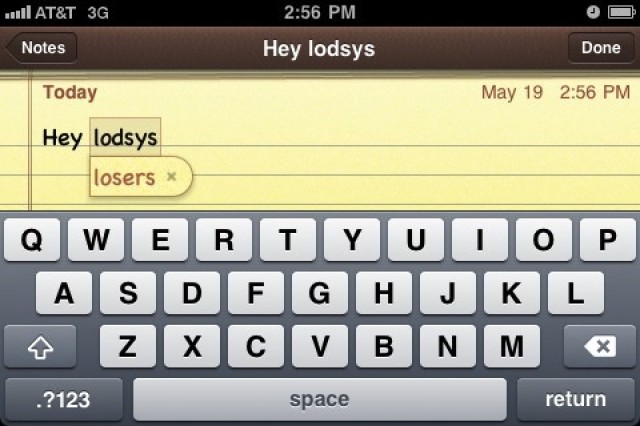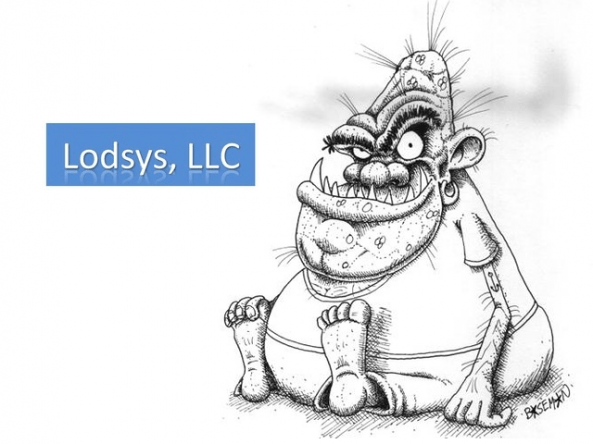
The term “patent troll” tends to be thrown around a lot when talking about Apple, Samsung, et al.’s endless patent litigation, but there’s a big difference between companies trying to protect their patent profiles in court and the sort of trolls who exist for no other reason than to sue other companies for violations on overly broad patents that they aren’t using, stifling innovation (for example, notorious in-app patent troll Lodsys).
Reforms to the patent system to neuter patent trolls is something that have been called for for years, but it seems like President Obama is finally doing something. The White House has just announced that they are taking on the patent troll problem with seven new legislative proposal. But even if Congress won’t budge? Obama says he’s going to take five executive actions to thwart patent trolls, which he can do even without congressional approval.
Remember Lodsys, the patent troll that began suing a bunch of indie iOS developers back in 2011 over their use of in-app purchases? Well, it’s back to do more trolling. The company has targeted another ten mobile game makers in its latest complaints, which it has been quietly filing in an East Texas court throughout 2013.
The studios named include Gameloft, Walt Disney, BackFlip Studios, and Gamevil.
Remember Lodsys? Many of you may recall how the patent troll sued App Store developers left and right last year. Apple tried to step in and release its blood-thirsty Cupertino hounds (code for “lawyers”) on Lodsys, claiming that its third-party developers were legally covered from any patent infringement claims.
Apple has finally been granted access to intervene and crush Lodsys once and for all, according to a new report.
Lodsys has gained plenty of fame (even infamy) in recent months for its continued pursuit of a number iOS and Android developers for their alleged infringement on patents that cover in-app purchases and upgrade links. Dissatisfied with its results so far, it now takes aim at some of the big names in gaming… but has Lodsys now bitten off more than it can chew?
The state of software patents in the US is very reminiscent of the feudal system during the medieval ages. In terms of the US app development scene, you have large companies, like Apple and Google, that provide the platforms for developers to create and innovate on.
Innovation on these platforms (platforms like iOS and Android) is regulated by communication and frequent lawsuits between patent holders. As of late, attacks by large patent companies on mobile indie developers have caused devs to flee the US to escape otherwise-unnecessary legal fees and infringement ramifications.
You can’t say Lodsys weren’t warned that Apple was prepared to fight: less than two weeks after the notorious patent troll sued indie iOS developers for using Apple’s own in-app purchasing mechanism in their apps, Cupertino has asked a judge to be allowed into the ring to kick Lodsys’ ass.
Patent troll Lodsys’ attacks upon indie iOS developers for using Apple’s in-app purchasing mechanism is a hot topic at WWDC 2011, so this news couldn’t be better timed: a Michigan law firm representing some unlikely companies with deep pockets has just attacked the validity of Lodsys’ patents.
Lodsys originally gave indie iOS devs utilizing Apple’s own in-app purchasing mechanism twenty one days to either license their patents or get sued, but never trust a patent troll’s promises: days earlier than scheduled, Lodsys has already filed lawsuits against iOS devs who didn’t yield to their threats.
That ugly patent troll who has recently been causing a disturbance for indie iOS developers has now turned its attentions to those building apps for Android, right after Apple slapped it on the wrist and sent it packing. Lodsys has photocopied another batch of its intimidating letters and sent them out to a number of Android developers… but will it earn any pocket money this time?
Interested in seeing the full letter Apple is sending indie iOS devs threatened by patent troll Lodsys over the use of Apple’s in-app purchasing mechanism? We’ve got it, and whether you’re versed in legalese or not, you’ll want to read this: Apple means business.