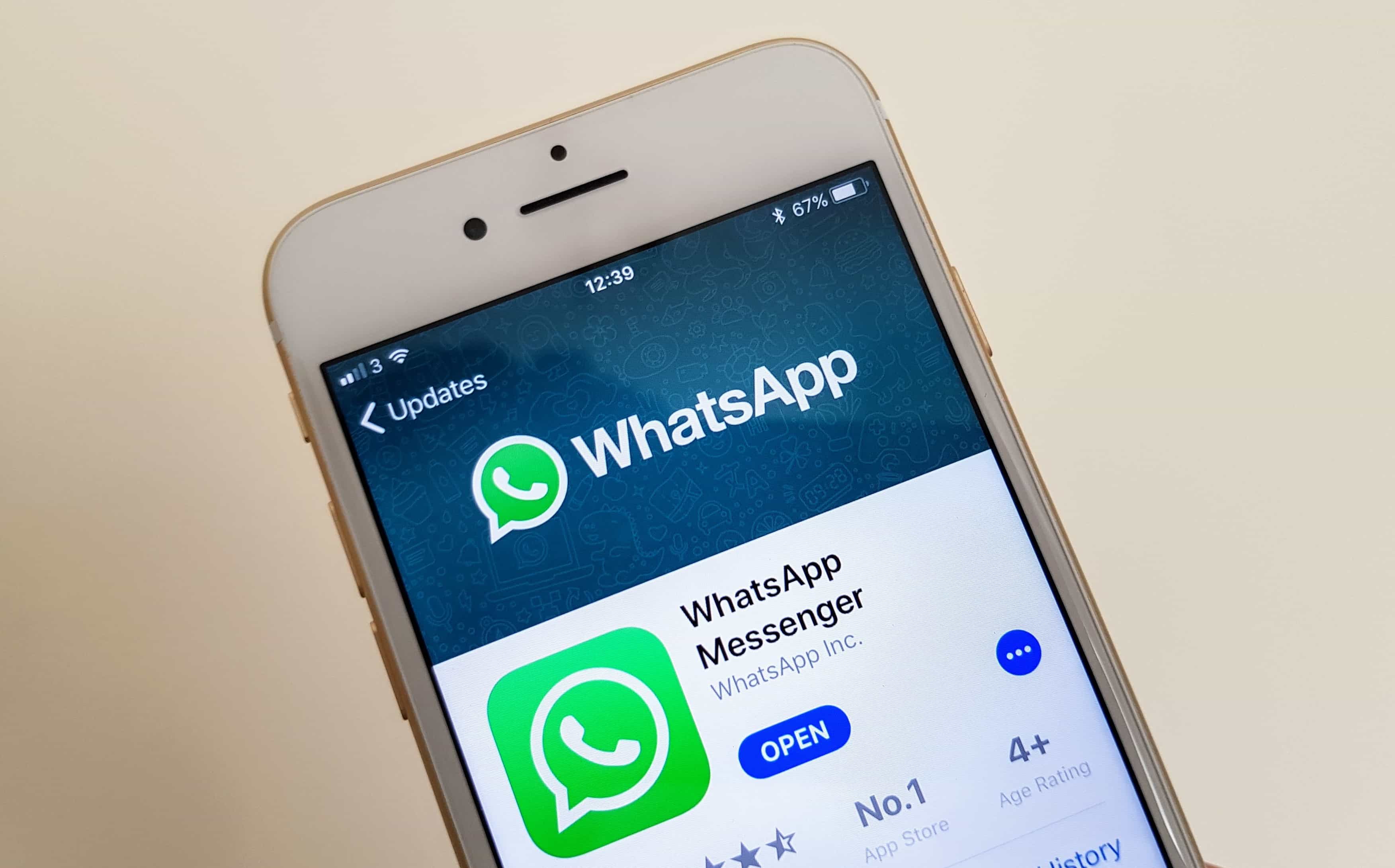
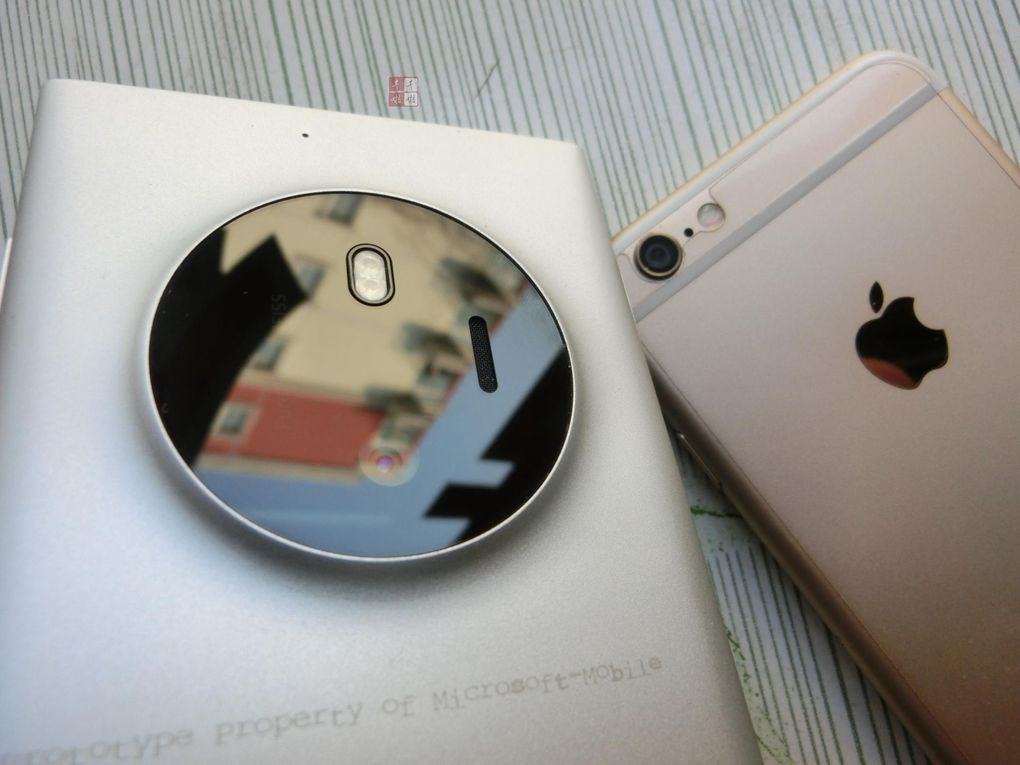
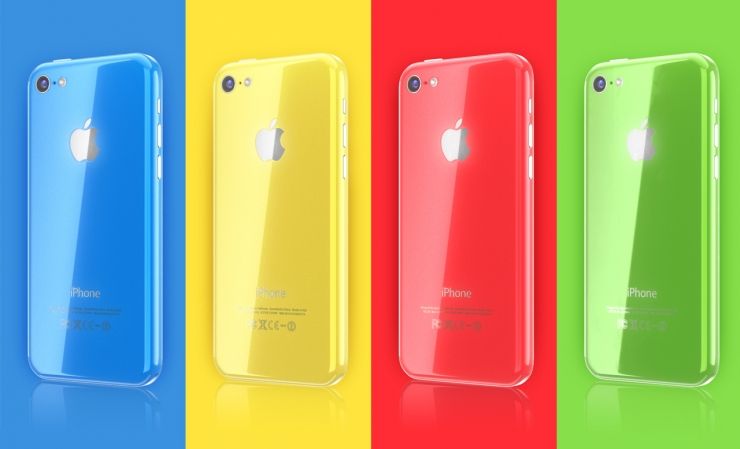
Coming soon to an iPhone near you? Photo: Killian Bell/Cult of Mac
WhatsApp today confirmed it will drop support for devices running iOS 8 early next year.
You’ll need to update to iOS 9 or later to continue using the app. WhatsApp warns that some features could stop working at any time after support ends in February.
You’ll need a new iPhone if you can’t update to iOS 8 or later. Photo: Killian Bell/Cult of Mac
If you’re still rocking an older iPhone running iOS 7, you’re going to need to upgrade if you want to continue using WhatsApp.
The world’s biggest messaging service will soon stop working on iOS 7 devices. Other aging operating systems are going to get left out in the cold, too.
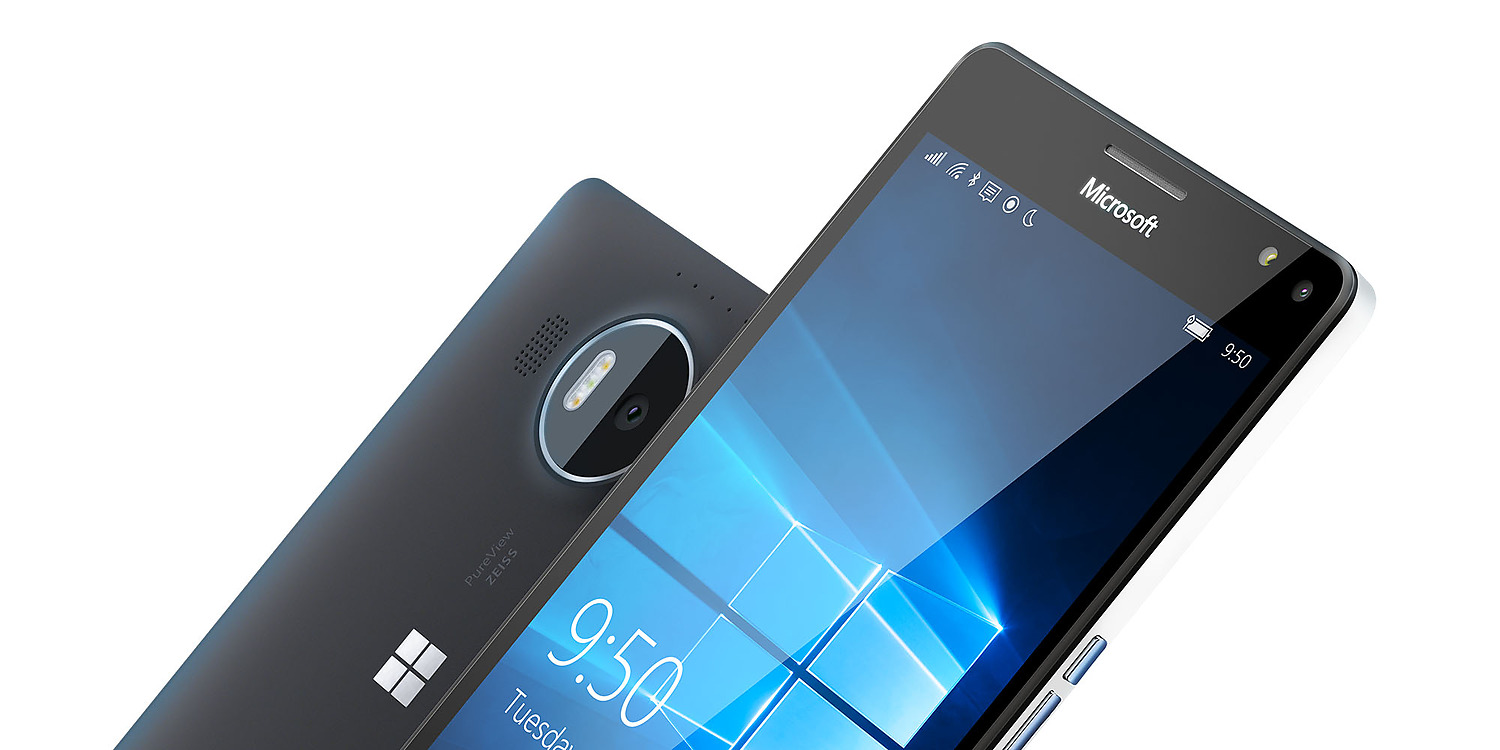
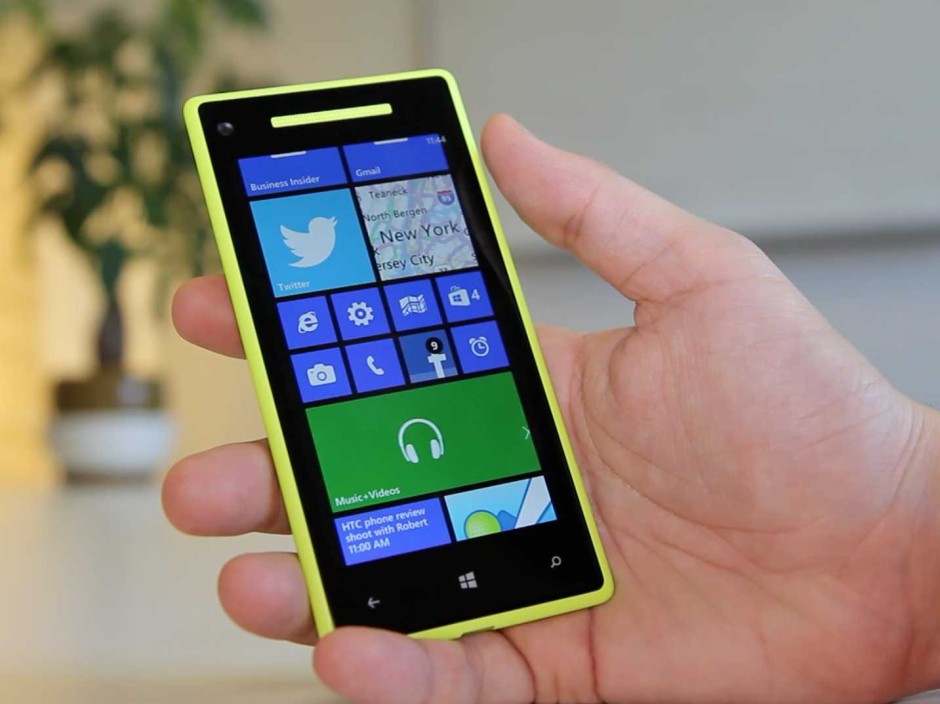
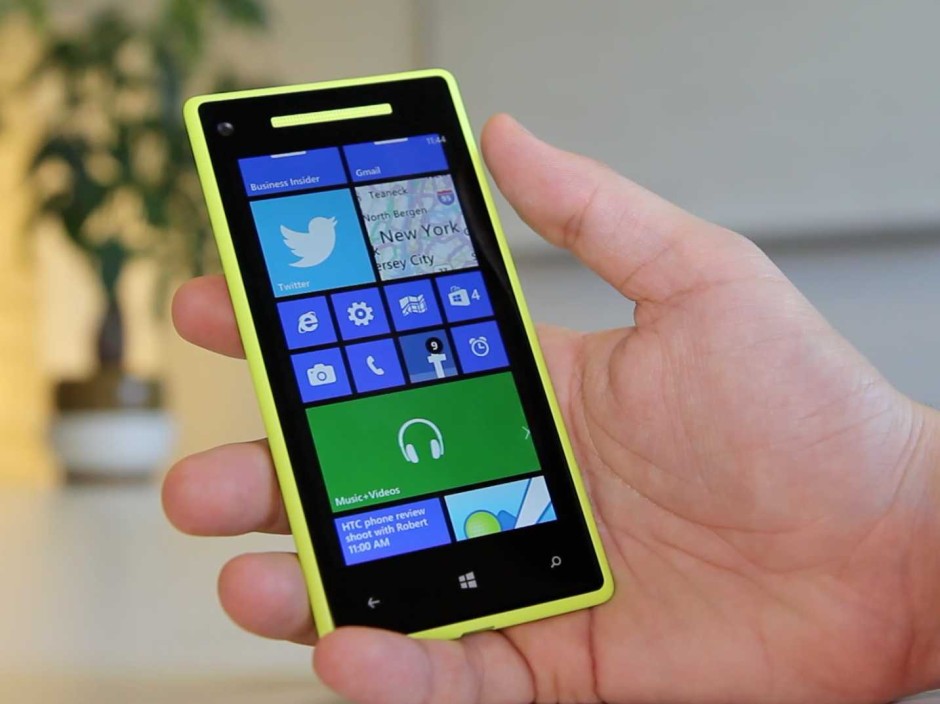
Windows phones could be about to make a comeback. Photo: Microsoft
Microsoft’s effort to compete with Android and iOS is over.
In a series of tweets, the company’s vice president of operating systems admitted that there will be no new features or hardware for Windows 10 Mobile in the future. He blamed the decision on a lack of support from third-party app developers.
Gates revealed to Fox News he's now an Android user. Photo: Fox News
Bill Gates just got himself a brand new smartphone, and it isn’t an iPhone 8.
The Microsoft co-founder has ditched Windows Mobile for Android. Despite getting closer to Steve Jobs before he died in 2011, Gates still has no interest in using iOS.
New York cops will soon own iPhones. Photo: Ste Smith/Cult of Mac
The New York Police Department will scrap the 36,000 Windows Phones it bought for cops over the past two years and replace them with iPhones, a new report claims.
The first iPhones will be introduced just two months after the last Windows Phone was handed out, the New York Post reports. The Windows Phones were introduced as part of a $160 million initiative that Mayor Bill de Blasio referred to as “a huge step into the 21st century.”
HomePod firmware spills more iPhone 8 secrets. Photo: Apple
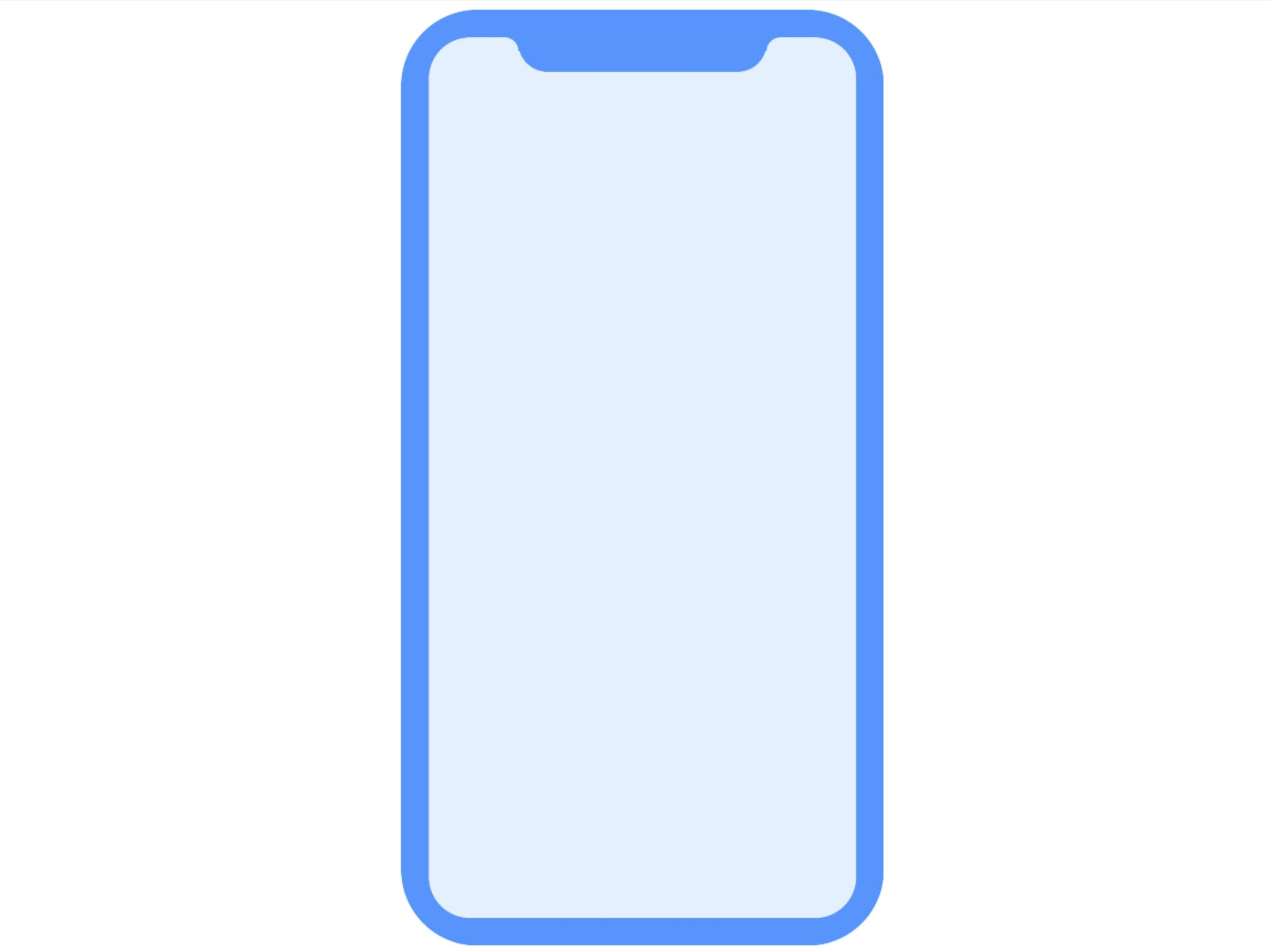
Yet more information about the iPhone 8 has been discovered in Apple’s HomePod firmware. We now know the device will have a split status bar designed to fit its edge-to-edge display and tap to wake functionality like its Android-powered rivals.
However, the future of Touch ID still looks bleak.
Wikileaks' "Vault 7" data dump allegedly reveals CIA hacking tools used to compromise iPhones, Android phones and other devices. Image: Gordon Johnson/Pixabay
The Central Intelligence Agency has been using malware to spy on iPhone and Android users, according to the largest-ever publication of confidential documents from WikiLeaks — and the spy tools are now in the hands of others.
As part of a covert hacking program, the CIA created a “malware arsenal” and dozens of “zero day exploits” to infiltrate smartphones, tablets and even smart TVs to extract data and turn them into covert microphones.
But the agency recently lost controls of these tools. Those who have obtained them now have “the entire hacking capacity of the CIA” at their disposal, according to WikiLeaks.
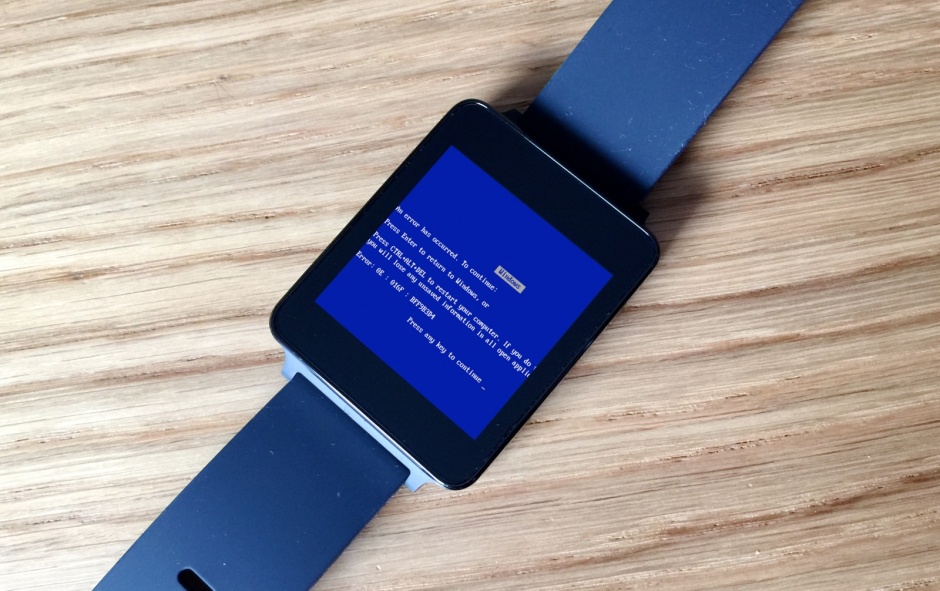
Is this the blue screen of death for Microsoft's phones? Photo: Microsoft
Microsoft may be doing great in some areas of its business, but it’s struggling in others — with “exhibit A” being its smartphone business.
Having sold off its feature phone business this month, Microsoft has now announced plans to “scale back” its smartphone output — which will impact “up to 1,850 jobs worldwide,” although Microsoft still claims it’s got some “great new devices” being developed for the future.
Check out Terry Myerson, Microsoft’s head of Windows’ message to employees:
Yeah. Someone did this again. Screenshot: Killian Bell, Esq.
If you had asked me in the 1990s, I’d never have thought I’d one day feel sorry for Microsoft, but right now it’s pretty hard.
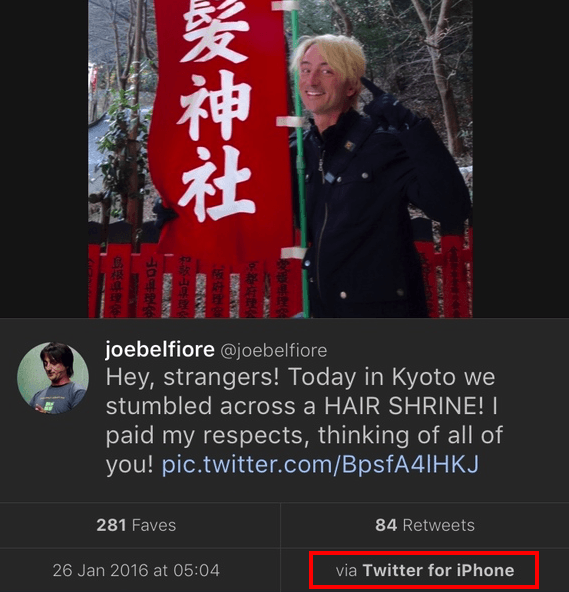
Two days after Microsoft finally got NFL announcers to stop calling the Surface an iPad, just in time for Microsoft’s tablet to stop working during a game, Microsoft VP Joe Belfiore, a.k.a. the long-time face of Windows Phone, has been spotted tweeting on an iPhone.
Cortana has arrived on Android and iOS. Photo: Microsoft
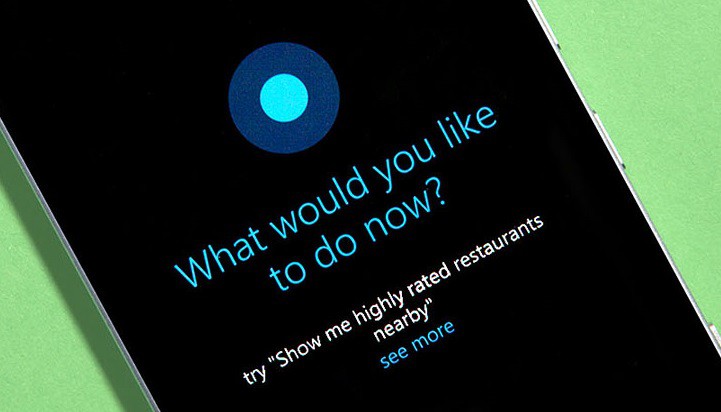
Microsoft Cortana is now officially available on Android and iOS following its beta run. The digital assistant, which has long been baked into Windows Phone and now Windows 10, hopes to compete with Siri and Google Now for a place on your device.
If you can’t bring yourself to pay for a virtual reality headset made of cardboard, then now’s your chance to bag one for free, courtesy of a popular porn portal. BaDoink advertises the many safe-for-work things you can do with the device, knowing full well you’ll try some NSFW things, too.
Remember that time Microsoft’s Steve Ballmer openly laughed at the iPhone? Well, it turns out the phone business isn’t so easy after all, because for the second year in a row Microsoft has announced it’s laying off large numbers of people — this time mainly involved with Windows Phone hardware.
Despite cutting a total of 7,800 jobs, however, Microsoft insists it’s not throwing in the towel on its Windows Phone division, and still plans to push forward with Windows 10 Mobile and launch new Lumia flagship devices later in 2015.
The battle between virtual assistants is about to hot up again as Microsoft Cortana prepares to go cross-platform to take on Siri and Google Now. The intelligent virtual assistant will be arriving on Android and iOS later this year, but you can get a sneak peek in the video below.
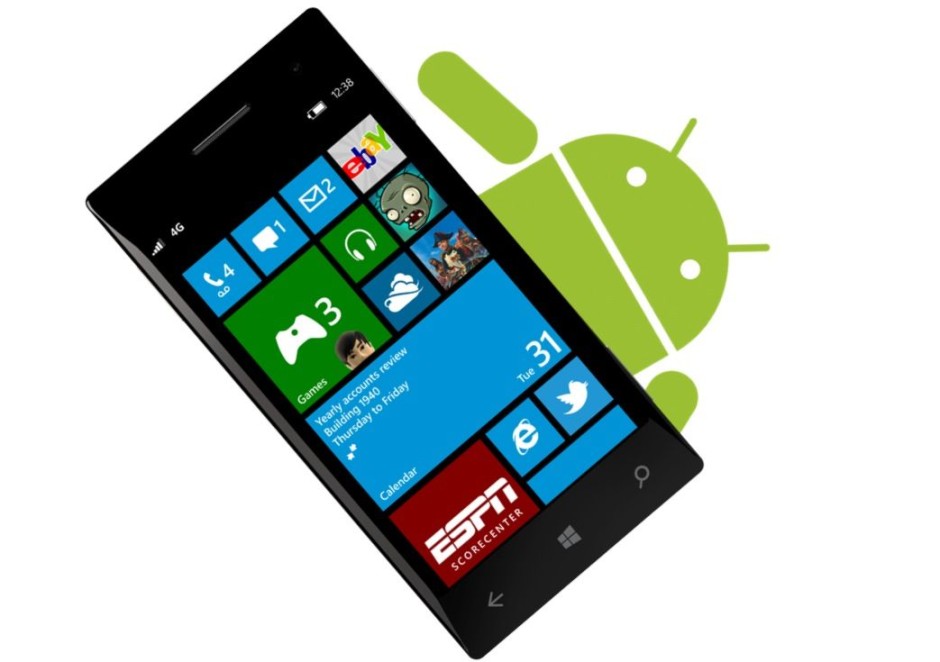
More than four years after its debut, Windows Phone still has a native app problem. Microsoft has now accepted that’s not going to change anytime soon, so in an effort to attract new users to its platform, it’s going to allow them to run Android and iOS apps… sort of.
Leaked promotional shot for the canned McLaren phone, Microsoft's flagship Lumia that was supposed to come out in time for the holidays. Photo: Baidu
If you needed any more confirmation that Windows Phone is dead in the water, two of its most high profile supporters have abandoned it for the iPhone.
Veteran Microsoft journalists Ed Bott and Tom Warren both published essays this week in which they criticized Windows Phone for its shortcomings and announced that they’ve stopped using Windows Phones personally. Citing a lack of carrier and third-party app support, both agreed that Windows Phone has missed its shot at being a real competitor in the smartphone market.
Android has yet again increased its lead in U.S. market share as its rivals give up precious points, according to the latest data from Kantar WorldPanel. Google’s popular platform now commands an impressive 61.8 percent share of the smartphone market, which is close to double the 32.6 percent now held by iOS.
Having previously taken a crack at the smartwatch market with its now-discontinued SPOT technology, Microsoft is looking to get back into the wearables space according to a report from Forbes, citing anonymous sources.
The watch will apparently be launched in the next few weeks and will work across a variety of platforms, which makes perfect sense since Windows Phone is a distant third compared to Android and iPhone handsets.
Its timing is an effort to capture the potentially-lucrative holiday market.
Cortana may be working for Microsoft, but apparently her free time belongs to Apple. (Picture: @supertino)
Microsoft may enjoy bragging about the perceived superiority of its Windows Phone virtual assistant Cortana over Apple’s Siri, but the actress who voices Cortana apparently isn’t so convinced.
In a recent tweet, actress Jen Taylor (@jentaylortown) tweeted the message “Oh my geez Seattle is beautiful” via iOS, suggesting that while Microsoft may be helping bring in the paychecks, that money is going on Apple products.
Microsoft wants to apply some Apple-style stringency to clean up its App Store.
While it certainly has its fair share of clones and discoverability issues, Apple’s mega profitable App Store is still the toast of the App Store world.
With that in mind, Microsoft is using it as its (unofficial) model for rethinking its own Windows app store which, to put it bluntly, is downright broken.
Nokia’s incredible PureView camera technology is one of the reasons why so many Android users were desperate to see the Finnish firm ditch Windows Phone and bring Google’s platform to its flagship smartphones instead — and you could soon see the same technology in future iPhones.
Apple has used Microsoft’s recent acquisition of Nokia’s handset business as an opportunity to poach executives who are seeking new challenges, and the Cupertino company has just hired Lumia engineer and PureView camera expert Ari Partinen.
We’ll admit we’ve called the iPhone 5c a flop more than a few times. But it’s important to remember that what is a flop for Apple would be a huge success by the standards of any other company, which is why the iPhone 5c outsold every Blackberry, Windows Phone and Android flagship in Q4.
That’s not to say that the iPhone 5c’s sales are what Apple wants it to be. In the most recent quarterly earnings conference call, Tim Cook himself admitted that iPhone 5c demand “turned out to be different than we thought.” Even though the iPhone 5c is selling well according to the standards of the rest of the smartphone industry, you have to wonder if even for $100 less, people would really prever a colorful plastic iPhone 5c than a premium-feeling iPhone 5. Even people opting for year old miles are buying an iPhone to get a high-end product, and the major failing of the iPhone 5c seems to be the plastic just doesn’t satisfy that requirement. What do you think?
Microsoft today launched a new OneNote application for Mac after more than 10 years of desktop exclusivity on Windows. You can download it now from the Mac App Store, and just like its iOS counterpart, it’s completely free.
Microsoft will release a OneNote application for Mac later this month, according to sources familiar with its plans.
OneNote is already available on iOS and Android — and, of course, Microsoft’s own Windows platforms — and the new Mac app is part of the company’s plans to take on rival note-taking services like Evernote.