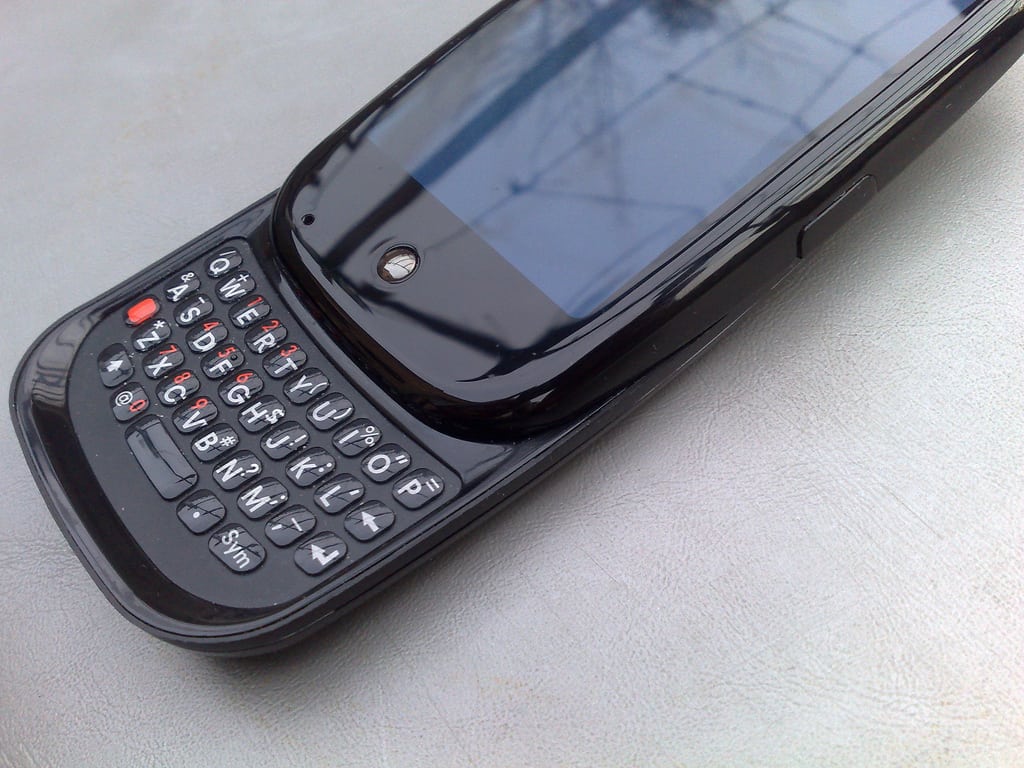
The Palm name will return to the smartphone market, according to federal documents. Photo: desmorider - http://flic.kr/p/7KY6dt
Palm, once considered a darling of innovation, disappeared from hands thanks to a series of ill-fated mergers and game-changing smartphones, including the iPhone.
Now Palm, or least the name, is poised for a comeback with an Android smartphone later this year.
It may look different to the iPhone X, but this is the one many people are reminded of. Photo: Abul Hussain/Flickr CC
The iPhone X’s futuristic features have some folks thinking Back to the Future. Almost immediately after Apple’s big event this week, some were waxing nostalgic about an eight-year-old device that in some respects, resembles Apple’s latest handset.
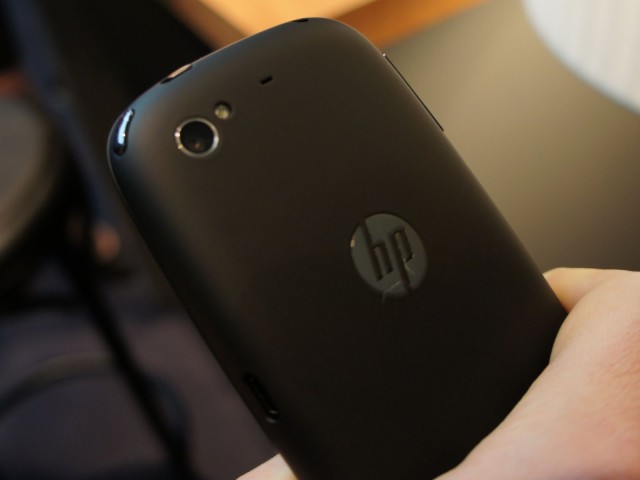
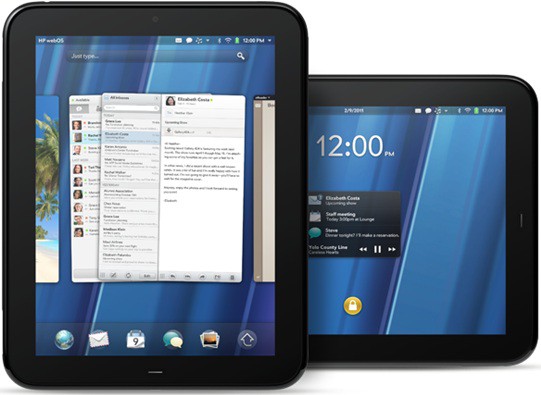
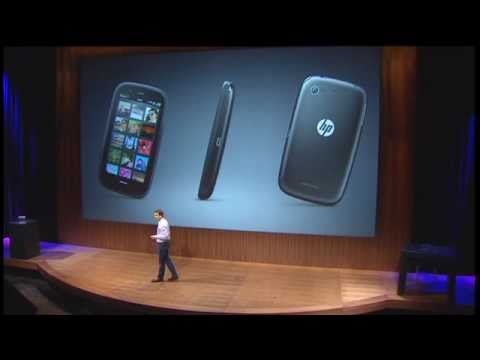
HP famously gave up on its smartphone and tablet business back in 2011 when it announced that it would no longer be developing hardware powered by its webOS platform. But two years later, the company is planning to have another crack at it.
Yam Su Yin, HP’s Senior Director of Consumer PCs and Tablets, has confirmed that the company is already working on a new smartphone — one that will deliver a unique experience that you won’t get from its rivals.
Palm and its line of smartphones might be extinct, but its patents have managed to live on after the company’s death, and Apple’s ready to scoop some of them up.
Apple reached an agreement with Japan’s ACCESS Co., Ltd. to license $10 million worth of patents that were originally created by Palm and PalmSource. Other patents were included in the deal from Bell Communications and Geoworks as well.
One of the most common complaints that we hear about iOS is that it’s getting boring. We’ve been using practically the same interface for over 5 years and haven’t seen any major changes, so people are hoping for something new and exciting with iOS 7.
Jesse Head’s iOS 7 App Switcher concept comes with the type of UI changes we’re hoping to see. The simple concept makes switching between apps more effective. You wouldn’t have to deal with thumbing through a row of little app icons, but instead would see a bunch of app tiles with live previews. You can swipe to quit, search for apps, and control your music or brightness in a flash.
Symantec Mobile Management integrates with the company's other enterprise tools
May is Mobile Management Month at Cult of Mac, where we will be profiling a different mobile management company every weekday. You can find all previous entries here and read our Mobile Management manifesto here.
Symantec has long and solid track record in delivering enterprise systems. The company’s full lineup of enterprise solutions are practically a one-stop shopping list for IT departments offering everything from virus and malware tools right through every IT task (deployment, Mac/Windows workstation management, help desk operations, even inventory). As you’d expect, Symantec Mobile Management integrates quite nicely with other Symantec enterprise tools creating a streamlined single source IT infrastructure.
Even as a standalone product, however, Symantec Mobile Management is an attractive offering. It has a powerful focus security and includes secure file management features. It’s also extremely scalable and makes almost every IT/mobile management processes as hand-off and automatic as possible. Even device enrollment is simple and designed to be accomplished by end users with little or no input from IT. That makes it particularly attractive to larger enterprise organizations.
Sybase Afaria offer comprehensive mobile and desktop management
May is Mobile Management Month at Cult of Mac, where we will be profiling a different mobile management company every weekday. You can find all previous entries here and read our Mobile Management manifesto here.
Sybase, and SAP company provides a range of enterprise IT solutions. Afaria, Syabase’s mobile management platform, is a comprehensive solution that ties in with other Sybase and SAP enterprise products (most notably its desktop PC management offerings). Overall, the platform is a great resource for existing SAP and Sybase customers.
PushManager focuses on simplifying device setup and management
May is Mobile Management Month at Cult of Mac, where we will be profiling a different mobile management company every weekday. You can find all previous entries here and read our Mobile Management manifesto here.
PushManager provides a solid device management solution that also provides basic app deployment and management capabilities. PushManager puts a focus on being easy to set up and administer while also providing core security features. The company offers cloud service that is extremely easy to implement and can support a range of business types and sizes. For organizations with significant infrastructure, an on-premise package is available that can integrate with Active Directory.
MobileIron focuses on security and efficiency in device and app management
May is Mobile Management Month at Cult of Mac, where we will be profiling a different mobile management company every weekday. You can find all previous entries here and read our Mobile Management manifesto here.
MobileIron was one of the first companies to launch support for Apple’s mobile management framework. The company has a rich experience of helping organizations of all kinds manage iOS and mobile device deployments. MobileIron’s team has experience solving mobile management issues in business, healthcare, government ,and education markets. The company focuses on developing an integrated solution using its cloud technologies and existing business/enterprise systems and infrastructure. At the same time, MobileIron focuses on making initial deployment and ongoing management as efficient as possible while still providing effective device and network security. The company also offers a range of monitoring feature that go beyond security including tracking of device and app use, network performance, and mobile expenses – all under the moniker Mobile Activity Intelligence .
MaaS360 offers comprehensive management including Mac/PC management
May is Mobile Management Month at Cult of Mac, where we will be profiling a different mobile management company every weekday. You can find all previous entries here and read our Mobile Management manifesto here.
Fiberlink’s Maas360 offers a range of management capabilities with an emphasis on app and information management. A document management app can be deployed to devices to provide secure on-device storage for business data with optional sandboxing to prevent corporate files from being opened by unapproved apps. App management includes an enterprise app store with granular policy options for determining app access as well as app blacklist capabilities. In addition to traditional mobile devices like smartphones and tablets, MaaS360 can also apply some management policies for MacBooks and Windows notebooks. This combination of available features making one of the more robust mobile management systems on the market. The company also has a strategic partnership with Verizon Wireless.
Despite being labeled the first real competitor to the iPad, it seems Amazon’s 7-inch Kindle Fire tablet still has a long way to go before it can lure tablet users away from Apple’s device. Although it seemed to be incredibly popular when it launched last year, largely thanks to that attractive $199 price tag, Apple CEO Tim Cook says the Kindle Fire, and other “limited function tablets,” had no impact on iPad sales whatsoever.
Photo by desmorider - http://flic.kr/p/7KY6dt Photo: desmorider - http://flic.kr/p/7KY6dt
How did HP get into such a mess with webOS? Essentially, the company shot itself in the foot as a parade of managers streamed through the corporate suites in a nightmare scenario reminding one of the worst days of Apple. Ousted HP CEO Leo Apotheker must take the blame, a former webOS head said.
Now that Samsung has denied that they are eying webOS as a potential platform for its mobile devices, HTC could end up being the one to purchase Palm’s former OS to compete against Apple’s iOS.
Not only would HTC buying webOS make sense financially, but it would also position HTC in a unique position to combat the growth of iOS in the mobile market.
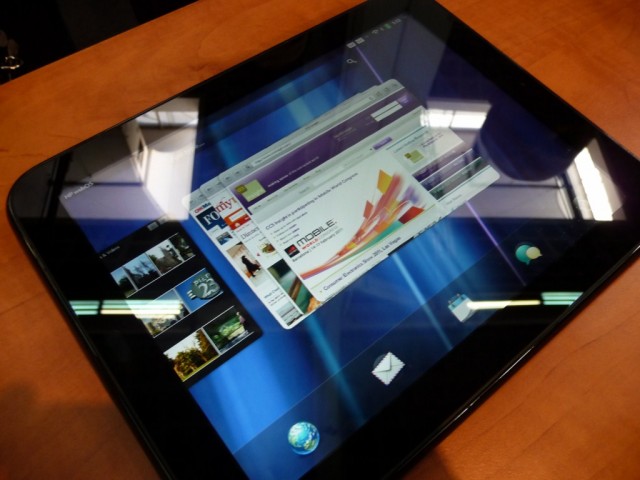
The HP TouchPad, which the company killed last week due to few sales and retailer rejections, might live again if the firm spins-off its PC manufacturing business, an executive in China said Tuesday.
The security experts at McAfee have published details of a new study that found during the second quarter of 2011, Android-powered devices faced a staggering 76% increase in malware than that of the first quarter — while Apple’s iOS devices remained unaffected by malicious exploits.
Samsung’s in trouble. The Korean electronics giant is being sued by Apple in just about every market for copying Apple’s iOS, iPhone and iPad designs… and Apple’s winning. Worse, Samsung’s biggest mobile partner, Google, just bought out one of their main smartphone competitors, Motorola, for $12.5 billion. Now that Google has an Android hardware team in-house, how much longer will third-party smartphone makers like Samsung be given equal access to the Android operating system?
It’s a tight spot, and Samsung knows it’s in trouble. Samsung boss Lee Kun-Hee reacted to the news of Google’s acquisition of Motorola Mobiity by telling top managers on Monday to “boost software prowess, patent pools and talent,” as well as seek out opportunities for mergers and acquisitions. Samsung — probably correctly — thinks this will be a quicker way to boost the prowess of their own in-house mobile OS, Bada.
Well, bada bing, bada boom, because a huge acquisition opportunity may have just presented itself. After a single round, HP just threw in the towel on webOS, a mobile operating system they purchased along with Palm back in 2010 for $1.2 billion.
We’re just spitballing here, but maybe Samsung should buy webOS and the Palm business out from under HP? Here’s why it could be a good move.
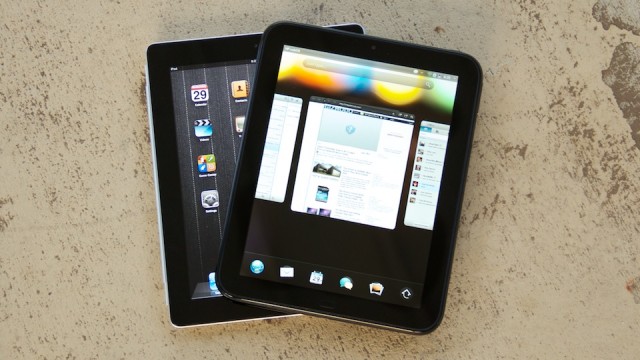
The reviews of HP’s would-be iPad-killer are in, and they all agree on one thing: the HP Touchpad is no iPad, but webOS has a huge amount of promise.
Now an internal email sent out to HP staff has leaked, written by Palm’s Senior Vice President, and it compares webOS’s rough edges along with its promise to Mac OS X ten years ago.
HP will be releasing its own would-be iPad killer on Friday. Called the HP Touchpad, it’s the first tablet running webOS 3, the tablet-sized operating system HP picked up from Palm last year. But what is the critical consensus? Is the HP Touchpad a viable competitor to the iPad?
Across the board, the answer is no, but most critics agree that six months from now, webOS 3 — if not the Touchpad itself — could be a viable threat to iPad. Right now, though, the HP Touchpad is unpolished and messy.
Here’s the only review of the HP Touchpad you need, glommed together from the Internet’s gadget blogging hivemind.
Apple is reportedly working closely with Verizon Wireless to introduce over-the-air software updates to the iPhone with its iOS 5 firmware. Starting this fall, iPhone users will be able to update their iOS software wirelessly, without having to plug the device into iTunes, or involve a computer altogether. It’s a luxury Google Android and Palm webOS users have been enjoying for some time, and Apple’s finally bringing it to iOS.
Multiple sources for 9to5Machave revealed the feature will debut with iOS 5 and will support subsequent iOS releases. Apparently, Apple already has the technology, but doesn’t want to release it to the masses all at once. It will therefore be available only to Verizon customers initially.
UPDATE: I sent an email to App Remix’s CEO Jonathan George asking whether his company was going to be bought by Apple. His response? “No comment…” he said.
Apple is working on a new notification system for iOS and will be buying a small company to build its technology into the operating system, according to one of our sources.
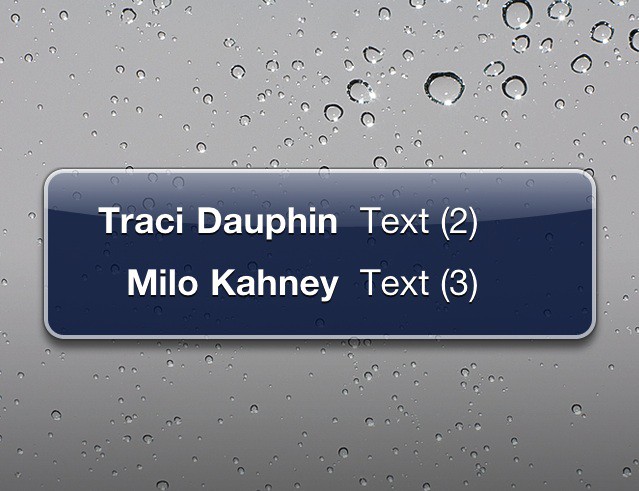
Apple’s pop-up notification system for new text messages, voicemails and the like has often been criticized as one of the weakest parts of the iOS. Notifications are intrusive, modal and often cryptic. It’s a mess.
HP/Palm’s webOS banner notification system, on the other hand, has been widely praised for its utility and ease of use. And from this week’s preview, it looks to be getting better.
There were rumors last year that the iPhone’s notification system would be fixed after the chief architect of Palm’s system, Rich Dellinger, returned to work at Apple. However, the system still hasn’t been fixed, and according to our source, Apple is now trying to buy a small app developer to fix it.
Our source, who asked to remain anonymous, didn’t know the identity of the company, except it already has an iPhone app in the App Store.
One candidate is Boxcar, a free app from App Remix that enables push notifications for Twitter, Facebook, and email. Boxcar’s system has been highly praised, especially the new iPad version.
Other than that, we couldn’t find other obvious possibilities for the company Apple is buying. If anyone has a good idea, please leave it in the comments.
Apple’s put down webOS before in the smartphone wars, but you can’t keep a solid operating system down for the count: six months after HP acquired Palm, they have just announced webOS 2.0 and the Pre 2 smartphone.
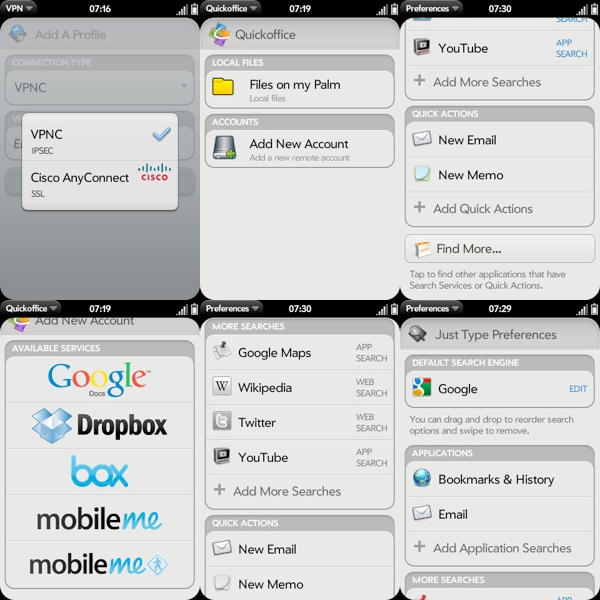
HP soon intends to relaunch their Palm-acquired webOS mobile operating system with a major new version, which they intend to use in a new lineup of devices to compete directly with iOS devices like the iPad. One new addition to the webOS arsenal of software features is pretty head-scratching, though: according to leaked screenshots of the software beta, the next version of webOS will sport MobileMe integration.
Huh. We don’t get it. Sure, Palm has done its dance with Apple before, giving Pre owners the ability to sync their media libraries through iTunes until Cupertino dropped the banhammer. But in that case, the benefits made sense. What does MobileMe integration get someone who has opted to buy a webOS phone or tablet instead of an iPhone or iPad… and just as importantly, what does it get HP, and will Apple kick?