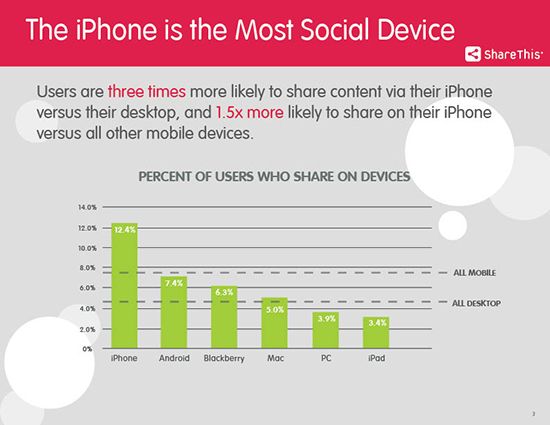
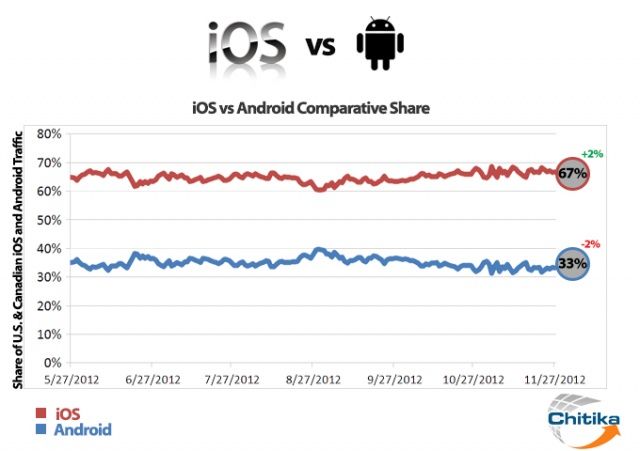
Android technically sells more smartphones than Apple, but iOS devices continue to dominate mobile web traffic. Chitika Insights has been tracking web traffic on the top mobile platforms, and iOS commands 67% of usage and Android only 33%.
Since May, iOS has seen 2% traffic growth while Android has seen a 2% decrease. Both parties have put out a volley of new devices in recent months, yet the percentages have largely stayed the same for both. More people may be buying Android devices, but iOS device owners appear to be more active online.
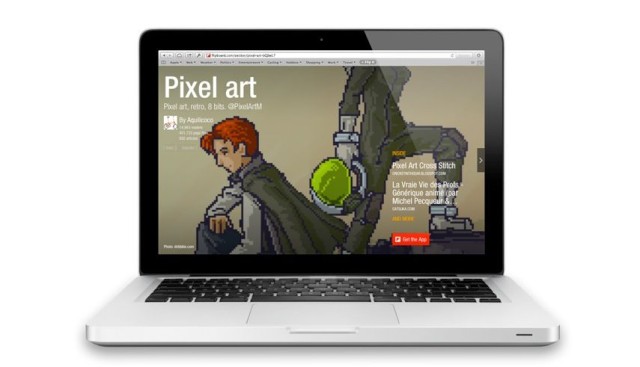
Even though they’re not leading in marketshare, Apple’s iOS devices account for more than 60% of all mobile web consumption. Because of this, many websites provide custom layouts for multiple devices so that users can enjoy an optimized experience regardless of whether they’re viewing a website from their iPad, iPhone or MacBook.
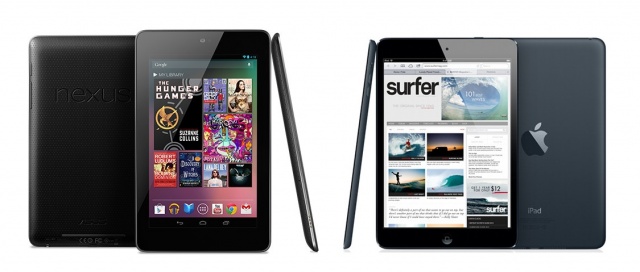
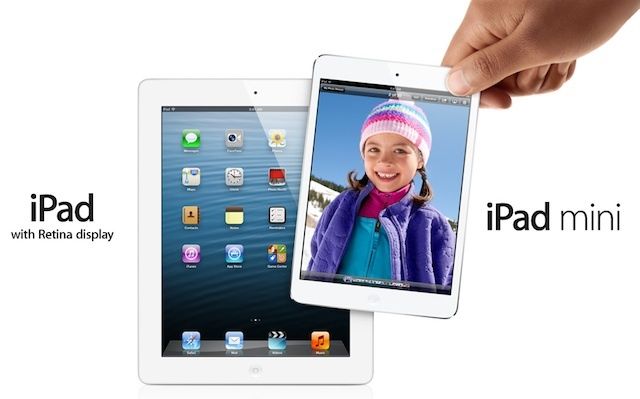
However, with the new iPad mini Apple has made it impossible for developers to deliver an optimized experience for the device, and that’s not likely to change anytime soon.
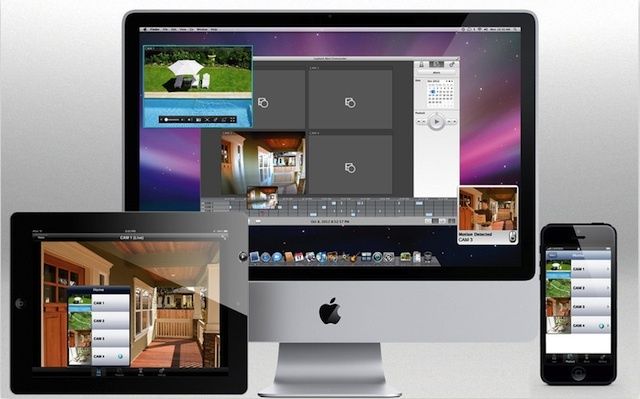
Logitech’s Alert security system seemed pretty impressive when it first popped up on our radar: advanced indoor and outdoor cameras, night vision, lots of options — and here’s where your ears should perk up — the ability to view and control the cameras from an iPad or iPhone through the Logitech Alert iOS app. Only problem was, Logitech somehow forgot to make a Mac version of the Alert Commander software that comes with, and controls, the system.
But today Logitech has indeed released the a Mac version of the Alert Commander software (available as a free download at the App Store). Better late than never, and now we’re happy. But did it really have to take this long?
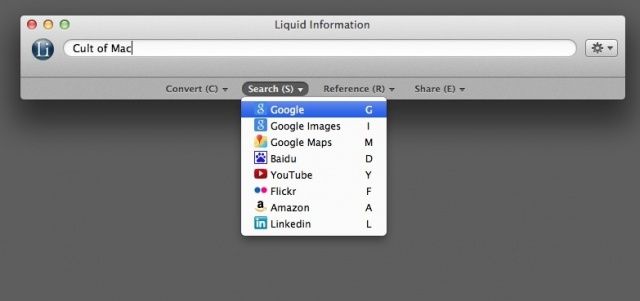
Liquid is a productivity helper for OS X. It comes in two flavors – free and paid. The idea is to speed up your information seeking workflow. You find something you need to research, and a few key presses later you’ve got some data. Or a unit conversion. Or, in the paid version, a language translation. It’s got a lot of features.
People are updating to iOS 6 faster than you can say Cupertino.
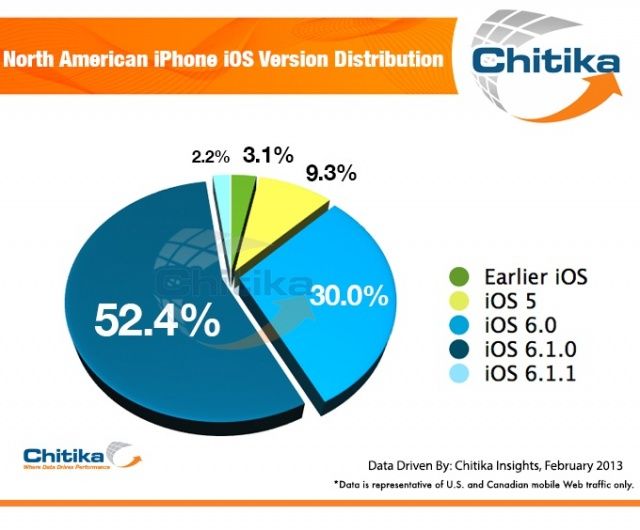
Apple released iOS 6 to the masses on September 19th, and it was reported that 15% of all iOS devices had been updated to the new operating system within the first 24 hours of availability. Chitika Insights has been tracking iOS web traffic since the release of iOS 6 last month, and new numbers today confirm a particularly aggressive adoption rate.
Quick, answer this one: what’s the quickest, easiest, no-sign-ups required way to get a bunch of photos from your iPhone to the internet, right now?
Instagram? Nope. You’re kind of right, but Instagram has its limitations. And you need to sign up to use it. Apple’s Photo Stream? Closer, but you still need to be using iCloud.
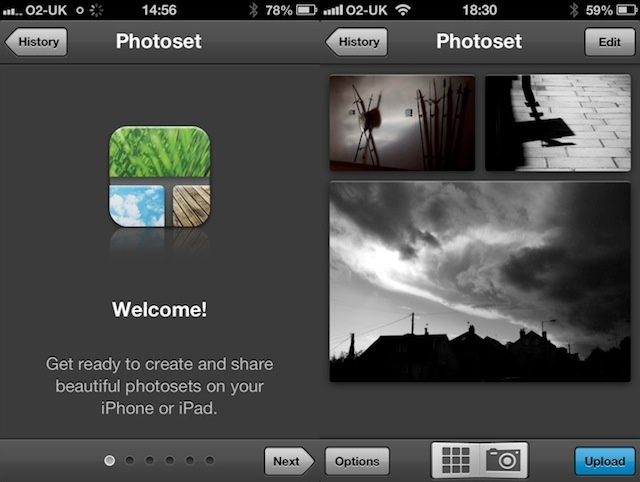
The quickest, easiest and no-sign-uppiest service I’ve yet seen has to be Photoset, a new thing from the people who make Tumblr.
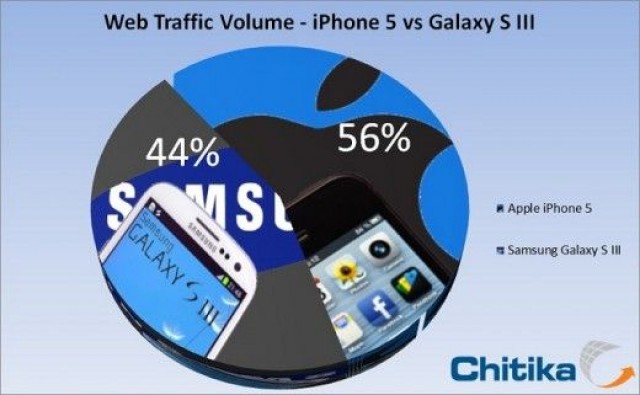
It’s been just three weeks since the iPhone 5 started shipping, and Apple’s latest smartphones already accounts for more web traffic than the Samsung Galaxy S III, according to a new report.
It’s thought the handset’s “record-breaking sales numbers” — which have made it the fastest-selling iPhone to date — plus its “new 4G browsing speeds which encourage data usage” are just a couple reasons why the iPhone 5 is so big when it comes to web browsing.
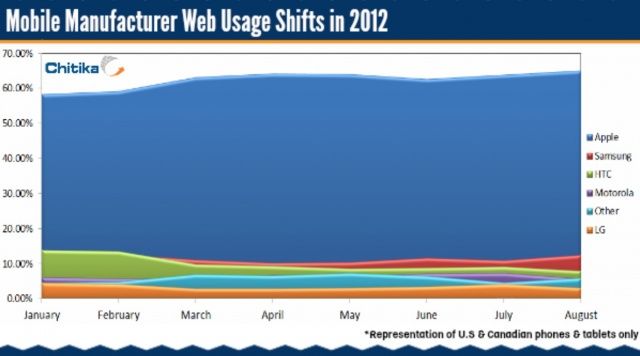
Apple devices currently account for over half of all mobile web traffic in the U.S. and Canada, according to Chitika. During August 2012, Apple’s share of web traffic on mobile devices grew from 63.75% to 65.03%. Samsung trails behind at a distant second place with a 12.47% share.
“With the iPhone and iPad, Apple dominates the mobile market when it comes to web usage,” reports Chitika. “The company had another stellar month, and now its devices generate over 65% of all mobile traffic.”