This VoIP communications post is presented by Zadarma.
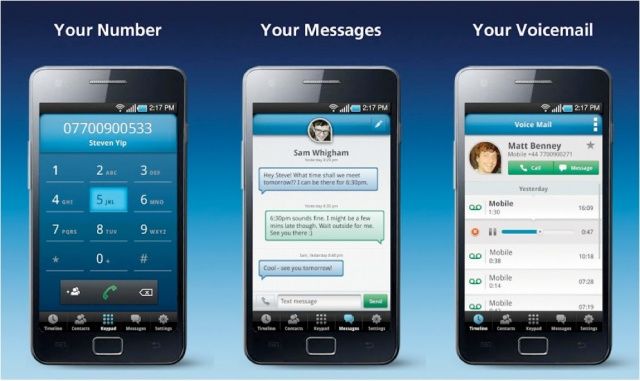
Cloud communications platform Zadarma recently released an updated iOS version of its app that offers businesses easy access to Voice over Internet Protocol (VoIP) communications internationally. Plus, it solves one of modern life’s most annoying problems: keeping business and personal calls and text messages separate.
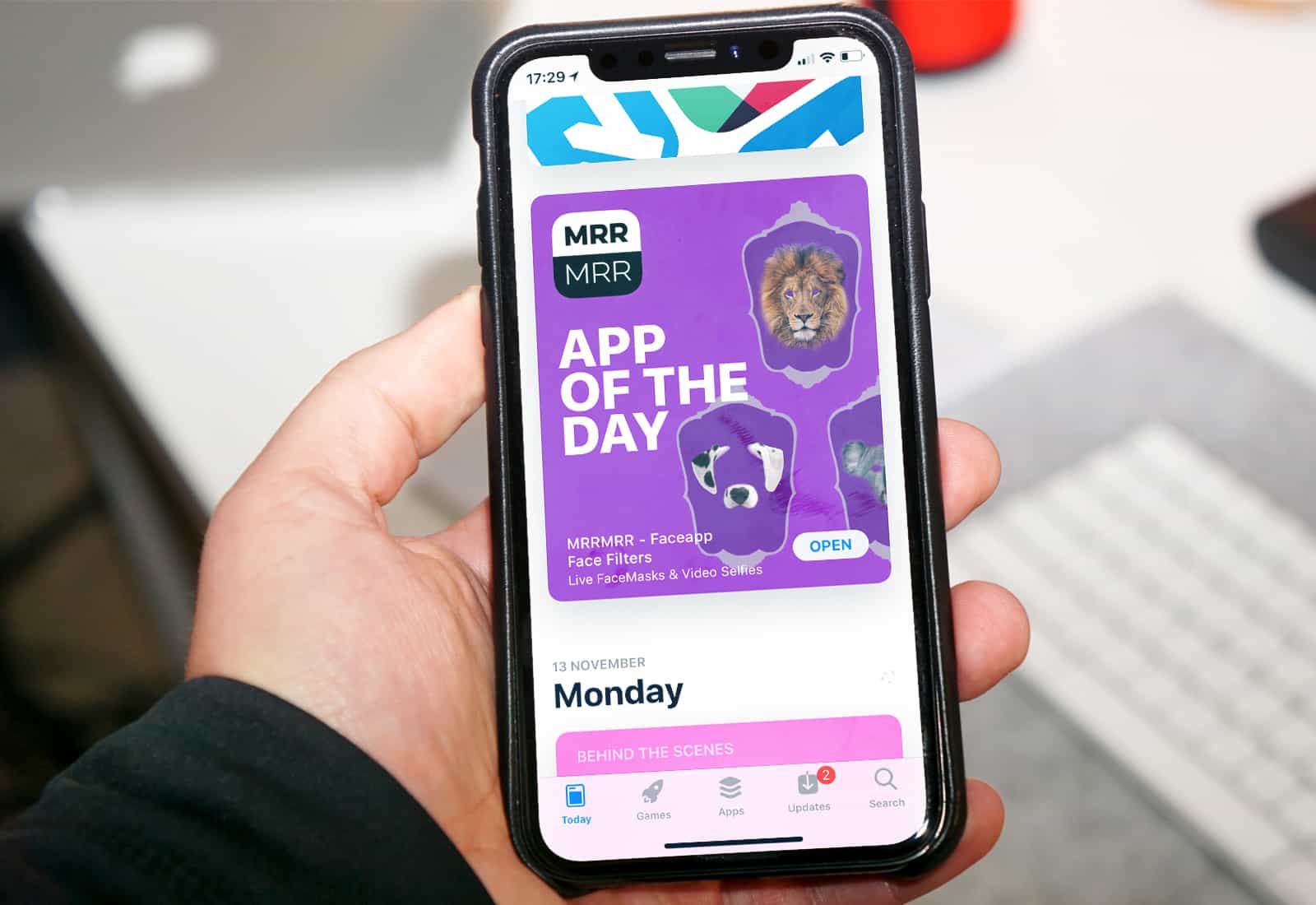
Apple apps no longer dominate App Store search results. Photo: Ste Smith/Cult of Mac
Apple has started removing duplicate VoIP apps from the App Store.
The purge comes after a report highlighted a shady practice some developers have been using to game App Store search results. Plenty of clones still remain in other categories, however.
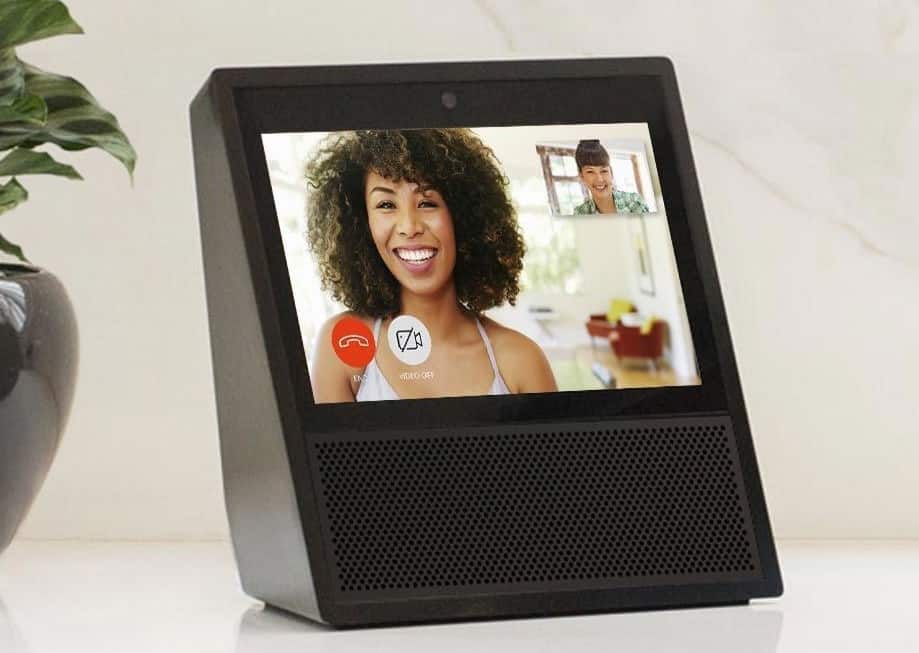
iPads can now make video calls to Amazon Echo devices. Photo: Amazon
Although people most often use Alexa to ask about the weather or play music, Amazon’s smart assistant is capable of much more, including connecting with friends and family. A convenient Alexa calling feature is now available on a range of tablets, including the iPad. This allows the tablet to make voice or video calls to an Amazon Echo.
All that is required is the Amazon Alexa app for iOS (and giving Alexa access to your list of contacts).
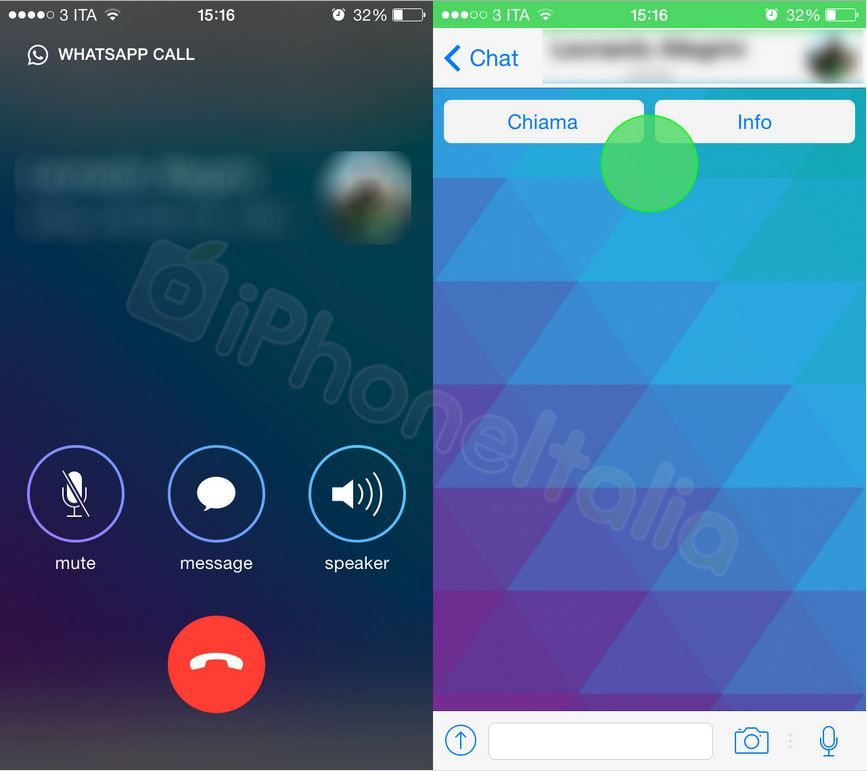
Immensely popular cross-platform messaging service WhatsApp is gearing up to take on Skype with voice-over-IP (VoIP) calling — and these are the screenshots that prove it. The feature will have a similar interface as the built-in Phone app, and it boasts features like speaker phone and muting.
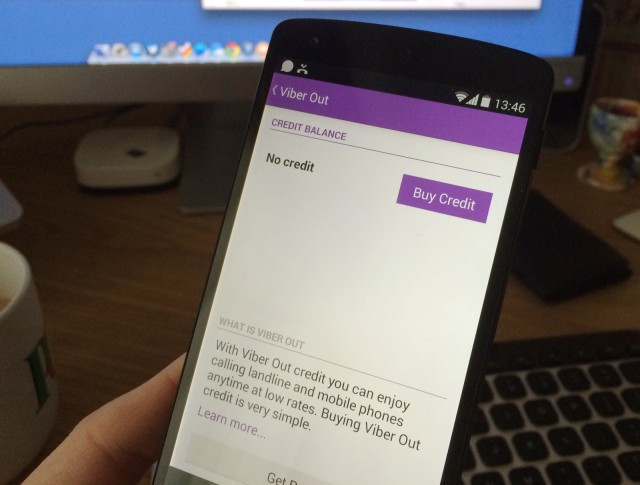
Viber, the hugely popular cross-platform messaging service, now offers low-cost calls to mobile phones and landlines worldwide as part of a new service called Viber Out. It’s available on Android, iOS, and though the Viber desktop client, and it boasts call fees substantially cheaper than Skype’s.
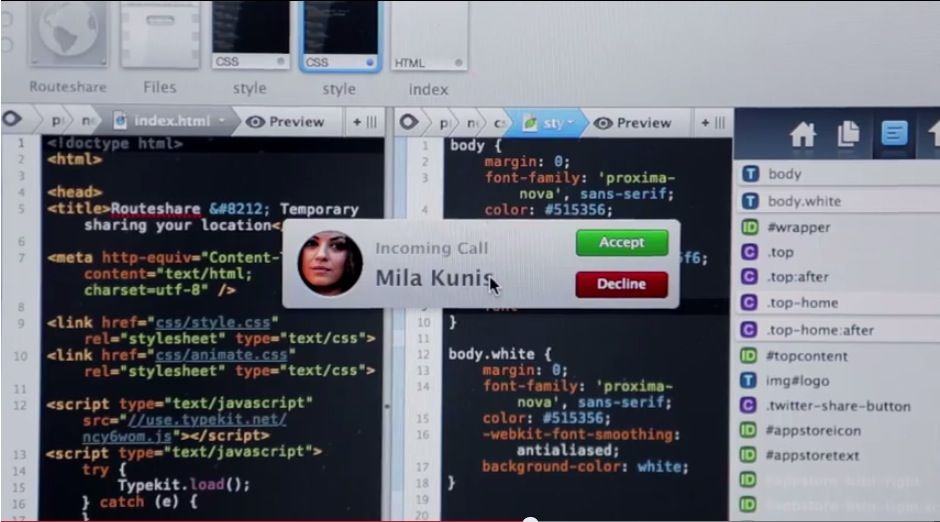
It’s happened to everyone. You’re typing on your Mac, and you suddenly get a phone call on your iPhone. But you only have two hands. On a deadline, you grab your iPhone, and try to talk to whomever is calling by clenching your phone against your shoulder with your chin, but it suddenly slips, and slides down your tucked shirt and into your underpants. And now, here you are, screaming at your crotch to call you back while shaking an iPhone down your pants leg. How embarrassing.
What, that hasn’t happened to you? How strange. Must just be me. Either way, though, wouldn’t it be cool if you could just route incoming iPhone calls to your Mac? Now you can, thanks to Dialogue.
Facebook has today rolled out its new VoIP calling feature to Messenger users in the United Kingdom, following its launch in the United States back in January. Available only on the iPhone, the feature allows users to make free voice calls to their Facebook friends over Wi-Fi and 3G.
British carrier O2 has today launched a new VoIP and messaging service called TU Go, which is available to its pay monthly customers with Android and iOS devices. The service allows users to make calls and send texts over the Internet, so even when they have no cell reception, they can connect to a Wi-Fi hotspot and get in touch with friends and family.
Today, Facebook updated its Messenger app for both iOS and Android, adding a voice messaging capability to the app on both platforms.
There have also been reports that Facebook has been rolling out a pilot VOIP feature to the Messenger app, which will let users call other Facebook Messenger friends for free, or at least without incurring carrier voice minute debits.
The VOIP option is not available for all users, as the iOS app is the only one with even a mention of the feature in the app description. TechCrunch reported that the pilot program is only available in Canada for now, as well.
One often overlooked issue with BYOD is ownership of mobile phone numbers
A decade ago, your mobile phone number may not have meant much. In the days before number porting, mobile phone numbers were transient. If you switched carriers or moved, you got a new number.
Things are a bit different today. You can take your number with you from one mobile carrier to another, you can port it VOIP services like Vonage, or forwarding services like Google Voice, and you can even port it to a landline phone. Your phone number, much like your personal email address or Twitter account, belongs to you for as long as you want to keep it.
That can create a problem for companies implementing BYOD programs. If an employees bring their own phones, they also bring their own numbers. For many employees, particularly those that are mobile professionals, their mobile number is the go-to number to reach them. When such an employee leaves that company, what happens to his or her phone number?
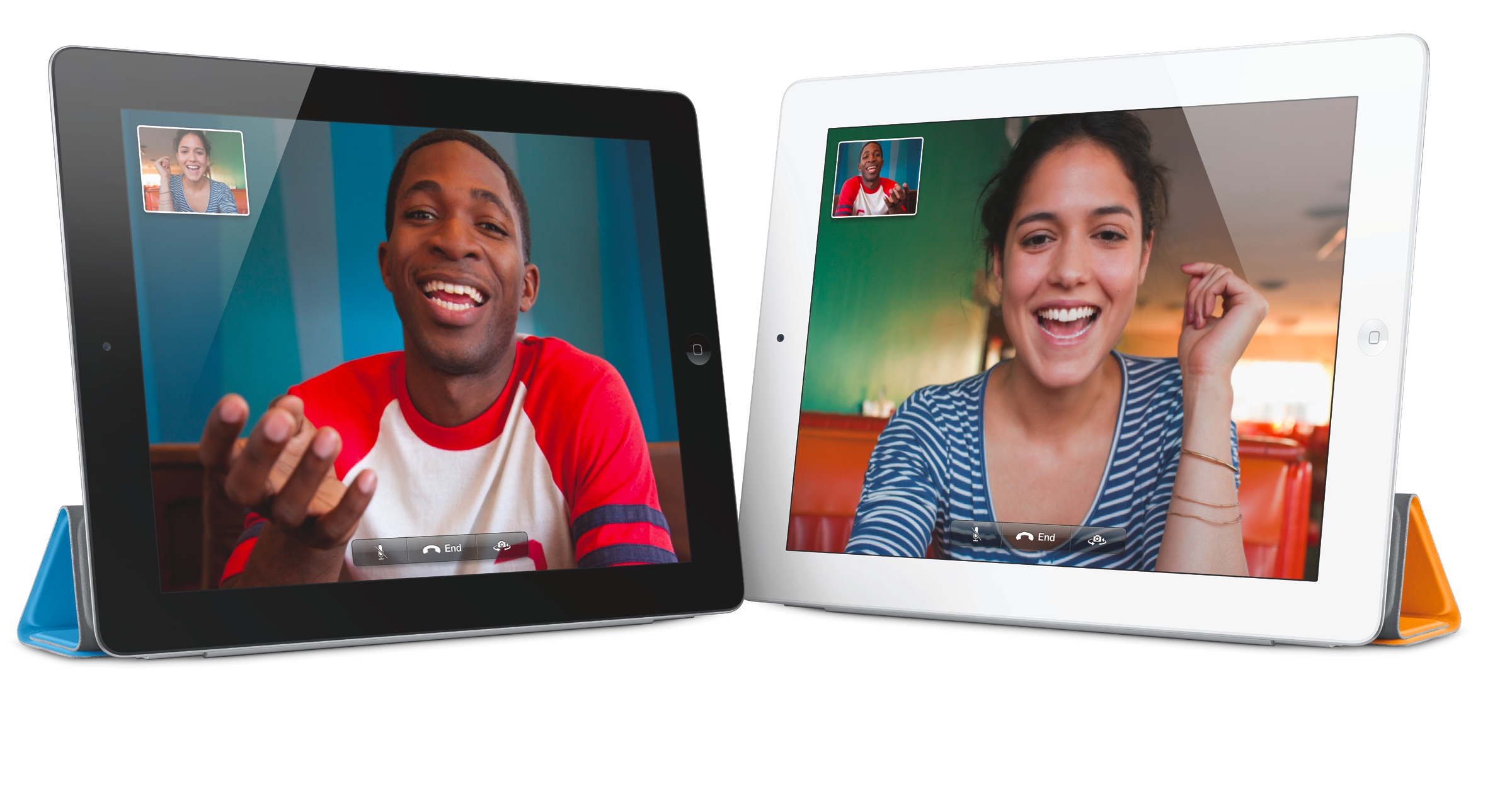
When FaceTime was first introduced back in June 2010, Steve Jobs noted the video calling feature would be available to users over 3G once the necessary agreements with carriers had been made. Nearly a year on, FaceTime still requires a Wi-Fi connection, but it could be about to make its debut over 3G in Germany.
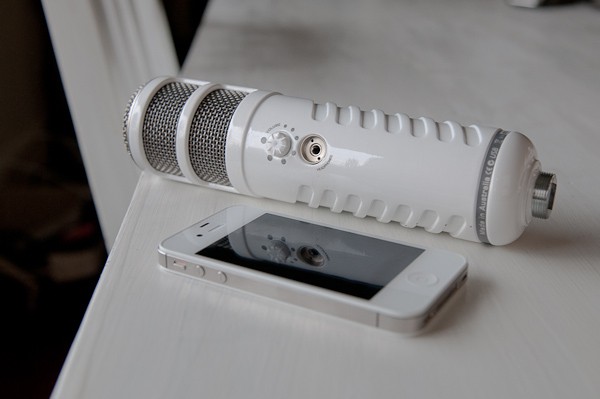
If you’ve spent much time podcasting, Skyping, recording any kind of audio on your Mac, you’ve no doubt found its built-in microphone woefully inadequate. Well if you’re ready to toss down some Benjamins for an upgrade, the Rode Podcaster Microphone ($230) is a rich-sounding, easy-to-use option you should consider.
VoxOx’s free telephony app was already heavy on features when it launched earlier this year. Now it adds two more big features: outbound faxing capability (previously the app only had the ability to receive faxes) and two-way, realtime SMS translations.
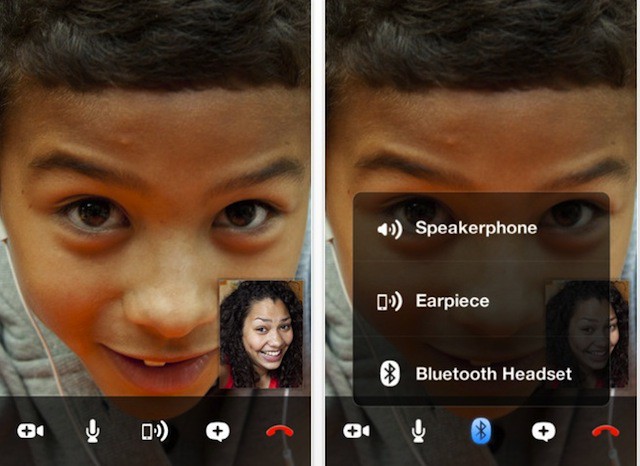
Over a year ago, when Skype’s iOS app was finally upgraded with the ability to work as a backgrounded app, it was a big step in the direction of untethering voice communications from the telcoms. Today marks the next big step in that direction, as both Skype’s iPhone and iPad app add Bluetooth support.
A pair of new goodies from Logitech were revealed today; we actually snagged a little time to check out both when Logitech lifted the curtain for us at a sneak preview a couple of months ago.
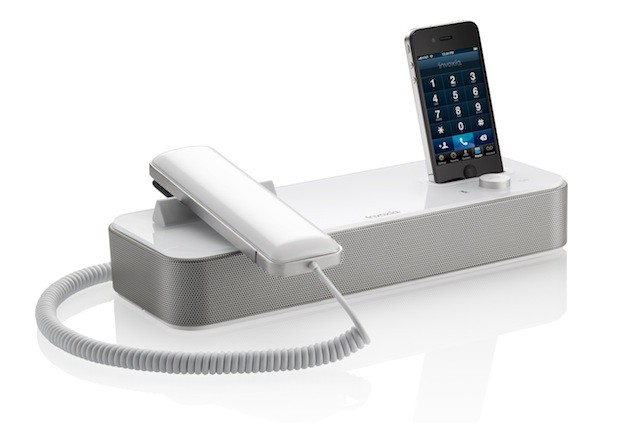
I’ve worked at a few desks that used Cisco VoIP phones (one in the Wired.com offices among them); but something like the new Invoxia NVX 610 iPhone-controlled conference phone may eventually turn conventional handsets — even VoIP ones — into relics.
Beating Skype to the iPad by just one day, VoIP app Fring is now available as a universal app on the iOS App Store, and it has one big advantage over Skype: not only can it work as an IM client, playing nice with Facebook, MSN Messenger, GTalk and more, but it’s also the first iPad app to support group video-calling over WiFi and 3G.
A fantastic update to a fantastic app. You can download it here.
VoIP service VoxOx thought its rebranding at CES — which includes a massive effort to unify almost every method of communication known to man, and new features like being able to pick your own phone number for free — was such a big deal, they had an army of extras with duct-taped mouths following around an alien who gave away “dozens” (according to VoxOx) of iPhones at the show.
In fact, the PR stunt attracted so much attention it detracted from VoxOx’s actual message about all the neat stuff they’ve bundled into their reworked desktop app, and that they’re well on the way to having an iPhone app out, pending Apple’s approval (and as should be expected, VoxOx says they’ve focused on putting out an iPhone app ahead of any possible Android app).
Here’s the big picture about some of the new features; everything — apart from some outgoing calls — is free:
Obihai Technology, a tiny Cupertino start-up, this month brought to market its first product, the OBi110 — an unassuming $70 box with blinky lights that may well prove to be the most disruptive telephony device to come along in a decade.
The OBi110 is the physical hub in a multi-layered communications model the company believes can revolutionize the way consumers use their mobile, Internet and fixed-line telephony services, bringing emerging social networking behaviors together with maturing Voice over IP (VoIP) technology to create total communication freedom at the personal level.
With web and mobile-based software products, including an iPhone app presently in Beta testing, Obihai is poised to show the millions of consumers who’ve bought magicJacks and all 237 of them who’ve bought an Ooma just how IP telephony can be done.
Popular multi-IM and voice-chat service Fring has just been updated to bring 2-way video calling on iPhone 4 over 3G (Apple’s FaceTime is Wi-Fi only), as well as voice and text chat.
We’ve tested it out; while it has a few minor issues, Fring has freed videochat from Wi-Fi. If you like to videochat on your new iPhone 4, it’s a must-have app.