This week’s MacSysAdmin 2012 Conference in Sweden kicks off a line of Mac/iOS conferences and training opportunities for IT professionals.
While many Apple fans and IT professionals that support iOS devices in the workplace are eagerly awaiting tomorrow’s Apple announcement, a group of Apple in the enterprise experts are meeting at MacSysAdmin 2012 – a conference for European IT professionals tasked with managing Macs and iOS devices in business, education, and other workplace settings. The annual conference traditionally posts videos of its sessions online for free (as does the Penn State MacAdmins Conference that was held in the U.S. this spring).
That isn’t the only major conference for Mac and iOS IT professionals, however. October brings two other major events (one of them free) and there are a number of excellent smaller events scheduled throughout the fall.
Looks like FedEx is expecting to be pretty busy around this time.
FedEx has issued a memo to employees noting that all training classes will be canceled between September 21 and September 24 due to a “surge volume” event. Although the company does not specify a reason for this, it falls just 9 days after the iPhone 5 unveiling, and suggests this is when Apple’s sixth-generation device will launch in the United States — and possibly around the world.
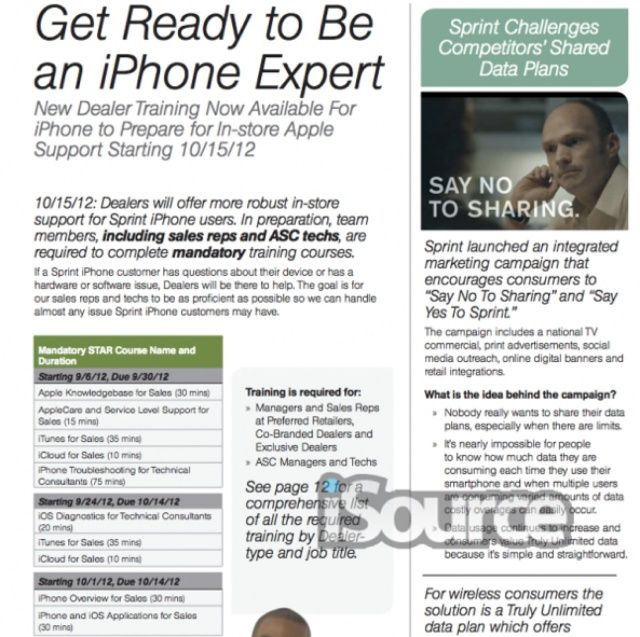
Apple has all but confirmed it will be announcing the iPhone 5 on September 12, and if recent rumors are correct, it’ll start shipping around a week and a half later. But according to a leaked training manual produced by Sprint, Apple’s next-generation iPhone may not be making its debut until at least October 15, or it’ll be launching with different carriers at different times in the U.S.
That’s if this training document actually means anything. And we don’t think it does.
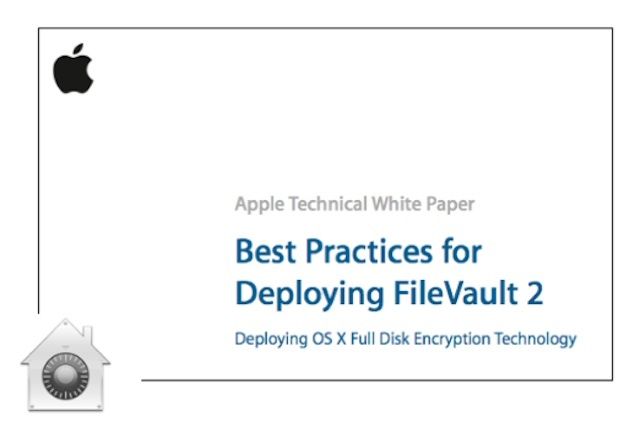
A new Apple white paper helps IT manage FileVault 2.
Apple has released a new white paper for CIOs, IT leaders, and IT professionals. This one targets FileVault 2, which was introduced in Lion and remains present as a high security feature in Mountain Lion. The 42 page document joins a growing collection of white papers and guides available from Apple that detail the mechanisms and best practices for integrating Macs into Windows-centric enterprise environments.
iOS 6 has lots of business potential, but having a plan about rolling it out is critical.
With the release of iOS 6, Apple will offer business users a range of new features. A few of which are VIP email filtering (already in Mountain Lion) with custom notifications, more options when declining a phone call on the iPhone, much-needed privacy options, and Apple’s new Do Not Disturb feature – which should help some mobile professionals to “switch off” after work and maybe even get a good night’s sleep.
iOS updates are generally designed to be user-friendly and easy enough that anyone can manage to install them. As with any major OS or business critical software upgrade, however, there may be unforeseen issues with iOS 6 – particularly when it comes to internal iOS apps and iOS access to enterprise systems.
An iOS 6 upgrade policy and strategy is something that every IT department should have in place before Apple releases iOS 6. For businesses that actively support user devices in the workplace through a BYOD (bring your own device) program, that upgrade strategy is even more critical.
AirPlay Direct would easily win fans in business, education, and even IT.
One of the first thoughts I had when Apple announced AirPlay Mirroring as a feature in Mountain Lion was that it would make an excellent mobile presentation tool and one that would be far easier to bring to business meetings, trade shows, or client-site training events than hauling a projector. With just a MacBook Air and Apple TV, you can plug into any HDTV, display, or projector that supports HDMI and be ready to go. That’s a great combination for any business traveler.
If Apple does announce AirPlay Direct, a new version of AirPlay that doesn’t require a Wi-Fi network, the company will have made the lives of business travelers, trainers, and educators even easier. It will probably also make network administrators in both business and education a bit happier as well.
It’s August, and you’re either on vacation, or leaving soon. The problem? You just tried to fit into last year’s swimsuit and – worse – you did it in front of the mirror. While it might be a little too late to lose that belly before you hit the beach this summer, take steps now and you’ll be a slimline hottie in time for Christmas and New Year, ready to undo all that good work in a week or two.
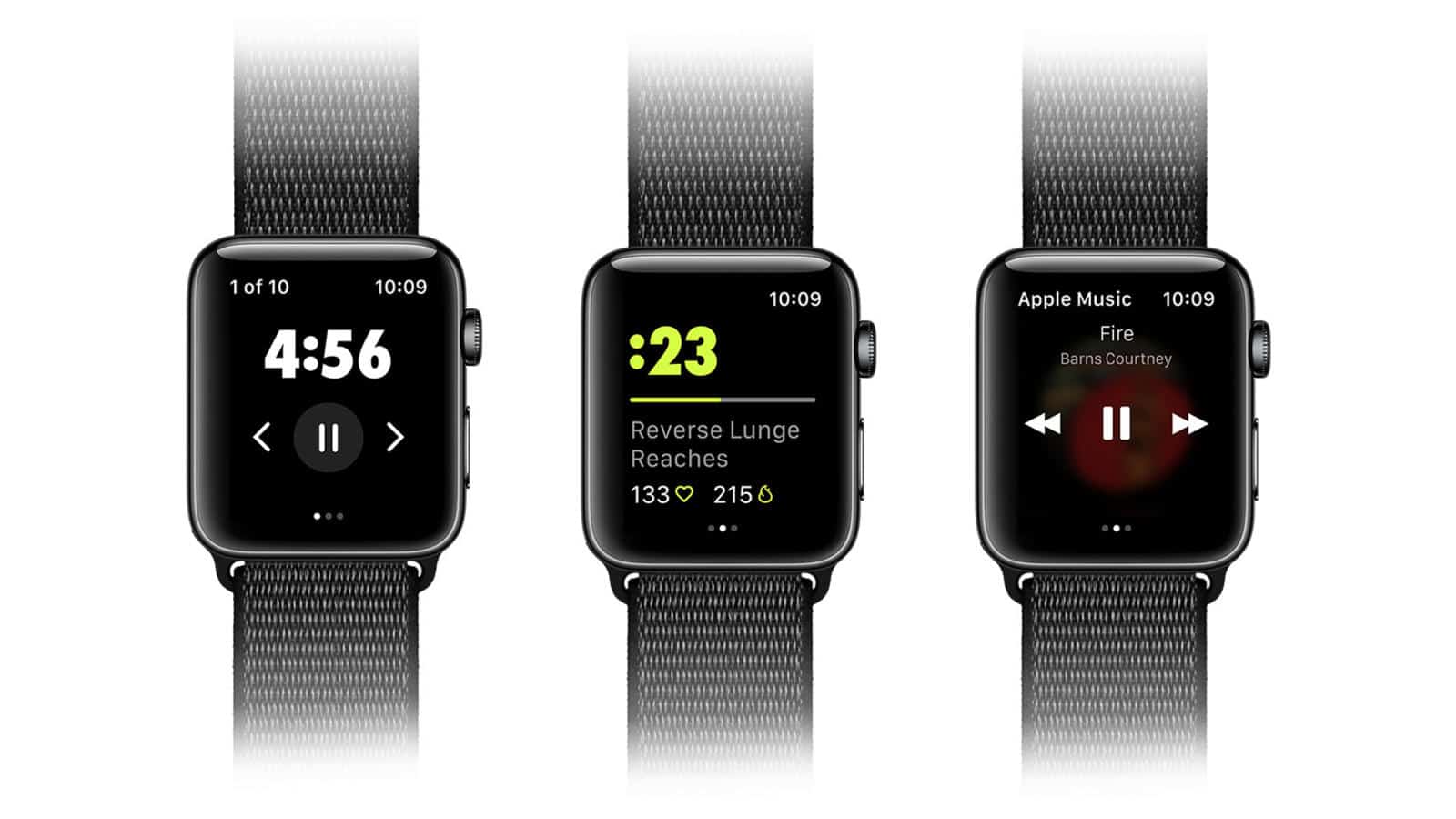
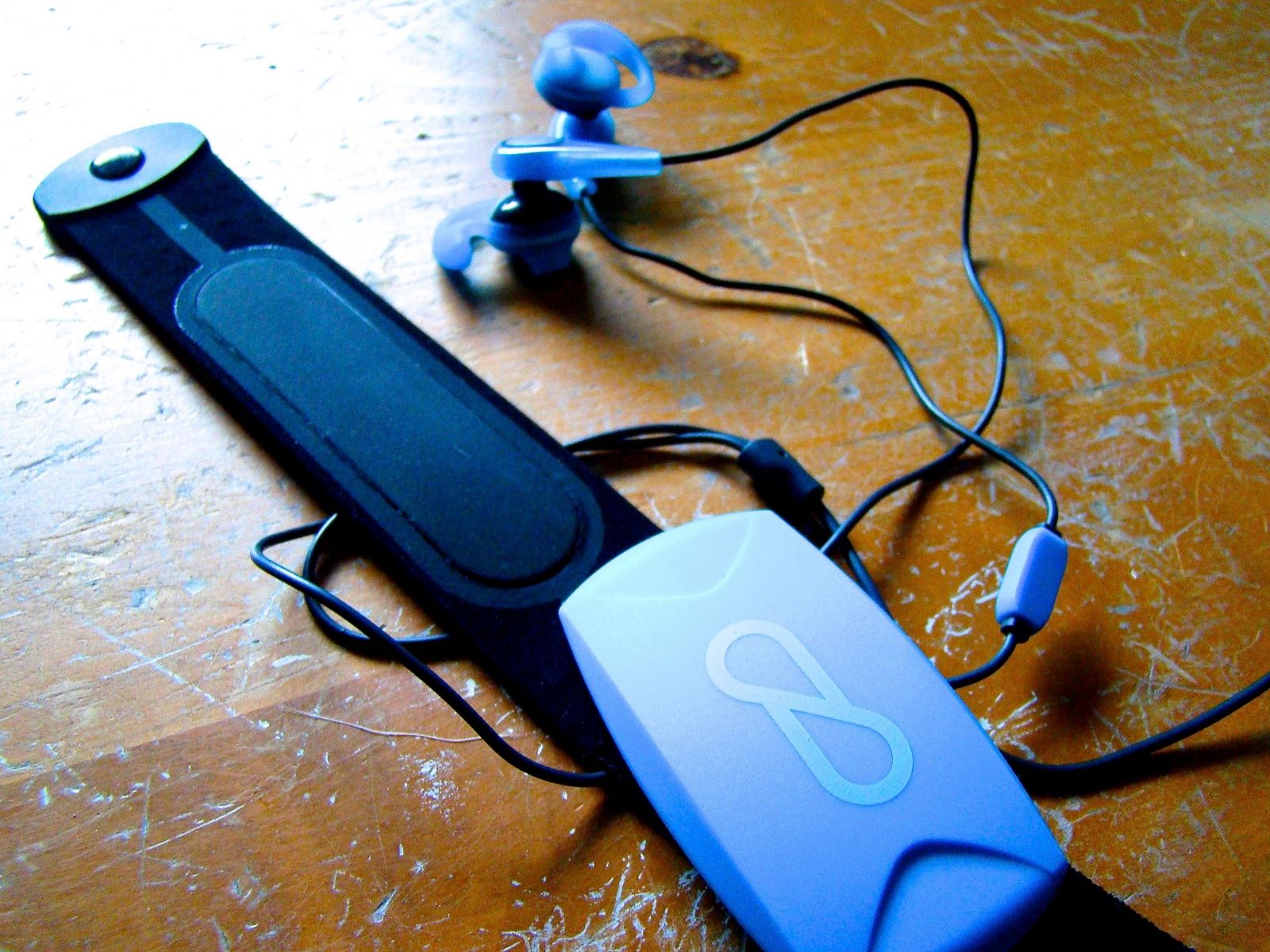
To help you, here’s our list of the best fitness gadgets around.
Registration is available for this fall’s MacTech Conference 2012.
Registration is now open for MacTech Conference 2012. The annual conference, which is a great learning and networking experience for IT professionals and developers, will be held October 17 – 19 in Los Angeles. A pre-registration discount is available for anyone who registers by the end of August.
The conference is sponsored by MacTech magazine and was launched in 2010, the year that Apple chose to focus its annual Worldwide Developers Conference solely on iOS. Since then, the conference has grown into a major event for IT professionals that need to support Macs and/or iOS devices in business, enterprise, and education environments. The conference has also become a serious event for Mac and iOS developers.
Following the launch of Mountain Lion, Apple has started rolling out Mountain Lion IT certifications.
Apple has launched its first Mountain Lion training guide and certification for IT professionals. The certification is the Mountain Lion edition of the Apple Certified Associate – Mac Integration certification, which can be viewed as the introductory Mac IT certification.
Apple began offering the certification following last year’s launch of Lion. Unlike Apple’s other certification options, Apple provides a free guide to the material on the Mac Integration Basics Exam on its training site. You can also register and take the exam online for $65. Should you fail the exam, Apple will let you retake the exam at no additional charge.
iPads help USDA service survey farmers and collect agriculture data across the country.
The USDA is working its way through an ambitious iPad deployment that may come to serve as a model for a range of government agencies within the U.S. and around the world. The challenge was to develop a simple, intuitive, and effective field survey and data collection system.
The National Agricultural Statistics Service (NASS) is a division of the USDA that is charged with surveying and reporting agricultural data across the country. NASS operates in all 50 states plus Puerto Rico. With a staff of around 3,000 enumerators NASS conducts thousands of survey each year about agriculture across the country. The service has been operating since the mid-1800s and, until the iPad, it conducted surveys and collected data in pretty much the same way that it had back in the 19th century – with paper forms filled out by hand and mailed to various field offices. Although various technology initiatives have been tried by NASS since the 1980s, none was a successful fit before the iPad.