Microsoft may try to challenge the iPad’s place in the classroom, but time isn’t on its side
The iPad became a big hit in the K-12 education market over the past year. Pioneering schools that brought Apple’s tablet into the classroom last school year proved that the iPad can be a excellent learning tool – one that has immense power to transform education.
As the new school year begins, and hundreds of thousands of students across the U.S. become iPad users thanks to one-to-one iPad deployments, there’s already talk that the iPad’s success in schools will be short-lived. The belief is that iPads will quickly be replaced by tablets running Microsoft’s Windows RT or Windows 8.
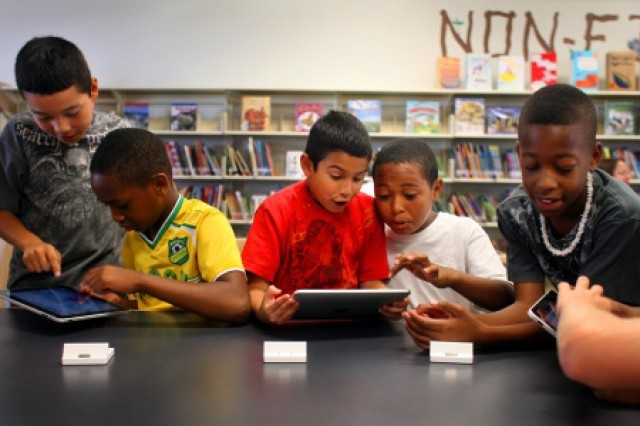
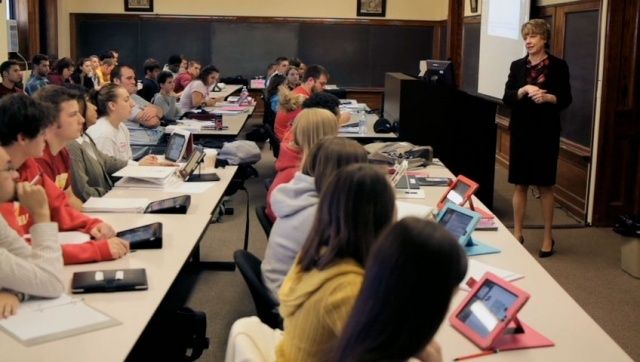
The iPad is engaging students and transforming the K-12 education experience.
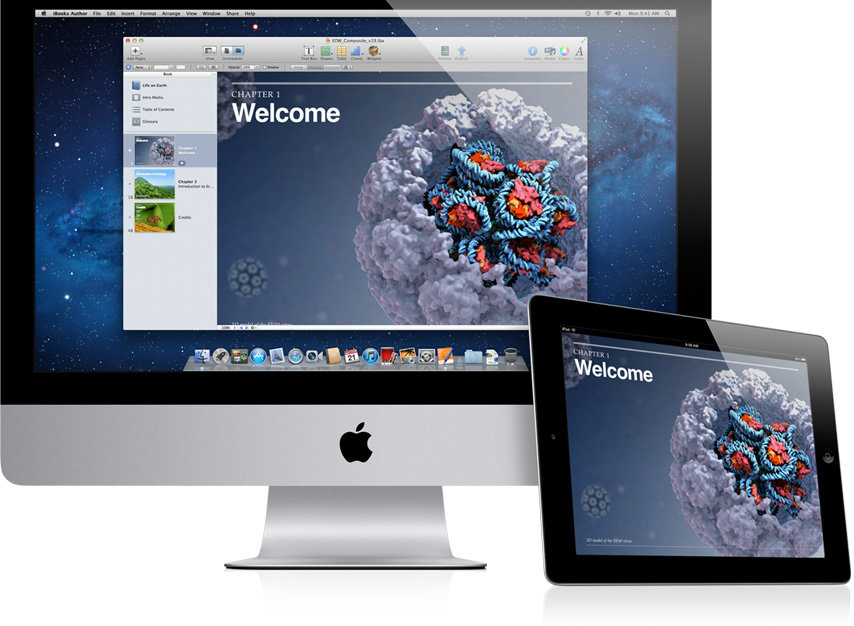
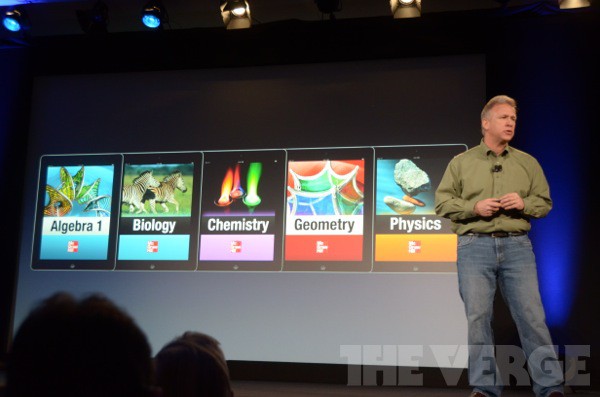
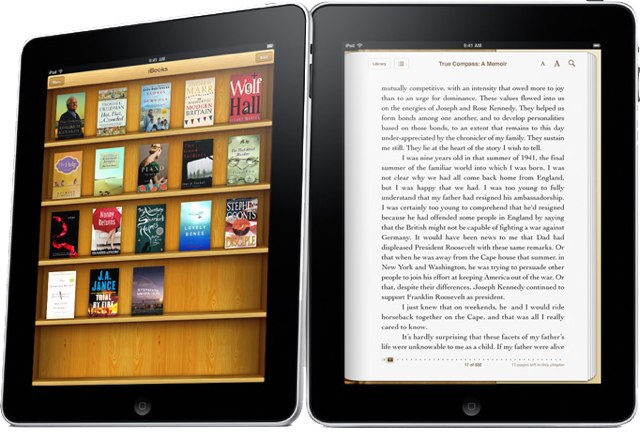
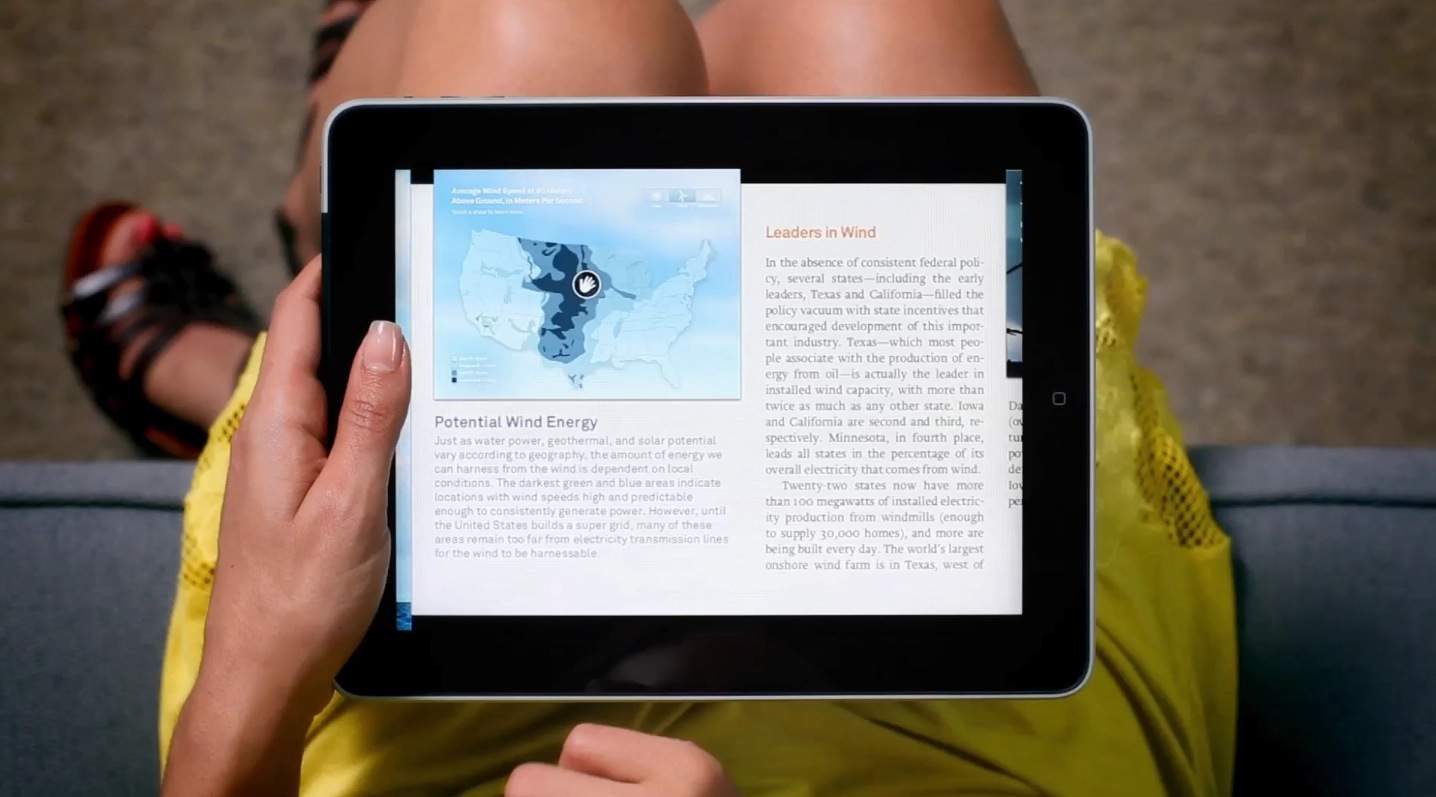
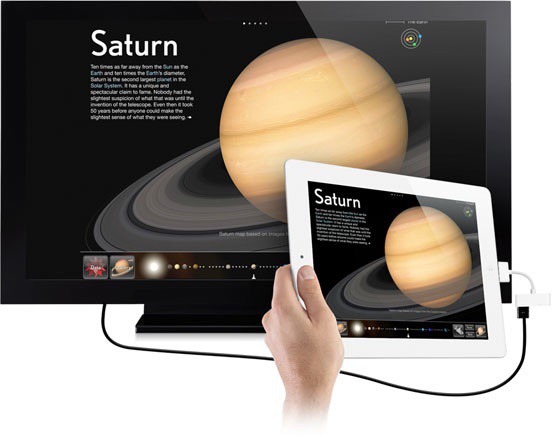
During its education event in January, Apple unveiled its plans to revolutionize the K-12 classroom with the iPad, electronic textbooks, a revamped version of iTunes U that supports content for K-12 schools as well as higher education, and tools for educators to create their own digital content using iBooks Author and iTunes U.
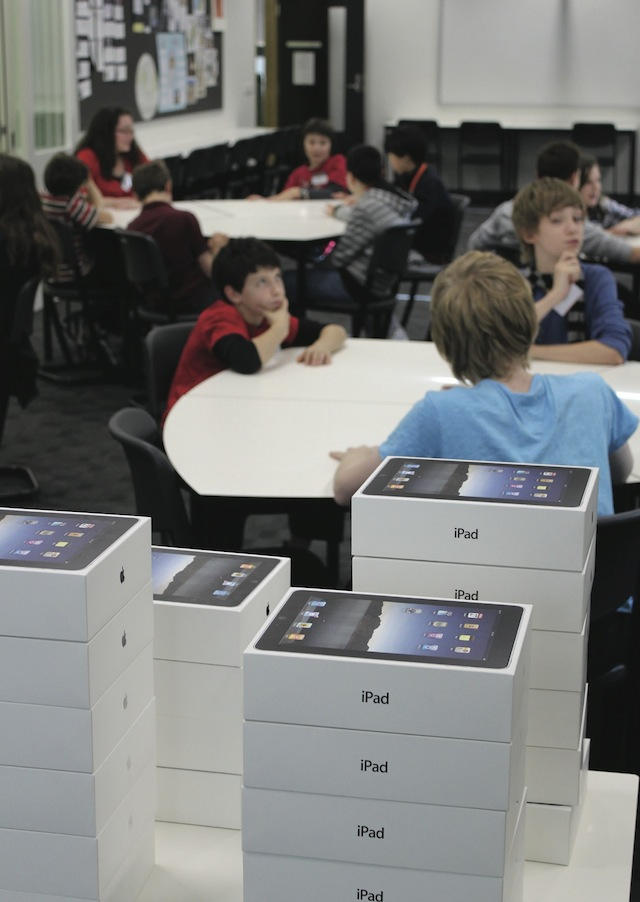
In the intervening months, schools and districts around the country have made significant investments in iPads, including the San Diego Unified School District, which invested $15 million in 26,000 iPads for its students. Those sales created a record quarter for Apple in the K-12 education market.
With the back to school season upon us, it’s clear that the massive iPad deployments will give Apple the opportunity to disrupt the classroom in the ways it has whole industries and, in many ways, that’s a good thing.
It’s back to school time, of course, and that means textbooks for a large portion of students in higher ed, at least. And textbooks cost a lot. Like, a LOT.
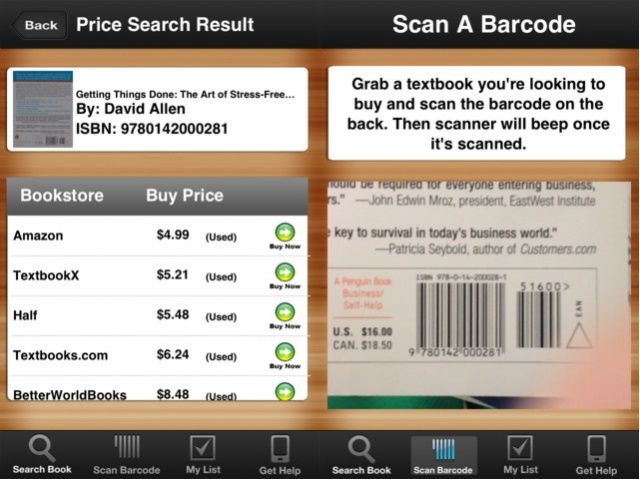
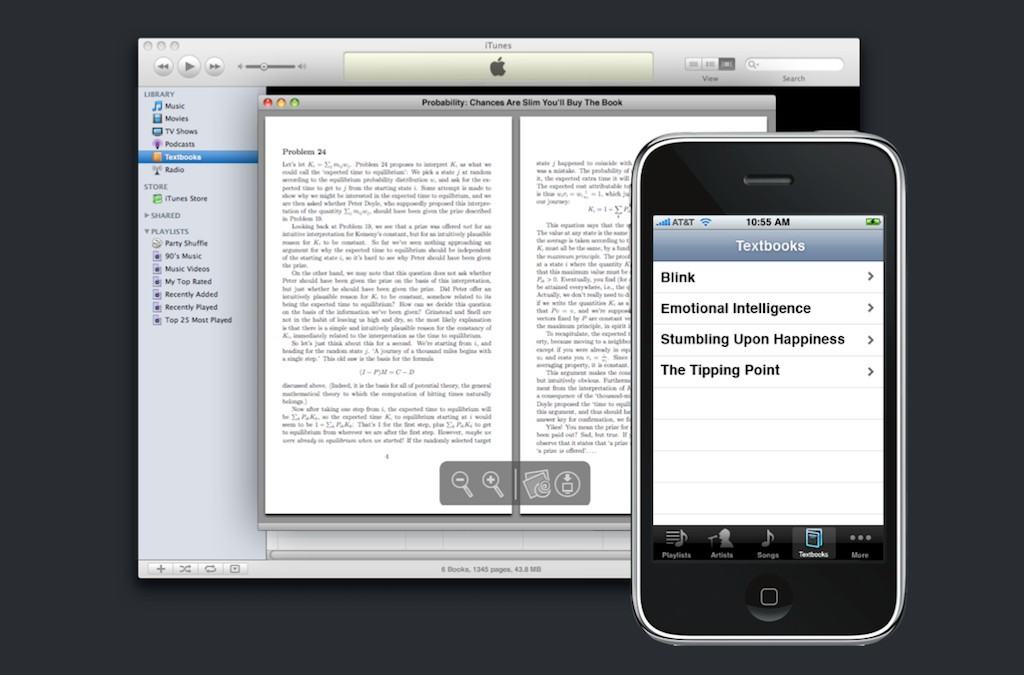
The folks at TextbookLand aim to change that fact with their new iPhone app, TextbookMe. With it, you can search, scan a barcode, or browse your way to less expensive textbooks as you wander the quad looking for cute people to connect with at the party later in the evening. Or, so we hear.
Schools are adding Apple technology, but many don’t integrate it well into the classroom.
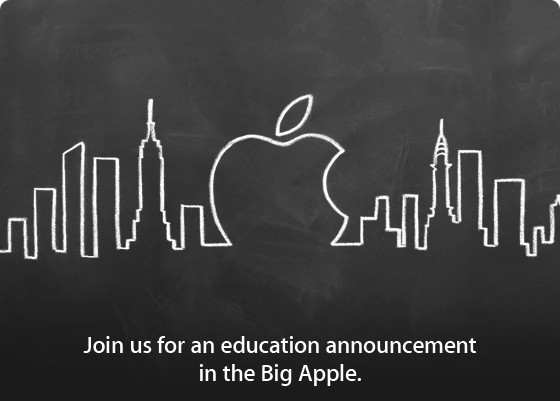
Apple kicked off 2012 with its education event in New York. At that event, the company announced its electronic textbooks for iPad initiative, iBooks Author, and the revamped iTunes U. According the Apples latest financial data, the education initiativeĀ has paid off with both iPads and Macs being purchased by schools in record numbers.
A 21st century vision of education , however, is about more than getting the iPads and MacBooks into the classroom. It also requires technology goals, professional development for teachers, high-speed access to up-to-date content, education-centric portals for students and teachers, back-end systems, and education apps or software.
Battle for e-textbooks heats up with new Nook company
Barnes & Noble’s announcement that it was spinning off its Nook business and that Microsoft would be a significant stakeholder in the new company raised a lot of eyebrows. The partnership seemed unnecessary in order to meet the goals of settling a patent dispute and ensuring a Nook app for Windows 8 tablets.
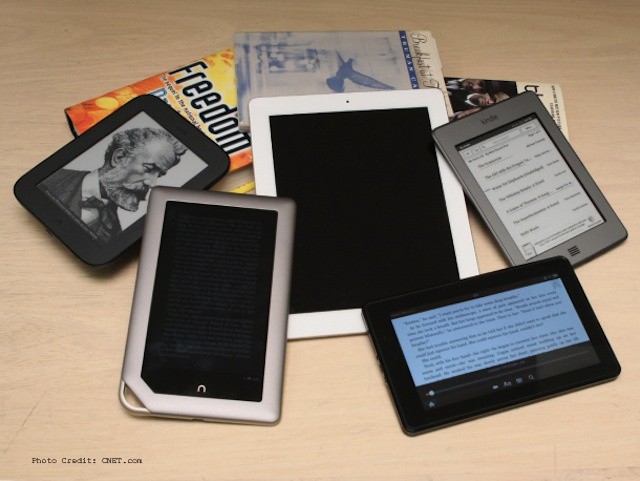
It turns out that Barnes & Nobel will be shifting its textbook business to the new company along with the Nook and that Microsoft’s $300 million investment will likely be centered around creating an e-textbook initiative that will likely compete head-on with Apple’s fledging iPad-based e-textbook business.
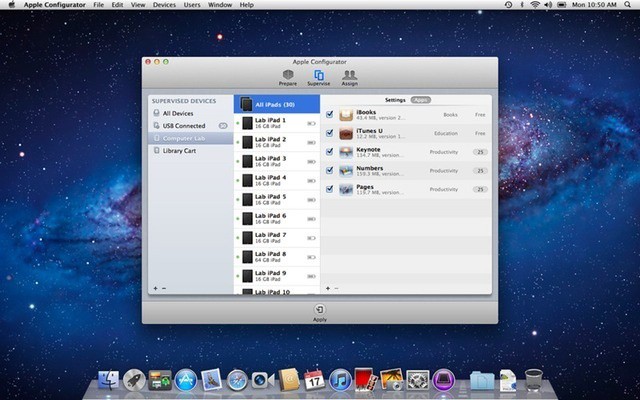
Along with announcing the new iPad and Apple TV (and related iOS and app updates), Apple released a new tool for managing iOS devices in business and education. The new Apple Configurator app is a free download in the Mac App Store for Macs running Lion. Although it takes the sting out of managing iPads, iPhones, and iPod touches for smaller organizations, it won’t replace more full feature mobile management solutions for mid-size or larger companies.
Apple’s announcement of Mountain Lion breaks with the past in a few ways including by announcing with out a major Apple event. One of the other changes is the news the Apple is moving OS X to a yearly release cycle like iOS. That may be a great way to introduce new features for consumers, but it’s likely to create problems for organizations that have a large number of Macs.
Schools and colleges are still among the organizations that have large Mac populations and have always been a key market for Apple. A yearly release schedule stands to impact them more than any other type of organization and that impact isn’t likely to be a positive one.
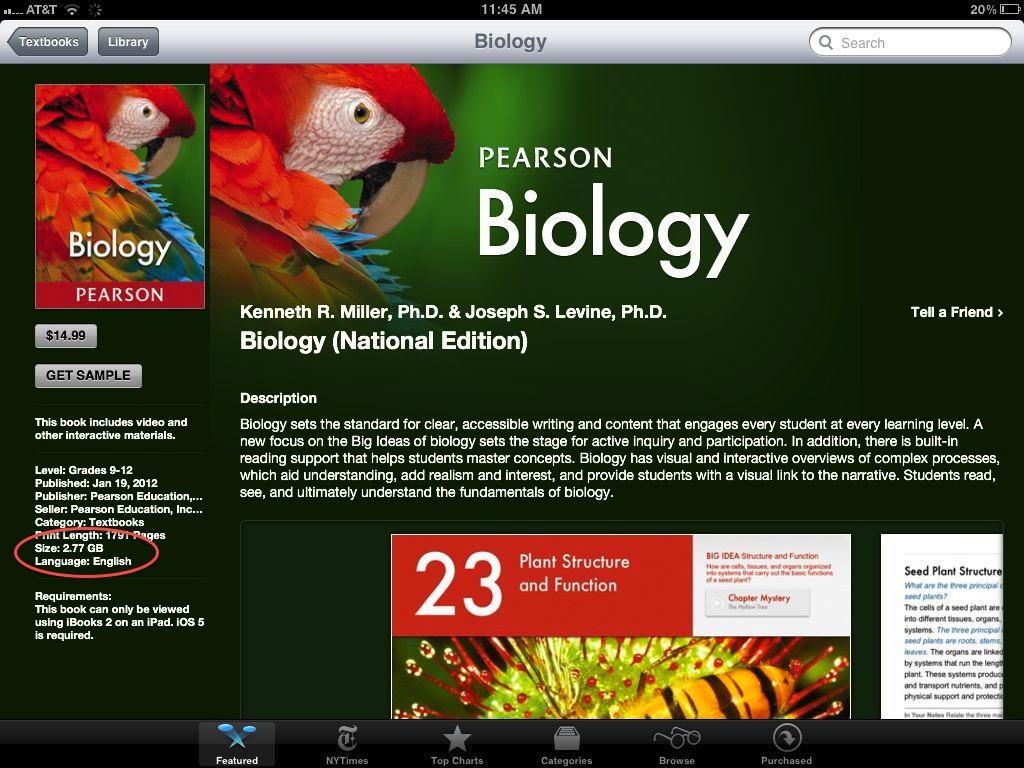
If you thought there would be little interest in an Apple event that didn’t include new hardware, think again. Following the unveiling of iBooks 2 with support for textbooks last week, Apple saw an incredible 350,000 textbook downloads in just three days of availability.
Following the release of Apple’s self-publishing tool for the Mac today, iBooks Author, it’s clear that Apple wants to change the way books are created and published online. Specifically, Apple wants to bolster its own iBookstore with the best content, and authors will have to agree with that mission whether they want to or not. If you want to make money, it’s the iBookstore or the highway.
Today Apple unveiled its digital textbook software for the iPad and Mac. We’ve covered every aspect of the announcement, including the event’s three main releases: iBooks 2, iBooks Author for Mac, and the iTunes U app.
While Steve Jobs mentioned his desire to revolutionize the textbook industry in Walter Isaacson’s official biography, Apple has been relatively silent about its plans to take the education market by storm. As it turns out, the company’s dream for digital textbooks comes from a student intern’s pitch in 2008.