Apple has issued a video update for its 15-inch MacBook Pro that addresses a freezing issue users some users may be suffering with the mid-2010 model. The update also fixes a bug that presented users with a blank screen when they attempted to watch a video on their machine.
Apple operates under the philosophy that the latest and greatest OS is what everybody should use, but many of us prefer to try things out first and upgrade a bit more slowly. When you dual-boot your Mac among two different versions of Mac OS X some things will work fine, while others require one system or the other:
I’m running Snow Leopard 10.6.8 on a MacBook Pro 3,1 and I just got a new 750GB, 7200rpm drive to put in. Can I create say a 100GB OS X 10.7 Lion partition and share the apps / data from the 10.6.8 partition?
The Flash Player 11.3 beta brings improved support for the Mac App Store, support for older graphics cards, and more.
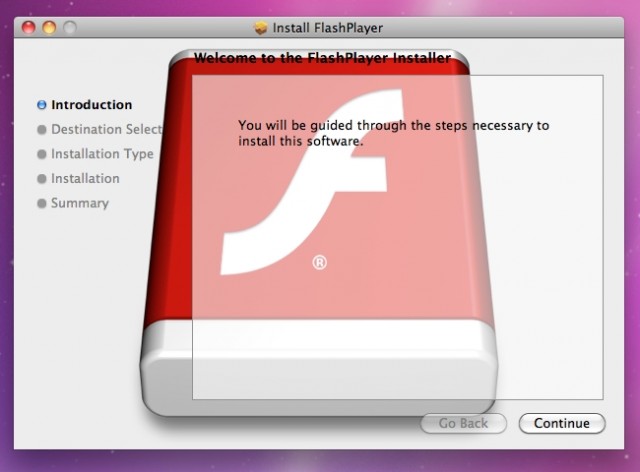
Following its teasers last month, Adobe has released Flash 11 for Mac OS X — and other platforms — along with AIR 3. The applications promise to deliver cutting edge 3D graphics that Adobe says will offer “console-quality” gaming, and performance up to 1,000 faster than Flash 10.
Following a new trojan threat for Mac OS X that was uncovered last week, Apple has updated its anti-malware tools for the Mac that will ensure we continue to sleep soundly at night, safe in the knowledge our beloved Macs aren’t at risk.
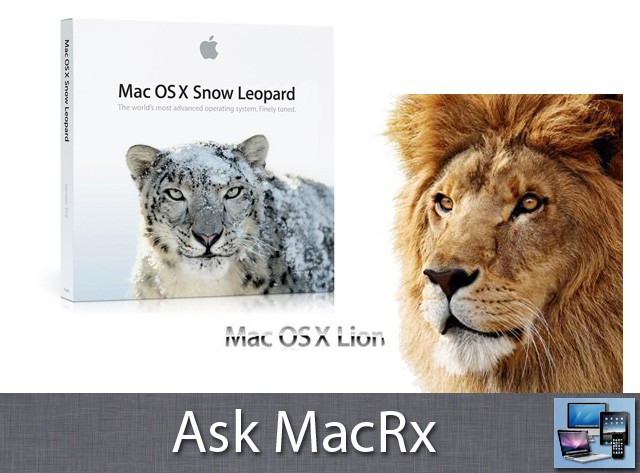
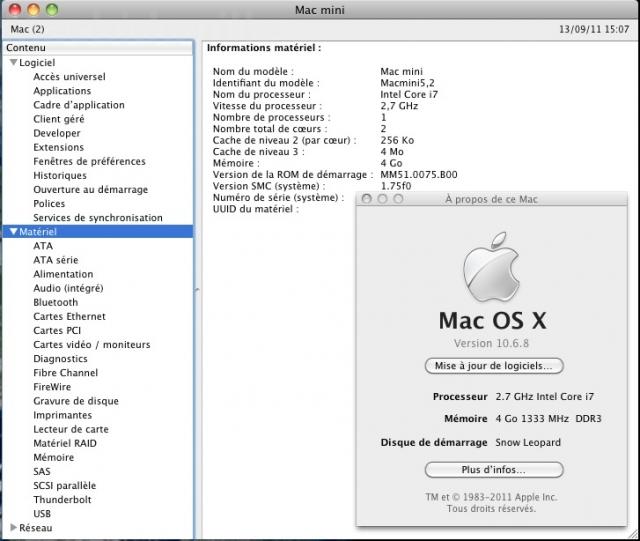
If you purchased one of Apple’s latest Mac minis to find you have a massive hatred for the new OS X Lion operating system, then you’ll be disappointed to find that you cannot downgrade to Snow Leopard. However, that may not be the case…
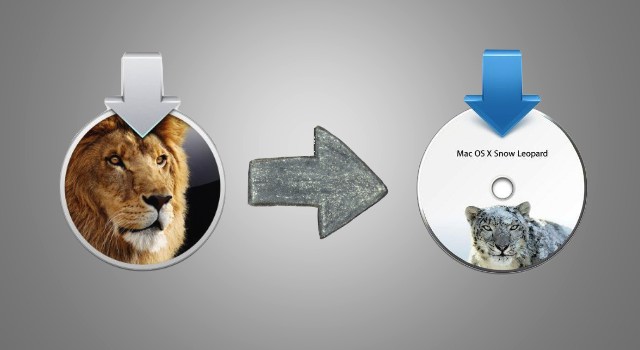
While OS X Lion is an excellent operating system, it may not be perfect for some people. Since some applications haven’t been updated to run on Lion yet, some users may need to downgrade to Snow Leopard in order to keep using the applications they need on a regular basis. In this video, I’ll show the best ways to downgrade from Lion to Snow Leopard.
Apple has just released an updated Migration Assistant tool for those on OS X Leopard that wish to move over to Lion. A Migration Assistant update has already been released for Snow Leopard, and Apple has now made it possible for Leopard users to easily update to the latest desktop OS.
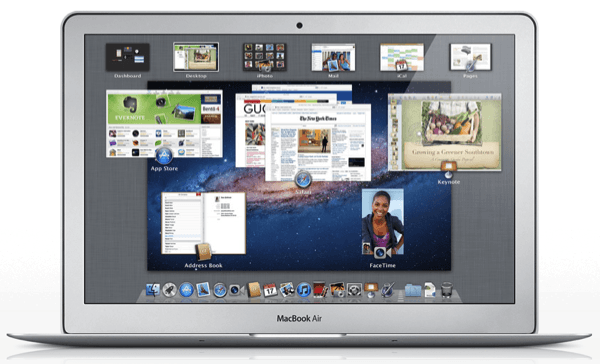
Did you just get a beautiful, new MacBook Air? Apple’s new notebooks are super-slim, and they work great with OS X Lion.
However, installing Snow Leopard on a 2011 MacBook Air may not go over so well, as Apple’s older cat doesn’t apparently play nice with its newest notebook. Luckily, Apple has published a KnowledgeBase article to help you fix Snow Leopard on your brand new MacBook Air.
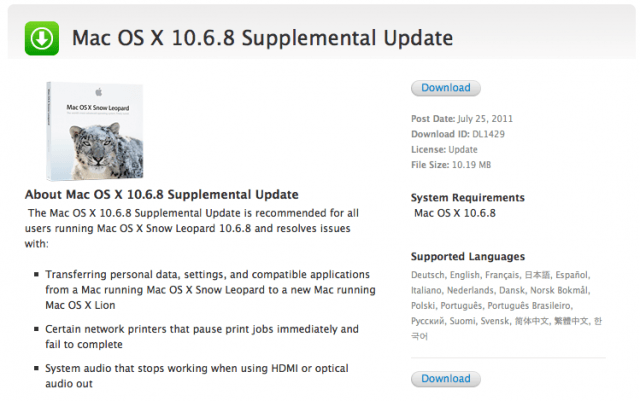
Apple has pushed out an update for you retro folks that are still on OS X Snow Leopard. A new supplemental update for 10.6.8 addresses some issues when migrating your Mac from Snow Leopard to Lion, as well as a few more bug fixes.
With OS X 10.7 Lion now available on the Mac App Store, a lot of people will be upgrading their Macs today. Even though the install process makes Lion the easiest upgrade yet, though, there’s a right way to install Lion to your machine, and a wrong way.
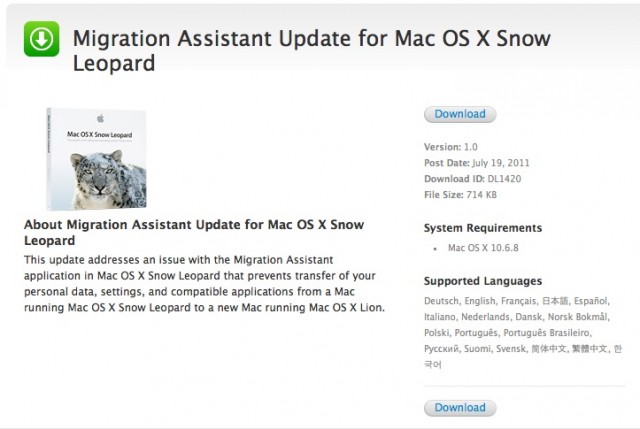
Apple has just released a tiny 768kb update to Migration Assistant for Snow Leopard, and if you’re planning on transferring your files and settings from a Snow Leopard Mac to a machine with Lion, you’ll need to grab this, because otherwise you’re out of luck.
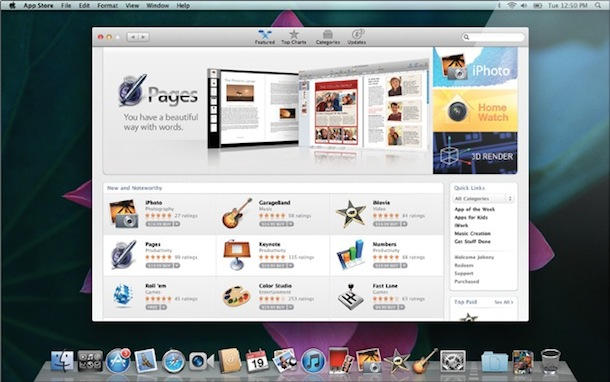
Apple’s upcoming OS X Lion release is expected to launch tomorrow, and when it does, it will be available exclusively through the Mac App Store. That means you’ll no longer be able to walk into an Apple retail store and purchase the release on DVD.
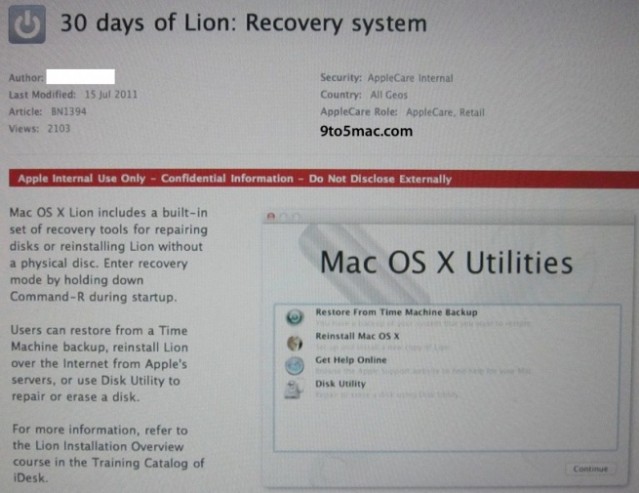
That’s great for the environment, but it can make recovering your machine a little more difficult. Apple’s new recovery plans for Lion, however, could make the whole process a walk in the park.
Whether or not OS X Lion shows up on the Mac App Store late next week, as All Things D believes, or on the 26th, as some Apple Store employees belive, one thing’s for sure: it’s coming before the month is out.
So it’s not totally a surprise that Amazon.com is running low on copies of Snow Leopard, having sold out entirely of retail copies of OS X 10.6 on their UK site and only selling it through third-parties on their US site.
What is surprising, at least to us, is that it’s happening so soon. How are people going to upgrade to Lion if it’s impossible to buy Snow Leopard?
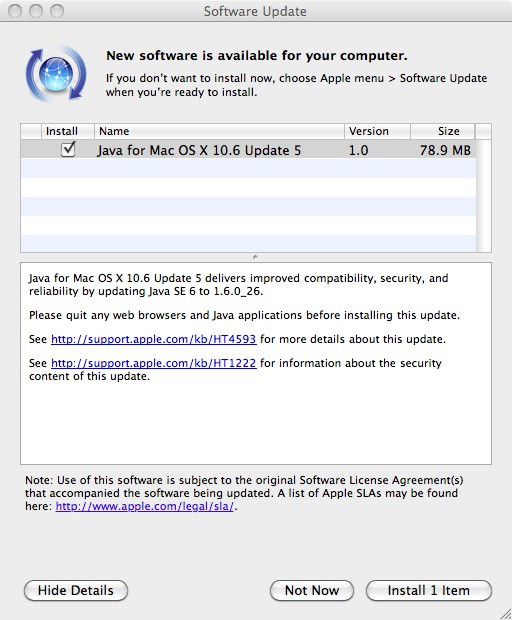
Hot on the heels of other recent updates Apple has released updates for Java on Mac OS X Leopard 10.5 and Snow Leopard 10.6. The updates improve compatibility, security, and reliability.
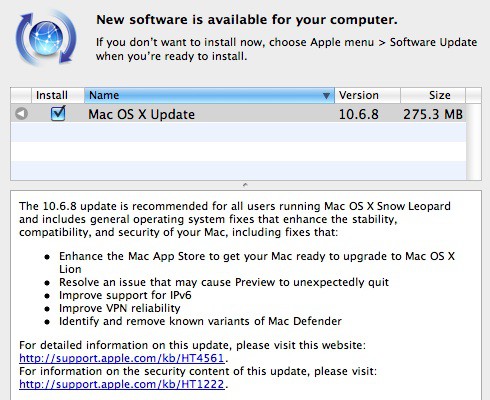
The latest major patch update to Mac OS X 10.6.8 just got pumped through Software Update, and this is one patch everyone with a Mac is going to want to make as soon as possible: without it, you won’t be able to upgrade to 10.7 Lion when it is released on the Mac App Store next month.
A supposed new email from Steve claims that the only way to clean install Lion on a new machine is to install Snow Leopard first. We think it’s bogus, though: not only is that proposed solution just stupid and un-Apple-like, but we think there’s proof right in the email that it wasn’t sent from Steve’s iPhone, or even an iPhone at all.
Need a new Mac right now, but want to wait until Lion drops in July to spare yourself paying an extra $30 to upgrade from Snow Leopard. Don’t sweat it: if you buy a new Mac now, Snow Leopard will give you Lion for free when it is released next month.
As the impending launch of Mac OS X Lion creeps closer and closer, it’s getting harder and harder to wait for all of the new features Apple has promised, like Launchpad and AirDrop, just to name a couple. Well, if you want to get a taste of Mac OS X Lion before it’s here, there are a few quick things you can do to transform your aging install of Snow Leopard into a Lion like experience. In this video, I’ll show you what to do.
If you are one of the many Apple rumor mongers who expects the Mac App Store to flutter cherubically out of the fertile womb of Software Update later this week, The Loop’s Jim Dalrymple suggests you put your celebratory cigars back in the humidor: it ain’t coming this week, or even this month. Dang.
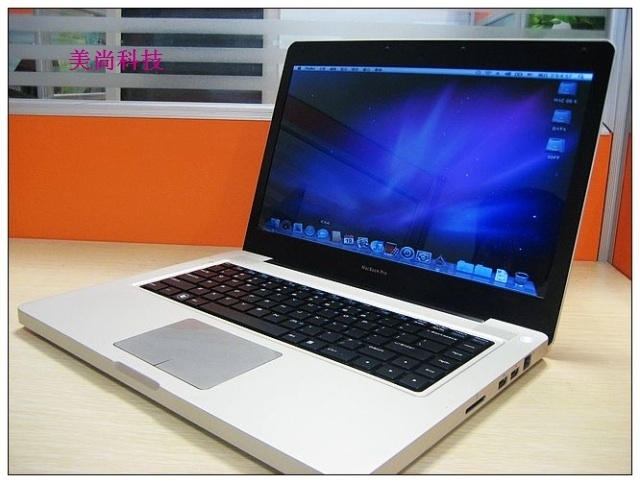
Chinese knockoff maker DragonFly has just made their already shameless MacBook clone a little more so: while the 14-inch netbook already adhered closely enough to the Ive aesthetic to be mistaken for a real MacBook Pro by the Magoo-like, they’ve now gone even farther by replacing the original DragonFly logo with Apple’s own… plus Hackintoshing the notebook in the factory to run Snow Leopard. It even comes with a fake MagSafe charger!
Try this in America and Apple’s legal team would cram your head so forcibly up your posterior that you’d give a vomitous birth unto yourself, but DragonFly hails from China, so they’ll probably be fine. $436 will buy you one on the Beijing electronics blackmarket.
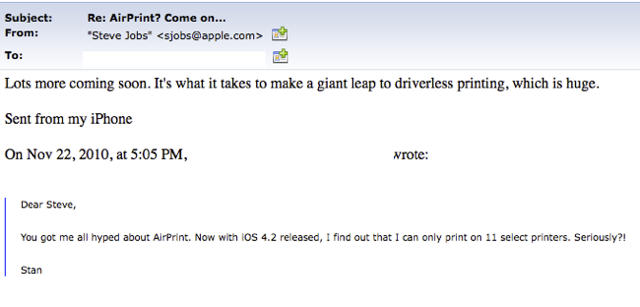
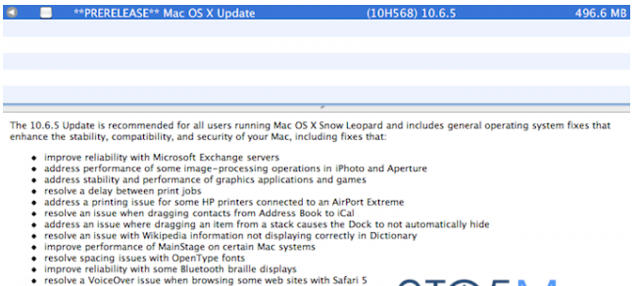
One of the most frustrating aspects of iOS 4.2 and OS X 10.6.5 is how Apple’s new wireless printing standard, AirPrint, was gimped at the last minute from running on pretty much every shared network printer connected to a Mac to only officially supported on 11 AirPrint-compatible printers.
One iPad owner named Stan was so frustrated, in fact, that he wrote to Steve Jobs. “You got me all hyped about AirPrint. Now with iOS 4.2 released, I find out that I can only print on 11 select printers. Seriously?!”
Seriously, replies Steve, before reassuring Stan that the move to driverless, wireless printing is a vast undertaking, and that iOS 4.2’s AirPrint support is only the first step.
If you’re anything like me, you’ve probably been checking Software Update a few times every day this week, waiting for Apple to finally dislodge some of its bigger releases from its development pipe: namely, Mac OS X 10.6.5, iTunes 10.1 and iOS 4.2. No luck yet, but according to , all three are imminent… and two of those updates will go live today.
The latest update to Snow Leopard — Mac OS X 10.6.5 — hasn’t even shot down the Software Update pipeline to users yet as a beefy download, but that’s not stopping Cupertino from seeding early builds of 10.6.6 to developers.
Just a couple weeks ago, Apple updated their iLife suite up to the year 2011… but despite the fact that iLife ’11 requires Snow Leopard to run, Cupertino did not see fit to upgrade the executables to 64-bit…. even though programs like iMovie ’11 would certainly have benefited from the support.
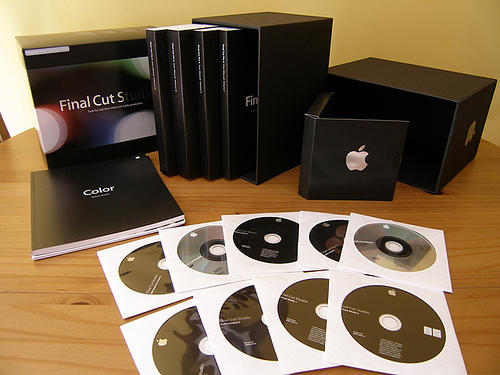
What about Final Cut Studio, then? Last updated in July of 2009, Final Cut Studio is one of the top movie-editing software packages around… and it too could desperately benefit from some 64-bit support.
Evan Agee recently emailed Steve Jobs to see about Final Cut Studio, expressing his hopes of a 64-bit update to the package. As he’s sometimes wont to do, Apple’s CEO fired back a reply: “Stay tuned and buckle up.”